

 プレビュー
プレビュー
 プリントを購入
 シェアする
シェアする シェアする
シェアする
 詳細を見る
詳細を見る

 ダウンロード
 似ている作品
 X線調査
X線調査 スライドショー
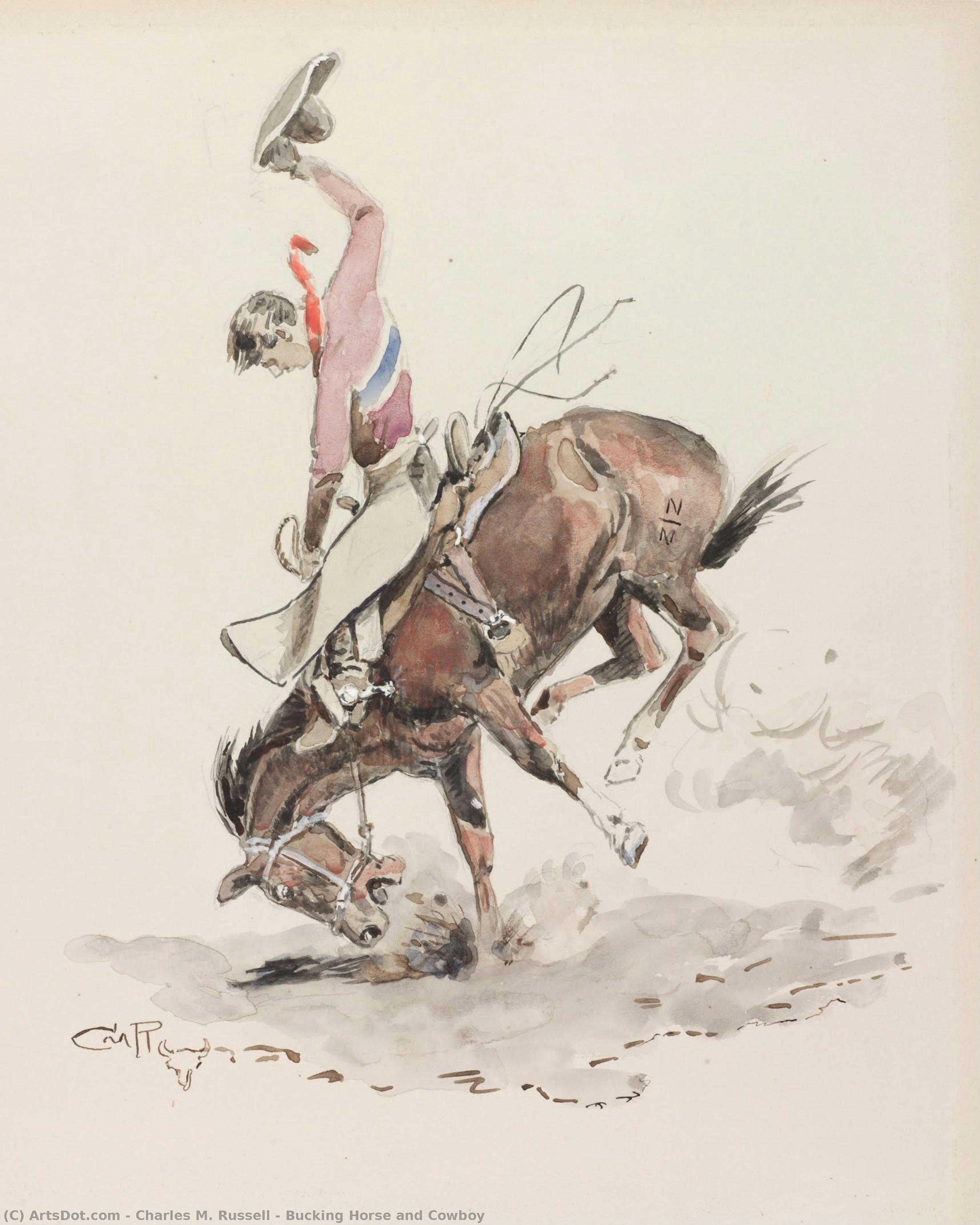
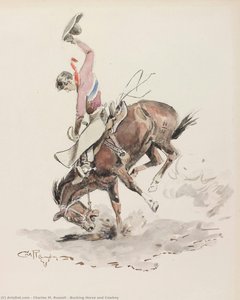
Bucking Horse and Cowboy
 Acrylic On Canvas
- WallArt
- American Romanticism
 1925
1925 28.0 x 33.0 cm
 Amon Carter Museum of American Art
 詳細を見る
詳細を見る




P118B $10

P118H $10

P118W $10

P438Z $10

P508JH $12

P508YH $12

P805H $10

P805Z $10

P919BZ $10

P919G $10

P919XJ $10

P959ZH $10

P968JZ $12

W106C $8

W218G $10

W218JH $8

W218Y $10

W307PJ $10

W316G $10

W316PJ $8

W316Y $10

W398PJ $8

W4111J $10

W500HY $15

W500JH $15

W692G $12

W849H $8

W940BG $15

W953PJ $8




作品のオリジナル比率に合わせた、当店の規定サイズからお選びください。

特定のフレームやスペースに合わせて、ご希望のサイズをご入力いただけます。選択されたサイズが元の画像の比率と異なる場合、アートワークをトリミングするか、手描きで要素を追加して絵画を拡張いたします。デジタルモックアップ を制作し、制作開始前にご確認(承認)をいただきます。
画面上のプレビューは、実際のトリミングや拡張を正確に反映しているものではありません。最終的な構図は、モックアップによってのみ正確にご確認いただけます。
カスタムサイズもご利用いただけますが、元の比率を維持するためには、あらかじめ用意されたリストからサイズを選択することをお勧めいたします。
ご注文後、ArtsDot.com チームより詳細な指示をお送りするとともに、仕上がりイメージ(モックアップ)をご提供いたします。


 ガラスオプションは、110cm未満のサイズでのみご利用いただけます。

Bucking Horse and Cowboy
複製技法
複製画のサイズ
-


合計金額
$ 263
作品解説
A Wild Dance on Steel: Charles Marion Russell’s “Bucking Horse and Cowboy”
Charles Marion Russell's "Bucking Horse and Cowboy," painted in 1925, isn’t merely a depiction of a rodeo; it’s a visceral embodiment of the American West—a landscape etched with grit, courage, and an undeniable connection to the untamed spirit of the frontier. This dynamic watercolor captures a fleeting moment of intense action, a collision between man and beast that speaks volumes about the relationship between humanity and nature in the heartland. Russell, deeply immersed in the life of a cowboy himself, eschewed academic precision for a raw, immediate style, prioritizing feeling over meticulous detail.
The composition is anchored by the rearing horse, its powerful muscles straining against the canvas, its head thrown back in a defiant snort. The rider, a figure rendered with swift, confident strokes, struggles to maintain his balance, his hat flying upward as if caught in the whirlwind of the bucking motion. Russell’s masterful use of hatching and cross-hatching creates an incredible sense of movement—you can almost feel the vibration of the horse's hooves against the earth and the wind whipping through the cowboy’s hair. The color palette is deliberately earthy – browns, tans, creams – mirroring the dusty tones of the Western landscape, punctuated by flashes of red in the cowboy’s attire and a touch of blue in the sky, adding to the painting’s dramatic intensity.
The Cowboy Artist: Russell's Vision of the West
Charles Marion Russell wasn’t simply an artist; he was a chronicler of the American West. Born in St. Louis in 1864 and spending his formative years as a working cowboy in Montana, Russell absorbed the rhythms, challenges, and legends of frontier life. This firsthand experience profoundly shaped his artistic vision, leading him to create over 2,000 paintings and bronze sculptures that vividly portrayed cowboys, Native Americans, wildlife, and the vast landscapes of the American West. Unlike many artists who relied on secondhand accounts or romanticized notions, Russell’s work is rooted in authentic observation and a deep respect for the people and animals he depicted.
Russell's style evolved over time, beginning with more realistic depictions and gradually embracing a looser, sketch-like approach that prioritized capturing the *feeling* of the West. “Bucking Horse and Cowboy” exemplifies this shift—it’s not a perfectly rendered portrait but rather an energetic study in movement and emotion. His work was often controversial for its unflinching portrayal of Native Americans, reflecting the complex realities of the era, yet he also championed their culture and advocated for their rights, leaving a lasting legacy as both an artist and an advocate.
Symbolism and the Spirit of the West
Beyond its immediate depiction of a rodeo scene, “Bucking Horse and Cowboy” is rich in symbolic meaning. The bucking horse itself represents the untamed wilderness—a force to be reckoned with, demanding respect and skill. The cowboy’s struggle for control symbolizes humanity's ongoing effort to tame and understand nature. The painting speaks to themes of courage, resilience, and the enduring spirit of individualism that defined the American West. Russell frequently used his art to explore these themes, portraying cowboys as rugged heroes who embodied the values of self-reliance and independence.
Furthermore, the piece resonates with a broader narrative about the relationship between humans and animals—a dynamic of challenge, respect, and mutual dependence. The cowboy’s posture suggests a partnership built on trust and understanding, while the horse's reaction conveys both power and vulnerability. It is this delicate balance that makes the painting so compelling.
A Legacy in Watercolor: Reproduction and Display
Reproductions of “Bucking Horse and Cowboy” offer a remarkable opportunity to bring the energy and spirit of Russell’s vision into any space. The watercolor medium lends itself beautifully to reproduction, capturing the artist's characteristic loose brushstrokes and vibrant colors. When selecting a print, consider the scale – larger reproductions will truly capture the dynamism of the original while smaller versions can serve as striking accents in a room. The painting’s earthy palette works well with a variety of interior design styles, from rustic Western themes to contemporary spaces seeking a touch of rugged charm.
Russell's work continues to resonate today, reminding us of the enduring allure and complexity of the American West. “Bucking Horse and Cowboy” stands as a testament to his artistic skill and his profound understanding of the human spirit—a captivating image that embodies the wild beauty and untamed spirit of the frontier.
関連作品

アーティストの略歴
西部を永遠に刻んだ画家、チャールズ・マリオ・ラッセル
セントルイスで生まれ、モンタナの荒野に身を投じたチャールズ・マリオ・ラッセル(1864-1926)は、単なる画家ではなく、アメリカ西部の魂そのものを捉え、永遠に記録した人物だった。彼の作品群は、カウボーイ、ネイティブ・アメリカン、そして広大な風景を鮮やかに描き出し、西部開拓時代の精神と、そこに生きる人々の姿を深く理解していたからこそ生まれた、真実の芸術と言えるだろう。幼少期から西部への憧憬を抱き、絵筆を通して想像力を羽ばたかせたラッセルは、16歳でモンタナへと旅立ち、牧童として荒野での生活を体験することで、その後の作品に深みとリアリティをもたらしたのである。牧童の経験が育んだ芸術
ラッセルの芸術的才能が開花したのは、まさに牧童としての生活の中でだった。牛の群れを追う日々の間に、彼は周囲の風景や人々をスケッチし、その観察眼は研ぎ澄まされていった。ブランド焼き、馬の調教、野生動物との遭遇…日常の出来事を絵筆で記録していくうちに、彼の作品には単なる描写を超えた、西部開拓時代の息吹が宿るようになった。初期の作品は自然主義的な表現が特徴であり、周囲の風景や人々の細部にまで目を凝らした描写が見て取れる。彼は西部を美化したり理想化したりすることなく、その現実をありのままに捉えようとしたのだ。1893年、冬の厳しい寒さの中で苦しむ牛の姿を描いた絵葉書が評判を呼び、画家としての道を歩み始めるきっかけとなった。この出来事を機に、ラッセルは牧童からプロの画家へと転身を果たし、絵筆を通して西部開拓時代の物語を語り始めたのである。西部を舞台にした叙事詩
ラッセルの作品には、カウボーイとネイティブ・アメリカンの交流、荒野での生活、そして自然との闘いが描かれている。彼の作品は単なる風景画ではなく、それぞれの場面に物語が込められており、見る者を西部開拓時代へと誘う力を持っている。例えば、1904年の傑作「ア・バッド・ホス」は、カウボーイと暴れ馬の激しい戦いを鮮やかに描き出し、西部開拓時代の危険と興奮を体現している。また、「バトル・オブ・ベリー・リバー」(1905年)では、歴史的な出来事をドラマチックに表現し、見る者に強い印象を与える。彼の技法は時代とともに進化し、初期の写実的なスタイルから、より自由な筆致と大胆な色彩へと変化していった。ラッセルは、絵を描くことで単なる風景を記録するだけでなく、西部開拓時代の精神や人々の感情を表現しようとしたのである。芸術家としての成熟と社会への貢献
1900年にナニ Cooper と結婚したラッセルは、彼女の献身的なサポートを受けながら、芸術家として成功を収めた。ニューヨークを訪れ、経験豊富なイラストレーターたちとの交流を通して、彼の作品はさらに洗練されていった。モンタナ州グレートフォールズにある自身の工房で、彼は数千点もの作品を生み出した。ラッセルは、ネイティブ・アメリカンの文化に対する深い敬意を持ち、彼らの生活や伝統を尊重した作品を多く残している。彼は、土地を持たないチッペワ族の保留地設置運動を積極的に支援し、議会へのロビー活動にも参加するなど、社会正義にも貢献した。彼の芸術は、単なる西部開拓時代の記録にとどまらず、人種間の理解と共存を訴えるメッセージも伝えているのである。不朽の名声と遺産
チャールズ・マリオ・ラッセルは、アメリカの西部を象徴する画家として、その名声を確立した。彼の作品は、西部開拓時代のイメージを決定づけ、後世の多くの芸術家に影響を与えた。現在では、世界中の美術館や個人コレクターによって愛され、高値で取引されている。モンタナ州グレートフォールズにあるC.M.ラッセル博物館複合施設は、彼の作品と生涯を記念する場所として、多くの人々を魅了し続けている。彼の壁画「ルイス・アンド・クラークがロスの穴でインディアンに出会う」は、モンタナ州議会議事堂に展示され、アメリカの歴史における重要な瞬間を今に伝えている。ラッセルは、絵筆を通して西部開拓時代の真実を記録し、その精神と価値観を後世に伝えるという偉業を成し遂げたのである。彼の作品は、勇気、忍耐力、そして人間の不屈の精神を称え、今もなお多くの人々に感動を与え続けている。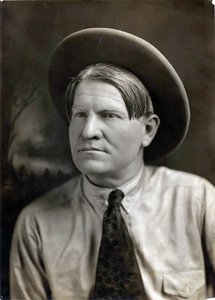
チャールズ・マリー・ラッセル
1864 - 1926 , アメリカ合衆国
基本情報
- フルネーム: チャールズ・マリオン・ラッセル
- 主な作品:
- ビッグノーズジョージ
- プレーンズの時
- ピーストーク
- ア・バッドホス
- ベリーリバーの戦い
- 出身地: セントルイス(アメリカ合衆国)
- 国籍: アメリカ合衆国
- 影響を与えた芸術家または運動: ['西部アーティスト']
- 没年月日: 1926年10月24日
- 生年月日: 1864年3月19日
- 芸術運動またはスタイル: 西部美術
関連記事

Watercolor Wonders: 10 Masterpieces That Redefined Art History | ArtsDot
Journey through 10 legendary watercolor masterpieces by Sargent, Turner & Homer! Explore iconic landscapes, portraits & floral art that redefined history. Find museum-quality reproductions and curated decor ideas at ArtsDot.com.

Ephemeral Visions: Exploring the Artistic Legacy & Contemporary Practice of Watercolor Painting
Explore the captivating world of watercolor painting! Discover its rich history, essential techniques, influential artists & collecting tips. A comprehensive guide for art enthusiasts from ArtsDot.
Charles Marion Russell: Capturing the American West Through a Romantic Lens
Explore the captivating world of Charles Marion Russell, 'the cowboy artist.' Discover his life, iconic paintings, advocacy for Native Americans, and investment potential. A guide for discerning art collectors.

Ephemeral Visions: Exploring the History & Emotional Resonance of Watercolor Painting
Explore the captivating history of watercolor painting, from ancient techniques to modern masters like Kandinsky & Blake. Discover essential artists, collecting tips & the emotional power of this luminous medium. Expert insights for art enthusiasts.

Ephemeral Visions: Exploring the Artistic Legacy & Nuances of Watercolor Painting
Explore the captivating world of watercolor painting! Discover its rich history, essential techniques, influential artists & collecting tips from art experts. A comprehensive guide for enthusiasts.

