

 プレビュー
プレビュー
 プリントを購入
 シェアする
シェアする シェアする
シェアする
 詳細を見る
詳細を見る

 ダウンロード
 似ている作品
 X線調査
X線調査 スライドショー
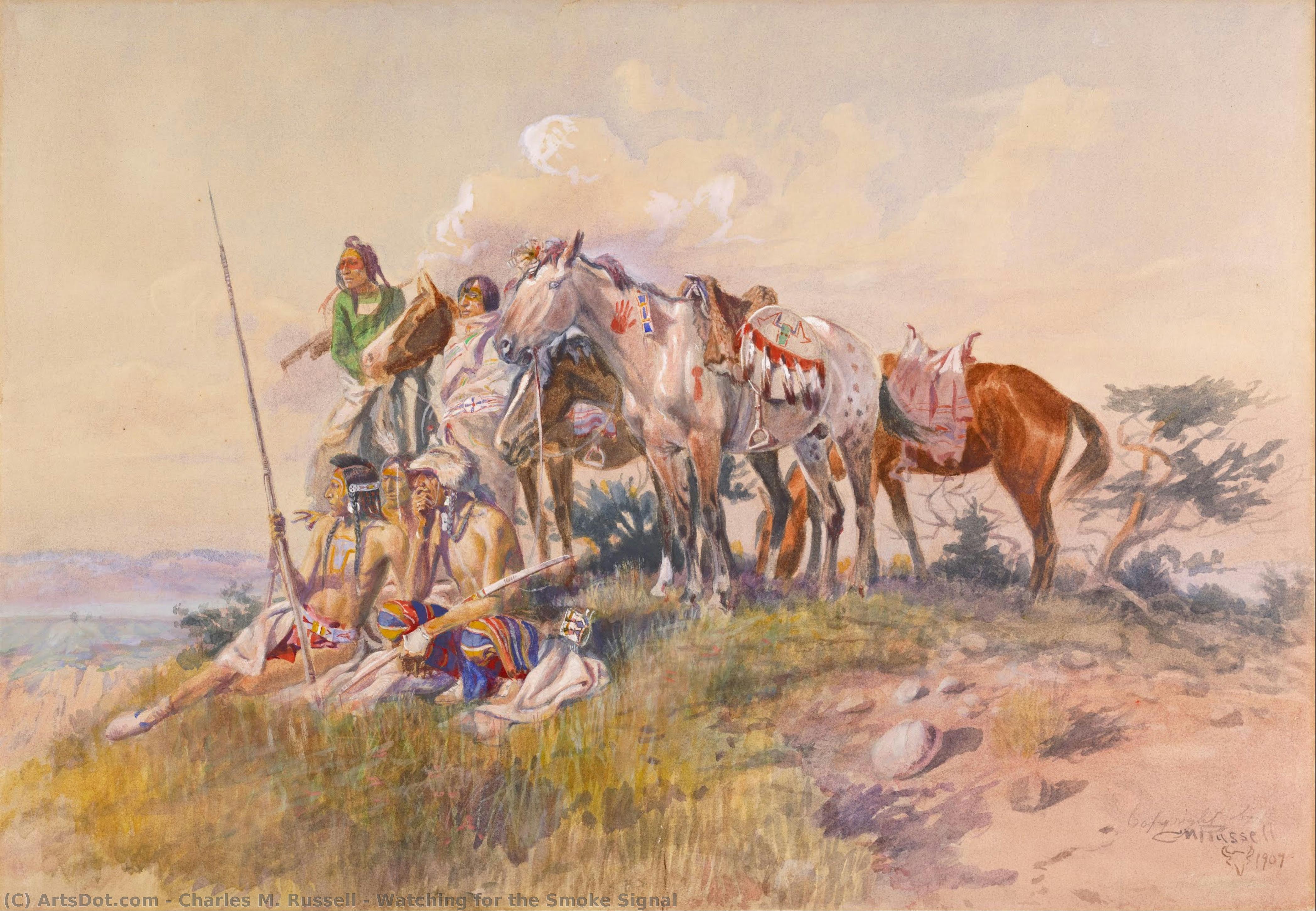
Watching for the Smoke Signal
 Acrylic On Canvas
- WallArt
- Impressionism
 1907
1907 81.0 x 55.0 cm
 Amon Carter Museum of American Art
 詳細を見る
詳細を見る




P118B $10

P118H $10

P118W $10

P438Z $10

P508JH $12

P508YH $12

P805H $10

P805Z $10

P919BZ $10

P919G $10

P919XJ $10

P959ZH $10

P968JZ $12

W106C $8

W218G $10

W218JH $8

W218Y $10

W307PJ $10

W316G $10

W316PJ $8

W316Y $10

W398PJ $8

W4111J $10

W500HY $15

W500JH $15

W692G $12

W849H $8

W940BG $15

W953PJ $8




作品のオリジナル比率に合わせた、当店の規定サイズからお選びください。

特定のフレームやスペースに合わせて、ご希望のサイズをご入力いただけます。選択されたサイズが元の画像の比率と異なる場合、アートワークをトリミングするか、手描きで要素を追加して絵画を拡張いたします。デジタルモックアップ を制作し、制作開始前にご確認(承認)をいただきます。
画面上のプレビューは、実際のトリミングや拡張を正確に反映しているものではありません。最終的な構図は、モックアップによってのみ正確にご確認いただけます。
カスタムサイズもご利用いただけますが、元の比率を維持するためには、あらかじめ用意されたリストからサイズを選択することをお勧めいたします。
ご注文後、ArtsDot.com チームより詳細な指示をお送りするとともに、仕上がりイメージ(モックアップ)をご提供いたします。


 ガラスオプションは、110cm未満のサイズでのみご利用いただけます。

Watching for the Smoke Signal
複製技法
複製画のサイズ
-


合計金額
$ 288
作品解説
Charles Marion Russell: Capturing the American West Through a Romantic Lens
Charles Marion Russell (1864-1926), affectionately known as “C.M.” or “Kid” Russell, wasn’t born into the world he would so vividly immortalize on canvas and in bronze. Born in St. Louis, Missouri, in 1864, his early life was steeped not in formal artistic training but in a consuming fascination with the American West—a realm initially experienced through stories and sketches, fueled by an almost romantic yearning for open spaces and untamed freedom. This nascent passion would eventually propel him westward, abandoning traditional schooling at sixteen to become a working cowboy in Montana’s Judith Basin. It was a bold move, a deliberate immersion into the life he so vividly imagined, and it proved pivotal in shaping his artistic vision. Russell didn't merely *depict* the West; he lived it, breathed its dust, and absorbed its rhythms. This firsthand experience would become the bedrock of his enduring legacy. For eleven years, he embraced the rugged existence of a cowboy, honing his observational skills and developing an unparalleled understanding of the natural world—a knowledge that would permeate every brushstroke of his prolific output. Russell’s artistic journey began organically, driven by a desire to capture the spirit of the frontier. Unlike many artists of his time who sought grand narratives or heroic figures, Russell focused on portraying everyday life in Montana – cowboys, Native Americans, ranchers, and landscapes rendered with breathtaking detail. His style leaned heavily into Impressionism, prioritizing atmosphere and light over precise representation. He eschewed academic conventions, favoring loose brushstrokes and vibrant color palettes that conveyed the immediacy of experience. This approach wasn’t simply stylistic; it reflected Russell's belief that art should strive to evoke emotion and capture the essence of a place—a conviction that informed his entire oeuvre. The influence of artists like Frederic Remington and Thomas Moran is palpable in his work, demonstrating Russell’s engagement with the prevailing artistic trends of the era. Yet, he forged his own distinctive path, prioritizing emotional resonance above all else. “Watching for the Smoke Signal,” painted in 1907, exemplifies this stylistic commitment perfectly. The watercolor captures a dramatic Western scene featuring Native American warriors and horses against a vast Montana horizon. Russell’s technique is characterized by washes of color blended together to create form and texture—a masterful demonstration of watercolor's ability to convey subtle gradations of tone and luminosity. Lines are soft and flowing, contributing to the overall impressionistic feel, while shapes are organic and loosely defined, mirroring the natural contours of the landscape and figures alike. The muted earth tones dominate the palette, punctuated by splashes of brighter hues—primarily reds and yellows—used for clothing and horses, enhancing visual impact and conveying a sense of dynamism. Atmospheric perspective is skillfully employed, diminishing the intensity of distant elements to create depth and reinforce the impression that the viewer is witnessing a moment frozen in time. The painting’s composition centers around the figures on horseback, arranged diagonally across the frame, guiding the eye towards the horizon—a compositional device frequently utilized by Russell to heighten visual drama. Beyond its aesthetic qualities, “Watching for the Smoke Signal” carries significant symbolic weight. The depiction of Native American warriors and horses speaks directly to Russell’s fascination with the culture and traditions of the American West, reflecting his deep respect for the resilience and spirit of those who inhabited this region before European settlement. The smoke signal itself represents communication—a crucial element in conveying information across distances and fostering understanding between cultures. Furthermore, the painting's subdued color palette evokes a mood of quiet contemplation and anticipation, mirroring the scene’s narrative focus on vigilance and observation. Russell’s masterful rendering captures not only the visual splendor of Montana but also its profound emotional impact—a testament to his ability to transform experience into enduring art. Russell’s legacy extends far beyond his paintings; he was a tireless advocate for Native American rights, actively campaigning for the establishment of the Rocky Boy Reservation and documenting the lives of tribes throughout Montana. His work continues to inspire artists and collectors alike, serving as a reminder that true artistic achievement lies in capturing not just what is seen but also what is felt—a sentiment powerfully embodied in “Watching for the Smoke Signal.”関連作品

アーティストの略歴
西部を永遠に刻んだ画家、チャールズ・マリオ・ラッセル
セントルイスで生まれ、モンタナの荒野に身を投じたチャールズ・マリオ・ラッセル(1864-1926)は、単なる画家ではなく、アメリカ西部の魂そのものを捉え、永遠に記録した人物だった。彼の作品群は、カウボーイ、ネイティブ・アメリカン、そして広大な風景を鮮やかに描き出し、西部開拓時代の精神と、そこに生きる人々の姿を深く理解していたからこそ生まれた、真実の芸術と言えるだろう。幼少期から西部への憧憬を抱き、絵筆を通して想像力を羽ばたかせたラッセルは、16歳でモンタナへと旅立ち、牧童として荒野での生活を体験することで、その後の作品に深みとリアリティをもたらしたのである。牧童の経験が育んだ芸術
ラッセルの芸術的才能が開花したのは、まさに牧童としての生活の中でだった。牛の群れを追う日々の間に、彼は周囲の風景や人々をスケッチし、その観察眼は研ぎ澄まされていった。ブランド焼き、馬の調教、野生動物との遭遇…日常の出来事を絵筆で記録していくうちに、彼の作品には単なる描写を超えた、西部開拓時代の息吹が宿るようになった。初期の作品は自然主義的な表現が特徴であり、周囲の風景や人々の細部にまで目を凝らした描写が見て取れる。彼は西部を美化したり理想化したりすることなく、その現実をありのままに捉えようとしたのだ。1893年、冬の厳しい寒さの中で苦しむ牛の姿を描いた絵葉書が評判を呼び、画家としての道を歩み始めるきっかけとなった。この出来事を機に、ラッセルは牧童からプロの画家へと転身を果たし、絵筆を通して西部開拓時代の物語を語り始めたのである。西部を舞台にした叙事詩
ラッセルの作品には、カウボーイとネイティブ・アメリカンの交流、荒野での生活、そして自然との闘いが描かれている。彼の作品は単なる風景画ではなく、それぞれの場面に物語が込められており、見る者を西部開拓時代へと誘う力を持っている。例えば、1904年の傑作「ア・バッド・ホス」は、カウボーイと暴れ馬の激しい戦いを鮮やかに描き出し、西部開拓時代の危険と興奮を体現している。また、「バトル・オブ・ベリー・リバー」(1905年)では、歴史的な出来事をドラマチックに表現し、見る者に強い印象を与える。彼の技法は時代とともに進化し、初期の写実的なスタイルから、より自由な筆致と大胆な色彩へと変化していった。ラッセルは、絵を描くことで単なる風景を記録するだけでなく、西部開拓時代の精神や人々の感情を表現しようとしたのである。芸術家としての成熟と社会への貢献
1900年にナニ Cooper と結婚したラッセルは、彼女の献身的なサポートを受けながら、芸術家として成功を収めた。ニューヨークを訪れ、経験豊富なイラストレーターたちとの交流を通して、彼の作品はさらに洗練されていった。モンタナ州グレートフォールズにある自身の工房で、彼は数千点もの作品を生み出した。ラッセルは、ネイティブ・アメリカンの文化に対する深い敬意を持ち、彼らの生活や伝統を尊重した作品を多く残している。彼は、土地を持たないチッペワ族の保留地設置運動を積極的に支援し、議会へのロビー活動にも参加するなど、社会正義にも貢献した。彼の芸術は、単なる西部開拓時代の記録にとどまらず、人種間の理解と共存を訴えるメッセージも伝えているのである。不朽の名声と遺産
チャールズ・マリオ・ラッセルは、アメリカの西部を象徴する画家として、その名声を確立した。彼の作品は、西部開拓時代のイメージを決定づけ、後世の多くの芸術家に影響を与えた。現在では、世界中の美術館や個人コレクターによって愛され、高値で取引されている。モンタナ州グレートフォールズにあるC.M.ラッセル博物館複合施設は、彼の作品と生涯を記念する場所として、多くの人々を魅了し続けている。彼の壁画「ルイス・アンド・クラークがロスの穴でインディアンに出会う」は、モンタナ州議会議事堂に展示され、アメリカの歴史における重要な瞬間を今に伝えている。ラッセルは、絵筆を通して西部開拓時代の真実を記録し、その精神と価値観を後世に伝えるという偉業を成し遂げたのである。彼の作品は、勇気、忍耐力、そして人間の不屈の精神を称え、今もなお多くの人々に感動を与え続けている。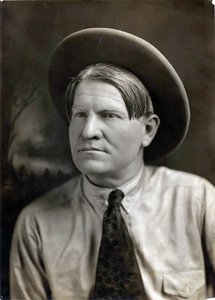
チャールズ・マリー・ラッセル
1864 - 1926 , アメリカ合衆国
基本情報
- フルネーム: チャールズ・マリオン・ラッセル
- 主な作品:
- ビッグノーズジョージ
- プレーンズの時
- ピーストーク
- ア・バッドホス
- ベリーリバーの戦い
- 出身地: セントルイス(アメリカ合衆国)
- 国籍: アメリカ合衆国
- 影響を与えた芸術家または運動: ['西部アーティスト']
- 没年月日: 1926年10月24日
- 生年月日: 1864年3月19日
- 芸術運動またはスタイル: 西部美術
関連記事
Charles Marion Russell: Capturing the American West Through a Romantic Lens
Explore the captivating world of Charles Marion Russell, 'the cowboy artist.' Discover his life, iconic paintings, advocacy for Native Americans, and investment potential. A guide for discerning art collectors.
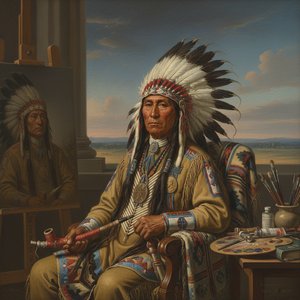
Charles Bird King: Capturing Native American Dignity Through Portraiture & Cultural Exchange
Explore the captivating portraits of Charles Bird King, renowned for his depictions of Native American leaders. Discover the historical context, artistic techniques, and collecting value of these significant 19th-century artworks.
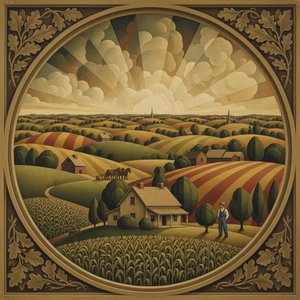
Grant Wood & American Regionalism: Identity, Myth & the Rural Landscape
Explore the world of Grant Wood & American Regionalism with ArtsDot. Discover the symbolism behind 'American Gothic', recurring themes, and the movement's lasting impact on art history. High-quality reproductions available.
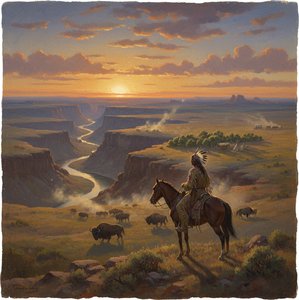
Henry Farny: Romantic Visions of the American West & Indigenous Life
Explore the evocative paintings of Henry Farny, renowned for his romantic realism & depictions of Native American life in the 19th-century West. Discover his legacy and key artworks at ArtsDot.
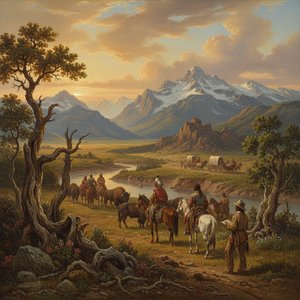
Alfred Jacob Miller: Chronicling the American West Through Artistic Observation & Narrative
Explore the captivating art of Alfred Jacob Miller, chronicler of the American West. Discover his iconic paintings, techniques & lasting legacy – a valuable addition to any serious collection. Learn more at ArtsDot.

