

 プレビュー
プレビュー
 プリントを購入
 シェアする
シェアする シェアする
シェアする
 詳細を見る
詳細を見る

 ダウンロード
 似ている作品
 X線調査
X線調査 スライドショー
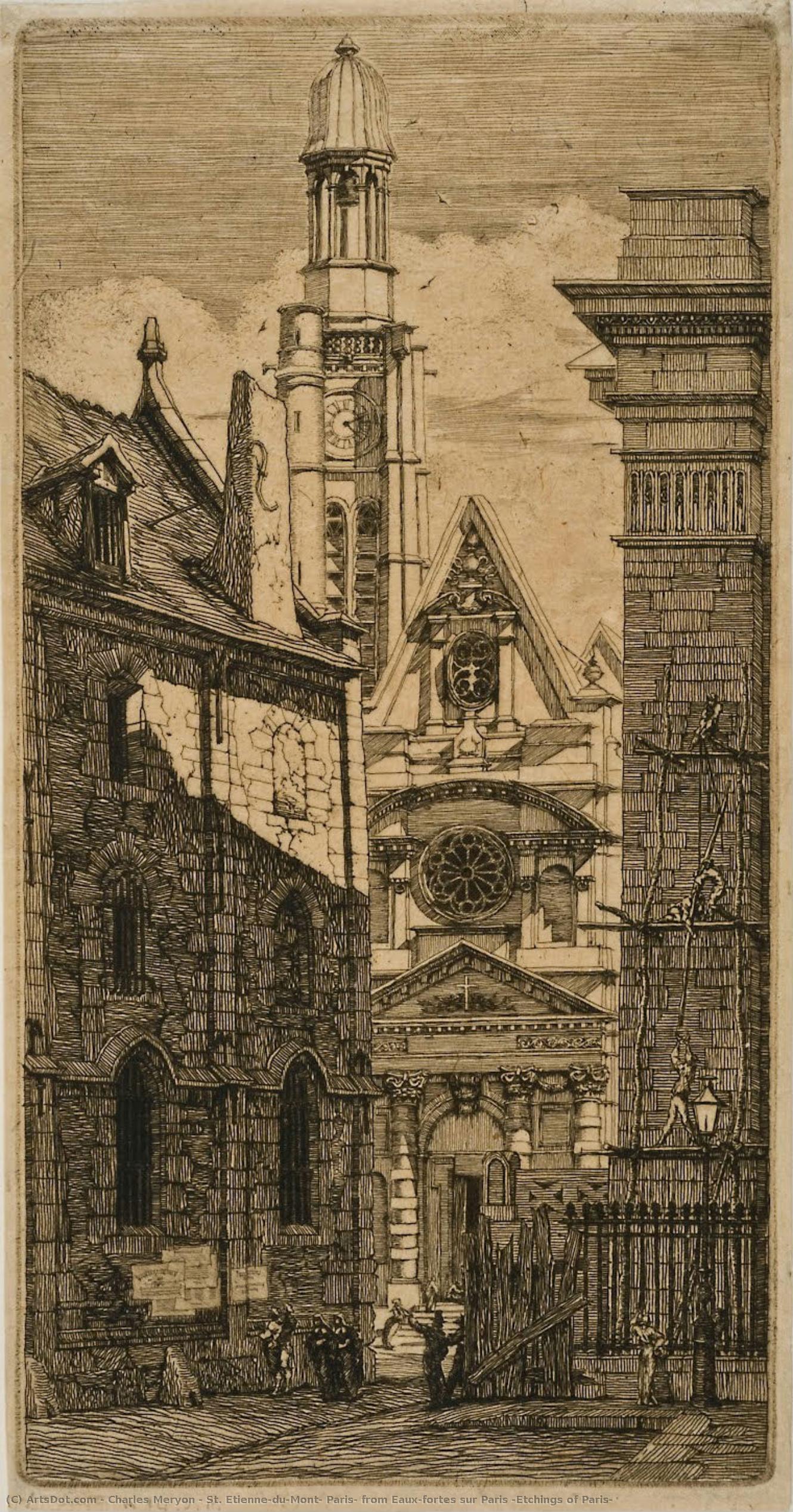
St. Etienne-du-Mont, Paris, from Eaux-fortes sur Paris (Etchings of Paris)
 Etching
- Romanticism
 1852
1852- 19th Century
 130.0 x 250.0 cm
 Toledo Museum of Art
 詳細を見る
詳細を見る




P118B $10

P118H $10

P118W $10

P438Z $10

P508JH $12

P508YH $12

P805H $10

P805Z $10

P919BZ $10

P919G $10

P919XJ $10

P959ZH $10

P968JZ $12

W106C $8

W218G $10

W218JH $8

W218Y $10

W307PJ $10

W316G $10

W316PJ $8

W316Y $10

W398PJ $8

W4111J $10

W500HY $15

W500JH $15

W692G $12

W849H $8

W940BG $15

W953PJ $8




作品のオリジナル比率に合わせた、当店の規定サイズからお選びください。

特定のフレームやスペースに合わせて、ご希望のサイズをご入力いただけます。選択されたサイズが元の画像の比率と異なる場合、アートワークをトリミングするか、手描きで要素を追加して絵画を拡張いたします。デジタルモックアップ を制作し、制作開始前にご確認(承認)をいただきます。
画面上のプレビューは、実際のトリミングや拡張を正確に反映しているものではありません。最終的な構図は、モックアップによってのみ正確にご確認いただけます。
カスタムサイズもご利用いただけますが、元の比率を維持するためには、あらかじめ用意されたリストからサイズを選択することをお勧めいたします。
ご注文後、ArtsDot.com チームより詳細な指示をお送りするとともに、仕上がりイメージ(モックアップ)をご提供いたします。


 ガラスオプションは、110cm未満のサイズでのみご利用いただけます。

St. Etienne-du-Mont, Paris, from Eaux-fortes sur Paris (Etchings of Paris)
複製技法
複製画のサイズ
-


合計金額
$ 263
作品解説
Charles Meryon’s Gothic Vision of Paris: St. Etienne-du-Mont
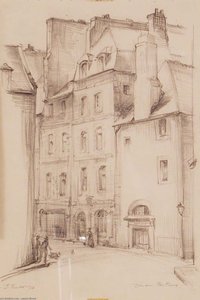
Charles Meryon's "St. Etienne-du-Mont, Paris, from Eaux-fortes sur Paris" is more than a depiction of a Parisian street; it’s a haunting meditation on the city’s soul, rendered with an almost palpable sense of melancholy and gothic grandeur. Executed in 1852 as part of his seminal series, *Eaux-fortes sur Paris*, this work captures a pivotal moment in the artist's career – a transition from naval exploration to a deeply personal and intensely evocative artistic vision. The image presents St. Etienne-du-Mont church, its towering spire dominating the composition, not as a symbol of faith but as an imposing monument to time and decay. Meryon’s meticulous attention to detail, combined with his masterful manipulation of light and shadow, creates a scene that feels both familiar and profoundly unsettling.
- Subject Matter: The artwork focuses on the iconic St. Etienne-du-Mont church in Paris, a structure steeped in history and legend.
- Date: 1852 – A crucial year for Meryon’s artistic development, marking his full commitment to etching as a primary medium.
Technique and Style: The Power of Etching
Meryon's skill lies in his extraordinary command of the etching process. *Eaux-fortes sur Paris* is not simply a drawing; it’s a complex layering of techniques, achieved through multiple plates and varying degrees of line strength. He employed drypoint, a method that produces rich, velvety textures, to capture the weathered stone of the buildings and the subtle nuances of light reflecting off their surfaces. The use of cross-hatching creates an incredible sense of depth and volume, drawing the viewer into the scene with remarkable realism. Meryon’s approach was profoundly influenced by the Romantic movement's fascination with the sublime – a feeling of awe mixed with terror in the face of nature or powerful human creations. This is evident in the way he portrays the church not as a place of worship but as an imposing, almost menacing presence.
- Medium: Etching on paper
- Technique: Meryon masterfully utilized drypoint and cross-hatching to create texture and depth.
Historical Context and Symbolism
Created during a period of rapid industrialization and social change in Paris, "St. Etienne-du-Mont" reflects a growing sense of unease about the city’s future. Meryon's work can be seen as a lament for a vanishing past – a pre-industrial Paris characterized by narrow streets, crumbling buildings, and a palpable atmosphere of mystery. The church itself holds significant symbolic weight; its imposing presence represents both spiritual faith and the enduring power of tradition in the face of modernity. The inclusion of the two figures adds to the narrative, suggesting a moment of contemplation within this historical space. The potted plants offer a small, fleeting element of natural beauty amidst the urban decay, perhaps symbolizing a yearning for tranquility.
- Historical Period: Mid-19th Century Paris – A time of significant social and industrial change.
- Symbolism: The church represents tradition and faith juxtaposed against the backdrop of a changing city.
Emotional Impact and Artistic Legacy
"St. Etienne-du-Mont" possesses a profound emotional resonance, evoking feelings of nostalgia, melancholy, and perhaps even a touch of dread. Meryon’s ability to capture not just the physical appearance of Paris but also its intangible atmosphere is what elevates this work to a truly remarkable achievement. It's a testament to his artistic vision and technical prowess, solidifying his place as one of the most important etchers of the 19th century. This reproduction offers an exceptional opportunity to experience Meryon’s genius firsthand, bringing a piece of Parisian history and gothic beauty into your home or studio.
関連作品
![Legend Of St Francis - [23] - St Francis Mourned By St Clare — ジョット, Gothic](/media/artworks/images-thumb/17/1c/171c284c41dc3ef8bca83e51c1e1e531.jpg)
アーティストの略歴
early life and naval career
charles méryon, a french artist, was born on november 23, 1821, in paris. his mother, a dancer at the paris opera, had a significant influence on his early life. méryon's colour blindness led him to pursue a naval career, which took him on extensive voyages, including a four-year tour around the world. this experience would later inspire his etched depictions of paris.artistic journey and notable works
after realizing that colour-blindness ruled out painting for him, méryon settled on etching in 1848. his most famous work is the series eaux-fortes sur paris, which powerfully conveys his distinctive gothic vision of paris. this series, executed from 1850 to 1854, includes twenty-two etchings that are now considered a testament to méryon's skill and artistry.- le stryge (the gargoyle or the vampire), 1853, is now meryon's most famous print, showcasing his mastery of the etching medium. (view on ArtsDot)
- st. etienne-du-mont, paris, from eaux-fortes sur paris, demonstrates méryon's ability to capture the essence of parisian landscapes. (view on ArtsDot)
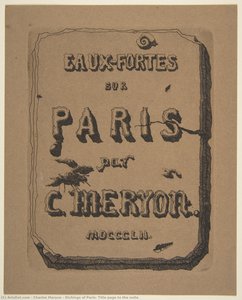
- etchings of paris; title page to the suite, housed at the metropolitan museum of art, serves as a prime example of méryon's etching prowess. (view on ArtsDot)
museums and collections featuring charles méryon's work
* the metropolitan museum of art (new york city, united states) houses several of méryon's notable etchings, including etchings of paris; title page to the suite. (view on ArtsDot) * harvard art museums (cambridge, united states) features méryon's le stryge, a testament to his skill in etching. (view on ArtsDot) discover more about charles méryon's life and work on wikipedia: read more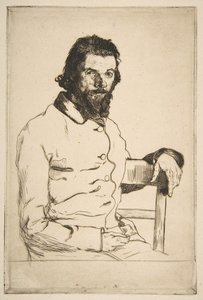
Charles Meryon
1821 - 1868 , France
基本情報
- Artistic Movement Or Style: Gothic Romanticism
- Artists Who Influenced This Artist:
- Eugène Delacroix
- Caspar David Friedrich
- Date Of Birth: November 23, 1821
- Date Of Death: February 14, 1868
- Full Name: Charles Meryon
- Nationality: French
- Notable Artworks:
- Eaux-fortes sur Paris
- Le Stryge
- St. Etienne-du-Mont
- Place Of Birth: Paris, France
関連記事
Etching Masters: 10 Legendary Prints That Revolutionized Art | ArtsDot
Journey through 10 legendary etching masterpieces by Rembrandt, Dürer & Goya. Explore the history of printmaking and discover timeless art for your home. Find museum-quality reproductions at ArtsDot.com.

Etching: A Historical Survey of Technique, Aesthetic Qualities & Enduring Artistic Significance
Explore the rich history of etching, from its origins to Rembrandt's masterful innovations. Discover the technique, aesthetic qualities & enduring legacy of this captivating art form. Expert insights for collectors and enthusiasts.
The Intricate World of Etching: A Historical Survey of Technique, Aesthetic Evolution, and Enduring Artistic Impact
Explore the rich history of etching, from its origins to modern practice. Discover techniques, key artists like Rembrandt, and insights for collectors. A comprehensive guide by ArtsDot.

エル・グレコの傑作25選:魂を揺さぶる宗教画と芸術の深淵 | ArtsDot
エル・グレコの傑作25選:魂を揺さぶる宗教画の世界へ。スペイン絵画の巨匠、マニエリスム様式と Toledo の光彩を紐解きます。ArtsDot.com で名画のアートプリントや複製画をお楽しみください。コレクションはこちら →
Urban Visions: A Historical & Artistic Exploration of the Cityscape in Painting
Explore the evolution of cityscape painting from historical maps to Impressionist masterpieces. Discover artists like Caillebotte, Utrillo & Matsumoto Shunsuke. Find museum-quality reproductions at ArtsDot.

