

 プレビュー
プレビュー
 プリントを購入
 シェアする
シェアする シェアする
シェアする
 詳細を見る
詳細を見る

 ダウンロード
 似ている作品
 X線調査
X線調査 スライドショー
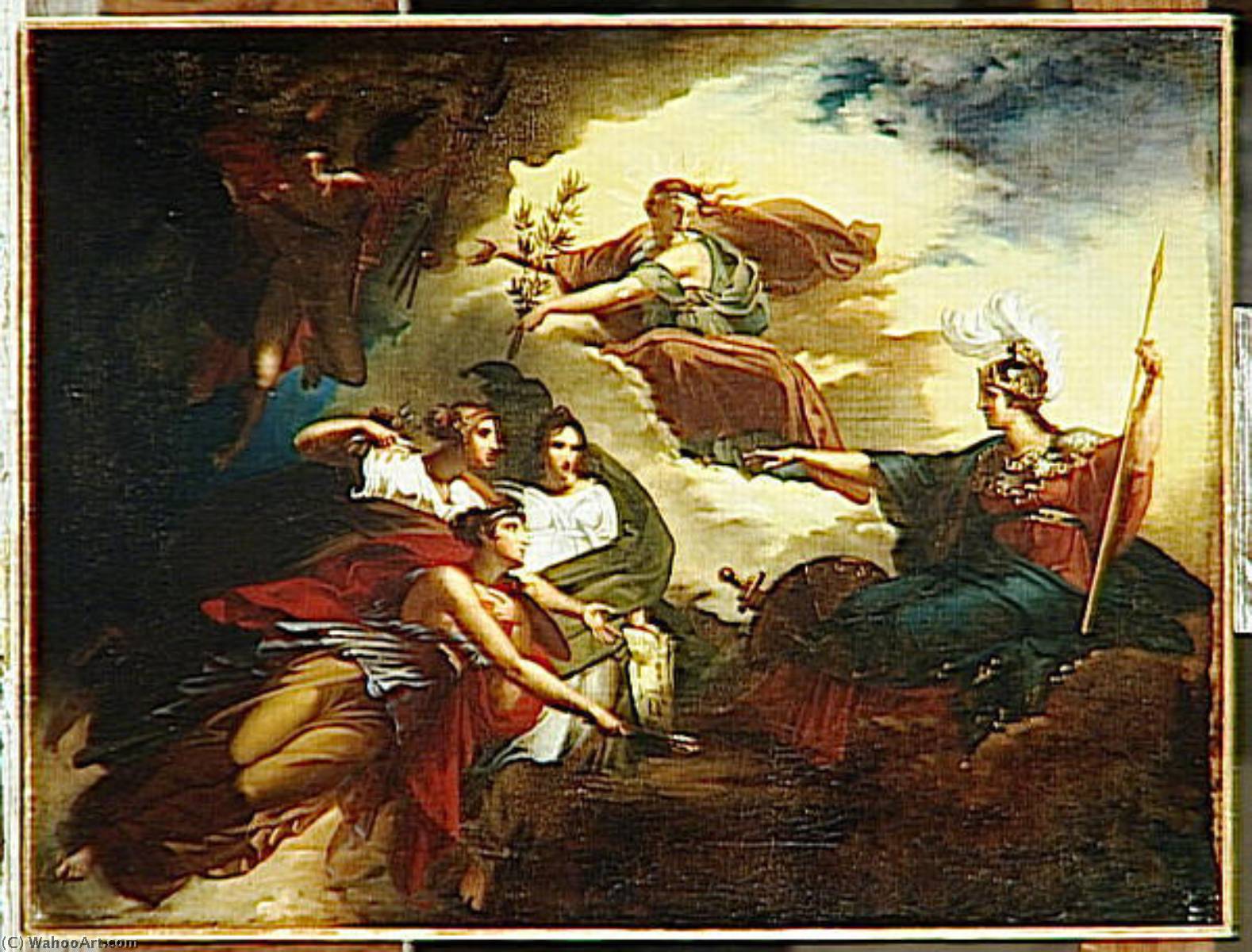
LA FRANCE SOUS LES TRAITS DE MINERVE PROTEGEANT LES ARTS


 詳細を見る
詳細を見る




P118B $10

P118H $10

P118W $10

P438Z $10

P508JH $12

P508YH $12

P805H $10

P805Z $10

P919BZ $10

P919G $10

P919XJ $10

P959ZH $10

P968JZ $12

W106C $8

W218G $10

W218JH $8

W218Y $10

W307PJ $10

W316G $10

W316PJ $8

W316Y $10

W398PJ $8

W4111J $10

W500HY $15

W500JH $15

W692G $12

W849H $8

W940BG $15

W953PJ $8




作品のオリジナル比率に合わせた、当店の規定サイズからお選びください。

特定のフレームやスペースに合わせて、ご希望のサイズをご入力いただけます。選択されたサイズが元の画像の比率と異なる場合、アートワークをトリミングするか、手描きで要素を追加して絵画を拡張いたします。デジタルモックアップ を制作し、制作開始前にご確認(承認)をいただきます。
画面上のプレビューは、実際のトリミングや拡張を正確に反映しているものではありません。最終的な構図は、モックアップによってのみ正確にご確認いただけます。
カスタムサイズもご利用いただけますが、元の比率を維持するためには、あらかじめ用意されたリストからサイズを選択することをお勧めいたします。
ご注文後、ArtsDot.com チームより詳細な指示をお送りするとともに、仕上がりイメージ(モックアップ)をご提供いたします。


 ガラスオプションは、110cm未満のサイズでのみご利用いただけます。

LA FRANCE SOUS LES TRAITS DE MINERVE PROTEGEANT LES ARTS
複製技法
複製画のサイズ
-


合計金額
$ 363
作品解説
La France Sous Les Traits De Minerve Protégeant Les Arts : Une Symphonie Néoclassique De Sagesse Et Défense
Charles Meynier’s “La France, sous les traits de Minerve protégeant les arts” stands as a testament to the fervor of the Napoleonic era and embodies the ideals of French intellectual leadership. Painted in 1819, this monumental canvas—measuring approximately 3.3 meters by 4.4 meters—dominates its space within the Musée du Louvre’s Denon Wing, specifically Salle 706, offering visitors a glimpse into a pivotal moment in artistic patronage and national identity.
- Subject Matter & Symbolism: The artwork depicts Minerva, Roman goddess of wisdom and strategic warfare—a deliberate allusion to Napoleon Bonaparte himself—protecting a constellation of figures representing the liberal arts. These include painting, sculpture, music, and literature, symbolizing France’s commitment to fostering creativity and intellectual excellence during a period marked by political upheaval and artistic revival following the tumultuous years of the Revolution.
- Composition & Style: Meynier employs a masterful pyramidal composition, anchoring Minerva at its apex and establishing a visual hierarchy that underscores her role as protector. Diagonal lines created by the chariot’s movement and the postures of the figures contribute to dynamism while maintaining balance. The painting adheres strictly to neoclassical principles—characterized by clarity, order, and idealized forms—reflecting the artistic sensibilities prevalent in France under Napoleon.
- Color Palette & Lighting: Dominated by muted hues of blue, grey, ochre, and subtle reds, the palette evokes a sense of solemn grandeur. Dramatic chiaroscuro—the interplay between light and dark—highlights Minerva’s figure and illuminates key elements within the composition, channeling divine illumination and emphasizing the importance of intellect.
- Technique & Materials: Executed in oil paint on canvas, Meynier demonstrates meticulous attention to detail, utilizing smooth brushstrokes to achieve a polished surface. The artist skillfully renders drapery and facial expressions with remarkable realism—a hallmark of neoclassical painting—demonstrating mastery over traditional artistic techniques.
- Historical Context & Significance: Commissioned by Marshal Ney for the Arsenal of Inspruck, this artwork served as a powerful emblem of Napoleon’s vision for France – one rooted in classical ideals and dedicated to safeguarding cultural heritage. Its placement within the Louvre underscores its enduring legacy as an exemplar of neoclassicism and a celebration of artistic achievement during a transformative epoch.
The painting's impact extends beyond its aesthetic qualities; it encapsulates the spirit of French intellectual ambition and serves as a reminder that art—like wisdom—must defend itself against adversity. Viewing “La France, sous les traits de Minerve protégeant les arts” is an invitation to contemplate the enduring power of artistic patronage and the importance of upholding cultural values.
関連作品
アーティストの略歴
early life and training
charles meynier, a prominent figure in the neoclassical art movement, was born in paris on november 24, 1768. initially destined for a career as a tailor by his family, meynier's inclination towards the arts led him to apprentice under pierre-philippe choffard, a renowned engraver and artist. this early training laid the groundwork for his future success.rise to prominence
meynier's breakthrough came in 1789 when, as a student of françois-andré vincent, he won the second prize in the prix de rome competition. this achievement granted him membership in the académie de france in rome, further solidifying his artistic credentials.notable works and commissions
- marshal ney and the soldiers of the 76th regiment retrieving their flags from the arsenal of inspruck, a piece that garnered significant praise at the paris salon in 1808.
- a series of drawings for bas-reliefs and sculptures to ornament the arc de triomphe du carrousel, paris, showcasing his versatility and skill.
legacy and remembrance
charles meynier passed away in paris on september 6, 1832, leaving behind a legacy of neoclassical masterpieces that continue to inspire. his work can be found in various collections, including those at https://ArtsDot.com, offering a glimpse into the artistic genius of this period. selected works at ArtsDot:- france triumphant encouraging the sciences and the arts, a painting that marked the beginning of his illustrious career.
- milo of croton, showcasing his mastery of neoclassical subjects, currently on display at the montreal museum of fine arts.
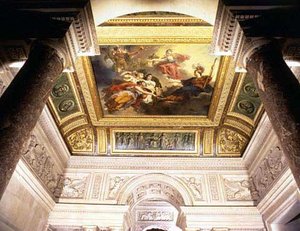
Charles Meynier
1768 - 1832
基本情報
- Artistic Movement Or Style: Neoclassical
- Artists Or Movements Influenced By This Artist: ['James Pradier']
- Artists Who Influenced This Artist:
- Pierre-Philippe Choffard
- François-André Vincent
- Date Of Birth: November 24, 1768
- Date Of Death: September 6, 1832
- Full Name: Charles Meynier
- Nationality: French
- Notable Artworks:
- Napoleon in Berlin
- Milo of Croton
- Marshal Ney...
- France Triumphant...
- Place Of Birth: Paris, France
関連記事
Charles Le Brun: Master of French Baroque Classicism & His Enduring Legacy
Explore the life & art of Charles Le Brun, master of French Baroque Classicism. Discover his royal commissions, influence on Versailles, and enduring legacy through detailed analysis & stunning artworks.
Charles-André van Loo: A Study in Rococo Portraiture & the French Court's Artistic Dynamics
Explore the elegant world of Charles-André van Loo, a master of Rococo portraiture at the French court. Discover his life, techniques, and enduring influence on 18th-century art. Hand-painted reproductions available.
Nicolas Poussin: Classicism, Allegory & Order in 17th-Century French Painting
Explore the life & work of Nicolas Poussin, a master of French Classicism. Discover his allegorical paintings, Roman influences, and enduring impact on art history. Expert analysis & insights.
Vigée Le Brun: Portraiture, Patronage & Feminine Identity in 18th-Century France
Explore the life & art of Louise Élisabeth Vigée Le Brun, Marie Antoinette’s renowned portraitist. Discover her Rococo style, self-portraits, and influence on 18th-century French painting. A deep dive into patronage & feminine identity.
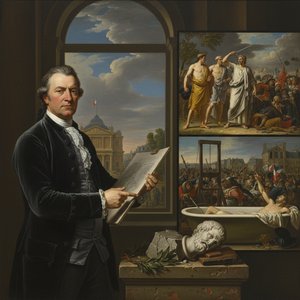
Jacques-Louis David: Neoclassical Ideals & Revolutionary Witness
Explore the life & art of Jacques-Louis David, leading Neoclassical painter of the French Revolution. Discover iconic works like 'The Death of Marat' and his lasting impact on art history. Expert analysis & high-quality reproductions at ArtsDot.

