

 プリントを購入
 シェアする
シェアする シェアする
シェアする
 詳細を見る
詳細を見る

 ダウンロード
 似ている作品
 スライドショー
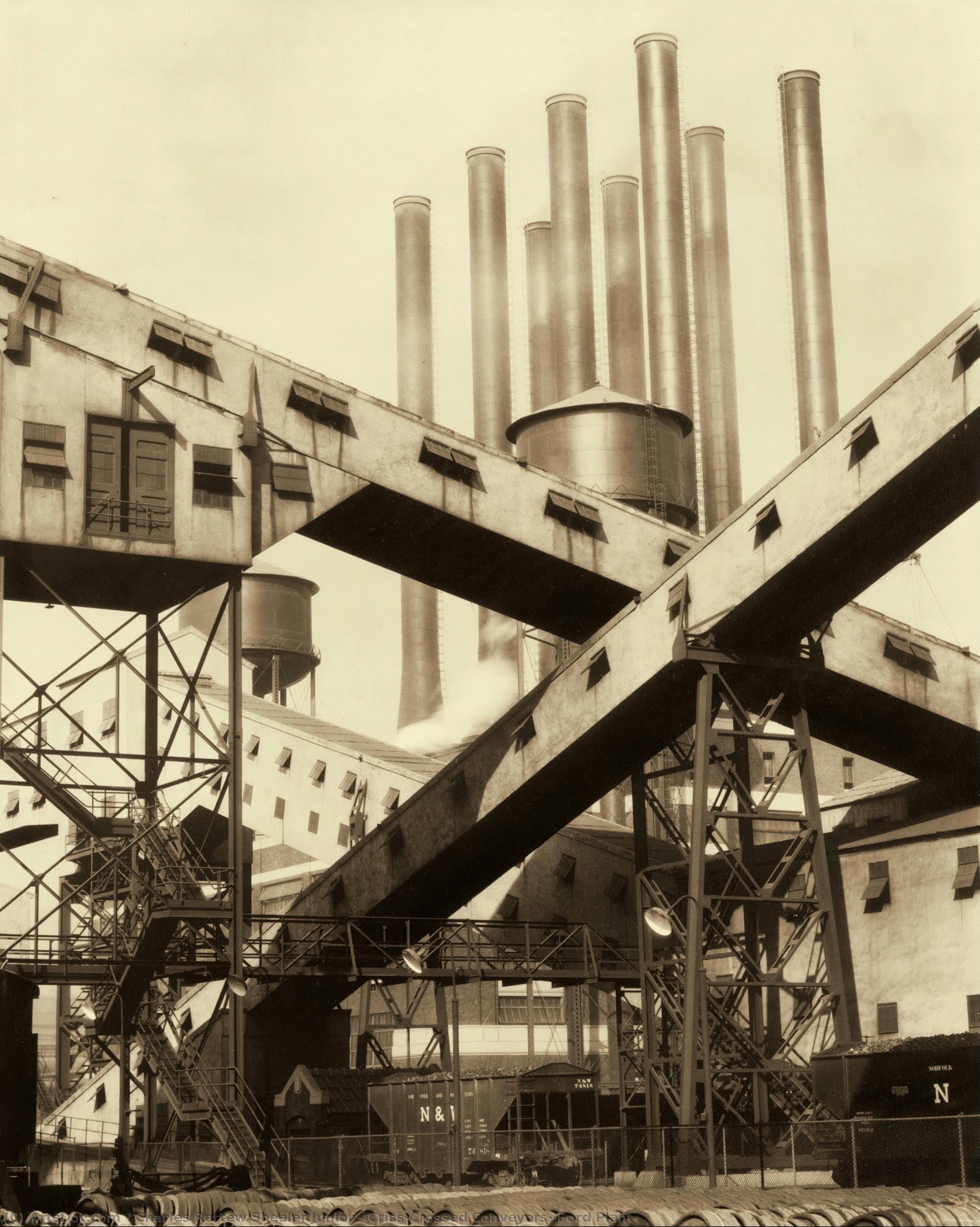
Criss-Crossed Conveyors--Ford Plant


 詳細を見る
詳細を見る




































作品のオリジナル比率に合わせた、当店の規定サイズからお選びください。

特定のフレームやスペースに合わせて、ご希望のサイズをご入力いただけます。選択されたサイズが元の画像の比率と異なる場合、アートワークをトリミングするか、手描きで要素を追加して絵画を拡張いたします。デジタルモックアップ を制作し、制作開始前にご確認(承認)をいただきます。
画面上のプレビューは、実際のトリミングや拡張を正確に反映しているものではありません。最終的な構図は、モックアップによってのみ正確にご確認いただけます。
カスタムサイズもご利用いただけますが、元の比率を維持するためには、あらかじめ用意されたリストからサイズを選択することをお勧めいたします。
ご注文後、ArtsDot.com チームより詳細な指示をお送りするとともに、仕上がりイメージ(モックアップ)をご提供いたします。


 ガラスオプションは、110cm未満のサイズでのみご利用いただけます。

Criss-Crossed Conveyors--Ford Plant
複製技法
複製画のサイズ
-


合計金額
$ 263
作品解説
The Geometry of Modern Industry
Charles Sheeler’s vision in Criss-Crossed Conveyors--Ford Plant is not merely a depiction of machinery; it is an almost ecstatic meditation on the rhythm and relentless logic of the modern industrial age. Captured in stark, evocative black and white, this photograph transports the viewer directly into the beating heart of early 20th-century American manufacturing. The composition is dominated by an intricate, dizzying network of conveyor belts—lines that crisscross at every conceivable angle and height. These metallic arteries suggest a circulatory system for goods, embodying the very pulse of progress itself. One cannot help but feel the palpable energy emanating from the scene, a testament to human ingenuity harnessed through mechanical precision.
Precisionism and the Machine Aesthetic
This work stands as a quintessential example of Precisionism, an art movement that found its perfect subject matter in the burgeoning industrial landscape. Sheeler, deeply influenced by his surroundings and his photographic explorations, elevated the mundane—the factory floor, the assembly line—to the realm of high art. The technique itself is masterful; the stark contrast inherent in black and white photography strips away the distraction of color, leaving only form, shadow, and structure. Notice how Sheeler treats these conveyors not as clutter, but as elegant, intersecting planes. They become abstract sculptures in motion, their repetitive patterns creating a mesmerizing visual rhythm that speaks to both order and overwhelming complexity.
Humanity Within the Mechanism
Yet, amidst this dazzling geometry of steel and belt, Sheeler thoughtfully includes the human element. Scattered throughout the frame are figures—workers observing or engaged in the tasks at hand. These individuals serve a crucial symbolic function. They are both participants and observers within the grand machine. Their presence grounds the abstract patterns, reminding us that while the technology is monumental, it is ultimately serving human endeavor. It prompts a contemplation: what does it mean to be a cog in such an enormous, beautiful, yet potentially dehumanizing system?
A Timeless Echo for Contemporary Spaces
For the collector or designer seeking art with intellectual weight and undeniable visual drama, this reproduction offers profound depth. While rooted in 1927 industrial life, its themes—the interplay between human effort and technological scale—remain startlingly relevant today. Imagine this piece gracing a modern loft, an executive office, or a gallery space; the stark contrast and powerful lines will anchor any interior design with a sophisticated, almost architectural gravitas. It is art that demands you slow down, look closer, and appreciate the beautiful, organized chaos of our contemporary existence.
関連作品

アーティストの略歴
生い立ちと教育
チャールズ・レットウィグ・シーラー・ジュニアは、アメリカの画家であり写真家でもあった人物で、1883年にフィラデルフィアに生を受けました。彼の芸術的探求の旅は、1900年から1903年にかけてのペンシルベニア・ミュージアム・スクール・オブ・インダストリアル・アートでの学びから始まり、その後ペンシルベニア・アカデミー・オブ・ファイン・アーツ(1903-6年)にて、デッサンと絵画の伝統的な技法を深く修めました。この厳格な教育こそが、後に彼が「プレシジョニズム(精密主義)」の先駆者として輝かしい成功を収めるための揺るぎない礎となったのです。キャリアと芸術的影響
シーラーの初期の作品には、ヨーロッパへの旅がもたらした深い精神性が宿っています。彼は中世後期のイタリア絵画に魅了され、特にジョット、マサッチョ、そしてピエロ・デラ・フランチェスカといった巨匠たちの世界に心酔しました。さらに1909年、ピカソやブラックの初期のパトロンであったマイケルとサラ・スタイン夫妻のパリの邸宅を訪れたことは、彼の表現に革命をもたらします。そこで触れたキュビスムのスタイルは、彼独自のプレシジョニズム的なアプローチへと昇華されていきました。数々の芸術運動との邂逅が、彼の視覚的言語を形作ったのです。写真とプレシジョニズムの融合
シーラーは独学で写真技術を習得し、当初は建築家のために地元の建造物を記録する活動に努めていました。やがて彼は自邸の内部をもレンズへと向け、光と影を用いて荒削りな空間に新たな命を吹き込んでいきました。この写真における探求こそが、極限の精度と正確さを追求するプレシズムニズムという独自の様式を生み出す原動力となったのです。代表作とその遺産
シーラーが残した芸術的足跡は、今なお色褪せることがありません。彼の卓越した光と構図の技術を示す作品として、「ドイルスタウンの農場の階段」が挙げられます。また、機能的なデザインの中に潜む美しさを浮き彫りにした地元の民俗建築の写真群も、彼の真骨頂といえるでしょう。彼の作品はニューヨーク近代美術館(MoMA)やメトロポリタン美術館をはじめとする世界的な展覧会で高く評価されてきました。シーラーの遺産は、単なる個人の作品に留まらず、後世のアーティストや写真家たちに多大な影響を与え続けています。ArtsDot.comでさらに詳しく探る
- シーラーの作品集を見る: https://AllPaintursosStore.com/@/charles-rettew-sheeler-junior
- 他のプレシジョニズムの芸術家を発見する: /ja/art/show/art-93pvdx-ja/
- 1883年7月16日: ペンシルベニア州フィラデルフィアにて誕生
- 1965年5月7日: ニューヨーク州ドブスフェリーにて逝去
参考文献
- メトロポリタン美術館: チャールズ・シーラー (1883–1965)
- Wikipedia: チャールズ・シーラー ### ArtsDot.comからのリンク: - /ja/art/list/ - https://ArtsDot.com/@/charles-rettew-sheeler-junior
チャールズ・シーラー
1883 - 1965
基本情報
- Artistic Movement Or Style: プレシジョニズム
- Artists Or Movements Influenced By This Artist: ['キュビスム']
- Artists Who Influenced This Artist:
- ジョット
- マサッチオ
- ピエロ・デッラ・フランチェスカ
- Date Of Birth: 1883年7月16日
- Date Of Death: 1965年5月7日
- Full Name: チャールズ・レッテウ・シーラー・ジュニア
- Nationality: アメリカ
- Notable Artworks:
- 農場の階段、ドイルスタウン
- 祝祭の積み藁
- 農舎をテーマに -2
- Place Of Birth: ペンシルベニア州フィラデルフィア
関連記事

Charles Sheeler Jr.: Precisionism, Industrial Aesthetics & the American Modernist Vision
Explore the groundbreaking work of Charles Sheeler Jr., a pivotal figure in American Precisionism. Discover his iconic industrial landscapes, photographic studies & lasting influence on modernist art. Expert insights for collectors.

Monochrome Visions: Exploring the Aesthetic & Historical Significance of Black & White Photography
Explore the rich history & artistic power of black and white photography. From early techniques to iconic masters like Ansel Adams, discover why monochrome continues to captivate art lovers today. Expert insights for collectors.

Pictorialism: A Search for Artistic Photography's Soul – Aesthetics, Techniques & Legacy
Explore the captivating world of Pictorialism – a pivotal movement that transformed photography into fine art. Discover key artists like Stieglitz & Käsebier, techniques, and collecting tips from experts.

Beyond the Lens: Photography's Enduring Influence on Modern & Contemporary Art
Explore photography's pivotal role in shaping modern & contemporary art. Discover key movements, influential artists like Stieglitz, and expert collecting advice from ArtsDot.

Giclée Prints: Archival Quality & Aesthetic Nuances for the Discerning Collector
Explore the world of giclée prints with ArtsDot. Learn about archival quality, aesthetic nuances & investment potential. Expert guidance for discerning art collectors seeking museum-quality reproductions and lasting value.

