

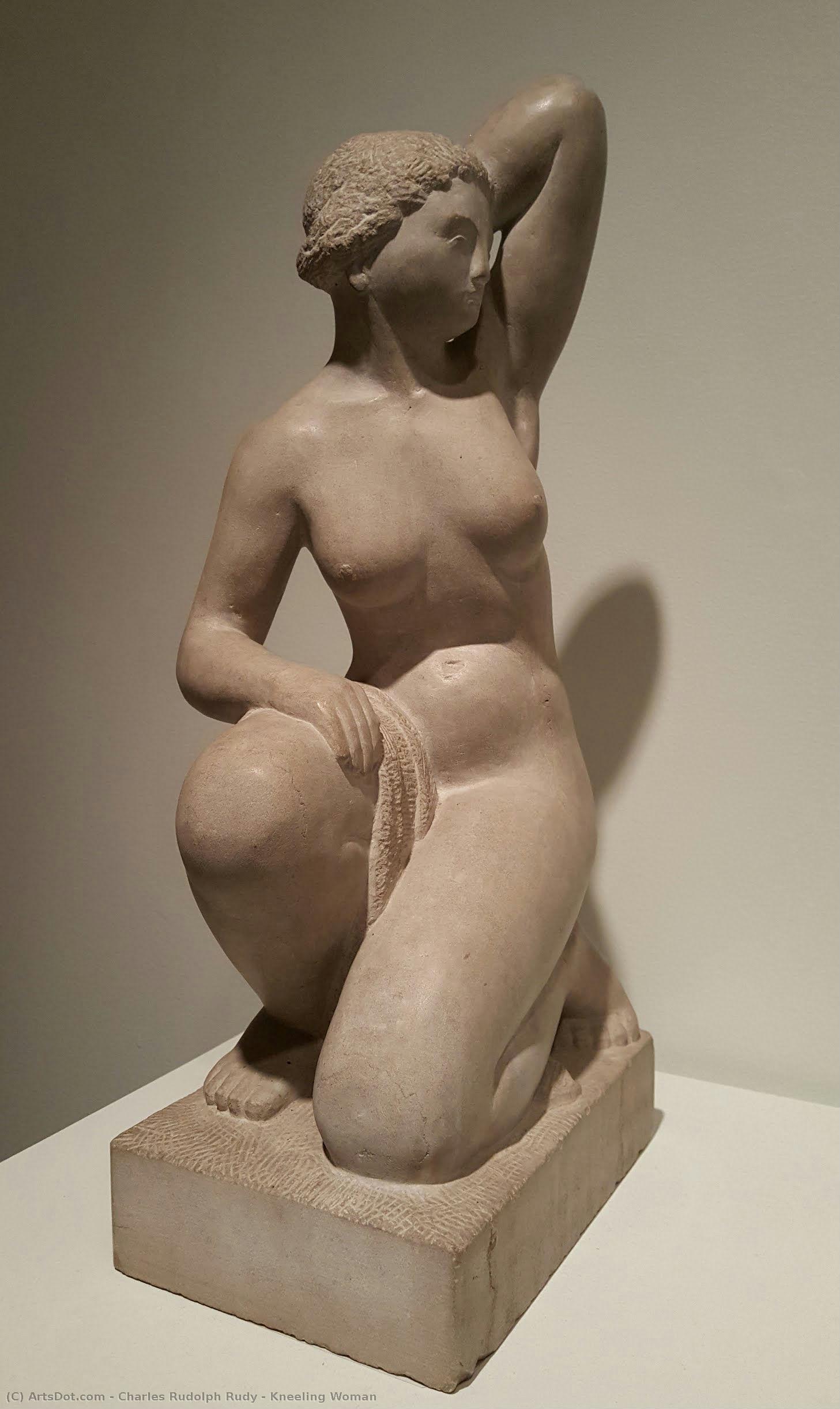
 プレビュー
プレビュー
 シェアする
シェアする シェアする
シェアする
 詳細を見る
詳細を見る

 ダウンロード
 似ている作品
 X線調査
X線調査 スライドショー
 Stats
StatsKneeling Woman

 詳細を見る
詳細を見る
オンラインプレビューをはるかに凌ぐ、高解像度で鮮明なデジタル画像をご購入いただけます。
各ファイルは、社内の専門家が高度なツールと熟練した手作業によるレタッチを用いて、細心の注意を払って準備されています。すべての画像において、卓越した鮮明度、正確な色彩再現性、そして繊細なディテールを保証いたします。
最終ファイルは、プロフェッショナルな編集・印刷環境ですぐにご利用いただけるよう最適化された状態で、72時間以内にメールにてお届けいたします。これは、一流のデザインスタジオ、出版社、ギャラリーから信頼されているものと同等の品質です。
デジタルアート
個人での鑑賞、印刷、クリエイティブなプロジェクト用に、高解像度ファイルをダウンロードできます。 ( Switch to Print 手描きの絵画を購入)
デジタル画像のご注文に付随する特典
高品質なデジタル画像配信を、確かな品質で。
ArtsDot.com を選ぶことは、単に画像を手に入れることではありません。それは、プロの手によって精密に仕上げられ、満足保証が付いた高品質なデジタルアートワークを受け取ることを意味します。ご注文いただいた際に自動的に付随する内容は、以下の通りです:

メールですぐにお届け
ご注文から72時間以内に、高解像度のデジタル画像ファイルがメールでお手元に届きます。すぐにそのままご利用いただけます。

AI技術で最適化されたデジタルファイル
お客様の作品は、高度なAIツールと専門家による手作業の編集を組み合わせてプロフェッショナルに最適化されており、細部のディテール、鮮明さ、そして正確な色再現性を最大限に引き出しています。

一生涯無料の再送サービス
ファイルを誤って削除したり、紛失してしまったりしましたか?ご安心ください。いつでも無料で再送いたします。

輸入手数料は一切かかりません
関税や手数料、配送料を気にすることなく、お気に入りのアートワークをすぐにお楽しみいただけます。デジタルダウンロードは常に免税です。

色彩再現の保証
プロ仕様のツールとカラーマネジメント技術を用いることで、デジタル画像が元の色を最大限に忠実に再現することを保証いたします。

100日間満足保証
ご購入いただいたデジタル画像にご満足いただけない場合は、100日以内であれば、理由を問わず修正または100%の返金対応をさせていただきます。

100% 返金保証
ご満足いただけない場合は、デジタルファイルを受け取ってから100日以内であれば、理由を問わず全額返金いたします。

まとめ買い割引
3枚購入で10%OFF - 5枚購入で15%OFF - 10枚以上購入で20%OFF。クリエイティブなプロジェクト、ギャラリー、エージェンシーに最適です。
関連作品









作家の略歴
Willem de Kooning: A Life in Fragments
Born April 24, 1904, in Rotterdam, the Netherlands, Willem de Kooning’s life was a complex tapestry woven from ambition, self-doubt, and an unrelenting pursuit of artistic expression. His early years were marked by a profound sense of displacement – his family moved to the United States when he was just two, settling in Trenton, New Jersey. This transatlantic shift profoundly shaped his identity, fostering a lifelong negotiation between European heritage and American experience. De Kooning’s childhood wasn't one of idyllic comfort; it was characterized by financial struggles and a pervasive atmosphere of insecurity, contributing significantly to the often-anxious quality evident in much of his work.
Despite these challenges, de Kooning possessed an exceptional intellect and a fierce determination. He initially enrolled at Columbia University, pursuing pre-medical studies while simultaneously immersing himself in the burgeoning art scene of New York City. It was here, amidst the vibrant energy of the 1920s and 30s, that he began his artistic journey, apprenticing under Gutzon Borglum and studying with Onorio Ruotolo at the Leonardo da Vinci School of Art. This early exposure to diverse artistic techniques—from classical sculpture to avant-garde painting—laid the foundation for his eclectic style.
- Early Influences: De Kooning’s work was profoundly influenced by European movements like Cubism and Surrealism, as well as the American Regionalist movement.
- Key Periods: His career can be broadly divided into several distinct periods: early figurative works (1920s-30s), a period of abstraction (1940s-50s), and a return to figuration with increasingly expressive and often unsettling imagery (late 1950s-70s).
The Rise of Abstraction and the “Woman” Series
The mid-1940s marked a pivotal shift in de Kooning’s artistic trajectory. Influenced by the rise of Abstract Expressionism, he began to experiment with increasingly abstract forms, rejecting traditional representational techniques. This period is particularly well-documented through his iconic “Woman” series (1950-53), a collection of large-scale paintings that ignited considerable controversy and critical debate. These works, characterized by their fragmented figures, distorted anatomy, and aggressive brushstrokes, challenged conventional notions of beauty and femininity.
The “Woman” paintings were not simply abstract compositions; they were intensely personal explorations of the artist’s own anxieties and insecurities. De Kooning himself famously stated, "I don't know what it is, but I paint it," reflecting a deliberate rejection of easy interpretation. Critics initially dismissed the series as vulgar and misogynistic, yet over time, they have come to be recognized as groundbreaking works that pushed the boundaries of artistic expression.
- “Woman I” (1950-53): This monumental canvas is arguably de Kooning’s most famous work, a chaotic and unsettling depiction of a female figure.
- Critical Reception: The “Woman” series sparked intense debate among critics and the public, with some viewing it as a celebration of female power and others as a brutal assault on femininity.
Waves, Excavation, and Late-Career Explorations
Following the tumultuous period surrounding the “Woman” series, de Kooning continued to explore a wide range of subjects and techniques throughout the 1950s and 60s. His prints, particularly his “Waves” series (1953), demonstrated his mastery of printmaking, capturing the dynamic energy of the ocean with remarkable precision and emotional intensity. These works showcased his ability to translate complex visual information into a concise and evocative format.
In the late 1950s and early 1960s, de Kooning returned to figuration, producing powerful paintings like “Excavation” (1955), a chaotic and fragmented depiction of a nude female figure. This work, along with others from this period, revealed a deeper level of psychological complexity and emotional vulnerability than his earlier abstract works. He continued to experiment with color, texture, and composition, creating paintings that were both visually arresting and emotionally resonant.
- “Excavation” (1955): This painting is considered a landmark work of Abstract Expressionism, characterized by its dynamic composition and fragmented imagery.
- Late-Career Works: De Kooning’s later paintings often featured distorted figures, ambiguous narratives, and a palpable sense of unease.
Legacy and Influence
Willem de Kooning died on February 18, 1990, leaving behind a vast and influential body of work. His innovative approach to painting—combining abstraction and figuration, embracing chance and spontaneity, and confronting difficult emotional truths—has had a profound impact on generations of artists. He is remembered as one of the most important American painters of the 20th century, whose work continues to challenge and inspire viewers today.
De Kooning’s legacy extends beyond his individual paintings; he played a crucial role in shaping the development of Abstract Expressionism and influencing subsequent movements such as Neo-Expressionism. His willingness to experiment, his uncompromising artistic vision, and his profound understanding of the human condition ensure that his work will continue to be studied and appreciated for years to come.
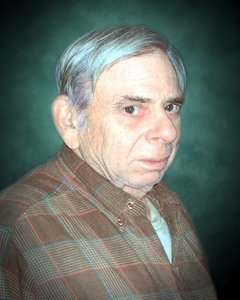
charles rudolph rudy
1904 - 1986 , United States of America
プロフィール概要
- Artistic Movement Or Style: Surrealism
- Artists Or Movements Influenced By This Artist: ['Surrealism']
- Artists Who Influenced This Artist: ['Constantin Brancusi']
- Date Of Birth: May 11, 1904
- Date Of Death: January 23, 1989
- Full Name: Salvador Felipe Jacinto Dalí y Domenech
- Nationality: Spanish
- Notable Artworks:
- An Andalusian Dog
- The Golden Age
- Persistence of Memory
- Place Of Birth: Figueras, Spain