

 プレビュー
プレビュー
 シェアする
シェアする シェアする
シェアする
 詳細を見る
詳細を見る

 ダウンロード
 似ている作品
 X線調査
X線調査 スライドショー
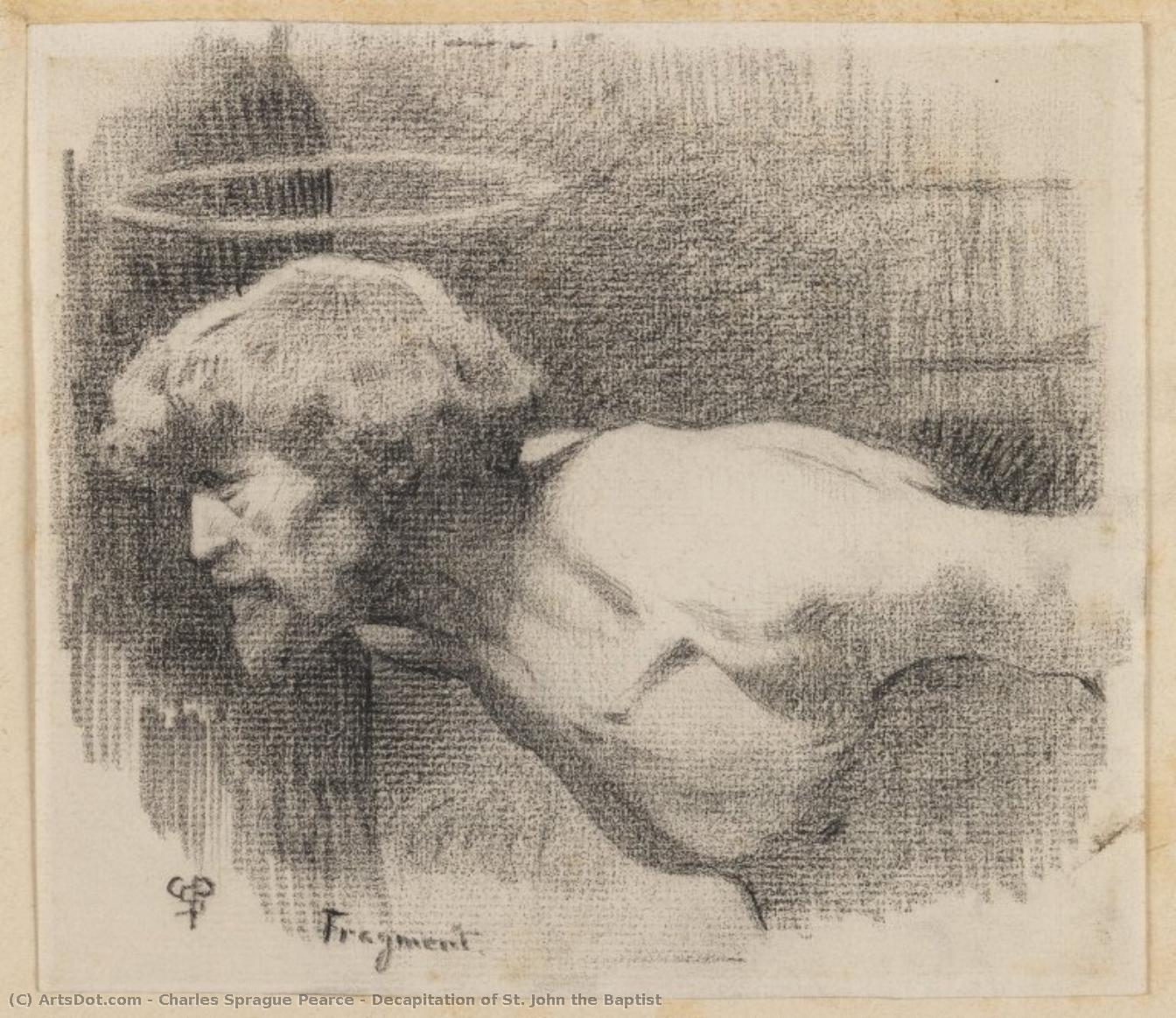
Decapitation of St. John the Baptist
 Acrylic On Canvas
- WallArt
- Realism
 1883
1883 18.0 x 16.0 cm
 ブルックリン美術館
 詳細を見る
詳細を見る
ジークレー/アートプリント
迅速な制作と多彩な仕上げオプションを備えた、ミュージアムクオリティのジークレーまたはキャンバスプリント。 ( 手描きの絵画を購入 画像を購入)




P118B $10

P118H $10

P118W $10

P438Z $10

P508JH $12

P508YH $12

P805H $10

P805Z $10

P919BZ $10

P919G $10

P919XJ $10

P959ZH $10

P968JZ $12

W106C $8

W218G $10

W218JH $8

W218Y $10

W307PJ $10

W316G $10

W316PJ $8

W316Y $10

W398PJ $8

W4111J $10

W500HY $15

W500JH $15

W692G $12

W849H $8

W940BG $15

W953PJ $8




作品のオリジナル比率に合わせた、当店の規定サイズからお選びください。

特定のフレームやスペースに合わせて、ご自身でサイズを指定することも可能です。選択されたサイズが元の画像の比率と一致しない場合、作品をトリミングするか、鏡面反射または単色での塗りつぶしによって画像を拡張いたします。制作を開始する前に、ご確認用のデジタルモックアップをお送りいたします。
画面上のプレビューには、実際のトリミングや拡張は反映されませんのでご注意ください。最終的な構図を正確に確認できるのは、モックアップのみとなります。
カスタムサイズも承っておりますが、元の比率を維持するためには、あらかじめ用意されたリストからサイズを選択することをお勧めいたします。


 ガラスオプションは、110cm未満のサイズでのみご利用いただけます。

Decapitation of St. John the Baptist
ジークレー/アートプリント
複製画のサイズ
-


合計金額
$ 62
A Moment Frozen in Line: Exploring Pearce’s “Decapitation of St. John the Baptist”
Charles Sprague Pearce's 1883 pencil drawing, "Decapitation of St. John the Baptist," isn’t merely a depiction of a biblical event; it’s a visceral exploration of suffering, faith, and the raw intensity of human experience. Born in Boston during a period when American artists were increasingly drawn to European artistic traditions, Pearce masterfully blended academic precision with an emerging interest in Symbolism, creating a work that resonates powerfully even today. The piece immediately commands attention not through vibrant color – it’s rendered entirely in monochrome – but through its remarkable textural complexity and the palpable sense of drama it conveys.
The subject itself, the beheading of St. John the Baptist, is steeped in religious significance. The event, recounted in both the New Testament Gospels and Jewish historical accounts, represents a profound sacrifice and a testament to unwavering faith. Pearce doesn’t shy away from the brutality of the scene; instead, he focuses on capturing the immediate aftermath – the stunned horror, the lingering pain, and the quiet dignity of the saint's final moments. The composition is deliberately dynamic, with John’s head and torso angled diagonally across the frame, pulling the viewer directly into the heart of the tragedy. This isn’t a sanitized illustration; it’s an intensely personal encounter with a pivotal moment in Christian history.
The Language of Line: Technique and Style
Pearce's technique is utterly captivating. He employs a masterful use of hatching, cross-hatching, and stippling to build up form and create a remarkable range of tonal values within the monochrome palette. The lines aren’t simply outlines; they are imbued with movement and texture, suggesting the weight of flesh, the flow of blood, and the desperate struggle for survival. The artist's hand is clearly visible in every stroke, lending the work an intimate and immediate quality. There’s a deliberate roughness to the execution – a sense that this isn’t a carefully polished academic study but rather a deeply felt expression of emotion.
- Dry Pencil Drawing: The primary medium is dry pencil, emphasizing line as the defining element.
- Hatching and Cross-Hatching: These techniques create depth, texture, and tonal variation.
- Expressive Line Work: The lines themselves convey emotion – tension, pain, and a quiet acceptance of fate.
A Window into the 1880s: Context and Symbolism
“Decapitation of St. John the Baptist” was created in 1883, a time when European artistic movements like Impressionism and Symbolism were profoundly influencing American artists. Pearce’s work reflects this influence, particularly in its focus on emotional intensity and its willingness to explore darker themes. The image itself is rich with symbolism. John's head, presented with stark realism, represents not just physical death but also the loss of innocence and the triumph of evil. The act of decapitation symbolizes sacrifice and martyrdom – a potent reminder of the cost of faith. Furthermore, the composition’s diagonal thrust creates a sense of instability and unease, mirroring the emotional turmoil of the scene.
Beyond the Canvas: Reproduction and Legacy
Reproductions of “Decapitation of St. John the Baptist” offer a remarkable opportunity to experience Pearce's artistic vision firsthand. The intricate detail and expressive power of the original are faithfully captured in high-quality reproductions, making it an ideal addition to any art collection or interior space. The work’s enduring appeal lies not only in its historical significance but also in its timeless exploration of human suffering and resilience. It serves as a poignant reminder of the complexities of faith, sacrifice, and the enduring power of artistic expression.
関連作品
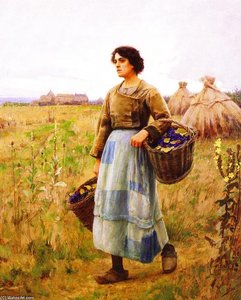
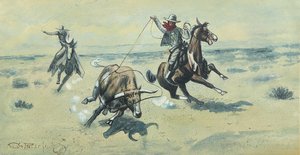

アーティストの略歴
光と影に浸された生涯:チャールズ・スプラーグ・ピアースの世界
1851年10月13日、ボストンに生を受けたチャールズ・スプラーグ・ピアースは、アメリカ美術史における極めて重要な転換期に、その名を刻む存在となりました。当時の芸術家たちは、自国の境界を越え、とりわけフランスの活気に満ちた芸術的風景の中にインスピレーションを求めるようになっていました。伝統からの急進的な決別を選んだ同時代の画家たちとは異なり、ピアースはアカデミックな精密さと、印象派や象徴主義へと向かう進化し続ける感性を巧みに融合させる独自の道を切り拓きました。彼の幼少期は豊かな文化に彩られていました。中国磁器の商人を務めていた父の影響により、エキゾチックな美学と細部への緻密なこだわりがその身に深く刻み込まれたのです。これらの資質は、後に彼の芸術的ビジョンを形作る決定的な要素となりました。当初は父の跡を継ぐことが期待されていましたが、ピアースは抗いがたい絵画への情熱を感じ、1873年にパリへと渡ります。この決断が、彼の人生の軌道を永遠に変えることとなったのです。パリでの研鑽と東洋からの影響
パリへの到着は、ピアースにとって決定的な転換点となりました。彼は、厳格な技法と古典的な主題を重視した高名なアカデミック画家、レオン・ボナールの名高いアトリエに入門しました。この正統な教育を通じて、ピアースは素描、構図、そして油彩画の習熟における強固な基礎を築きました。しかし、彼の芸術的な好奇心は、スタジオの境界を遥かに超えて広がっていました。病による旅がきっかけとなり、1874年にはエジプトへ、続いてアルジェリアでの冬を過ごすことになります。これらの旅は彼に変容をもたらしました。鮮やかな文化、異国情緒あふれる風景、そして眩いばかりの光と色彩に触れたのです。こうした経験の影響は、北アフリカの情景を驚くべき細部と大気的な深みをもって描いた初期作品に顕著に表れています。彼は単に目にしたものを記録したのではなく、その場所が持つ「感覚」をキャンバスへと翻訳し、独自の個性の本質を捉えようとしたのです。また、この時期にはジャポニスム――日本美術に対するヨーロッパの熱狂――とも関わりを持ち、その美学的な要素を自身の構図の中に繊細に取り入れるようになりました。歴史画から農村の生活へ
初期の作品、『聖ヨハネの斬首』(1881年)に見られるように、当初は歴史的・聖書的な主題に惹かれていたピアースでしたが、その芸術的焦点は次第に風俗画へと移り変わっていきました。特に1880年代にオーヴェール=シュル=オワーズに定住して以降、その傾向は顕著になります。ヴィンセント・ヴァン・ゴッホをはじめとする芸術家たちの聖地であったこの村は、ピアースに農民の生活のリズムと触れ合い、彼らの日常に内在する尊厳と苦難を捉える機会を与えました。『水汲み女(Porteuse d’eau)』や『心の痛み(Peines de Coeur)』といった作品はこの時期を象徴しており、ありふれた瞬間の中に深い感情的な響きを吹き込む彼の卓越した手腕を示しています。これらは単なる農村生活の描写ではありませんでした。労働、喪失、そして回復力という普遍的なテーマに立ち向かう個人を描いた、共感に満たされた肖像画だったのです。彼はこれらの作品で高い評価を受け、1883年のサロンでは『水汲み女』によって第三等メダルを授与されました。様式の統合と不朽の遺産
ピアースの芸術的な旅は、多様な影響を実験し、統合しようとする驚くべき意欲によって特徴づけられます。彼はアカデミックなリアリズム、印象派的な技法、そして勃興しつつあった象徴主義運動の間を巧みに泳ぎ、容易に分類できない独自のスタイルを確立しました。後期の作品では、キリスト教の神話や伝承から引き出された、象徴的なイメージや寓意的な主題への関心の高まりが見て取れます。この統合は、アメリカ議会図書館のトーマス・ジェファーソン・ビルディングにおける壁画制作において特に顕著であり、装飾的な要素と物語的な場面を巧みに融合させています。主要作品と評価
- Le Retour du Troupeau(群れの帰還)、オーヴェール=シュル=オワーズ美術館所蔵。
- Solitude(孤独)、スミソニアン・アメリカン・アート・ミュージアム所蔵。
- Paul Wayland Bartlett(ポール・ウェイランド・バートレット)、スミソニアン・アメリカン・アート・ミュージアム展示。
- Heartbreak(心の痛み/Peines de Coeur)、農村生活を痛切に描いた作品。
- Home From the Fields(野からの帰宅)、彼の印象派的なスタイルを示す作品。
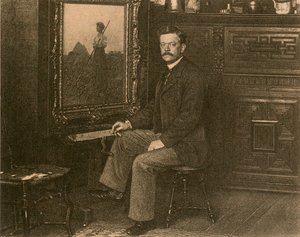
チャールズ・スプレーグ・ピアース
1851 - 1914 , アメリカ合衆国
基本情報
- Artistic Movement Or Style: アカデミック絵画
- Artists Who Influenced This Artist: ['レオン・ボナ']
- Date Of Birth: 1851年10月13日
- Date Of Death: 1914年5月18日
- Full Name: チャールズ・スプラーグ・ピアース
- Nationality: アメリカ
- Notable Artworks:
- Le Retour du Troupeau (群れの帰還)
- Solitude (孤独)
- Paul Wayland Bartlett (ポール・ウェイランド・バートレット)
- Heartbreak (悲痛)
- Home From the Fields (野からの帰宅)
- Place Of Birth: アメリカ合衆国、ボストン
関連記事

ジョン・コンスタブルの傑作25選:英国風景画の巨匠が描く自然と光の詩 | ArtsDot
ジョン・コンスタブルの傑作25選。英国風景画の巨匠が描く自然と光の詩の世界へ。ロマン主義を代表する絵画、デダム・ヴェールやヘイ・ウェインなど、ArtsDotで高品質なアートプリントをお楽しみください。インテリアに深みと感動を。コレクションはこちら。
ジョン・シンガー・サージェント:至高の25選 - 美と光の肖像画の世界 | ArtsDot
ジョン・シンガー・サージェントの至高の25選。肖像画、写実主義、光と影の表現が美しい作品群を紐解きます。マダムXや少女の肖像など、時代を超えて愛される名作をArtsDotで鑑賞。高品質なアート複製で、お部屋に美術館のような空間を。今すぐコレクションをご覧ください。
エル・グレコの傑作25選:魂を揺さぶる宗教画と芸術の深淵 | ArtsDot
エル・グレコの傑作25選:魂を揺さぶる宗教画の世界へ。スペイン絵画の巨匠、マニエリスム様式と Toledo の光彩を紐解きます。ArtsDot.com で名画のアートプリントや複製画をお楽しみください。コレクションはこちら →
Gwen John: Intimacy, Modernity & the Quiet Power of Welsh Portraiture
Explore the captivating world of Gwen John, a pioneering Welsh artist renowned for her intimate portraits & subtle style. Discover her life, legacy, and how to bring her timeless beauty into your home with ArtsDot.
John Frederick Lewis: Orientalism, Detail & Genre Painting in 19th-Century British Art
Explore the captivating Orientalist paintings of John Frederick Lewis! Discover his mastery of detail, genre scenes & influence on 19th-century British art. Learn about his life, techniques & legacy at ArtsDot.