

 プレビュー
プレビュー
 シェアする
シェアする シェアする
シェアする
 詳細を見る
詳細を見る

 ダウンロード
 似ている作品
 X線調査
X線調査 スライドショー
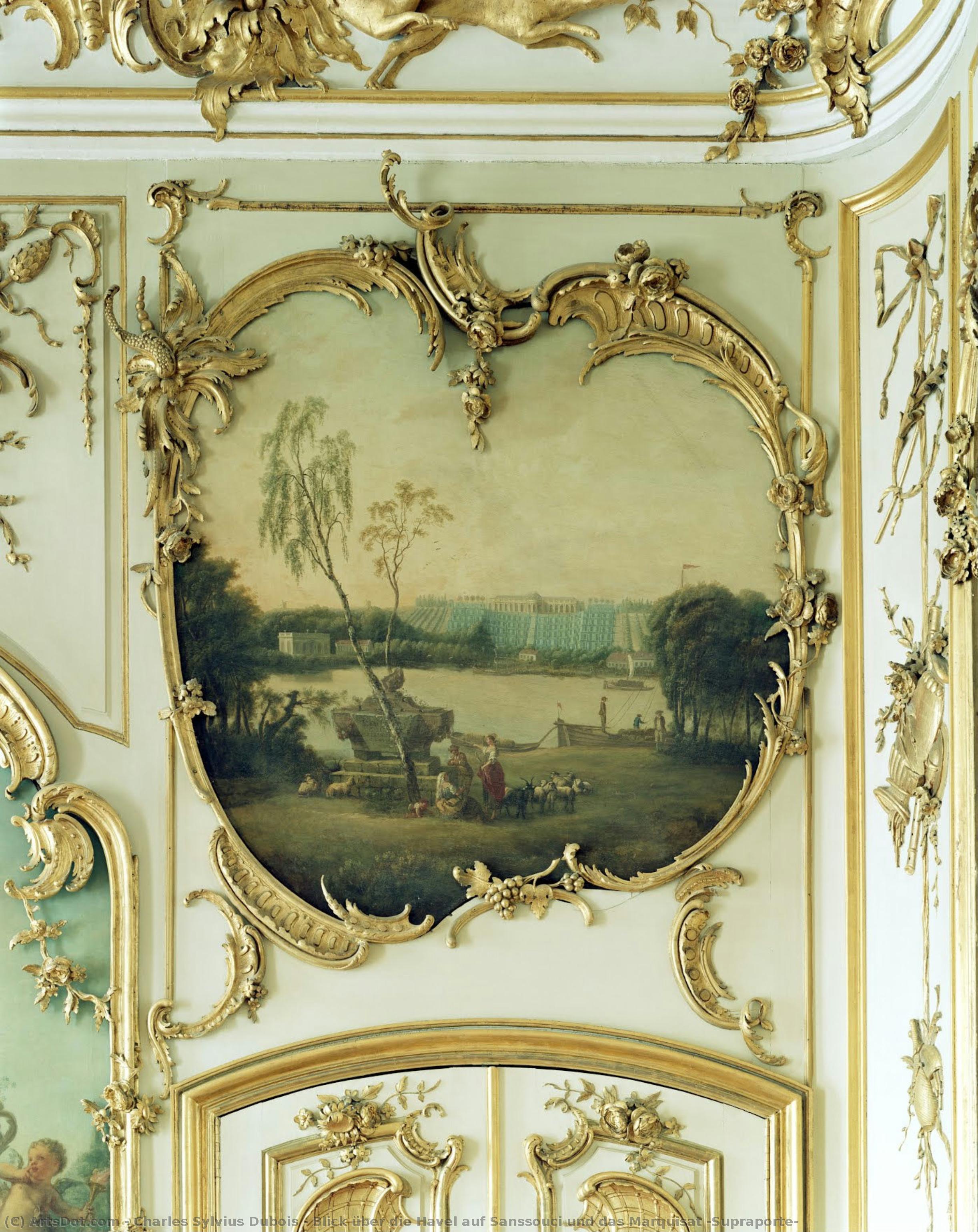
Blick über die Havel auf Sanssouci und das Marquisat (Supraporte)
 Oil On Canvas
- WallArt
- Baroque Landscape Painting
 1747
1747- Renaissance
 178.0 x 168.0 cm
 Sanssouci Palace
 詳細を見る
詳細を見る
ジークレー/アートプリント
迅速な制作と多彩な仕上げオプションを備えた、ミュージアムクオリティのジークレーまたはキャンバスプリント。 ( 手描きの絵画を購入 画像を購入)




P118B $10

P118H $10

P118W $10

P438Z $10

P508JH $12

P508YH $12

P805H $10

P805Z $10

P919BZ $10

P919G $10

P919XJ $10

P959ZH $10

P968JZ $12

W106C $8

W218G $10

W218JH $8

W218Y $10

W307PJ $10

W316G $10

W316PJ $8

W316Y $10

W398PJ $8

W4111J $10

W500HY $15

W500JH $15

W692G $12

W849H $8

W940BG $15

W953PJ $8




作品のオリジナル比率に合わせた、当店の規定サイズからお選びください。

特定のフレームやスペースに合わせて、ご自身でサイズを指定することも可能です。選択されたサイズが元の画像の比率と一致しない場合、作品をトリミングするか、鏡面反射または単色での塗りつぶしによって画像を拡張いたします。制作を開始する前に、ご確認用のデジタルモックアップをお送りいたします。
画面上のプレビューには、実際のトリミングや拡張は反映されませんのでご注意ください。最終的な構図を正確に確認できるのは、モックアップのみとなります。
カスタムサイズも承っておりますが、元の比率を維持するためには、あらかじめ用意されたリストからサイズを選択することをお勧めいたします。


 ガラスオプションは、110cm未満のサイズでのみご利用いただけます。

Blick über die Havel auf Sanssouci und das Marquisat (Supraporte)
ジークレー/アートプリント
複製画のサイズ
-


合計金額
$ 62
A Vision of Arcadia: Dubois’ “Blick über die Havel auf Sanssouci und das Marquisat”
Charles Sylvius Dubois’s “Blick über die Havel auf Sanssouci und das Marquisat,” painted in 1747, is more than a picturesque landscape; it's a meticulously crafted illusion of idyllic contentment, a key element within the opulent and profoundly symbolic setting of Schloss Sanssouci. This large-scale oil on canvas (178 x 168 cm) transports the viewer to a realm where classical mythology intertwines with the realities of Prussian courtly life, offering a glimpse into the aspirations of King Friedrich II.
- The Scene: The composition unfolds with masterful precision. In the foreground, a ruinous tomb evokes the spirit of Arcadia, a legendary pastoral paradise – a deliberate reference to the idealized world sought by the enlightened monarch. Scattered shepherds and their flocks add to this sense of timeless tranquility, while the shimmering waters of the Havel reflect the grandeur of Sanssouci itself.
- Realism and Fantasy: Dubois skillfully juxtaposes this fantastical element with a detailed depiction of the real landscape. The terraces of Sanssouci, still partially veiled in glass, are rendered with remarkable accuracy, anchoring the scene in tangible reality. This blending of the imagined and the observed elevates the painting beyond mere representation.
- The Marquisat: A subtle yet significant detail is the inclusion of the Marquisat, a gift from the King to his advisor, the Marquis d’Argens. Its presence subtly reinforces the themes of royal patronage and the strategic deployment of landscape as a tool for projecting power and prestige.
Technique and Artistic Influence
Dubois's brushwork is characterized by a delicate handling of light and shadow, creating a luminous effect that enhances the painting’s ethereal quality. The use of color – predominantly cool blues and greens contrasted with warmer earth tones – contributes to the overall sense of serenity and distance. The artist’s technique demonstrates a clear influence from the Baroque tradition, particularly in its emphasis on dramatic lighting and idealized forms. Notably, the painted frame itself is a key component of the room's decoration, reflecting the integrated nature of the artwork within its intended space.
- Oil on Canvas: Dubois employed oil paints on canvas, a technique that allowed for rich color saturation and subtle gradations in tone – essential for achieving the painting’s atmospheric depth.
- Compositional Balance: The carefully balanced composition, with its diagonal lines and harmonious arrangement of elements, further enhances the painting's visual impact.
Symbolism and Historical Context
“Blick über die Havel auf Sanssouci und das Marquisat” is deeply rooted in the intellectual currents of the 18th century. It reflects King Friedrich II’s desire to create a courtly environment that embodied Enlightenment ideals – a retreat from the complexities of political life, a space for contemplation and artistic cultivation. The painting served as a visual manifesto for this ambition, projecting an image of serene beauty and timeless harmony. The work is inextricably linked to the broader context of Sanssouci’s design and decoration, conceived as a Gesamtkunstwerk – a total work of art – where architecture, sculpture, and painting worked in concert to create a unified aesthetic experience.
A Timeless Masterpiece
This exceptional reproduction captures not only the visual splendor of Dubois's original but also the profound sense of place and purpose that informed its creation. “Blick über die Havel auf Sanssouci und das Marquisat” remains a testament to the power of art to evoke emotion, inspire contemplation, and transport us to another time and place – a timeless vision of Arcadia within the heart of Prussian royalty.
関連作品



アーティストの略歴
ジョヴァンニ・バッティスタ・ピラネージ:夢の建築家
1720年にヴェネツィアに生まれたジョヴァンニ・バッティスタ・ピラネージの生涯は、芸術的な野心、建築学の研鑽、そして古代ローマの遺跡に対する執着に近いほどの情熱が、見事に融合したものでした。彼は単なる芸術家にとどまらず、自らを建築家であり、学者であり、そして先見の明を持つヴィジョナリーであると考えていました。その信念は彼の並外れた作品群、特に見る者をローマ帝国の中心部にある空想的な領域へと誘う緻密なエッチングに色濃く反映されています。彼の物語は、知的好奇心と技術的な習熟、そして古代の壮大さと神秘を再び捉えたいという深い切望の物語なのです。
ピラネージの幼少期は、建築やデザインの世界との強い家族的な繋がりによって形作られました。彼の父は石工であり、叔父のマッテオ・ルケージはヴェネツィアの水利管理当局で重要な地位にありました。この環境が、ピラネージに構造工学や建築原理の確かな基礎を与え、後の芸術活動の糧となりました。彼は厳格な教育を受け、ラテン文学に没頭するとともに、兄のローマ史への情熱に触れることで古典文明への深い造詣を深めていきました。この強固な土台があったからこそ、彼は実用的な建設の世界から、芸術的な表現という領域へと見事に転身することができたのです。
版画家の台頭:ヴェネツィアとローマ
ピラネージの版画への旅はローマで始まりました。そこで彼は、著名な彫刻家であり歴史家でもあったジュゼッペ・ヴァージに弟子入りしました。この経験は彼にとって決定的な転換点となり、エッチングの技法を習得させると同時に、ローマの建築や都市景観に関するかけがえのない知識をもたらしました。ヴァージは、ピラノージの才能が単なる彫刻家としての枠に収まらず、芸術を通じてローマの精神と本質を捉えることができるものであることを見抜いていました。彼はピラネージに対し、「彫刻家である以上に画家であれ」と説いたことで有名ですが、これは表現力豊かなイメージを生み出す彼の天賦の才を認めてのことでした。
修行を終えた後、ピラネージは「ヴェドゥータ(景観画)」――ローマのランドマークを詳細に描いた作品群――を制作する多作なキャリアへと踏み出します。このジャンルは、当時の旅行者や学者の間で急速に人気を集めていました。彼の版画は単なる地形的な記録ではありませんでした。そこにはドラマチックな感覚や情緒、そしてしばしば超現実的とも言える質感が吹き込まれていたのです。彼は遠近法と光を巧みに操り、奥行きとスケールの錯覚を作り出すことで、見る者を古代ローマの核心部へと連れ去りました。『建築と遠近法の第一部(1743年)』や『古代および近代ローマの様々な景観(1745年)』といった初期の作品は、版画における巨匠としての彼の地位を確立しました。
グロッテスキと監獄の世界
ピラネージの最も不朽の遺産は、1749年頃から始まった「グロッテスキ」シリーズの版画にあります。これらの空想的なイメージには、迷宮のような地下室が描かれています。崩れゆく柱、浸水した回廊、奇妙な岩の造形に満たされた、広大で響き渡る空間です。これらは写実的な描写を意図したものではなく、ローマ探索中に遭遇した遺跡への心酔から生まれた、ピラネージの想像力の表現でした。彼はこれらの「カルチェーリ(監獄)」を、建築的な可能性を探求するための手段として捉えていました。つまり、自らの頭の中にしか存在しない構造物を設計し、具現化するための空間だったのです。
この『監獄』シリーズは、遠近法と光の卓越した操作によって達成された技術的な複雑さにおいて驚異的です。石壁の荒い質感から水面の反射に至るまで、あらゆる細部が緻密に描き込まれ、没入感のあるリアリズムを生み出しています。これらの版画は単なる装飾品ではなく、空間、時間、そして人類と古代世界との関係についての哲学的な瞑想でもありました。それは伝統的な風景画からの急進的な脱却であり、代わりに極めて個人的で心理的に満ちたヴィジョンを提示したのです。
遺産と影響
ジョヴァンニ・バッティスタ・ピラネージの作品は、後世の芸術家や建築家に深い影響を与えました。エッチングの革新的な使用、特に遠近法と錯覚の探求は、数多くの版画家や画家たちにインスピレーションを与えました。彼の『監獄』シリーズは、20世紀のシュルレアリスムの芸術家たちにとっての指標となり、その夢のような性質と喚起力に強く惹きつけられました。
ピラネージの遺産は芸術界のみにとどまりません。ローマの遺跡に対する彼の緻密な記録は、勃興しつつあった考古学の分野に大きく貢献し、建築や都市計画に関する彼の著作は、古代都市のデザインと歴史に貴重な洞察をもたらしました。1778年にローマで没した彼が残した膨大な作品群は、今なお人々を魅了し続けています。それは、想像力の不朽の力と、古代が持つ時代を超えた魅力の証なのです。
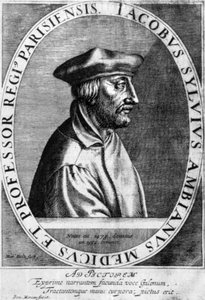
シャルル・シルヴィウス・デュボワ
1720 - 1799 , ドイツ
基本情報
- Artistic Movement Or Style: 新古典主義、エッチング
- Artists Or Movements Influenced By This Artist:
- カナレット
- ティエポロ
- Artists Who Influenced This Artist: ['ジュゼッペ・ヴァージ']
- Date Of Birth: 1720年10月4日
- Date Of Death: 1778年11月9日
- Full Name: ジョヴァンニ・バッティスタ・ピラネージ
- Nationality: イタリア
- Notable Artworks:
- 空想の牢獄
- ローマの景観
- Place Of Birth: イタリア、ヴェネツィア
関連記事

Giclée Prints: Archival Quality & Aesthetic Nuances for the Discerning Collector
Explore the world of giclée prints with ArtsDot. Learn about archival quality, aesthetic nuances & investment potential. Expert guidance for discerning art collectors seeking museum-quality reproductions and lasting value.
Robert Havell Sr.: Botanical Precision & the Rise of Colour Plate Publishing
Explore the life & work of Robert Havell Sr., a pioneer of botanical illustration and key collaborator with Audubon. Discover his stunning aquatint engravings, artistic techniques, and lasting impact on 19th-century art.

The Enduring Legacy of Fine Art Prints: Technique, History & Aesthetic Impact
Explore the rich history & techniques of fine art prints. Discover investment potential, assess authenticity, and learn how to preserve your collection with expert guidance. Trusted insights for discerning collectors.

Echoes of Time: Exploring the Enduring Appeal & Historical Context of Vintage Art Prints
Explore the captivating world of vintage art prints! Discover their history, collecting tips & enduring appeal. Expert insights on chromolithography and building a legacy collection with ArtsDot.
The Enduring Legacy of Printmaking: Techniques, Themes & Artistic Innovation Across Centuries
Explore the rich history of printmaking with ArtsDot. Discover techniques from intaglio to lithography, learn about collecting valuable prints & find museum-quality reproductions. Expert insights for art enthusiasts and collectors.