


 プレビュー
プレビュー
 シェアする
シェアする シェアする
シェアする
 詳細を見る
詳細を見る

 ダウンロード
 似ている作品
 X線調査
X線調査 スライドショー
 統計情報
統計情報Le retour du jeune Louvois, émigré en Angleterre
 詳細を見る
詳細を見る
手描き油彩複製画
当社のアーティストが、お客様のご希望のサイズと額縁に合わせて、キャンバスに手描きで制作する油彩画です。 ( プリント版に切り替え デジタル画像販売へ切り替え)




































作品のオリジナル比率に合わせた、当店の規定サイズからお選びください。

特定のフレームやスペースに合わせて、ご希望のサイズをご入力いただけます。選択されたサイズが元の画像の比率と異なる場合、アートワークをトリミングするか、手描きで要素を追加して絵画を拡張いたします。デジタルモックアップ を制作し、制作開始前にご確認(承認)をいただきます。
画面上のプレビューは、実際のトリミングや拡張を正確に反映しているものではありません。最終的な構図は、モックアップによってのみ正確にご確認いただけます。
カスタムサイズもご利用いただけますが、元の比率を維持するためには、あらかじめ用意されたリストからサイズを選択することをお勧めいたします。
ご注文後、ArtsDot.com チームより詳細な指示をお送りするとともに、仕上がりイメージ(モックアップ)をご提供いたします。


 ガラスオプションは、110cm未満のサイズでのみご利用いただけます。

Le retour du jeune Louvois, émigré en Angleterre
複製技法
複製画のサイズ
-


合計金額
$ 338
関連作品







アーティストの略歴
A Witness to Tumult: The Life and Art of Charles Thévenin
Charles Thévenin, born in Paris in 1764, emerged as a pivotal figure during an era defined by seismic shifts – the French Revolution and the Napoleonic Empire. His canvases weren’t merely depictions of historical events; they were immersive experiences, capturing the fervor, chaos, and ultimately, the heroic narratives that shaped a nation's identity. The son of a court architect, Thévenin was steeped in an environment where artistic expression held considerable value, a foundation upon which he would build his own distinguished career. His formal training at the Académie Royale de Peinture et de Sculpture under François-André Vincent provided him with the rigorous grounding in Neoclassical principles that would become hallmarks of his style: clarity of form, balanced composition, and an unwavering commitment to depicting subjects with a sense of noble grandeur. Early success came with recognition in the prestigious Prix de Rome competition, securing second prize for *Joseph Recognized by his Brothers* in 1789 and then claiming first prize two years later with *Regulus Returns to Carthage*. These early works weren’t simply exercises in academic skill; they demonstrated a burgeoning talent for narrative painting, an ability to translate complex stories into visually compelling scenes brimming with emotional resonance.Painting the Revolution: Thévenin's Rise to Prominence
The outbreak of the French Revolution provided Thévenin with subject matter that would define his artistic trajectory. He didn’t shy away from the dramatic upheaval; instead, he embraced it, seeking to immortalize the pivotal moments on canvas. His *The Taking of the Bastille* (1793) stands as a testament to this commitment. This monumental work wasn't simply a record of an event; it was a visceral portrayal of revolutionary energy – the surging crowds, the determined faces, and the sheer scale of the uprising. The painting sparked considerable debate upon its unveiling, solidifying Thévenin’s reputation not just as a skilled painter but also as one willing to engage with the politically charged atmosphere of the time. It was a bold statement, marking his arrival onto the wider art world stage. This success paved the way for further commissions, most notably a series glorifying Napoleon Bonaparte's military victories, collectively known as *Augereau Arcole*. These paintings weren’t subtle in their praise; they were designed to celebrate Napoleon’s triumphs and reinforce his image as a powerful leader, establishing Thévenin as a leading artist of the Napoleonic period.Grandeur and Precision: The Art of Historical Narrative
Thévenin's mastery lay in his ability to blend historical accuracy with artistic license. He wasn’t merely recreating events; he was interpreting them, imbuing them with a sense of drama and emotional weight. *Napoleon I Receives the Capitulation of General Mack* (1815) exemplifies this skill. The composition is meticulously crafted, drawing the viewer's eye to Napoleon as the central figure, radiating authority and control. The details – the uniforms, the weaponry, the expressions on the faces of those present – are rendered with remarkable precision, lending an air of authenticity to the scene. However, it’s not simply a matter of technical skill; Thévenin understood how to use light, shadow, and color to create a specific mood, enhancing the narrative impact of his work. His paintings functioned as powerful tools for shaping public perception, contributing significantly to the construction of national identity during an era of profound political change. They weren’t just art; they were propaganda, carefully designed to inspire patriotism and loyalty.Legacy and Influence: A Neoclassical Master
Even after the fall of Napoleon, Thévenin remained a respected figure in the French art establishment. He held several prestigious positions, including director of museums and academies, demonstrating his continued influence within artistic circles. While documented interactions are scarce, he had contact with Dominique Ingres during his career, another leading Neoclassical painter of the time. Though their styles differed somewhat – Ingres being known for his meticulous draftsmanship and emphasis on line – both artists shared a commitment to classical ideals and a desire to elevate history painting as a genre. Thévenin’s contributions to the neoclassical movement are undeniable; he helped define its characteristics, demonstrating its capacity to convey complex historical narratives with power and clarity. His works continue to be valued today not only for their artistic merit but also for the insights they offer into a pivotal period in French history. Through platforms like ArtsDot, his legacy endures, allowing audiences worldwide to experience the grandeur and drama of his vision.Exploring Thévenin’s World
- Key Characteristics: Thévenin's style is defined by its Neoclassical rigor – balanced compositions, clear lines, and a focus on anatomical accuracy.
- Major Themes: His work primarily revolves around historical events, particularly those of the French Revolution and Napoleonic era. He frequently depicted scenes of military victory, political upheaval, and heroic sacrifice.
- Influences: He was heavily influenced by his training at the Académie Royale de Peinture et de Sculpture and the principles of Neoclassical art. The works of artists like Jacques-Louis David also likely played a role in shaping his style.
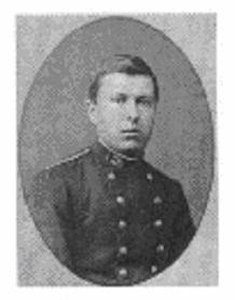
Charles Thévenin
1764 - 1838 , France
基本情報
- Artistic Movement Or Style: Neoclassical
- Artists Or Movements Influenced By This Artist: ['Neoclassical traditions']
- Artists Who Influenced This Artist: ['François-André Vincent']
- Date Of Birth: July 12, 1764
- Date Of Death: February 28, 1838
- Full Name: Charles Thévenin
- Nationality: French
- Notable Artworks:
- The Taking of the Bastille
- Augereau Arcole
- Napoleon I Receives...
- Regulus Returns to Carthage
- Place Of Birth: Paris, France