

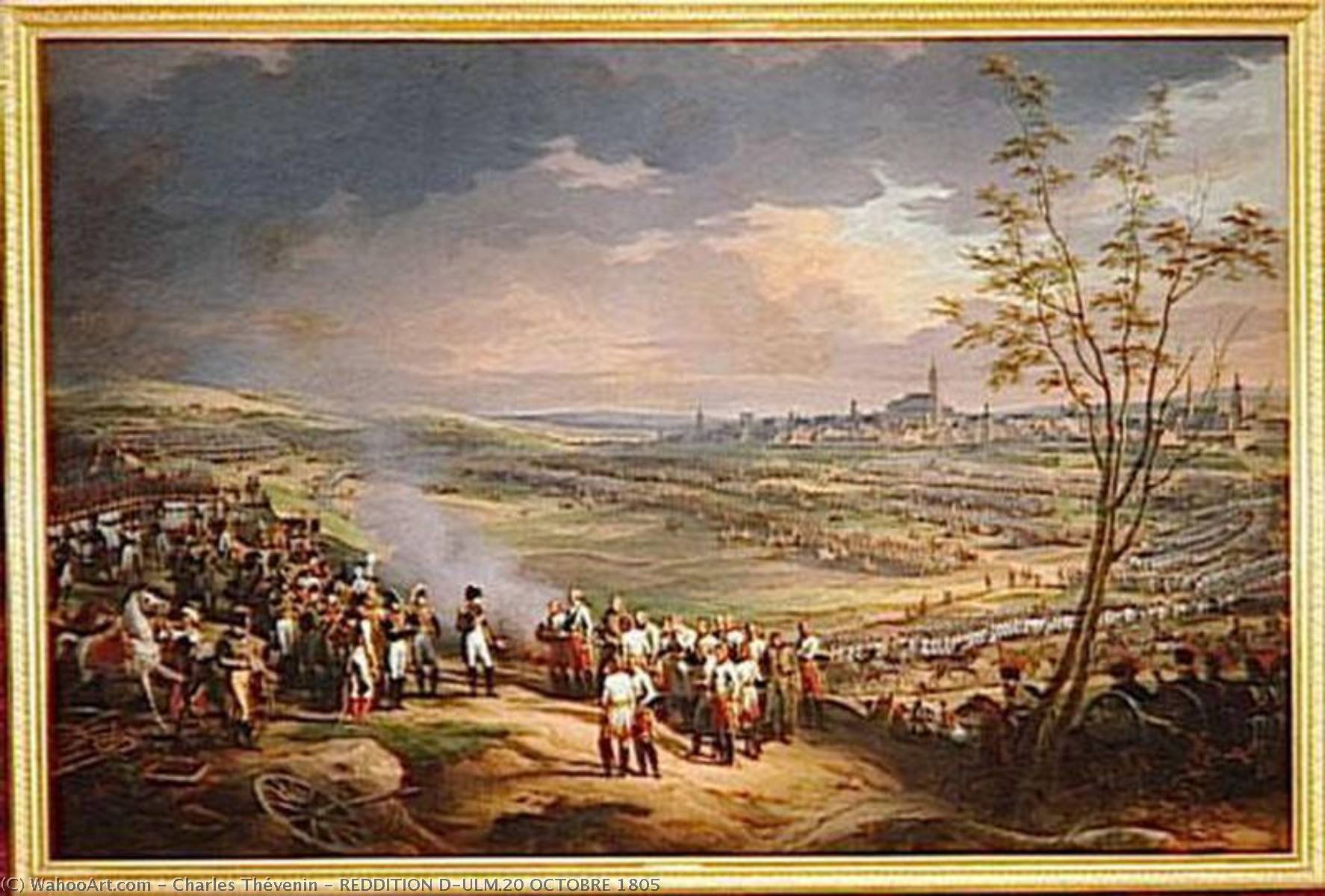
 プレビュー
プレビュー
 シェアする
シェアする シェアする
シェアする
 詳細を見る
詳細を見る

 ダウンロード
 似ている作品
 X線調査
X線調査 スライドショー
 統計情報
統計情報REDDITION D'ULM.20 OCTOBRE 1805
 詳細を見る
詳細を見る
オンラインプレビューをはるかに凌ぐ、高解像度で鮮明なデジタル画像をご購入いただけます。
各ファイルは、社内の専門家が高度なツールと熟練した手作業によるレタッチを用いて、細心の注意を払って準備されています。すべての画像において、卓越した鮮明度、正確な色彩再現性、そして繊細なディテールを保証いたします。
最終ファイルは、プロフェッショナルな編集・印刷環境ですぐにご利用いただけるよう最適化された状態で、72時間以内にメールにてお届けいたします。これは、一流のデザインスタジオ、出版社、ギャラリーから信頼されているものと同等の品質です。
デジタルアート
個人での鑑賞、印刷、クリエイティブなプロジェクト用に、高解像度ファイルをダウンロードできます。 ( プリント版に切り替え 手描きの絵画を購入)
デジタル画像のご注文に付随する特典
高品質なデジタル画像配信を、確かな品質で。
ArtsDot.com を選ぶことは、単に画像を手に入れることではありません。それは、プロの手によって精密に仕上げられ、満足保証が付いた高品質なデジタルアートワークを受け取ることを意味します。ご注文いただいた際に自動的に付随する内容は、以下の通りです:

メールですぐにお届け
ご注文から72時間以内に、高解像度のデジタル画像ファイルがメールでお手元に届きます。すぐにそのままご利用いただけます。

AI技術で最適化されたデジタルファイル
お客様の作品は、高度なAIツールと専門家による手作業の編集を組み合わせてプロフェッショナルに最適化されており、細部のディテール、鮮明さ、そして正確な色再現性を最大限に引き出しています。

一生涯無料の再送サービス
ファイルを誤って削除したり、紛失してしまったりしましたか?ご安心ください。いつでも無料で再送いたします。

輸入手数料は一切かかりません
関税や手数料、配送料を気にすることなく、お気に入りのアートワークをすぐにお楽しみいただけます。デジタルダウンロードは常に免税です。

色彩再現の保証
プロ仕様のツールとカラーマネジメント技術を用いることで、デジタル画像が元の色を最大限に忠実に再現することを保証いたします。

100日間満足保証
ご購入いただいたデジタル画像にご満足いただけない場合は、100日以内であれば、理由を問わず修正または100%の返金対応をさせていただきます。

100% 返金保証
ご満足いただけない場合は、デジタルファイルを受け取ってから100日以内であれば、理由を問わず全額返金いたします。

まとめ買い割引
3枚購入で10%OFF - 5枚購入で15%OFF - 10枚以上購入で20%OFF。クリエイティブなプロジェクト、ギャラリー、エージェンシーに最適です。
関連作品








作家の略歴
A Witness to Tumult: The Life and Art of Charles Thévenin
Charles Thévenin, born in Paris in 1764, emerged as a pivotal figure during an era defined by seismic shifts – the French Revolution and the Napoleonic Empire. His canvases weren’t merely depictions of historical events; they were immersive experiences, capturing the fervor, chaos, and ultimately, the heroic narratives that shaped a nation's identity. The son of a court architect, Thévenin was steeped in an environment where artistic expression held considerable value, a foundation upon which he would build his own distinguished career. His formal training at the Académie Royale de Peinture et de Sculpture under François-André Vincent provided him with the rigorous grounding in Neoclassical principles that would become hallmarks of his style: clarity of form, balanced composition, and an unwavering commitment to depicting subjects with a sense of noble grandeur. Early success came with recognition in the prestigious Prix de Rome competition, securing second prize for *Joseph Recognized by his Brothers* in 1789 and then claiming first prize two years later with *Regulus Returns to Carthage*. These early works weren’t simply exercises in academic skill; they demonstrated a burgeoning talent for narrative painting, an ability to translate complex stories into visually compelling scenes brimming with emotional resonance.Painting the Revolution: Thévenin's Rise to Prominence
The outbreak of the French Revolution provided Thévenin with subject matter that would define his artistic trajectory. He didn’t shy away from the dramatic upheaval; instead, he embraced it, seeking to immortalize the pivotal moments on canvas. His *The Taking of the Bastille* (1793) stands as a testament to this commitment. This monumental work wasn't simply a record of an event; it was a visceral portrayal of revolutionary energy – the surging crowds, the determined faces, and the sheer scale of the uprising. The painting sparked considerable debate upon its unveiling, solidifying Thévenin’s reputation not just as a skilled painter but also as one willing to engage with the politically charged atmosphere of the time. It was a bold statement, marking his arrival onto the wider art world stage. This success paved the way for further commissions, most notably a series glorifying Napoleon Bonaparte's military victories, collectively known as *Augereau Arcole*. These paintings weren’t subtle in their praise; they were designed to celebrate Napoleon’s triumphs and reinforce his image as a powerful leader, establishing Thévenin as a leading artist of the Napoleonic period.Grandeur and Precision: The Art of Historical Narrative
Thévenin's mastery lay in his ability to blend historical accuracy with artistic license. He wasn’t merely recreating events; he was interpreting them, imbuing them with a sense of drama and emotional weight. *Napoleon I Receives the Capitulation of General Mack* (1815) exemplifies this skill. The composition is meticulously crafted, drawing the viewer's eye to Napoleon as the central figure, radiating authority and control. The details – the uniforms, the weaponry, the expressions on the faces of those present – are rendered with remarkable precision, lending an air of authenticity to the scene. However, it’s not simply a matter of technical skill; Thévenin understood how to use light, shadow, and color to create a specific mood, enhancing the narrative impact of his work. His paintings functioned as powerful tools for shaping public perception, contributing significantly to the construction of national identity during an era of profound political change. They weren’t just art; they were propaganda, carefully designed to inspire patriotism and loyalty.Legacy and Influence: A Neoclassical Master
Even after the fall of Napoleon, Thévenin remained a respected figure in the French art establishment. He held several prestigious positions, including director of museums and academies, demonstrating his continued influence within artistic circles. While documented interactions are scarce, he had contact with Dominique Ingres during his career, another leading Neoclassical painter of the time. Though their styles differed somewhat – Ingres being known for his meticulous draftsmanship and emphasis on line – both artists shared a commitment to classical ideals and a desire to elevate history painting as a genre. Thévenin’s contributions to the neoclassical movement are undeniable; he helped define its characteristics, demonstrating its capacity to convey complex historical narratives with power and clarity. His works continue to be valued today not only for their artistic merit but also for the insights they offer into a pivotal period in French history. Through platforms like ArtsDot, his legacy endures, allowing audiences worldwide to experience the grandeur and drama of his vision.Exploring Thévenin’s World
- Key Characteristics: Thévenin's style is defined by its Neoclassical rigor – balanced compositions, clear lines, and a focus on anatomical accuracy.
- Major Themes: His work primarily revolves around historical events, particularly those of the French Revolution and Napoleonic era. He frequently depicted scenes of military victory, political upheaval, and heroic sacrifice.
- Influences: He was heavily influenced by his training at the Académie Royale de Peinture et de Sculpture and the principles of Neoclassical art. The works of artists like Jacques-Louis David also likely played a role in shaping his style.
Charles Thévenin
1764 - 1838 , France
プロフィール概要
- Artistic Movement Or Style: Neoclassical
- Artists Or Movements Influenced By This Artist: ['Neoclassical traditions']
- Artists Who Influenced This Artist: ['François-André Vincent']
- Date Of Birth: July 12, 1764
- Date Of Death: February 28, 1838
- Full Name: Charles Thévenin
- Nationality: French
- Notable Artworks:
- The Taking of the Bastille
- Augereau Arcole
- Napoleon I Receives...
- Regulus Returns to Carthage
- Place Of Birth: Paris, France