

 プレビュー
プレビュー
 シェアする
シェアする シェアする
シェアする
 詳細を見る
詳細を見る

 ダウンロード
 似ている作品
 X線調査
X線調査 スライドショー
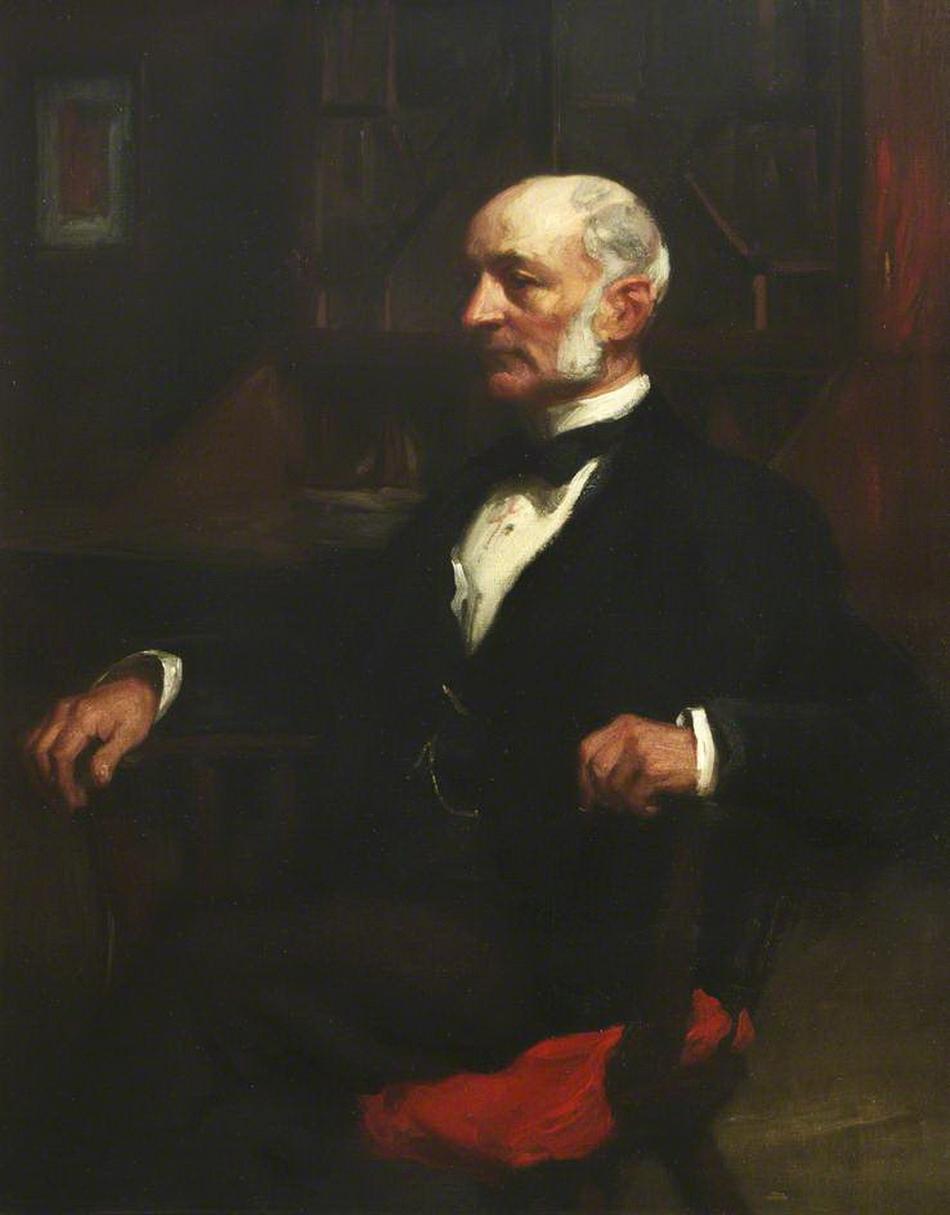
John McVicar Anderson, FRSE, PRIBA


 詳細を見る
詳細を見る
ジークレー/アートプリント
迅速な制作と多彩な仕上げオプションを備えた、ミュージアムクオリティのジークレーまたはキャンバスプリント。 ( 手描きの絵画を購入 画像を購入)




































作品のオリジナル比率に合わせた、当店の規定サイズからお選びください。

特定のフレームやスペースに合わせて、ご自身でサイズを指定することも可能です。選択されたサイズが元の画像の比率と一致しない場合、作品をトリミングするか、鏡面反射または単色での塗りつぶしによって画像を拡張いたします。制作を開始する前に、ご確認用のデジタルモックアップをお送りいたします。
画面上のプレビューには、実際のトリミングや拡張は反映されませんのでご注意ください。最終的な構図を正確に確認できるのは、モックアップのみとなります。
カスタムサイズも承っておりますが、元の比率を維持するためには、あらかじめ用意されたリストからサイズを選択することをお勧めいたします。


 ガラスオプションは、110cm未満のサイズでのみご利用いただけます。

John McVicar Anderson, FRSE, PRIBA
ジークレー/アートプリント
複製画のサイズ
-


合計金額
$ 62
関連作品







アーティストの略歴
A Brief but Brilliant Flame: The Life and Art of Charles Wellington Furse
Charles Wellington Furse, a name perhaps less instantly recognizable than some of his contemporaries, nevertheless represents a vital strand in the tapestry of late Victorian and Edwardian British painting. Born in 1868 at Staines, into a comfortably established family – his father was Rev. C.W. Furse, Archdeacon of Westminster – he possessed a lineage that subtly hinted at artistic promise; a collateral descent from Sir Joshua Reynolds, the celebrated portraitist, offered an intriguing connection to the past. However, it wasn’t inherited prestige but genuine talent that propelled Furse onto the art scene, and tragically cut his career short in 1904. His story is one of remarkable skill, a distinctive style, and work imbued with a sense of vitality often missing from more formal academic painting of the period.Early Promise and Formal Training
Furse’s artistic inclinations manifested remarkably early. By the age of seven, he was already demonstrating considerable draughtsmanship in illustrations accompanying the novels of Sir Walter Scott – a testament to both his natural ability and an upbringing that encouraged creative pursuits. His education followed a conventional path for a young man of his station: Haileybury College provided a grounding in general academics before he embarked on formal artistic training at the prestigious Slade School in 1884. This was a pivotal moment, where he quickly distinguished himself, winning the coveted Slade Scholarship in 1885. The rigorous curriculum honed his technical skills, but it was his subsequent studies at Julian’s Atelier in Paris that truly shaped his aesthetic sensibility. Paris exposed him to new currents in art, though he didn't fully embrace Impressionism or Post-Impressionism; instead, he forged a path uniquely his own.A Style Defined by Vigour and Outdoor Life
Furse’s artistic contributions are most readily recognized through his portraits, which stand apart for their freshness, vigour, and an unusual emphasis on depicting subjects engaged in outdoor pursuits. He wasn't interested in static poses or elaborate studio settings; rather, he sought to capture the energy of movement, the play of light on landscapes, and the inherent dynamism of life itself. Diana of the Uplands, a particularly celebrated work available for reproduction through various art platforms, exemplifies this approach perfectly – it’s not merely a portrait of a woman, but an evocation of sport, freedom, and a connection to nature. The Return from the Ride, housed in the Tate Gallery, further demonstrates his skill in capturing fleeting moments and conveying a sense of narrative within a single composition. His portraits weren’t simply likenesses; they were character studies infused with atmosphere and emotion. He possessed an uncanny ability to reveal something of the sitter's personality through their interaction with the environment.Decorative Commissions and Lasting Legacy
While portraiture formed the core of his output, Furse also undertook significant decorative commissions that showcased a different facet of his talent. His most ambitious project was undoubtedly the mural decorations for Liverpool Town Hall (1899-1902). These large-scale works reveal a sophisticated understanding of space, composition, and colour harmony – qualities often overlooked when discussing his smaller portrait paintings. The murals demonstrate a keen eye for decorative design and an ability to integrate art seamlessly into architectural settings. A memorial exhibition held at the Burlington Fine Arts Club in 1906, shortly after his untimely death, served as a poignant tribute to his achievements and highlighted the breadth of his artistic vision. Despite his tragically short career, Furse left an indelible mark on British portraiture. His work continues to resonate with collectors and art enthusiasts alike, offering a glimpse into a vibrant era and a unique artistic sensibility. His paintings are held in various public and private collections, and reproductions – readily available through platforms like ArtsDot.com – allow wider access to his captivating images.- Furse’s work bridges the gap between Victorian formality and the more modern approaches of the early 20th century.
- His emphasis on outdoor life and dynamic composition was relatively uncommon in British portraiture of the period.
- The Liverpool Town Hall murals demonstrate his versatility as an artist and his skill in decorative design.
charles wellington furse
1868 - 1904
基本情報
- Artistic Movement Or Style: Portraiture
- Artists Who Influenced This Artist:
- Walter Scott
- Julian Barratt
- Date Of Birth: 1868
- Date Of Death: 1904
- Full Name: Charles Wellington Furse
- Nationality: British
- Notable Artworks:
- Diana of the Uplands
- The Return from the Ride
- Portrait of Charles Darling
- Place Of Birth: Staines, England

