

 プレビュー
プレビュー
 プリントを購入
 シェアする
シェアする シェアする
シェアする
 詳細を見る
詳細を見る

 ダウンロード
 似ている作品
 X線調査
X線調査 スライドショー
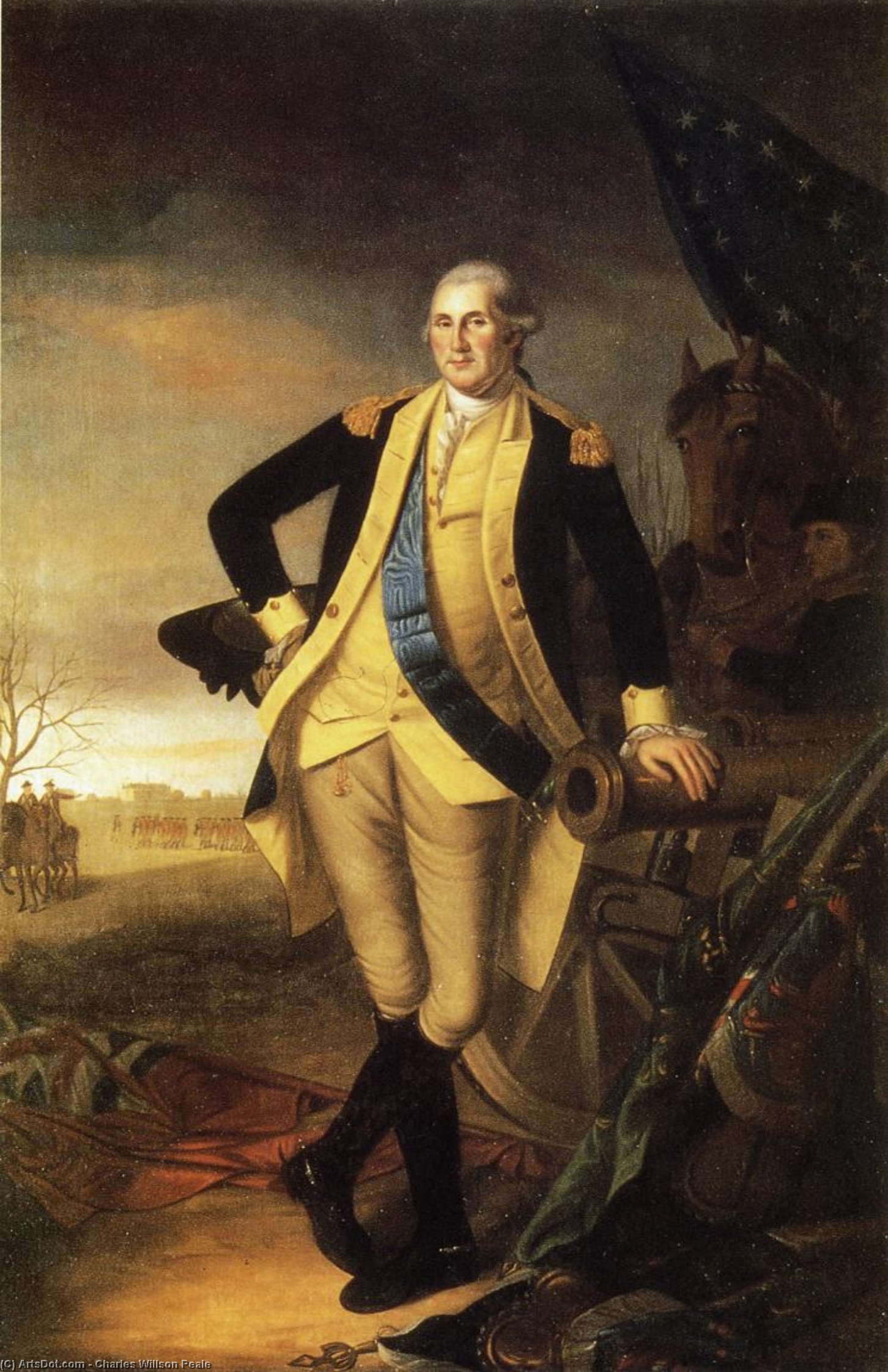
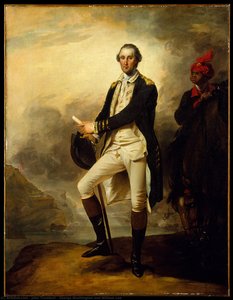
Washington After the Battle of Princeton, New Jersey


 詳細を見る
詳細を見る




P118B $10

P118H $10

P118W $10

P438Z $10

P508JH $12

P508YH $12

P805H $10

P805Z $10

P919BZ $10

P919G $10

P919XJ $10

P959ZH $10

P968JZ $12

W106C $8

W218G $10

W218JH $8

W218Y $10

W307PJ $10

W316G $10

W316PJ $8

W316Y $10

W398PJ $8

W4111J $10

W500HY $15

W500JH $15

W692G $12

W849H $8

W940BG $15

W953PJ $8




作品のオリジナル比率に合わせた、当店の規定サイズからお選びください。

特定のフレームやスペースに合わせて、ご希望のサイズをご入力いただけます。選択されたサイズが元の画像の比率と異なる場合、アートワークをトリミングするか、手描きで要素を追加して絵画を拡張いたします。デジタルモックアップ を制作し、制作開始前にご確認(承認)をいただきます。
画面上のプレビューは、実際のトリミングや拡張を正確に反映しているものではありません。最終的な構図は、モックアップによってのみ正確にご確認いただけます。
カスタムサイズもご利用いただけますが、元の比率を維持するためには、あらかじめ用意されたリストからサイズを選択することをお勧めいたします。
ご注文後、ArtsDot.com チームより詳細な指示をお送りするとともに、仕上がりイメージ(モックアップ)をご提供いたします。


 ガラスオプションは、110cm未満のサイズでのみご利用いただけます。

Washington After the Battle of Princeton, New Jersey
複製技法
複製画のサイズ
-


合計金額
$ 263
A Moment of Triumph: The Spirit of Revolution in Peale's Masterpiece
In the quiet intensity of 1779, Charles Willson Peale captured more than just a likeness; he immortalized the very heartbeat of a nascent nation. Washington After the Battle of Princeton, New Jersey serves as a profound window into the American Revolutionary War, offering a glimpse into the heavy atmosphere of victory and the weight of leadership. Through his masterful use of oil on canvas, Peale presents George Washington not merely as a general, but as a symbol of resilience. The painting breathes with the energy of the battlefield, where the dust of conflict has yet to settle, leaving the viewer suspended in a moment of profound historical significance.
The composition is a sophisticated tapestry of military grandeur and human connection. At the center stands Washington, draped in his iconic blue military coat adorned with meticulous gold trim, a visual testament to his command and the dignity of the Continental Army. His black hat and the sword resting at his side are not merely accessories but symbols of the duty and sacrifice required to forge a new republic. Peale’s keen eye for detail extends to the surrounding figures—soldiers and civilians alike—whose presence weaves a narrative of collective struggle. The inclusion of a horse in the scene grounds the portrait in the rugged reality of 18th-century warfare, adding a layer of kinetic potential to an otherwise poised and stately arrangement.
Technique and the Art of Realism
Charles Willson Peale’s artistic lineage, shaped by his studies under Benjamin West in London, is vibrantly evident in the technical execution of this work. His style is a masterful blend of European academic precision and an emerging American realism. Every brushstroke serves to enhance the texture of the fabric, the glint of the gold embroidery, and the somber depth of the shadows. This attention to detail creates a tactile experience for the observer, making the historical scene feel immediate and tangible.
The artist utilizes light and shadow to direct the viewer's emotional journey, drawing the eye toward Washington’s resolute expression while allowing the background elements—such as the patriotic American flag—to provide essential context without overwhelming the subject. This balance of focus ensures that the painting functions both as a historical document and a breathtaking work of fine art. For the discerning collector or interior designer, this piece offers a commanding presence, capable of anchoring a room with its rich colors and profound narrative depth.
A Legacy for the Modern Collector
Beyond its aesthetic brilliance, this painting carries an emotional resonance that transcends time. It evokes a sense of patriotism, courage, and the enduring human spirit. To possess a high-quality reproduction of this work is to invite a piece of history into one's personal space, providing a conversation starter that speaks of heritage and the foundational moments of democracy.
Whether displayed in a stately library, a sophisticated study, or a curated gallery wall, Washington After the Battle of Princeton, New Jersey brings an air of intellectual prestige and timeless elegance. It is an ideal selection for those who appreciate art that tells a story—a piece that does not merely decorate a wall but enriches the very soul of a home.
関連作品
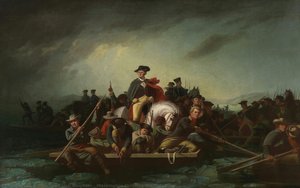
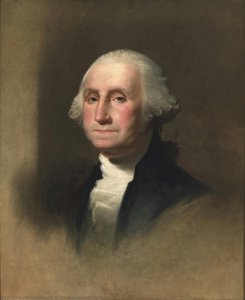
アーティストの略歴
チャールズ・ウィルソン・ピールの生涯:芸術、科学、そして愛国心
- 生誕: 1741年4月15日、メリーランド州クイーン・アン郡チェスター
- 没去: 1827年2月22日、ペンシルベニア州フィラデルフィア
幼少期と芸術的訓練
ピールの初期の人生は、父の死後の経済的な苦難に彩られていました。彼は鞍職人の見習いとして働き始めましたが、すぐに芸術への情熱を発見しました。当初の訓練はジョン・ヘッセリウスから受け、短期間ジョン・シンクレア・コプリーのもとで学び、肖像画に対する早期の才能を示しました。彼の発展における重要な時期は、ロンドンでベンジャミン・ウェストのもとで学んだ時代(1767-1770)でした。このヨーロッパの芸術的傾向への接触は、彼のスタイルに大きな影響を与えました。ウェストの指導の下、ピールは古典的な構図や理想化された表現を学びましたが、同時に自身の個性を追求し始めました。芸術的キャリアと主要作品
- 肖像画: ピールは、アメリカ独立戦争の著名な人物を描いた肖像画家として最もよく知られています。ジョージ・ワシントンの肖像画をほぼ60点も制作しました。これらの肖像画は、芸術的な業績であると同時に、貴重な歴史的資料でもあります。
- スタイル: 彼のスタイルは時間とともに進化し、当初ウェストのネオクラシック様式の影響を受けましたが、後にリアリズムの要素を取り入れ、正確に似姿を捉えようとする願望が加わりました。彼は単なる外見の再現にとどまらず、被写体の性格や内面を描き出すことを目指しました。
- 主要作品:
- ジョージ・ワシントンの肖像画 (1772):ワシントンとの長いつながりの始まりを告げました。この初期の作品は、ピールの技術的な熟練度と、被写体の威厳を捉える能力を示しています。
- 階段グループ (c. 1795):トロンプ・ルイユ(だまし絵)の素晴らしい例で、彼の息子ラファエルとティシャンが建築設定の一部であるかのように描かれています。この作品は、ピールの創造性と技術的な腕前を象徴しています。
科学的探求とピールのアメリカ博物館
- ピールは熱心な博物学者であり科学者で、自然史の研究のために遠征隊を組織しました。
- 彼は1784年にフィラデルフィアにピールのアメリカ博物館を設立し、これは米国初の博物館の1つでした。植物学、生物学、考古学の標本が収蔵されていました。
- この博物館は、アメリカにおける科学と教育の普及において重要な役割を果たしました。彼は特に1801年に獲得したマンモス骨の展示で知られていました。ピールは博物館のために標本を保存するために自分で剥製術を学びました。
遺産と歴史的意義
- ピールの作品は、芸術と科学の間の隔たりを埋め、彼の時代の啓蒙思想を反映しています。彼は単なる画家ではなく、探求者であり教育者でした。
- 彼の肖像画は、アメリカ史における主要な人物の貴重な視覚的記録を提供します。これらの作品は、当時の社会や文化を理解するための重要な手がかりとなります。
- ピールのアメリカ博物館の設立は、教育と科学探求のための重要な機関としての博物館を確立する先駆的な取り組みでした。
- 彼は後世の芸術家や科学家に影響を与え、アメリカ文化の発展に大きく貢献しました。彼の家族の遺産は、息子であるジェームズ・ピールやルベンス・ピールを通じて受け継がれました。彼らもまた、才能のある芸術家となり、博物館のコレクションに貢献しました。
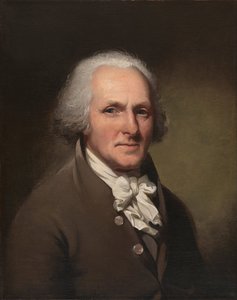
チャールズ・ウィルソン・ピール
1741 - 1827 , イギリス
基本情報
- Artistic Movement Or Style: 新古典主義絵画
- Artists Who Influenced This Artist:
- ジョン・ヘセリウス
- ジョン・シンクレア・コプリー
- ベンジャミン・ウェスト
- Date Of Birth: 1741年4月15日
- Date Of Death: 1827年2月22日
- Full Name: チャールズ・ウィルソン・ピール
- Nationality: アメリカ人
- Notable Artworks:
- ジョージ・ワシントンの肖像群
- 階段のグループ
- Place Of Birth (City And Country): チェスター、イギリス
関連記事

ジョルジュ・ブラック傑作25選:革新的なキュビスムの世界と装飾への誘い
ジョルジュ・ブラックの傑作25選。キュビスムを代表する画家、その革新的な色彩と技法に迫ります。名画から知られざる逸品まで、美術史に残る作品群をArtsDot.comで鑑賞。お部屋を彩るアートプリントも多数ご用意。今すぐオンラインでコレクションをご覧ください。

ジョルジュ・スーラ傑作25選:光と色彩の科学が織りなす芸術の世界|ArtsDot
ジョルジュ・スーラの傑作25選。点描画の光と色彩、印象派から新印象派へ—ArtsDotで美術史を紐解き、リビングやダイニングを彩る高品質なアートプリントを見つけましょう。セーラ作品集をオンラインで鑑賞ください。
Slate Blue Masterpieces: 10 Iconic Paintings & Timeless Home Decor Ideas
Immerse yourself in the captivating world of slate blue! Explore 10 iconic paintings by Monet, Van Gogh & Renoir. Discover their stories, techniques & find museum-quality art reproductions for your home at .
The Allure of Azure: Exploring the Symbolic & Aesthetic Depths of Blue in Art History
Explore the rich history of blue in art! Discover its symbolism, from ancient pigments to modern masterpieces by Kandinsky & Seurat. Uncover the psychological impact and cultural meanings behind this captivating hue.
Golden Glow: How to Use Metallic Gold Artworks to Elevate Your Home Decor with Timeless Luxury
Discover how to elevate your home with the timeless elegance of metallic gold artworks. From sculptural metal pieces to gilded oil paintings, learn expert interior design tips for integrating luxurious gold accents into your space with sophistication and grace.

