

 プリントを購入
 シェアする
シェアする シェアする
シェアする
 詳細を見る
詳細を見る

 ダウンロード
 似ている作品
 スライドショー
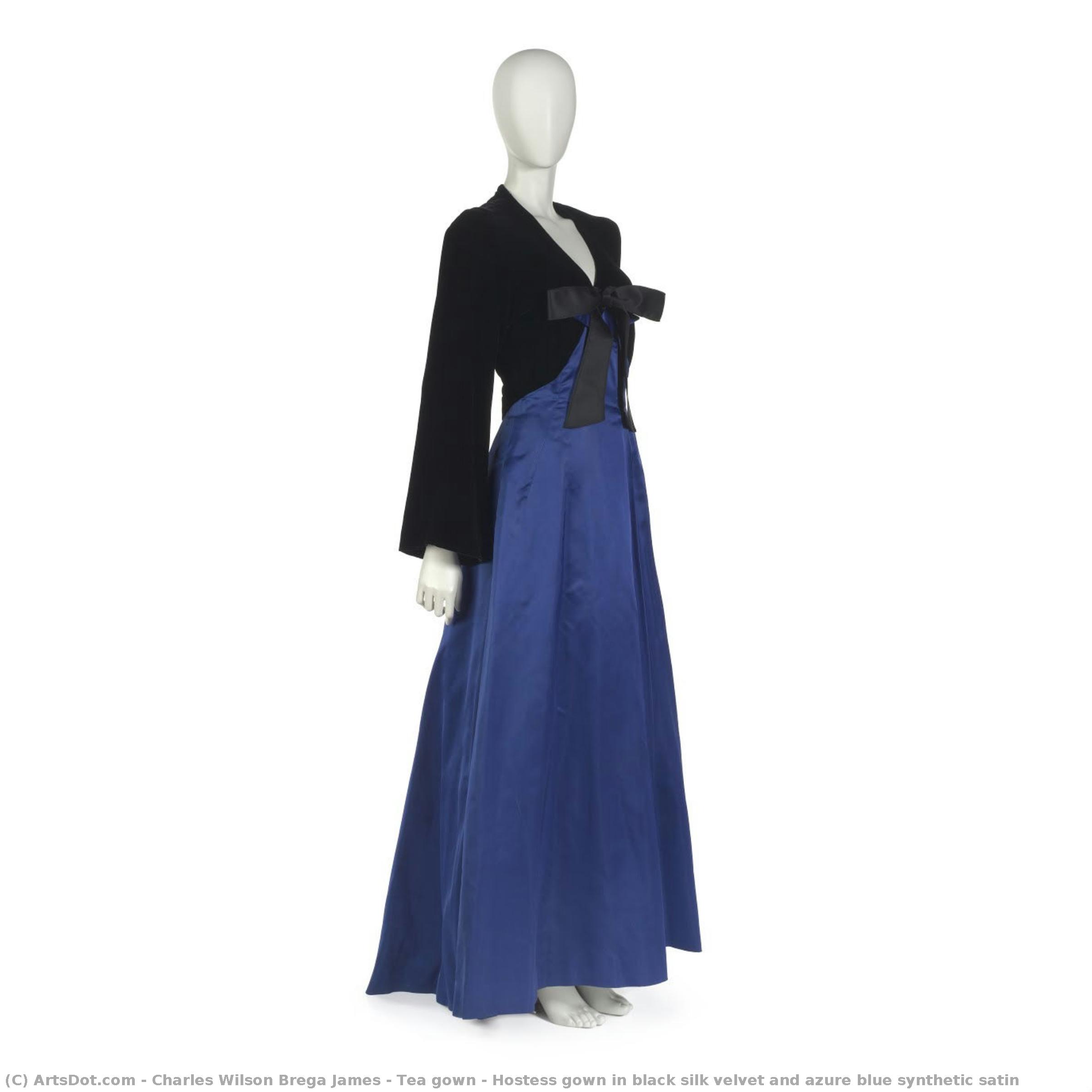
Tea gown - Hostess gown in black silk velvet and azure blue synthetic satin


 詳細を見る
詳細を見る
オンラインプレビューをはるかに凌ぐ、高解像度で鮮明なデジタル画像をご購入いただけます。
各ファイルは、社内の専門家が高度なツールと熟練した手作業によるレタッチを用いて、細心の注意を払って準備されています。すべての画像において、卓越した鮮明度、正確な色彩再現性、そして繊細なディテールを保証いたします。
最終ファイルは、プロフェッショナルな編集・印刷環境ですぐにご利用いただけるよう最適化された状態で、72時間以内にメールにてお届けいたします。これは、一流のデザインスタジオ、出版社、ギャラリーから信頼されているものと同等の品質です。
デジタル画像のご注文に付随する特典
高品質なデジタル画像配信を、確かな品質で。
ArtsDot.com を選ぶことは、単に画像を手に入れることではありません。それは、プロの手によって精密に仕上げられ、満足保証が付いた高品質なデジタルアートワークを受け取ることを意味します。ご注文いただいた際に自動的に付随する内容は、以下の通りです:

メールですぐにお届け
ご注文から72時間以内に、高解像度のデジタル画像ファイルがメールでお手元に届きます。すぐにそのままご利用いただけます。

AI技術で最適化されたデジタルファイル
お客様の作品は、高度なAIツールと専門家による手作業の編集を組み合わせてプロフェッショナルに最適化されており、細部のディテール、鮮明さ、そして正確な色再現性を最大限に引き出しています。

一生涯無料の再送サービス
ファイルを誤って削除したり、紛失してしまったりしましたか?ご安心ください。いつでも無料で再送いたします。

輸入手数料は一切かかりません
関税や手数料、配送料を気にすることなく、お気に入りのアートワークをすぐにお楽しみいただけます。デジタルダウンロードは常に免税です。

色彩再現の保証
プロ仕様のツールとカラーマネジメント技術を用いることで、デジタル画像が元の色を最大限に忠実に再現することを保証いたします。

60日間満足保証
ご購入いただいたデジタル画像にご満足いただけない場合は、60日以内であれば、修正または100%の返金(理由を問う必要はありません)をさせていただきます。

100% 返金保証
ご満足いただけない場合は、デジタルファイルを受け取ってから60日以内であれば、理由を問わず全額返金いたします。

まとめ買い割引
3枚購入で10%OFF - 5枚購入で15%OFF - 10枚以上購入で20%OFF。クリエイティブなプロジェクト、ギャラリー、エージェンシーに最適です。
Charles James: Architect of Elegance – The Tea Gown Revisited
The tea gown—a garment born from the constraints of wartime austerity yet imbued with an enduring spirit of refined beauty—represents more than just fashion; it embodies a pivotal moment in design history. Created by Charles Wilson Brega James (1906-1978), this iconic piece exemplifies his revolutionary approach to couture, prioritizing sculptural form and meticulous construction over mere ornamentation. Examining its details unveils layers of artistic intention and reveals James’s profound influence on subsequent generations of designers.- Historical Context: Crafted in 1944 during World War II, the tea gown reflects a desire for elegance amidst hardship. Designers sought to elevate everyday attire with sophisticated silhouettes and luxurious fabrics—a conscious effort to maintain standards of grace and refinement despite societal anxieties.
- Design Philosophy: James’s vision extended beyond mere dressmaking; he considered it “architectural,” meticulously crafting garments that resembled buildings, utilizing internal structures to achieve dramatic shapes and movements. This philosophy is vividly apparent in the tea gown's construction—a testament to his mastery of draping and tailoring techniques.
- Material Palette: The gown’s sumptuousness derives from its combination of black silk velvet for the bodice and azure blue synthetic satin for the skirt. These contrasting textures underscore James’s penchant for juxtaposing opposing elements, creating visual interest and conveying a sense of duality—perhaps mirroring the complexities of wartime resilience.
- Form & Technique: The gown's silhouette is characterized by a fitted velvet bodice featuring cutaway front and waist-length back panels, complemented by long butterfly sleeves and padded shoulders. Crucially, it incorporates a dog-leg center front opening with hook-and-eye closures at the waist—a subtle detail that speaks to James’s precision and attention to functionality alongside aesthetic beauty.
- Symbolic Resonance: The A-line skirt, extending into a train, symbolizes aspiration and grandeur, elevating the wearer's posture and projecting an image of confidence. Furthermore, the satin torso begins at center front bust with revers, emphasizing symmetry and balance—elements frequently found in James’s designs as expressions of harmonious proportion.
A Closer Look: Composition & Color Harmony
The photograph showcases a studio setting designed to maximize the gown's visual impact against a stark white backdrop. The composition centers around the mannequin, strategically positioned to highlight the garment’s form and drape—a deliberate choice reflecting James’s belief in showcasing his creations within an environment that minimizes distractions. The color palette is dominated by black and azure blue, skillfully blended to create depth and luminosity. Subtle variations within these hues underscore James's understanding of how light interacts with fabric textures, enhancing the gown’s overall allure.Celebrating Innovation: James’s Legacy
Charles James stands as a beacon of innovation in fashion history—a designer who challenged conventions and redefined notions of elegance. His pioneering use of sculptural form and structural techniques continues to inspire contemporary creatives, cementing his place among the most influential figures of the 20th century. The tea gown serves as an enduring emblem of this legacy, demonstrating James’s unwavering commitment to elevating dressmaking into a transformative art form. Its meticulous craftsmanship and timeless beauty resonate with collectors and interior designers alike—a testament to the enduring power of visionary design.Elizabeth Arden's Vision: Capturing Elegance in Fabric
The tea gown embodies Elizabeth Arden’s commitment to crafting garments that convey sophistication and grace. The gown is lined in black silk georgette and brown silk chiffon, highlighting James’s meticulous attention to detail—a hallmark of his artistic process. Its creation represents a triumph of artistry and technique, reflecting the spirit of an era defined by resilience and aspiration.関連作品

作家の略歴
Early Life and Education
- Charles Wilson Brega James was born on July 18, 1906, in Camberley, Surrey, England, to Ralph Ernest Haweis James, a British army officer, and Louise Enders Brega, an American heiress.
- He received his early education at The New Beacon school in Sevenoaks, Kent (1914-1918), followed by a brief period at Harrow School in 1919. At Harrow, he befriended notable figures like Evelyn Waugh, Francis Cyril Rose, and Cecil Beaton.
- James was expelled from Harrow for what was described as a “sexual escapade.” Subsequently, he briefly studied music at the University of Bordeaux, France before relocating to Chicago.
Career Development and Artistic Influences
- In Chicago, James benefited from the patronage of Samuel Insull, a family friend and public utilities magnate. Insull provided him with opportunities to develop mathematical skills that would later prove crucial in his design process.
- At age 19, he opened his first hat shop in Chicago under the pseudonym ‘Charles Boucheron’ due to his father's disapproval of a career in fashion.
- James moved between Chicago, New York, London and Paris throughout the 1930s, establishing himself as a designer. He was influenced by architectural principles and sculptural forms, which became hallmarks of his work.
- He developed relationships with artists such as Salvador Dalí, Gertrude Stein, and Colette, further enriching his creative environment.
Major Works and Design Philosophy
- Charles James is celebrated for his highly structured ballgowns and innovative approach to draping and tailoring. He viewed dressmaking as an architectural pursuit, meticulously crafting garments with complex internal structures.
- Notable works include:
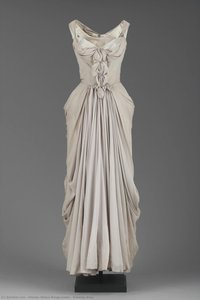
- Strapless Ball Gown in Rose Satin and Grey Taffeta: A masterpiece showcasing his innovative use of fabrics and form, available for viewing on ArtsDot.com.
- Coat in Cream and Pale Grey Novelty Basket-Weave Wool: Demonstrating his versatility in design, found within the ArtsDot collection.
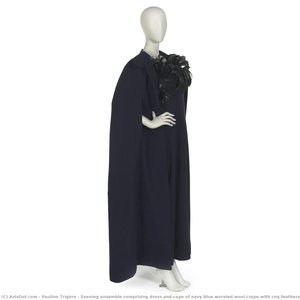
- Evening Dress in Black Chiffon with Underlayers: A testament to his skill in layering and textures, also presented on ArtsDot.com.
- The “Clover” gown (1950/1954): Known for its four-lobed skirt construction, it exemplifies James’s architectural approach to fashion.
- His designs often featured intricate seaming techniques and unconventional materials. He was a perfectionist, sometimes spending years perfecting a single garment.
Legacy and Historical Significance
- Charles James’s impact on the world of fashion is undeniable. His designs continue to inspire contemporary designers with their sculptural silhouettes, meticulous construction, and innovative use of materials.
- He is considered one of the most influential American couturiers of the 20th century, bridging the gap between art and fashion.
- Despite facing financial difficulties and a challenging personality, James left behind a legacy of exceptional craftsmanship and artistic vision. His work remains highly sought after by collectors and museums worldwide.
- Resources for further exploration include ArtsDot.com, which offers a dedicated page to his life and works, as well as Wikipedia’s entry on Charles James.
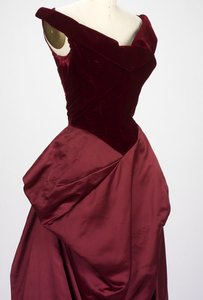
charles wilson brega james
1906 - 1978 , United States of America
プロフィール概要
- Artistic Movement Or Style: Couture, Sculptural fashion
- Artists Or Movements Influenced By This Artist: ['New generations of designers']
- Date Of Birth: 1906
- Date Of Death: 1978
- Full Name: Charles Wilson Brega James
- Nationality: British-American
- Notable Artworks:
- Strapless ball gown
- Coat in cream wool
- Evening dress in chiffon
- Place Of Birth: Bethlehem, USA

