

 プレビュー
プレビュー
 プリントを購入
 シェアする
シェアする シェアする
シェアする
 詳細を見る
詳細を見る

 ダウンロード
 似ている作品
 X線調査
X線調査 スライドショー
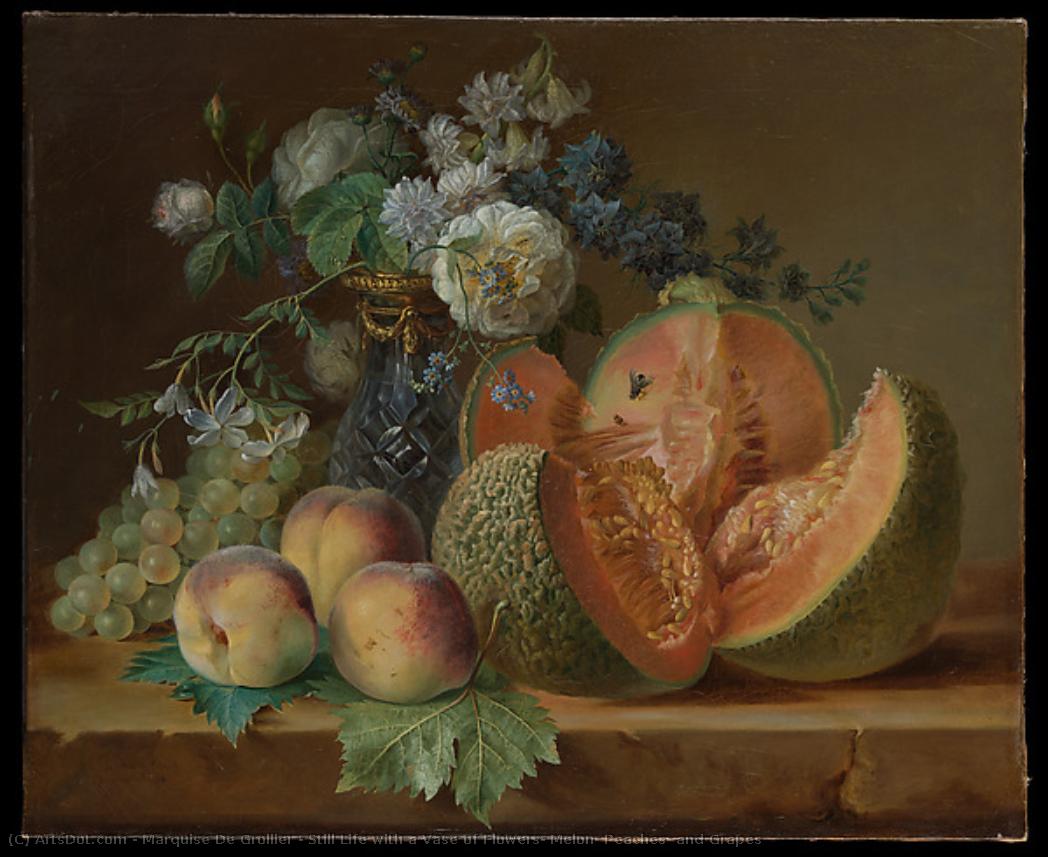
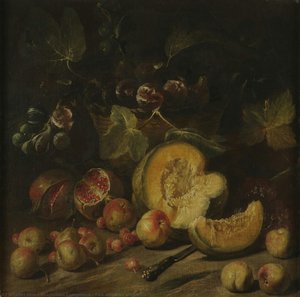
Still Life with a Vase of Flowers, Melon, Peaches, and Grapes
 Oil On Canvas
- WallArt
- 18th-Century Rococo
 1780
1780 46.0 x 56.0 cm
 メトロポリタン美術館
 詳細を見る
詳細を見る
オンラインプレビューをはるかに凌ぐ、高解像度で鮮明なデジタル画像をご購入いただけます。
各ファイルは、社内の専門家が高度なツールと熟練した手作業によるレタッチを用いて、細心の注意を払って準備されています。すべての画像において、卓越した鮮明度、正確な色彩再現性、そして繊細なディテールを保証いたします。
最終ファイルは、プロフェッショナルな編集・印刷環境ですぐにご利用いただけるよう最適化された状態で、72時間以内にメールにてお届けいたします。これは、一流のデザインスタジオ、出版社、ギャラリーから信頼されているものと同等の品質です。
デジタル画像のご注文に付随する特典
高品質なデジタル画像配信を、確かな品質で。
ArtsDot.com を選ぶことは、単に画像を手に入れることではありません。それは、プロの手によって精密に仕上げられ、満足保証が付いた高品質なデジタルアートワークを受け取ることを意味します。ご注文いただいた際に自動的に付随する内容は、以下の通りです:

メールですぐにお届け
ご注文から72時間以内に、高解像度のデジタル画像ファイルがメールでお手元に届きます。すぐにそのままご利用いただけます。

AI技術で最適化されたデジタルファイル
お客様の作品は、高度なAIツールと専門家による手作業の編集を組み合わせてプロフェッショナルに最適化されており、細部のディテール、鮮明さ、そして正確な色再現性を最大限に引き出しています。

一生涯無料の再送サービス
ファイルを誤って削除したり、紛失してしまったりしましたか?ご安心ください。いつでも無料で再送いたします。

輸入手数料は一切かかりません
関税や手数料、配送料を気にすることなく、お気に入りのアートワークをすぐにお楽しみいただけます。デジタルダウンロードは常に免税です。

色彩再現の保証
プロ仕様のツールとカラーマネジメント技術を用いることで、デジタル画像が元の色を最大限に忠実に再現することを保証いたします。

60日間満足保証
ご購入いただいたデジタル画像にご満足いただけない場合は、60日以内であれば、修正または100%の返金(理由を問う必要はありません)をさせていただきます。

100% 返金保証
ご満足いただけない場合は、デジタルファイルを受け取ってから60日以内であれば、理由を問わず全額返金いたします。

まとめ買い割引
3枚購入で10%OFF - 5枚購入で15%OFF - 10枚以上購入で20%OFF。クリエイティブなプロジェクト、ギャラリー、エージェンシーに最適です。
A Symphony of Summer’s Bounty: Deconstructing “Still Life with a Vase of Flowers, Melon, Peaches, and Grapes”
The painting before you – “Still Life with a Vase of Flowers, Melon, Peaches, and Grapes” by Charlotte Eustache Sophie de Fuligny-Damas – isn't merely a depiction of fruit and flora; it’s a carefully orchestrated tableau of light, color, and the fleeting beauty of the late summer season. Painted in 1780, during the height of the Rococo era in France, this work offers a glimpse into the refined world of a noblewoman’s artistic pursuits – a realm where leisure and aesthetic appreciation were paramount. De Grollier, as she was known, wasn't seeking fame or fortune through exhibition; instead, she cultivated an intimate circle of artists and intellectuals, finding joy in meticulous copying and quiet observation, skills honed under the tutelage of the esteemed Gérard van Spaendonck. The painting itself is a testament to this dedication, a remarkably precise study of form and texture that transcends simple representation. Notice how Van Spaendonck’s influence—particularly his emphasis on light and shadow—is subtly woven into De Grollier's technique, creating an almost palpable sense of volume and depth within the still life arrangement.- The Composition: The arrangement is deliberately balanced, yet brimming with a delightful sense of abundance. The vase, overflowing with delicate pink roses and smaller blooms, anchors the scene, drawing the eye upwards while the fruits and vegetables cascade downwards in a vibrant display.
- Color Palette: De Grollier masterfully employs a restrained but luminous color palette. The dominant tones are muted greens, yellows, and reds – colors evocative of ripening fruit and verdant foliage. The subtle variations within each hue—the blush of the peaches, the deep orange of the melon, the delicate pinks of the roses—demonstrate her keen eye for detail and her ability to capture the nuances of light on different surfaces.
- Van Spaendonck’s Influence: The painting is a direct copy of one of Van Spaendonck's works, showcasing De Grollier's commitment to learning and replicating his style. This isn't simply imitation; it’s an exercise in understanding the principles of light, composition, and color that defined his approach.
The Language of Still Life: Symbolism and Social Context
Still life paintings during the 18th century were far more than decorative exercises; they were laden with symbolic meaning. The fruits and vegetables depicted weren’t chosen at random. Melon, for instance, represented wealth and prosperity – a common motif in aristocratic interiors. Peaches symbolized longevity and good fortune, while grapes alluded to abundance and celebration. The inclusion of roses, particularly the delicate pink variety, speaks to beauty, love, and the ephemeral nature of pleasure. The arrangement as a whole can be interpreted as an ode to the bounty of the harvest and a subtle commentary on the comforts and privileges enjoyed by the French aristocracy. It’s important to remember that De Grollier's world was one of carefully constructed appearances; this painting, while seemingly simple, reflects the values and aesthetic sensibilities of her social class – a celebration of beauty, refinement, and the pleasures of domestic life. Historical Context:** The Rococo period (roughly 1730-1780) favored lightheartedness, elegance, and an emphasis on sensual pleasure. Still life paintings were particularly popular during this time, offering a respite from the more formal and imposing styles of previous eras. De Grollier’s work perfectly embodies these characteristics, showcasing her artistic skill while reflecting the prevailing tastes of her time.*Technique: A Masterful Blend of Observation and Skill
De Grollier's technique is characterized by its meticulous detail and remarkable realism. She employed a smooth, blended brushstroke to create a sense of luminous softness, particularly in the depiction of the fruits and flowers. The subtle variations in tone—the highlights on the melon’s surface, the shadows beneath the peaches—are rendered with astonishing precision. The artist's attention to texture is equally impressive; you can almost feel the velvety skin of the peaches, the delicate petals of the roses, and the smooth curves of the melon. The painting demonstrates a deep understanding of how light interacts with different surfaces, creating a sense of three-dimensionality that draws the viewer into the scene. The use of oil paints allowed for layering and blending, building up complex colors and textures with remarkable control. Note the careful rendering of reflected light on the melon’s surface – a testament to her observational skills and mastery of chiaroscuro.Bringing “Still Life” into Your Space: Reproduction and Interpretation
Today, this painting offers more than just a visual delight; it provides a window into the world of 18th-century French art and aristocratic life. High-quality reproductions capture much of the original’s subtle beauty and nuanced detail. When selecting a reproduction, consider the medium – oil on canvas prints offer the most authentic representation of the painting's texture and color depth. The piece would complement a variety of interior styles, from classic French to contemporary spaces seeking a touch of elegance and historical charm. Ultimately, “Still Life with a Vase of Flowers, Melon, Peaches, and Grapes” is a reminder of the enduring power of art to capture beauty, evoke emotion, and transport us to another time and place—a timeless celebration of summer’s bounty and the pleasures of refined living.*関連作品
作家の略歴
a french flower painter's enduring impact
charlotte eustache sophie de fuligny damas, marquise de grollier, was a prominent figure in the world of french flower painting, leaving an indelible mark on the art world from 1741 to 1828. born in paris on december 21, 1741, she was the daughter of henry anne de fuligny-damas, comte de rochechouart, baron de couches, marigny-sur-ouche, aubigny, agey, and saint-péreuse.early life and education
after losing her father at the age of three, charlotte eustache sophie de fuligny damas was placed under the care of the canonesses at remiremont abbey at seven, where she received a classical education. her innate talent for drawing led to lessons in paris from renowned artists jean-baptiste greuze and gérard van spaendonck.artistic career and notable works
in 1760, de fuligny-damas married pierre louis de grollier, marquis de grollier and treffort, with whom she had three children before they separated. her time at the court in versailles, where she befriended portrait painter elisabeth vigée le brun, significantly influenced her work.- tree of life, a masterpiece showcasing her skill in capturing the beauty of nature.
- her mosaics, which demonstrate her versatility as an artist.
later life and philanthropy
after her husband's execution in 1793, de fuligny-damas was forced to leave france, eventually settling in italy. her talent was recognized by the sculptor antonio canova, who referred to her as the "raphael of flowers". upon her return to france, she practiced horticulture and continued painting.legacy
charlotte eustache sophie de fuligny damas's legacy extends beyond her art. her philanthropic efforts, including the creation of an artesian aquifer in épinay-sur-seine's château park, earned her a founding membership in the société d'horticulture. she passed away on september 13, 1828, at the age of 86.- explore more of de fuligny-damas' works and other french flower painters on ArtsDot's collection.
- discover the musée des beaux-arts valence, a must-visit destination for art lovers, featuring an impressive collection of european paintings and sculptures: musée des beaux-arts valence, france.
- learn about other notable artists and their contributions to the world of art on ArtsDot's blog: a journey through art history with ArtsDot’s extensive collection.
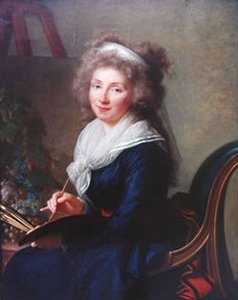
charlotte eustache sophie de fuligny damas
1741 - 1828 , France
プロフィール概要
- Artistic Movement Or Style: Rococo
- Artists Or Movements Influenced By This Artist: ['Elisabeth Vigée Le Brun']
- Artists Who Influenced This Artist:
- Jean-Baptiste Greuze
- Gérard van Spaendonck
- Date Of Birth: December 21, 1741
- Date Of Death: September 13, 1828
- Full Name: Charlotte Eustache Sophie de Fuligny-Damas
- Nationality: French
- Notable Artworks:
- Tree of Life
- Mosaics
- Place Of Birth: Paris, France

