

 プレビュー
プレビュー
 プリントを購入
 シェアする
シェアする シェアする
シェアする
 詳細を見る
詳細を見る

 ダウンロード
 似ている作品
 X線調査
X線調査 スライドショー
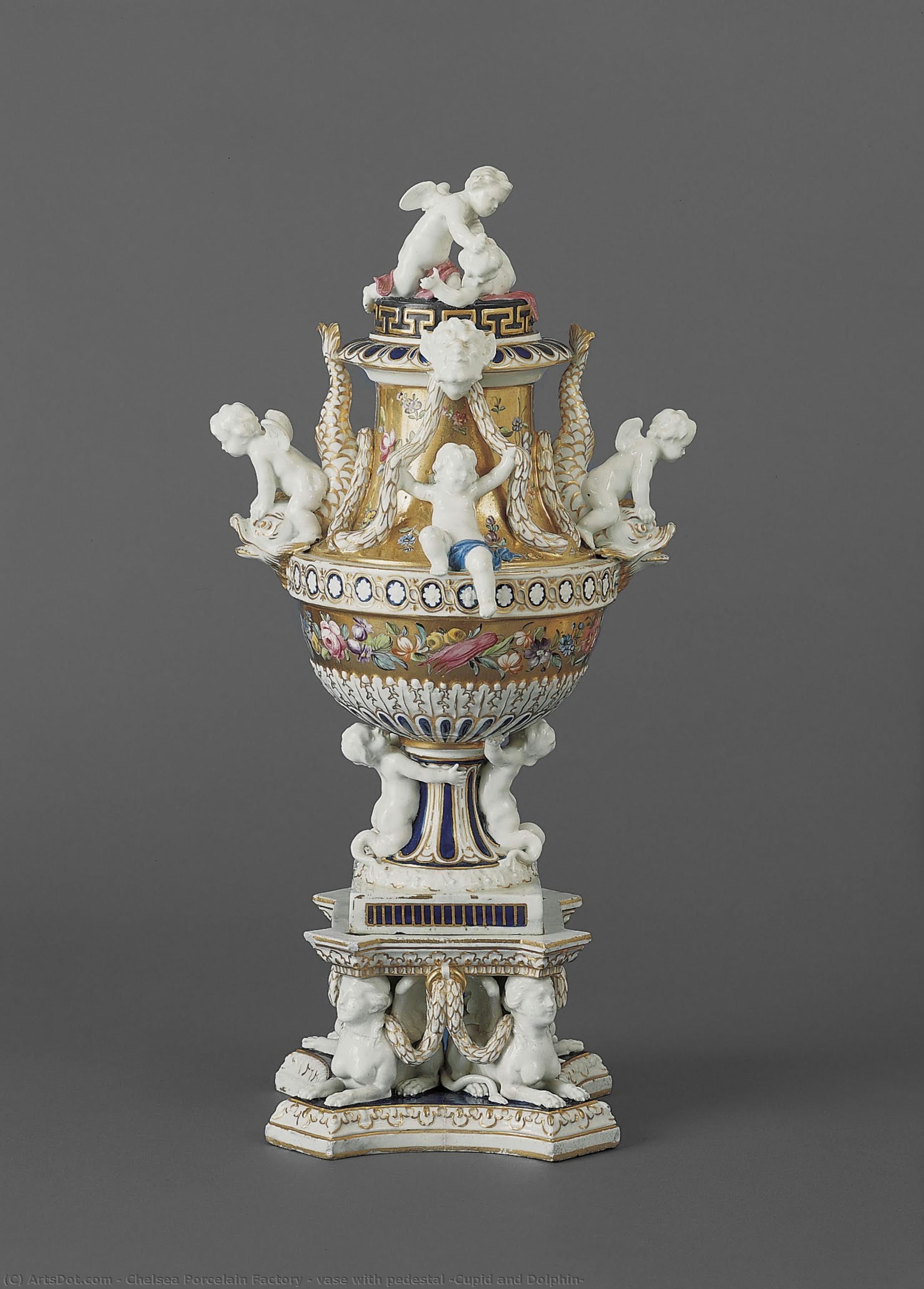
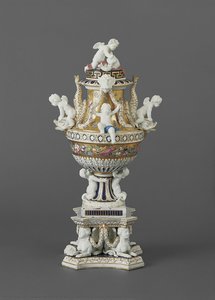
vase with pedestal (Cupid and Dolphin)


 詳細を見る
詳細を見る
オンラインプレビューをはるかに凌ぐ、高解像度で鮮明なデジタル画像をご購入いただけます。
各ファイルは、社内の専門家が高度なツールと熟練した手作業によるレタッチを用いて、細心の注意を払って準備されています。すべての画像において、卓越した鮮明度、正確な色彩再現性、そして繊細なディテールを保証いたします。
最終ファイルは、プロフェッショナルな編集・印刷環境ですぐにご利用いただけるよう最適化された状態で、72時間以内にメールにてお届けいたします。これは、一流のデザインスタジオ、出版社、ギャラリーから信頼されているものと同等の品質です。
デジタル画像のご注文に付随する特典
高品質なデジタル画像配信を、確かな品質で。
ArtsDot.com を選ぶことは、単に画像を手に入れることではありません。それは、プロの手によって精密に仕上げられ、満足保証が付いた高品質なデジタルアートワークを受け取ることを意味します。ご注文いただいた際に自動的に付随する内容は、以下の通りです:

メールですぐにお届け
ご注文から72時間以内に、高解像度のデジタル画像ファイルがメールでお手元に届きます。すぐにそのままご利用いただけます。

AI技術で最適化されたデジタルファイル
お客様の作品は、高度なAIツールと専門家による手作業の編集を組み合わせてプロフェッショナルに最適化されており、細部のディテール、鮮明さ、そして正確な色再現性を最大限に引き出しています。

一生涯無料の再送サービス
ファイルを誤って削除したり、紛失してしまったりしましたか?ご安心ください。いつでも無料で再送いたします。

輸入手数料は一切かかりません
関税や手数料、配送料を気にすることなく、お気に入りのアートワークをすぐにお楽しみいただけます。デジタルダウンロードは常に免税です。

色彩再現の保証
プロ仕様のツールとカラーマネジメント技術を用いることで、デジタル画像が元の色を最大限に忠実に再現することを保証いたします。

60日間満足保証
ご購入いただいたデジタル画像にご満足いただけない場合は、60日以内であれば、修正または100%の返金(理由を問う必要はありません)をさせていただきます。

100% 返金保証
ご満足いただけない場合は、デジタルファイルを受け取ってから60日以内であれば、理由を問わず全額返金いたします。

まとめ買い割引
3枚購入で10%OFF - 5枚購入で15%OFF - 10枚以上購入で20%OFF。クリエイティブなプロジェクト、ギャラリー、エージェンシーに最適です。
関連作品







作家の略歴
The Delicate World of Chelsea Porcelain
The Chelsea Porcelain Factory, a beacon of English artistry in the 18th century, wasn't born from centuries-old tradition but rather from entrepreneurial vision and a thirst for innovation. Its story begins not with clay and kilns, but with silk weaving. In 1743, Thomas Fairchild and Silas Dufour established a venture on Cheyne Walk, London, producing exquisite silk fabrics. However, recognizing the growing public fascination with porcelain – particularly the imported wares from Meissen and Sèvres – they boldly shifted their focus. They acquired land and began experimenting with the elusive art of creating hard-paste porcelain, a process demanding immense skill and secrecy. This transition marked the birth of England’s first significant porcelain manufactory. The early years were fraught with challenges; replicating the continental techniques proved difficult, and initial products bore the marks of experimentation. Yet, Fairchild and Dufour persevered, driven by a desire to establish an English identity in this luxurious field.Early Innovations and Royal Patronage
The factory’s early output, dating from around 1745, was characterized by its delicate forms and charming, if somewhat naive, decoration. Figures of naturalistic flowers, birds, and animals were particularly popular, often adorned with vibrant enamel colors. These pieces, though initially imitative of continental styles, quickly developed a distinctive English character – lighter in weight, more graceful in form, and imbued with a sense of playful elegance. A pivotal moment arrived in 1756 when Nicholas Crisp took over the lease of the factory. Crisp, a goldsmith by trade, brought both financial stability and a refined aesthetic sensibility to the enterprise. He secured crucial royal patronage from Queen Charlotte, who became a devoted collector of Chelsea porcelain, further elevating its status and prestige. Under Crisp’s direction, the factory flourished, producing increasingly sophisticated wares that rivaled those of its European counterparts. The introduction of new molds, innovative firing techniques, and a growing mastery of enamel painting allowed for greater artistic freedom and complexity.The Golden Age: Sculptural Excellence
The period between 1760 and 1784 represents the golden age of Chelsea porcelain. This era witnessed an extraordinary flowering of sculptural talent, with figures becoming increasingly naturalistic, expressive, and emotionally engaging. The factory employed a team of highly skilled modelers, including Joseph Willems, who were responsible for creating the iconic forms that define Chelsea’s legacy. These sculptors drew inspiration from classical mythology, allegorical subjects, and contemporary life, producing a diverse range of figures depicting everything from shepherdesses and musicians to gods and goddesses. The factory also became renowned for its exquisite scent bottles, often shaped as shells or flowers, and its charming table ornaments. A hallmark of Chelsea porcelain during this period was the use of raised gilding, which added a touch of opulence and refinement to the decoration. The quality of the enamel painting reached new heights, with artists employing delicate brushstrokes and subtle color gradations to create lifelike effects.Decline and Legacy
Despite its artistic triumphs, the Chelsea Porcelain Factory faced increasing economic challenges in the late 18th century. Competition from rival manufacturers, rising material costs, and changing consumer tastes all contributed to its decline. In 1784, Nicholas Crisp sold the factory to William Dueshury, who transferred production to his Longton Hall manufactory. While some Chelsea molds and designs were continued at Longton Hall, the distinctive character of Chelsea porcelain was gradually lost. The factory on Cheyne Walk closed in 1809, marking the end of an era. However, the legacy of Chelsea Porcelain Factory endured. Its exquisite wares became highly sought after by collectors, and its influence can be seen in the work of subsequent English porcelain manufacturers. Today, Chelsea porcelain remains a testament to the artistry, innovation, and entrepreneurial spirit of 18th-century England – a delicate echo of a golden age.Collecting Chelsea Porcelain
- Figures: The most highly prized pieces are the sculptural figures, particularly those from the Crisp period (1756-1784). Look for examples with expressive faces, graceful poses, and intricate details.
- Scent Bottles: Chelsea scent bottles, often shaped as shells or flowers, are highly collectible. Their delicate forms and exquisite enamel painting make them particularly appealing.
- Table Ornaments: Charming table ornaments, such as spill vases and sweetmeat stands, offer a glimpse into the domestic life of 18th-century England.
- Marks & Periods: Identifying Chelsea porcelain can be challenging. Early pieces often lack clear marks. The “Red Anchor” mark (circa 1745-1760) is common, as are variations with numbers and incised symbols. Crisp period pieces frequently bear the “Chelsea” or “N.C.” mark.
- Provenance: Pieces with a documented history of ownership – particularly those associated with royal collections – command higher prices.
プロフィール概要
- Artistic Movement Or Style: Rococo, Neoclassical
- Date Of Death: Living
- Full Name: Chelsea Porcelain Factory

