

 プリントを購入
 シェアする
シェアする シェアする
シェアする
 詳細を見る
詳細を見る

 ダウンロード
 似ている作品
 スライドショー
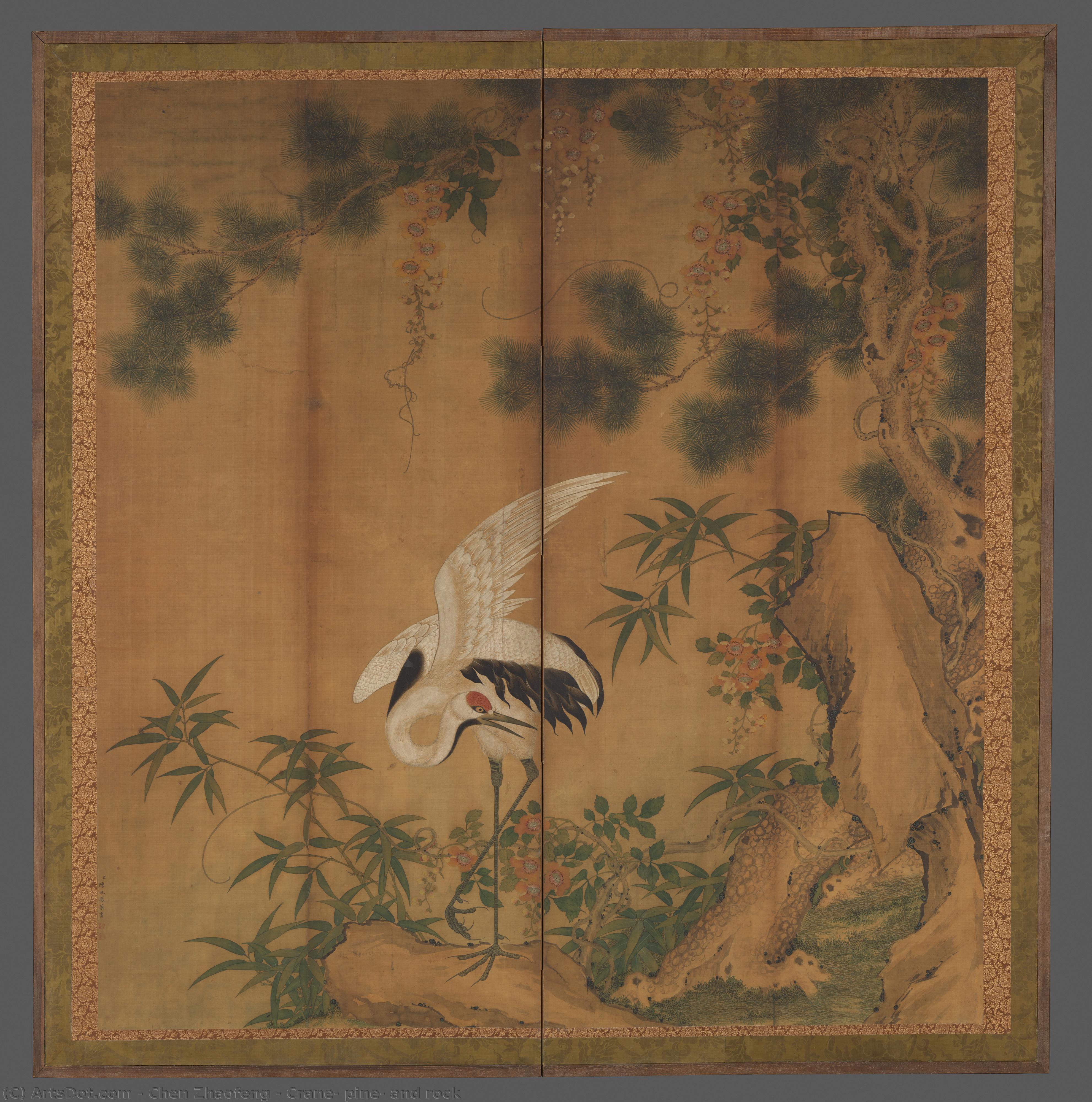
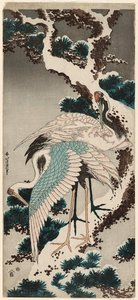
Crane, pine, and rock
 Silk
Silk- Textile
- Chinese Painting
 801
801- Early Medieval
 151.0cm x 141.0cm
 詳細を見る
詳細を見る




































作品のオリジナル比率に合わせた、当店の規定サイズからお選びください。

特定のフレームやスペースに合わせて、ご希望のサイズをご入力いただけます。選択されたサイズが元の画像の比率と異なる場合、アートワークをトリミングするか、手描きで要素を追加して絵画を拡張いたします。デジタルモックアップ を制作し、制作開始前にご確認(承認)をいただきます。
画面上のプレビューは、実際のトリミングや拡張を正確に反映しているものではありません。最終的な構図は、モックアップによってのみ正確にご確認いただけます。
カスタムサイズもご利用いただけますが、元の比率を維持するためには、あらかじめ用意されたリストからサイズを選択することをお勧めいたします。
ご注文後、ArtsDot.com チームより詳細な指示をお送りするとともに、仕上がりイメージ(モックアップ)をご提供いたします。


 ガラスオプションは、110cm未満のサイズでのみご利用いただけます。

Crane, pine, and rock
複製技法
複製画のサイズ
-


合計金額
$ 263
Introduction to the Artist and Painting
Chen Zhaofeng, also known as Chen Chao-feng, was a Chinese artist from Jiangxi, China. He is known for his artwork 'Crane, pine, and rock' dated 801, made with silk and in the style of Chinese painting. Chen Zhaofeng:Crane, pine, and rock (view on ArtsDot.com) is a significant piece in Chen's oeuvre, showcasing his mastery of the silk medium and his deep understanding of Chinese symbolism.Symbolism in 'Crane, Pine, and Rock'
In Chinese culture, the crane, pine tree, and rock are all symbols of longevity. The crane is a bird that lives for a long time, while the pine tree is evergreen and represents eternal life. The rock, often depicted as rugged and enduring, symbolizes stability and permanence. By combining these three elements in his painting, Chen Zhaofeng conveys a sense of hope and optimism for the future.The Role of Silk in Chinese Painting
Silk was a popular medium for Chinese painters due to its smooth surface and ability to hold ink well. The use of silk allowed artists like Chen Zhaofeng to create delicate lines and intricate details, as seen in 'Crane, Pine, and Rock'. Additionally, the sheen of silk added a luminous quality to the painting, enhancing the visual impact of the work.The Influence of Chinese Calligraphy on Painting
Chinese calligraphy had a profound influence on Chinese painting, as both art forms required a deep understanding of brushwork and ink control. Chen Zhaofeng's 'Crane, Pine, and Rock' demonstrates this connection, as the fluid lines and expressive brushstrokes are reminiscent of traditional Chinese calligraphy.Conclusion
Chen Zhaofeng's 'Crane, Pine, and Rock' is a masterful example of Chinese painting that showcases the artist's technical skill and cultural knowledge. By incorporating symbols of longevity and using silk as his medium, Chen creates a work that is both visually stunning and imbued with meaning. As an expert in Art from ArtsDot.com, I highly recommend exploring more of Chen Zhaofeng's works to gain a deeper appreciation for Chinese painting and its rich history.関連作品

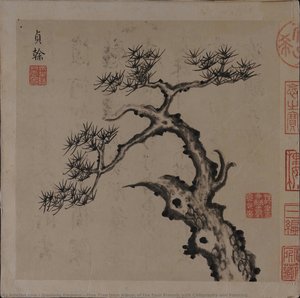
アーティストの略歴
Chen Chao-feng: A Tang Dynasty Master
Early Life and Historical Context
- Born: Jiangxi Province, China, 801
- Died: 868
- Chen Zhaofeng, also known as Chen Chao-feng, lived during the Tang Dynasty, a golden age of Chinese art and culture. This period (618–907 AD) was marked by economic prosperity, cosmopolitanism, and significant advancements in poetry, painting, and calligraphy.
- Details regarding Chen Chao-feng’s early life remain scarce, typical for many artists from this era. Historical records primarily focus on his artistic output rather than biographical details.
Artistic Style and Influences
- Chen Chao-feng is celebrated as a master of Chinese painting, specifically within the tradition of landscape art. His style embodies the principles of capturing not just visual appearance, but also the underlying spiritual essence of nature.
- His work demonstrates a refined technique and sensitivity to form, composition, and brushwork – hallmarks of Tang Dynasty painting.
- While specific artistic influences are difficult to pinpoint due to limited historical documentation, it’s likely he was influenced by earlier landscape masters of the Tang period who emphasized capturing the grandeur and harmony of nature. The prevailing philosophical currents of Daoism and Chan Buddhism also likely informed his artistic vision.
Notable Works: ‘Crane, Pine, and Rock’
- ‘Crane, Pine, and Rock’ (鶴松圖), created on silk in 801, is Chen Chao-feng's most famous surviving work. It exemplifies the artist’s skill and artistic philosophy.
- The painting depicts a crane, pine tree, and rocky landscape – each element carrying symbolic meaning within Chinese culture. The crane represents longevity and wisdom, the pine symbolizes resilience and steadfastness, and the rocks embody stability and permanence.
- The composition is carefully balanced, creating a sense of harmony and tranquility. Chen Chao-feng’s brushwork is delicate yet expressive, capturing the textures and forms with remarkable precision.
Artistic Legacy and Historical Significance
- Although details about his life are limited, Chen Chao-feng's contribution to Chinese art is undeniable. His work serves as a testament to the artistic achievements of the Tang Dynasty.
- His serene yet profound style has influenced generations of Chinese painters who followed, particularly those working in landscape traditions.
- ‘Crane, Pine, and Rock’ remains an important example of early Chinese landscape painting, studied by art historians and admired by collectors worldwide. It provides valuable insights into the aesthetic values and philosophical beliefs of the Tang Dynasty.
- Chen Chao-feng's legacy continues to inspire appreciation for traditional Chinese art and its enduring beauty.

chen chao-feng
China
基本情報
- Birth Date: 801
- Birth Place: Jiangxi, China
- Death Date: 868
- Movement: Tang Dynasty Painting
- Name: Chen Chao-feng (陳朝鳳)
- Nationality: Chinese
- Notable Works: Crane, Pine, and Rock (鶴松圖)
関連記事

White on Canvas: 10 Masterpieces & Timeless Elegance for Your Home Decor
Explore 10 iconic white paintings by Monet, Whistler & Rothko! Discover the stories behind these serene masterpieces and their impact on art history. Find museum-quality reproductions for your home decor at .
Arboreal Echoes: A Historical & Artistic Exploration of Trees in Painting
Explore the rich history of trees in painting! Discover symbolism, Romantic masterpieces by Caspar David Friedrich & beyond. A curated journey for art enthusiasts.
Arboreal Echoes: A Historical & Artistic Exploration of Trees in Painting
Explore the rich history of trees in painting! Discover symbolism, Romantic masterpieces by Caspar David Friedrich & beyond. A curated journey for art enthusiasts.

ポール・セザンヌ:至高の25選 - 傑作と革新の軌跡 | ArtsDot
ポール・セザンヌの至高の25選。ポスト印象派を代表する画家、セザンヌの傑作と革新的な技法を紐解きます。ArtsDotで高品質な複製画やインテリアアートを見つけ、芸術の世界をご自宅に。今すぐコレクションをご覧ください。

The Subtleties of White: Exploring Absence, Light & Symbolism in Art History
Explore the profound symbolism & history of white in art! From ancient purity to modern abstraction, discover how artists have used absence & light. Expert insights from ArtsDot.

