

 プレビュー
プレビュー
 プリントを購入
 シェアする
シェアする シェアする
シェアする
 詳細を見る
詳細を見る

 ダウンロード
 似ている作品
 X線調査
X線調査 スライドショー
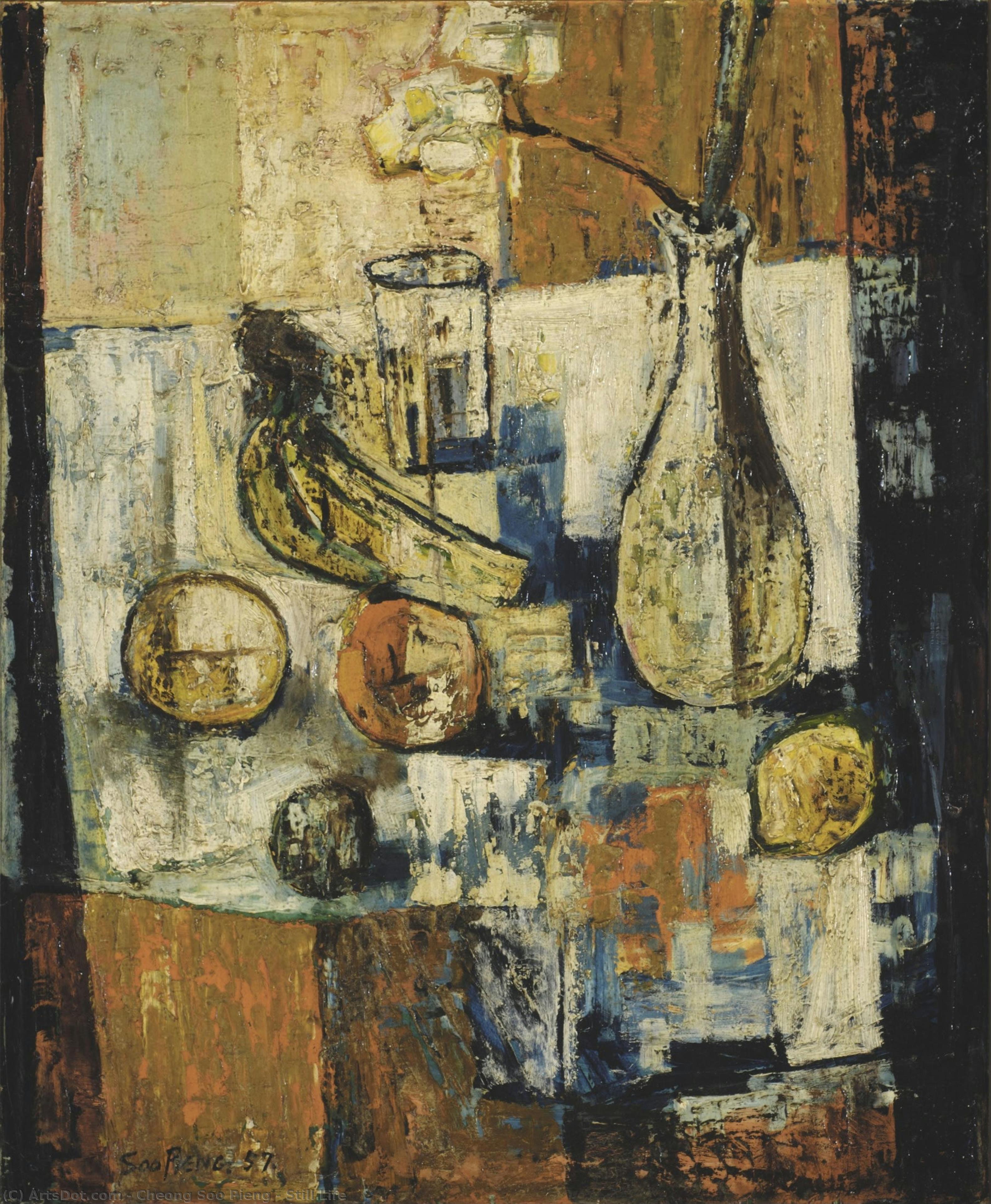
Still Life
 Oil On Canvas
- WallArt
- Cubism
 Modern
 49.0 x 59.0 cm
 ナショナル・ギャラリー・シンガポール
 詳細を見る
詳細を見る
オンラインプレビューをはるかに凌ぐ、高解像度で鮮明なデジタル画像をご購入いただけます。
各ファイルは、社内の専門家が高度なツールと熟練した手作業によるレタッチを用いて、細心の注意を払って準備されています。すべての画像において、卓越した鮮明度、正確な色彩再現性、そして繊細なディテールを保証いたします。
最終ファイルは、プロフェッショナルな編集・印刷環境ですぐにご利用いただけるよう最適化された状態で、72時間以内にメールにてお届けいたします。これは、一流のデザインスタジオ、出版社、ギャラリーから信頼されているものと同等の品質です。
デジタル画像のご注文に付随する特典
高品質なデジタル画像配信を、確かな品質で。
ArtsDot.com を選ぶことは、単に画像を手に入れることではありません。それは、プロの手によって精密に仕上げられ、満足保証が付いた高品質なデジタルアートワークを受け取ることを意味します。ご注文いただいた際に自動的に付随する内容は、以下の通りです:

メールですぐにお届け
ご注文から72時間以内に、高解像度のデジタル画像ファイルがメールでお手元に届きます。すぐにそのままご利用いただけます。

AI技術で最適化されたデジタルファイル
お客様の作品は、高度なAIツールと専門家による手作業の編集を組み合わせてプロフェッショナルに最適化されており、細部のディテール、鮮明さ、そして正確な色再現性を最大限に引き出しています。

一生涯無料の再送サービス
ファイルを誤って削除したり、紛失してしまったりしましたか?ご安心ください。いつでも無料で再送いたします。

輸入手数料は一切かかりません
関税や手数料、配送料を気にすることなく、お気に入りのアートワークをすぐにお楽しみいただけます。デジタルダウンロードは常に免税です。

色彩再現の保証
プロ仕様のツールとカラーマネジメント技術を用いることで、デジタル画像が元の色を最大限に忠実に再現することを保証いたします。

100日間満足保証
ご購入いただいたデジタル画像にご満足いただけない場合は、100日以内であれば、理由を問わず修正または100%の返金対応をさせていただきます。

100% 返金保証
ご満足いただけない場合は、デジタルファイルを受け取ってから100日以内であれば、理由を問わず全額返金いたします。

まとめ買い割引
3枚購入で10%OFF - 5枚購入で15%OFF - 10枚以上購入で20%OFF。クリエイティブなプロジェクト、ギャラリー、エージェンシーに最適です。
A Symphony of Form and Fragmented Light
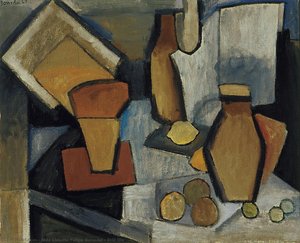
In the quiet intimacy of Cheong Soo Pieng’s Still Life, the viewer is invited into a world where the mundane becomes monumental. This captivating composition transcends a simple arrangement of fruit; it is a profound exploration of structure, light, and the tactile essence of objects. At first glance, one encounters a rhythmic dance of bananas, oranges, and grapes, nestled alongside the translucent elegance of a glass bottle and a delicate vessel. Yet, as the eye lingers, the traditional boundaries of the subject begin to dissolve. Through a masterful application of Cubist-influenced abstraction, the artist deconstructs these familiar elements into a series of overlapping planes and geometric echoes. The composition breathes with a controlled chaos, where angular lines and broken shapes create a sense of movement that feels both spontaneous and meticulously orchestrated.
The technique employed in this piece is nothing short of visceral. Utilizing the rich, heavy medium of oil on canvas, Cheong Soo Pieng employs a thick impasto application that lends the work a sculptural quality. Each brushstroke is visible and expressive, contributing to a rugged, layered texture that invites the touch. This tactile depth is complemented by a sophisticated play of light; rather than relying on a single, predictable source, the illumination seems to emanate from multiple directions, casting highlights and shadows that define the three-dimensionality of the fruit while simultaneously flattening the perspective in a nod to modernism. The color palette, dominated by earthy, grounded tones with subtle whispers of blue and white, creates a muted yet emotionally resonant atmosphere that feels timeless.
The Legacy of Nanyang Modernism
To understand the soul of this painting, one must look toward the historical currents of the Nanyang style. As a pioneer of this movement, Cheong Soo Pieng achieved something extraordinary: the seamless fusion of Western modernist techniques—such as the fragmentation of Cubism and the dreamlike qualities of Surrealism—with the vibrant, soulful essence of Southeast Asian life. This particular work serves as a testament to that synthesis. While the structural language is undeniably rooted in the European avant-garde, the warmth of the palette and the organic arrangement evoke the tropical abundance of the region. It is a piece that bridges continents, merging the intellectual rigor of academic training from the Xiamen Academy of Fine Art with the lived experience of a master artist navigating a changing cultural landscape.
Beyond its formal brilliance, the Still Life carries a subtle, poetic symbolism. The genre itself has long served as a meditation on abundance and the fleeting nature of time—a memento mori expressed through the ripeness of fruit. In Cheong’s hands, this theme is elevated by the abstraction; as the forms fragment, there is a sense of the ephemeral, a reminder that beauty exists in the tension between permanence and decay. For the discerning collector or interior designer, this artwork offers more than mere decoration. It provides a sophisticated focal point that commands attention through its complexity and depth. Whether placed in a contemporary gallery setting or a curated residential space, the painting acts as an anchor of intellectual and aesthetic prestige, offering a window into a pivotal moment in 20th-century art history.
関連作品




作家の略歴
The Architect of Nanyang Modernism
In the vibrant tapestry of twentieth-century Asian art, few threads shine as brightly or as uniquely as those woven by Cheong Soo Pieng. A visionary who bridged the vast distance between the ancient traditions of the East and the avant-garde movements of the West, Cheong stands as a monumental figure in Singaporean art history. Born in 1917 in Amoy, China, his early life was marked by a profound connection to the classical aesthetics of his heritage, yet his spirit was destined for the tropical rhythms of Southeast Asia. His formative education at the Xiamen Academy of Fine Art and later in Shanghai provided him with a rigorous foundation in Chinese ink painting, but it was his move to Singapore in 1946 that would ignite his true artistic revolution.
Cheong did not merely adopt a new landscape; he reimagined it through a lens of modernism. Alongside contemporaries like Chen Wen Hsi, he became a primary architect of the Nanyang style—a movement that sought to capture the soul of the Malay Peninsula and the Indonesian archipelago. This was not a mere imitation of European trends, but a sophisticated fusion. He took the structural lessons of Cubism and the dreamlike qualities of Surrealism and breathed into them the warmth, color, and cultural vitality of Southeast Asian life. His work became a dialogue between the geometric precision of the West and the organic, flowing essence of the tropics.
A Symphony of Form and Local Essence
To gaze upon a Cheong Soo Pieng masterpiece is to witness a masterful command of both line and light. His technique was characterized by an extraordinary ability to use bold, saturated colors and thick black contours to delineate forms that felt both grounded and ethereal. He possessed a signature way of depicting indigenous tribal people, often portraying figures with elongated limbs and almond-shaped eyes—a stylistic choice that lent his subjects a graceful, almost mythic quality. This rhythmic approach to the human figure allowed him to transform everyday scenes into something timeless and iconic.
His subject matter served as a love letter to the regional identity. Through his brush, the mundane became magnificent:
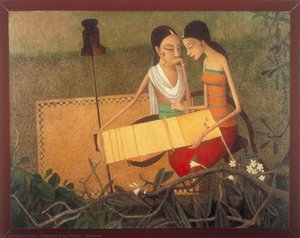
- The Rhythms of Labor: He captured the communal spirit of Weaver and the industriousness of fishermen hauling nets or farmers tending to rice paddies.
- Cultural Heritage: Works like Kayan Musician celebrate the traditional musical performances that define the region's cultural heartbeat.
- Tropical Serenity: In pieces such as Bali Beach, he invited viewers into a world of relaxation and sun-drenched landscapes, using fragmented geometric shapes to mirror the heat and movement of the shore.
- The Beauty of the Ordinary: Even in his more intimate studies, such as Drying Salted Fish or his various still lifes, there is an unwavering dedication to the palpable essence of human experience within a specific cultural context.
Legacy and the Enduring Spirit of Innovation
As his career progressed, Cheong’s experimentation knew no bounds. He was never content with staying within the safety of oil or watercolor; he fearlessly pushed the limits of his medium by exploring metal reliefs, lacquer, Masonite, and mixed media. This relentless pursuit of innovation ensured that his work remained dynamic, evolving from the figurative clarity of his early Nanyang years toward more complex, layered, and abstract compositions. His later works, such as Abstract Composition, demonstrate a profound depth where texture and color take center stage, reflecting a mature artist grappling with the very essence of spatial relationships.
Cheong Soo Pieng passed away in 1983, but his influence remains an indelible part of the global art canon. He did more than create paintings; he helped forge a visual identity for a region in transition. By rejecting rigid European academic conventions in favor of a style that honored local textures and rhythms, he gave Southeast Asia a modern voice. Today, his works reside in prestigious collections such as the National Gallery Singapore, serving as a permanent testament to a man who saw the beauty in the fragmented, the strength in the stylized, and the eternal in the everyday.
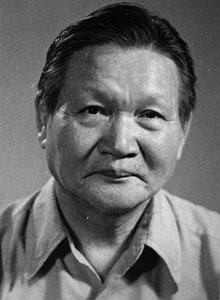
cheong soo pieng
1917 - 1983
プロフィール概要
- Artistic Movement Or Style: Nanyang Style
- Artists Or Movements Influenced By This Artist: ['Modernism']
- Artists Who Influenced This Artist: ['Cubism']
- Date Of Birth: 1917
- Date Of Death: July 1, 1983
- Full Name: Cheong Soo Pieng
- Nationality: Singaporean
- Notable Artworks:
- Still Life
- Drying Salted Fish
- Abstract Composition
- Place Of Birth: Xiamen