

 プレビュー
プレビュー
 シェアする
シェアする シェアする
シェアする
 詳細を見る
詳細を見る

 ダウンロード
 似ている作品
 X線調査
X線調査 スライドショー
 統計情報
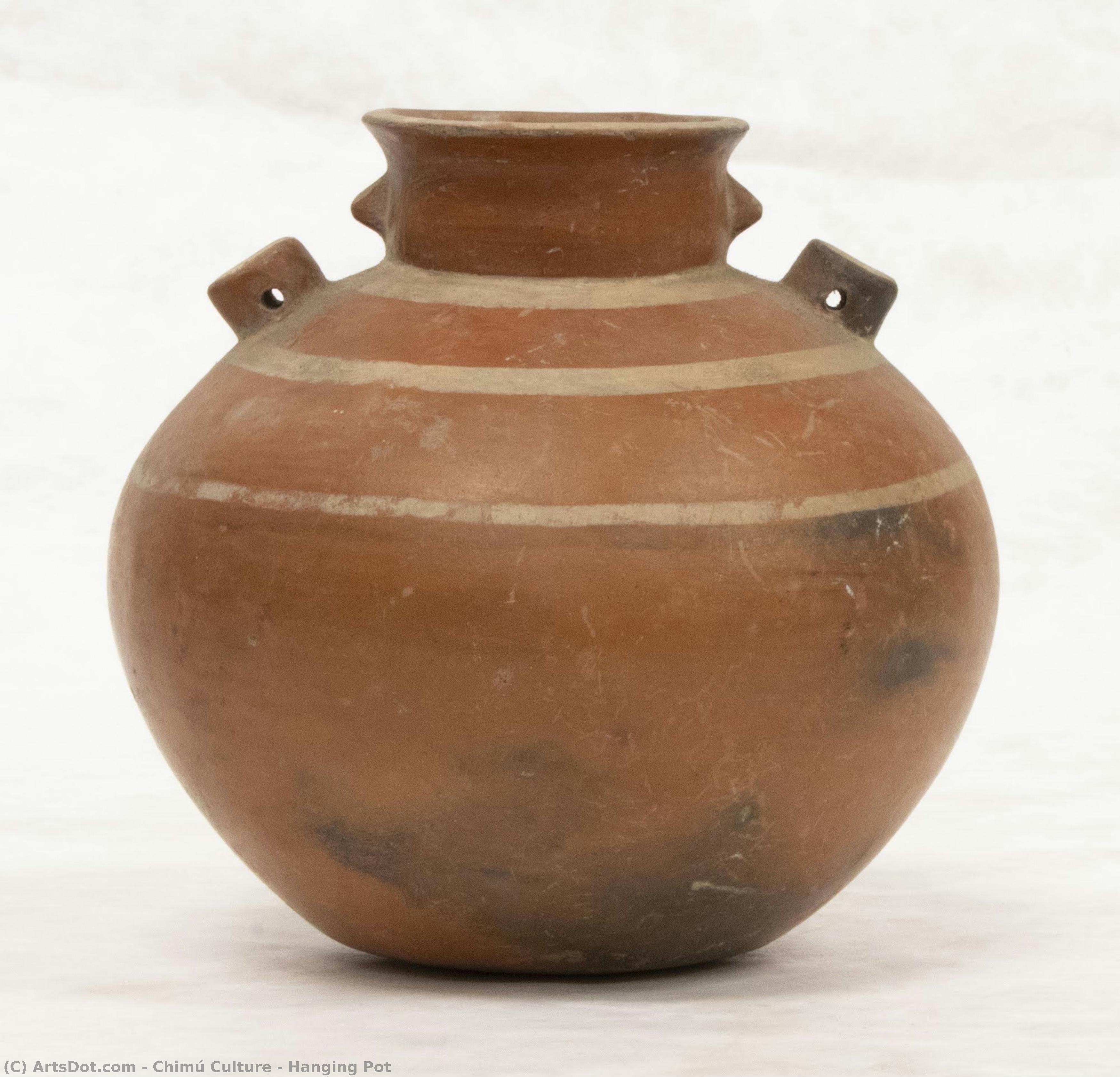
統計情報Hanging Pot


 詳細を見る
詳細を見る
手描き油彩複製画
当社のアーティストが、お客様のご希望のサイズと額縁に合わせて、キャンバスに手描きで制作する油彩画です。 ( プリント版に切り替え デジタル画像販売へ切り替え)




































作品のオリジナル比率に合わせた、当店の規定サイズからお選びください。

特定のフレームやスペースに合わせて、ご希望のサイズをご入力いただけます。選択されたサイズが元の画像の比率と異なる場合、アートワークをトリミングするか、手描きで要素を追加して絵画を拡張いたします。デジタルモックアップ を制作し、制作開始前にご確認(承認)をいただきます。
画面上のプレビューは、実際のトリミングや拡張を正確に反映しているものではありません。最終的な構図は、モックアップによってのみ正確にご確認いただけます。
カスタムサイズもご利用いただけますが、元の比率を維持するためには、あらかじめ用意されたリストからサイズを選択することをお勧めいたします。
ご注文後、ArtsDot.com チームより詳細な指示をお送りするとともに、仕上がりイメージ(モックアップ)をご提供いたします。


 ガラスオプションは、110cm未満のサイズでのみご利用いただけます。

Hanging Pot
複製技法
複製画のサイズ
-


合計金額
$ 263
関連作品









アーティストの略歴
The Echoes of Monochrome: Exploring the Legacy of Chimú Art
The Chimú culture, flourishing on Peru’s northern coast between the 12th and 15th centuries CE, remains an enigma to historians and artists alike. Unlike its contemporaries like the Moche civilization, which embraced vibrant polychromy, the Chimú aesthetic prioritized a singular palette—primarily shades of beige and ochre—resulting in ceramics and metalwork that possess a haunting beauty and unparalleled sophistication. This distinctive style wasn’t merely decorative; it reflected a profound worldview rooted in lunar worship and an elaborate system of ritual offerings intended to appease celestial deities. To touch a piece of Chimú art is to feel the pulse of an ancient civilization that found immense power in restraint and subtle texture.
Emerging from the arid landscapes of Peru’s Lambayeque region, the Chimú civilization arose as a successor to earlier cultures like Chavín de a Huántar, inheriting a complex cosmology centered around the moon. This deity wasn't viewed as merely benevolent but rather as a force demanding respect and constant appeasement—a concept powerfully conveyed through their artistic output. The monochromatic glaze technique itself is believed to have been influenced by astronomical observations, specifically the tracking of lunar cycles during crucial agricultural seasons. Artists meticulously prepared clay mixtures incorporating pigments derived from minerals like cinnabar and hematite, painstakingly applying thin layers of glaze that achieved an astonishing consistency across vast surfaces.
Mastery of Form and Sound
The Chimú mastery of monochrome glazing represents a monumental achievement in ceramic technology. Unlike other cultures who utilized temperamental oxides to create color, Chimú artisans perfected a method utilizing finely ground quartz sand mixed with clay—a process that yielded remarkably stable results. This technique demanded exceptional skill to ensure the surface remained polished and minimally decorated, yet visually arresting. One of the most enchanting manifestations of this skill is found in their whistling vessels. These were not merely containers but interactive sensory experiences; as water moved through a hollow tube into an adjoining chamber, it created a flow of air that emerged from the top with a haunting, melodic whistle.
Beyond ceramics, the Chimú were unparalleled masters of metallurgy and urban planning. Their capital, Chan Chan, stands today as a UNESCO World Heritage site, a sprawling labyrinth of adobe palaces and intricate friezes that showcase their architectural genius. The artistry extended into the very earth they inhabited, through sophisticated irrigation systems that transformed the desert into a fertile kingdom. Their work often featured motifs of marine life and birds, reflecting a deep connection to the Pacific Ocean and the natural rhythms of their coastal environment.
A Lasting Historical Significance
The era of the Chimú kingdom, also known as Chimor, eventually reached its conclusion through conquest by the Inca Empire. However, the artistic soul of the culture was never truly extinguished. The legacy of their monochromatic elegance and technical precision left an indelible mark on the Andean tradition. Their ability to evoke emotion through a limited color palette and complex structural forms continues to captivate modern observers, serving as a testament to a civilization that found infinite depth within the simplest of tones.
The enduring importance of Chimú art can be summarized through several key elements:
- Technological Innovation: The perfection of stable, monochrome glazing using quartz sand.
- Sensory Artistry: The creation of acoustic ceramics, such as whistling vessels, that bridged the gap between visual and auditory art.
- Cosmological Expression: An aesthetic language deeply intertwined with lunar worship and astronomical precision.
- Architectural Grandeur: The development of Chan Chan, one of the largest adobe cities in the ancient world.
chimú culture
Peru
基本情報
- Artistic Movement Or Style: Monochromatic Pottery
- Full Name: Chimú Culture
- Nationality: Indigenous Peruvian
- Notable Artworks:
- Frog Whistle
- Hanging Pot
- Place Of Birth: Peru