

 シェアする
シェアする シェアする
シェアする
 詳細を見る
詳細を見る

 ダウンロード
 似ている作品
 スライドショー
 Stats
StatsBreathing Flower


 詳細を見る
詳細を見る
手描き油彩複製画
当社のアーティストが、お客様のご希望のサイズと額縁に合わせて、キャンバスに手描きで制作する油彩画です。 ( Switch to Print Switch to Digital Image)




































作品のオリジナル比率に合わせた、当店の規定サイズからお選びください。

特定のフレームやスペースに合わせて、ご希望のサイズをご入力いただけます。選択されたサイズが元の画像の比率と異なる場合、アートワークをトリミングするか、手描きで要素を追加して絵画を拡張いたします。デジタルモックアップ を制作し、制作開始前にご確認(承認)をいただきます。
画面上のプレビューは、実際のトリミングや拡張を正確に反映しているものではありません。最終的な構図は、モックアップによってのみ正確にご確認いただけます。
カスタムサイズもご利用いただけますが、元の比率を維持するためには、あらかじめ用意されたリストからサイズを選択することをお勧めいたします。
ご注文後、ArtsDot.com チームより詳細な指示をお送りするとともに、仕上がりイメージ(モックアップ)をご提供いたします。


 ガラスオプションは、110cm未満のサイズでのみご利用いただけます。

Breathing Flower
複製技法
複製画のサイズ
-


合計金額
$ 263
A Symphony of Synthetic Petals
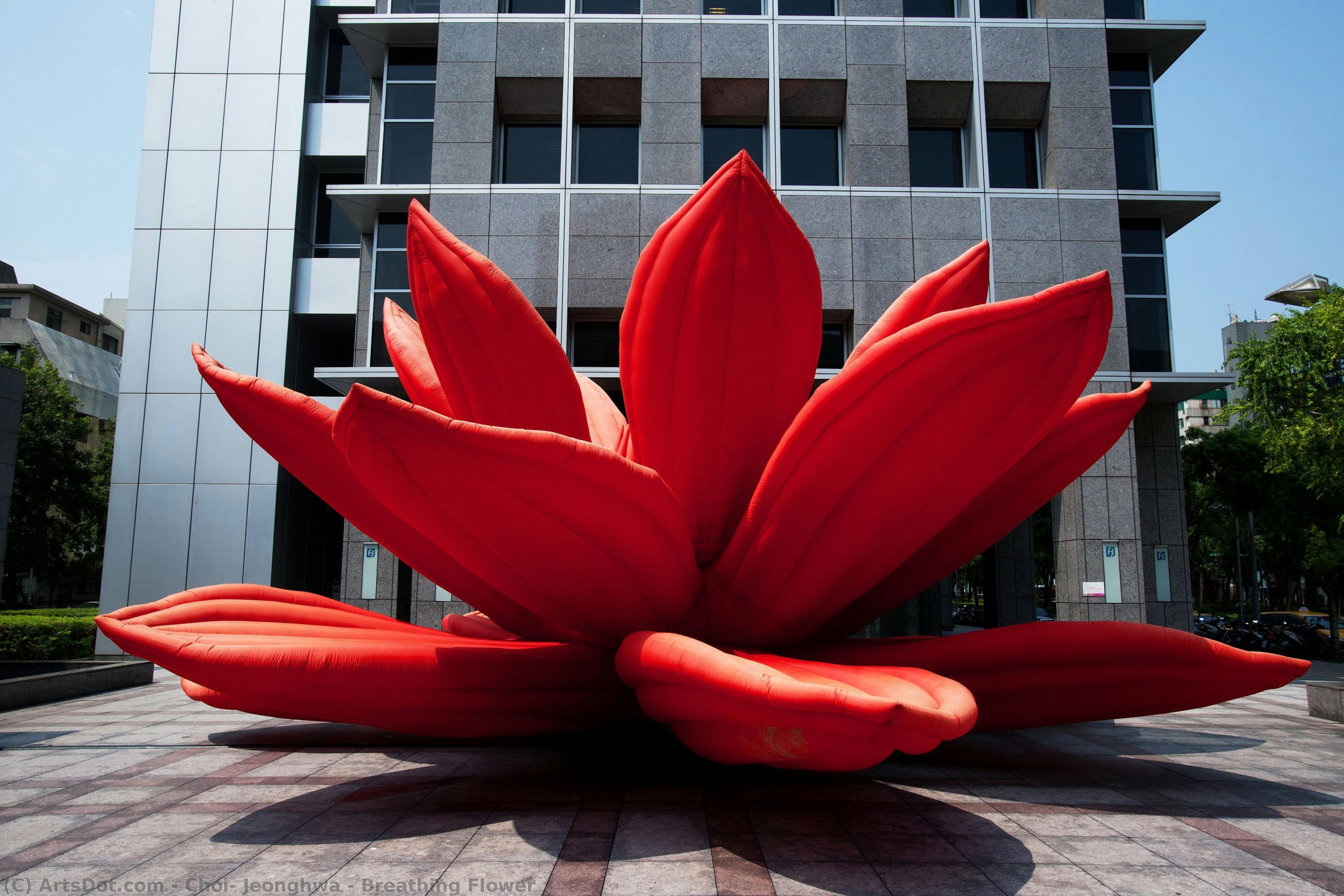
In the heart of the bustling urban landscape, where the concrete jungle often stifles the natural spirit, Choi Jeonghwa presents a breathtaking intervention known as Breathing Flower. This monumental sculpture serves as a vibrant pulse within the city, a colossal lotus that defies the traditional boundaries between the organic and the industrial. At first glance, the viewer is struck by an explosion of crimson and scarlet, a visual feast that commands attention through its sheer scale and unapologetic brightness. The work does not merely sit within its environment; it breathes within it, utilizing a sophisticated mechanical movement that allows the petals to open and close, mimicking the rhythmic respiration of a living organism.
The brilliance of this piece lies in its ability to transform the mundane into the magnificent. By utilizing synthetic materials, plastic components, and inflatable elements, Choi engages with the very fabric of contemporary consumer culture. There is a profound, almost poetic irony in using mass-produced, inexpensive materials to recreate one of nature's most sacred symbols. This technique invites us to reconsider our relationship with the objects we discard and the globalized economy that produces them. For the collector or the designer, this artwork represents a bold statement on the beauty found within the artificial, offering a way to inject a sense of dynamic life and avant-garde energy into any sophisticated space.
Symbolism and the Urban Pulse
The lotus has long been revered across Asian cultures as a symbol of purity, resilience, and spiritual awakening, rising from the mud to bloom in pristine beauty. Choi Jeonghwa honors this ancient lineage while simultaneously subverting it through his choice of medium. By rendering the lotus in bright, plasticized textures, he bridges the gap between historical reverence and modern reality. The sculpture becomes a metaphor for the modern metropolis—a place where nature is often simulated or reconstructed through technology and human ingenuity.
As the mechanism moves, creating a lifelike undulation, the piece evokes an emotional response of wonder and surprise. It challenges the observer to find harmony in the juxtaposition of man-made machinery and natural form. This tension between the "ready-made" and the "organic" is where the true magic of Breathing Flower resides. It is a celebration of visual aesthetics that transcends the material, reminding us that art should be an immersive experience that permeates every minute of our lives. For those seeking to curate an environment of inspiration, this work offers a captivating dialogue between the past and the future, making it an unparalleled centerpiece for any collection focused on contemporary innovation.
関連作品



アーティストの略歴
The Alchemy of the Everyday: The Visionary World of Choi Jeonghwa
In the vibrant, neon-soaked landscape of contemporary art, few figures command attention with as much playful audacity as Choi Jeonghwa. Born in Seoul in 1961, Choi has emerged not merely as a sculptor or a designer, but as a master of transformation. His practice is a profound meditation on the ephemeral nature of modern life, achieved through the radical reimagining of the mundane. By breathing new life into discarded plastics, polystyrene, and mass-produced trinkets, he bridges the gap between high art and the kitsch of daily existence, creating a visual language that is as much about ecological awareness as it is about pure, unadulterated joy.
Choi’s artistic journey is deeply intertwined with the rapid metamorphosis of Seoul itself. Growing up amidst the city's burgeoning creative energy, he developed an early fascination with the intersection of graphic design, industrial aesthetics, and the sheer visual density of urban life. This multidisciplinary foundation allowed him to approach sculpture without the constraints of traditional medium-specific boundaries. His work does not merely sit in a gallery; it breathes within the space, often expanding into monumental installations that challenge our perceptions of scale and value. He possesses a unique ability to take the "cheap" and the "disposable"—materials often ignored or reviled by the art establishment—and elevate them to the status of breathtaking spectacle.
Influences and the Spirit of Rebellion
The conceptual heartbeat of Choi’s work is deeply rooted in the avant-garde traditions of Fluxus and Dadaism. These movements, which championed absurdity, chance, and the dismantling of academic hierarchies, provided him with a blueprint for artistic rebellion. From these influences, Choi inherited a belief that art should be accessible, humorous, and even provocative. He rejects the solemnity often associated with fine art, opting instead for an aesthetic of "pop" that invites the viewer to participate in a shared moment of wonder. This spirit of experimentation is evident in his mastery of unconventional materials; he manip deconstructed wires, recycled plastics, and inflated balloons to create structures that feel both weightless and imposing.
His development as an artist was marked by a rigorous commitment to the tactile reality of his chosen media. Rather than seeking permanence through bronze or marble, Choi embraces the temporary. His sculptures often mirror the lifecycle of the objects they are composed of—vibrant, blooming, and eventually subject to the same decay as the consumer culture they critique. This tension between the spectacular visual impact and the inherent fragility of the materials creates a poignant dialogue about consumption, waste, and the fleeting nature of beauty in a globalized society.
Global Recognition and Lasting Legacy
The international art community has long recognized Choi’s ability to turn the ephemeral into the iconic. One of his most celebrated achievements remains the “White Lotus,” a colossal, ethereal flower constructed from inflated polystyrene that captivated audiences at the 2005 Venice Biennale. This work served as a definitive statement of his artistic philosophy: using the most humble, mass-produced elements to create something of transcendent, monumental beauty. Such works have cemented his reputation as an artist who can navigate the complexities of public art, architecture, and installation with seamless grace.
Beyond the gallery walls, Choi Jeonghwa’s significance lies in his ability to democratize the aesthetic experience. His large-scale installations often function as public interventions, transforming urban spaces into playgrounds of color and light. Through his work, he forces a confrontation with our ecological footprint, reminding us that even in the debris of our consumerist habits, there is a profound potential for rebirth. His legacy is one of continuous reinvention, proving that art is not found in the preciousness of the material, but in the transformative power of the artist's gaze.
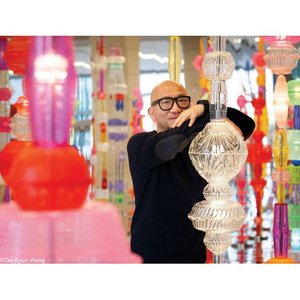
choi, jeonghwa
1961 - , South Korea
基本情報
- Artistic Movement Or Style: Contemporary Sculpture
- Date Of Birth: Seoul, South Korea (1961)
- Date Of Death: Living
- Full Name: Choi Jeonghwa
- Nationality: Korean
- Notable Artworks:
- White Lotus
- Breathing Flower
- Place Of Birth: Seoul
関連記事

The Enduring Form: Exploring Themes & Techniques in Sculpture Across Historical Periods
Explore the rich history of sculpture from ancient masterpieces to contemporary innovations. Discover key techniques, influential artists & investment potential for discerning art collectors.

Crimson Threads of Narrative: Exploring Symbolism & Representation in Artworks Featuring the Red Dress
Explore the rich symbolism of the red dress in art history! From ancient power displays to iconic portraits like Cézanne’s 'Madame Cezanne', discover the cultural and artistic significance behind this captivating color. Expert analysis & insights.

The Enduring Form: Sculpture Across History, Technique & Emotional Resonance
Explore the rich history of sculpture with ArtsDot. Discover key techniques, influential artists & investment potential for discerning collectors. Expert insights into valuing and collecting timeless masterpieces.

Bronze Age to Modern Masters: 10 Sculptures That Redefined Art | ArtsDot
Journey through art history with 10 legendary bronze sculptures – from Michelangelo's David to Rodin’s Thinker. Explore the stories, techniques & timeless beauty of these masterpieces. Find museum-quality reproductions & elevate your home decor on ArtsDot.com.

Bronze Sculptures That Defined Art History | ArtsDot
Journey through art history with our Top 10 bronze sculptures! Explore masterpieces by Rodin, Michelangelo & more. Discover stories behind iconic statues and find museum-quality reproductions for your home decor at ArtsDot.com.