

 プレビュー
プレビュー
 シェアする
シェアする シェアする
シェアする
 詳細を見る
詳細を見る

 ダウンロード
 似ている作品
 X線調査
X線調査 スライドショー
 統計情報
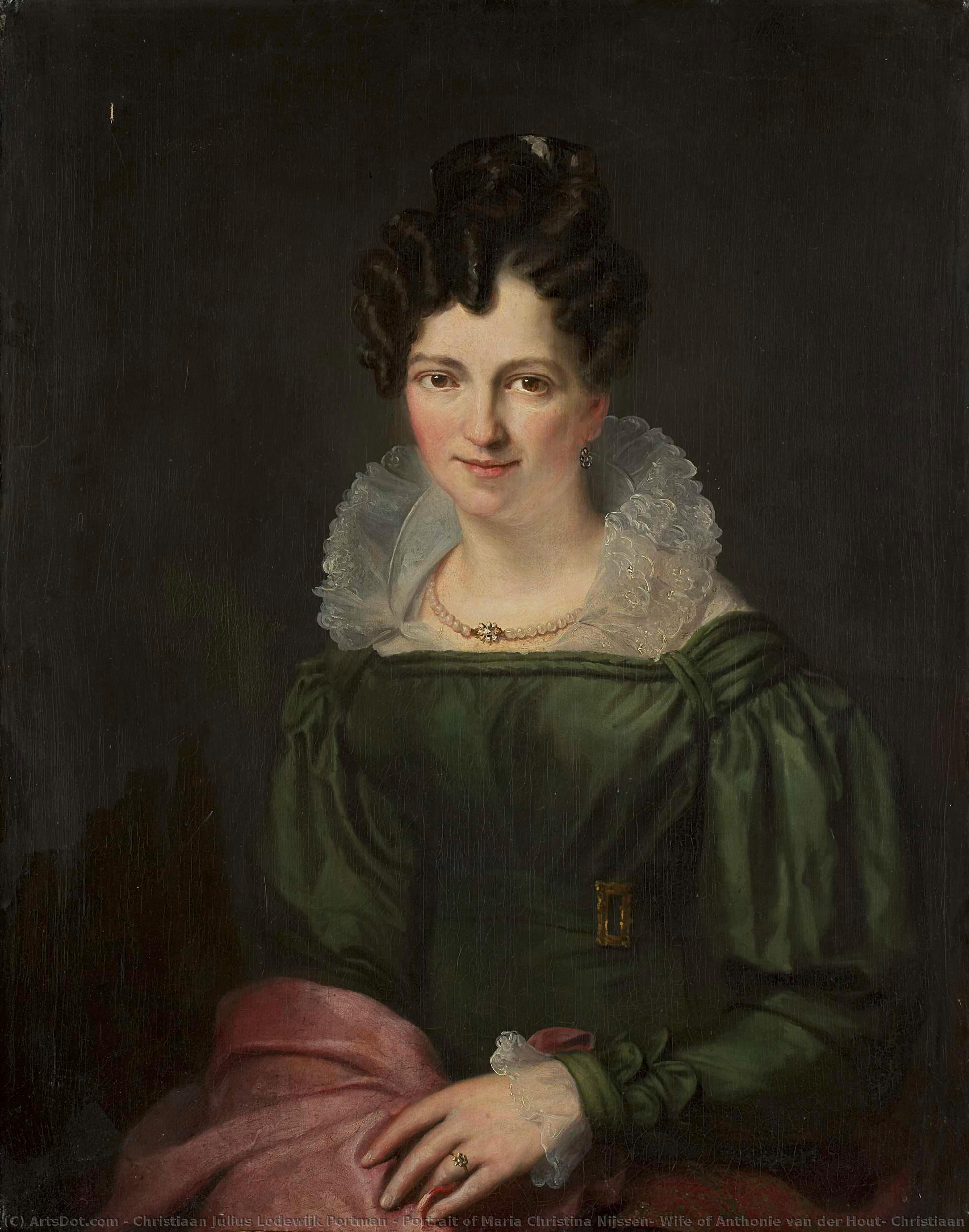
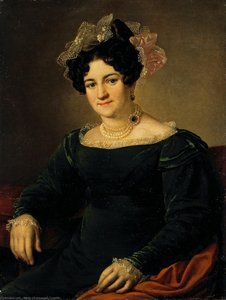
統計情報Portrait of Maria Christina Nijssen, Wife of Anthonie van der Hout, Christiaan Julius Lodewijk Portman, 1826
 Neoclassicism
 1826
1826 68.0 x 8.0 cm
 詳細を見る
詳細を見る
手描き油彩複製画
当社のアーティストが、お客様のご希望のサイズと額縁に合わせて、キャンバスに手描きで制作する油彩画です。 ( プリント版に切り替え デジタル画像販売へ切り替え)




































作品のオリジナル比率に合わせた、当店の規定サイズからお選びください。

特定のフレームやスペースに合わせて、ご希望のサイズをご入力いただけます。選択されたサイズが元の画像の比率と異なる場合、アートワークをトリミングするか、手描きで要素を追加して絵画を拡張いたします。デジタルモックアップ を制作し、制作開始前にご確認(承認)をいただきます。
画面上のプレビューは、実際のトリミングや拡張を正確に反映しているものではありません。最終的な構図は、モックアップによってのみ正確にご確認いただけます。
カスタムサイズもご利用いただけますが、元の比率を維持するためには、あらかじめ用意されたリストからサイズを選択することをお勧めいたします。
ご注文後、ArtsDot.com チームより詳細な指示をお送りするとともに、仕上がりイメージ(モックアップ)をご提供いたします。


 ガラスオプションは、110cm未満のサイズでのみご利用いただけます。

Portrait of Maria Christina Nijssen, Wife of Anthonie van der Hout, Christiaan Julius Lodewijk Portman, 1826
複製技法
複製画のサイズ
-


合計金額
$ 263
関連作品
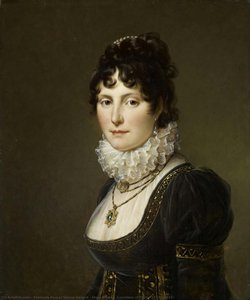
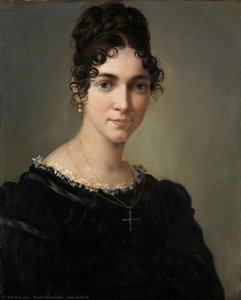

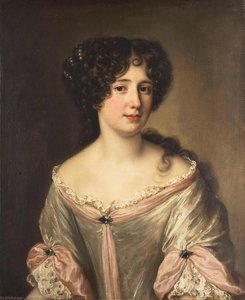
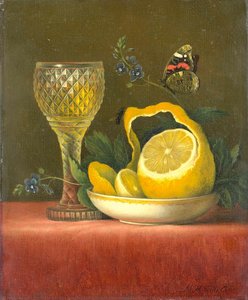
アーティストの略歴
Francisco Goya: A Visionary of Darkness and Light
Born in Fuendetodos, Spain, in 1746, Francisco José de Goya y Lucientes’s life was a remarkable tapestry woven from artistic brilliance, personal tragedy, and profound social observation. Initially trained as a court painter under the tutelage of José Luzán y Martínez and later influenced by the Neoclassical style of Anton Raphael Mengs in Madrid, Goya rapidly ascended through the ranks of Spanish aristocracy, producing portraits and decorative frescoes that initially catered to the tastes of the royal court. However, it was his evolving artistic vision—one increasingly marked by a darker sensibility—that would ultimately cement his legacy as one of art’s most significant and unsettling figures.
Goya's early career was characterized by a polished, elegant style, exemplified in works like *The Family of Marquis de Sade* (1793-94) and the series of portraits commissioned by the Spanish crown. These pieces showcased his technical skill and ability to capture the superficial grandeur of aristocratic life. Yet, beneath this veneer of refinement, hints of a growing disillusionment began to emerge. The influence of the Enlightenment ideals of reason and progress clashed with the realities of political instability and social injustice in Spain during the late 18th century.
The Turbulent Years: War, Plague, and Personal Loss
The French invasion of Spain in 1808 marked a pivotal moment in Goya’s life and art. Witnessing firsthand the brutality of war and the suffering inflicted upon his countrymen, he produced a series of powerful etchings known as *The Disasters of War* (1810-14). These stark depictions of violence, executions, and civilian casualties—including the iconic image of *The Third of May 1808*, depicting Spanish rebels facing down firing French soldiers—are not merely historical records but visceral expressions of human anguish. This period was further compounded by the devastating effects of the cholera epidemic that ravaged Madrid in 1817, an event Goya documented with unsettling realism in *The Plague* (1819-20).
Personal tragedy also cast a long shadow over Goya’s life. The loss of his wife, Maria Josepha, and their daughter, Lola, in quick succession deeply affected him, contributing to a period of profound depression. This emotional turmoil manifested in his later works, particularly the *Black Paintings*, a series of intensely dark and psychologically charged canvases executed directly on the walls of his Quinta del Sordo (Deaf House) residence.
The Evolution of Style: From Rococo to Romanticism
Throughout his career, Goya’s style underwent a dramatic transformation. Initially influenced by the Rococo traditions of his early training, he gradually embraced a more expressive and emotionally charged approach. His use of color became increasingly bold and dramatic, moving from delicate pastels to intense blacks, browns, and reds. His brushwork grew looser and more gestural, reflecting a desire to capture not just appearances but also the inner turmoil of his subjects.
Goya’s later works, particularly those produced during his time in exile in Bordeaux, France, foreshadowed the Romantic movement. His emphasis on subjective experience, emotional intensity, and the exploration of dark themes—such as death, madness, and the grotesque—anticipated the sensibilities of artists like Eugène Delacroix and Caspar David Friedrich. His *Saturn* (1819-23), for example, is a terrifying depiction of the Roman god’s punishment of his son, embodying themes of tyranny and despair.
Legacy and Influence
Francisco Goya remains one of the most influential artists in Western art history. His unflinching portrayal of human suffering, coupled with his innovative use of technique and color, continues to resonate with audiences today. His work profoundly impacted subsequent generations of painters, including Édouard Manet, Pablo Picasso, and Salvador Dalí, who acknowledged Goya’s influence on their own artistic visions.
Beyond his individual masterpieces, Goya's legacy lies in his willingness to confront difficult truths about the human condition. His art serves as a powerful reminder of the darkness that can exist within us all, and the importance of bearing witness to the suffering of others. His exploration of psychological states—particularly through the *Black Paintings*—paved the way for modern approaches to representing inner experience in art.
Major Works
- The Family of Marquis de Sade (1793-94)
- Saturn Devouring His Son (1819-23)
- The Third of May 1808 (1814)
- *Los Desastres de la Guerra* (The Disasters of War) (1810-14)
- *The Sleep of Reason Produces Monsters* (1797-98)
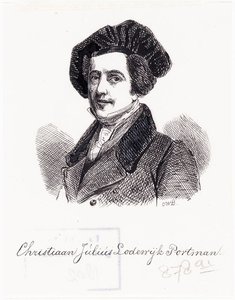
christiaan julius lodewijk portman
1799 - 1868 , Netherlands
基本情報
- Artistic Movement Or Style: Romanticism, Neoclassicism
- Artists Or Movements Influenced By This Artist: ['19th-century painters']
- Artists Who Influenced This Artist:
- Diego Velázquez
- Tiepolo
- Mengs
- Date Of Birth: March 30, 1746
- Date Of Death: April 16, 1828
- Full Name: Francisco Goya y Lucientes
- Nationality: Spanish
- Notable Artworks:
- The Third of May 1808
- Saturn Devouring His Son
- The Naked Maja
- Place Of Birth: Fuendetodos, Spain
関連記事

黄金世紀の巨匠たち:バロック絵画が彩る10選|ArtsDot
オランダ黄金時代の10大傑作を紐解く!レンブラント、フェルメール…バロック絵画の魅力と時代背景を深く探求。ArtsDotで、至高のアートコレクションと空間演出のヒントを見つけよう。高品質なアートプリントで、お部屋を華やかに。
Neo-Classicism's Greatest Hits: 10 Masterpieces for Your Home |
Journey through Neo-Classicism's finest! Explore 10 iconic masterpieces by David, Ingres & Canova. Discover art history, techniques & timeless beauty – perfect for inspiring your home decor. Find museum-quality reproductions at
The Enduring Legacy of Classicism: Principles, Evolution & Influence in Western Art
Explore the enduring legacy of Classicism in Western art! Discover its historical context, key principles, iconic masterpieces & lasting influence. Learn about Renaissance and Neoclassical movements with ArtsDot.
Golden Light & Dutch Skies: Bringing the Magic of Dutch Golden Age Landscapes into Your Home
Transform your home with the breathtaking light of Dutch Golden Age landscapes. Discover how hand-painted oil reproductions of masterworks like Ruisdael and Vermeer bring timeless elegance, atmosphere, and soulful texture to modern interiors. Elevate your space with museum-quality art.
Timeless Resonance: Exploring Classic Vibe in Art – A Historical & Aesthetic Analysis
Explore the rich history & enduring aesthetic of Classicism art! Discover key movements, iconic artists like Raphael & David, and its lasting influence on Western art. Deepen your appreciation today.