

 プレビュー
プレビュー
 プリントを購入
 シェアする
シェアする シェアする
シェアする
 詳細を見る
詳細を見る

 ダウンロード
 似ている作品
 X線調査
X線調査 スライドショー
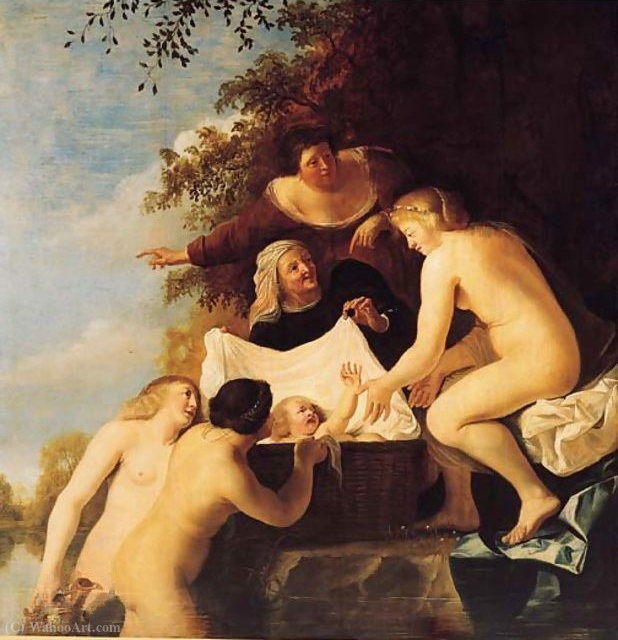
The Finding of Moses
 詳細を見る
詳細を見る




































作品のオリジナル比率に合わせた、当店の規定サイズからお選びください。

特定のフレームやスペースに合わせて、ご希望のサイズをご入力いただけます。選択されたサイズが元の画像の比率と異なる場合、アートワークをトリミングするか、手描きで要素を追加して絵画を拡張いたします。デジタルモックアップ を制作し、制作開始前にご確認(承認)をいただきます。
画面上のプレビューは、実際のトリミングや拡張を正確に反映しているものではありません。最終的な構図は、モックアップによってのみ正確にご確認いただけます。
カスタムサイズもご利用いただけますが、元の比率を維持するためには、あらかじめ用意されたリストからサイズを選択することをお勧めいたします。
ご注文後、ArtsDot.com チームより詳細な指示をお送りするとともに、仕上がりイメージ(モックアップ)をご提供いたします。


 ガラスオプションは、110cm未満のサイズでのみご利用いただけます。

The Finding of Moses
複製技法
複製画のサイズ
-


合計金額
$ 263
関連作品
アーティストの略歴
The Grandeur of Christiaen van Couwenbergh: A Master of Baroque Allegory
In the vibrant tapestry of the Dutch Golden Age, few artists captured the theatricality and emotional depth of the era quite like Christiaen van Couwenbergh. Born in the historic city of Delft in 1604, his life was inextricably linked to a lineage of artistic excellence. As the son of Gillis van Couwenbergh—a skilled silversmith and influential art dealer—Christiaen was raised amidst the scent of precious metals and the visual splendor of fine engravings. This early immersion into the world of aesthetics provided him with a unique foundation, blending a craftsman's precision with an eye for the opulent. His formative years under the tutelage of Johan van Nes further refined his ability to manipulate color and detail, preparing him for a career that would eventually transcend the borders of the Netherlands.
The evolution of Couwenberg’s style is a journey through the heart of European Baroque innovation. His travels to Italy served as a transformative pilgrimage, allowing him to encounter the dramatic shadows and intense human emotion pioneered by masters like Caravaggio. This encounter with chiaroscuro—the profound interplay of light and dark—became a cornerstone of his technique. Upon returning to Delft, he did not merely replicate Italian trends but synthesized them with the meticulous Northern tradition. His canvases began to breathe with a new, dramatic vitality, characterized by heavy, atmospheric lighting that lent a sense of divine or tragic importance to his subjects.
Narrative Depth and the Language of Allegory
What truly distinguishes Couwenbergh from his contemporaries was his mastery of the historical allegory. He possessed a rare ability to transform biblical stories and mythological themes into complex psychological dramas. His works often serve as windows into the human condition, utilizing the nude figure not merely for aesthetic beauty, but as a vessel for profound symbolic meaning. In masterpieces such as Joseph and Potiphar's Wife, he weaves a narrative of temptation and intrigue, using luxurious textures and dramatic compositions to heighten the tension of the biblical encounter.
His repertoire often explored the delicate balance between intimacy and power. This is evident in works like Lovers, where the artist captures a fleeting moment of connection through a lens of Baroque sentimentality, and in more provocative, socially complex pieces such as Three Young White Men and a Black Woman. In these compositions, Couwenbergh utilized his skill in rendering flesh and fabric to explore the shifting dynamics of status, desire, and identity within the 17th-century social hierarchy. His ability to stage these narratives with such theatrical precision ensured that his paintings were not just images, but immersive experiences for the viewer.
Legacy and Artistic Significance
Throughout his professional life, Couwenbergh’s ascent was marked by significant institutional recognition. His entry into the Guild of St Luke in Delft in 1627 and his subsequent involvement with the confrerie pictura solidified his status among the elite of the Dutch art world. This professional standing allowed him to secure prestigious commissions that demanded large-scale, monumental compositions, contributing to the visual grandeur of the Dutch Republic's golden era.
The enduring significance of Christiaen van Couwenbergh lies in his role as a bridge between the meticulous realism of the North and the dramatic emotionalism of the South. His legacy is found in:
- Technical Mastery: The seamless integration of Caravaggesque light with Dutch precision.
- Symbolic Complexity: The use of the human form to communicate intricate allegorical and moral messages.
- Historical Impact: A contribution to the development of the Baroque style that influenced the decorative and narrative traditions of European painting for generations.
Today, as we gaze upon his works, we see more than just relics of a bygone era; we witness the enduring power of an artist who could turn paint into poetry, capturing the light, shadow, and soul of the seventeenth century.
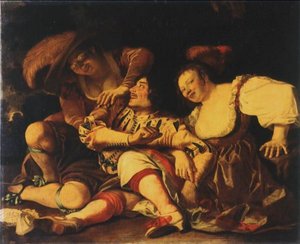
Christiaen van Couwenbergh
1604 - 1667 , Netherlands
基本情報
- Artistic Movement Or Style: Baroque
- Artists Who Influenced This Artist: Caravaggio
- Date Of Birth: Delft, Netherlands (1604)
- Date Of Death: 1667
- Full Name: Christiaen van Couwenbergh
- Nationality: Dutch
- Notable Artworks:
- Three Young White Men and a Black Woman
- A portrait of a young woman as Diana
- Joseph and Potiphar's wife
- Place Of Birth: Delft