

 プレビュー
プレビュー
 シェアする
シェアする シェアする
シェアする
 詳細を見る
詳細を見る

 ダウンロード
 似ている作品
 X線調査
X線調査 スライドショー
 統計情報
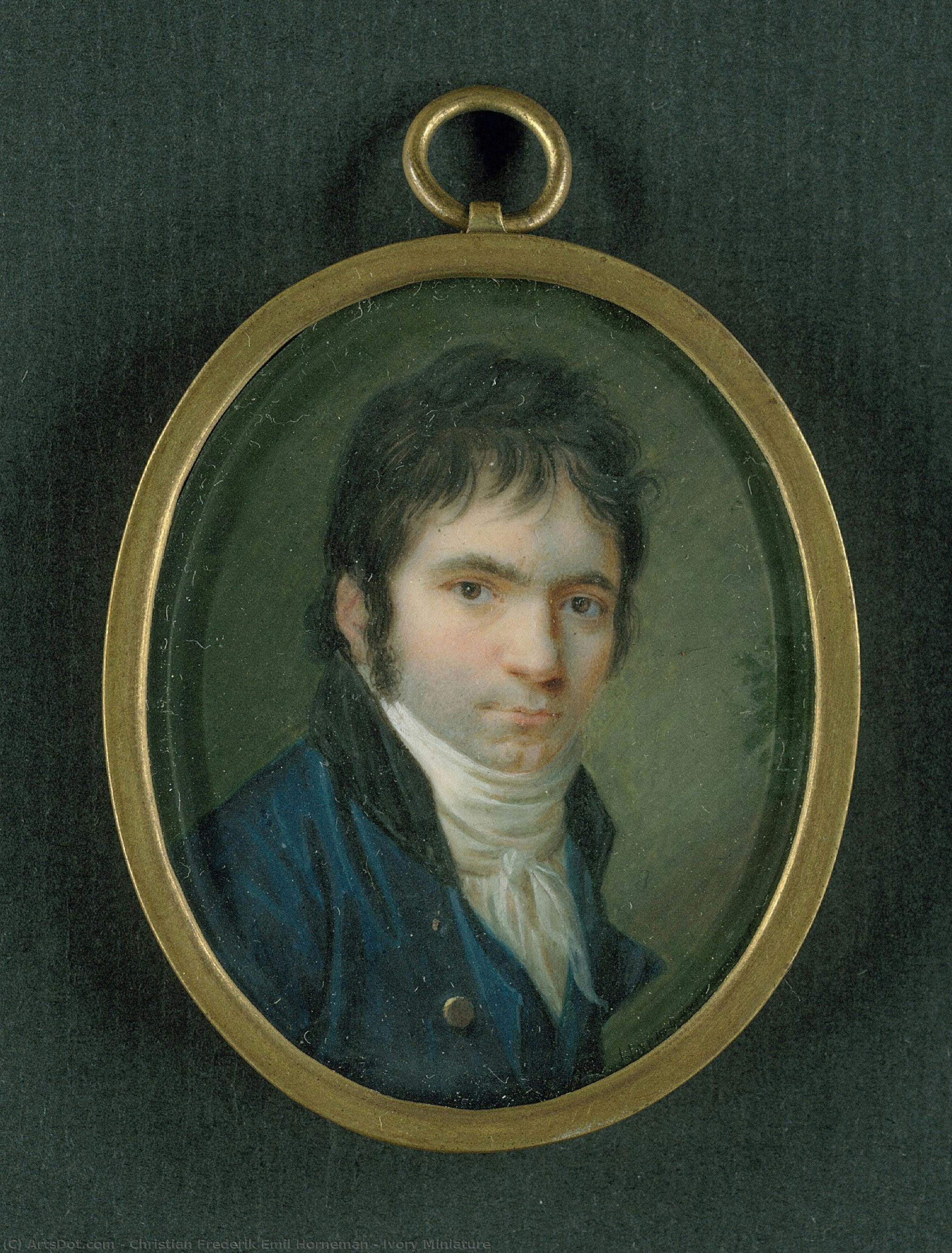
統計情報Ivory Miniature
 1802
1802 6.0 x 4.0 cm
 Beethoven-Haus Bonn
 詳細を見る
詳細を見る
オンラインプレビューをはるかに凌ぐ、高解像度で鮮明なデジタル画像をご購入いただけます。
各ファイルは、社内の専門家が高度なツールと熟練した手作業によるレタッチを用いて、細心の注意を払って準備されています。すべての画像において、卓越した鮮明度、正確な色彩再現性、そして繊細なディテールを保証いたします。
最終ファイルは、プロフェッショナルな編集・印刷環境ですぐにご利用いただけるよう最適化された状態で、72時間以内にメールにてお届けいたします。これは、一流のデザインスタジオ、出版社、ギャラリーから信頼されているものと同等の品質です。
デジタルアート
個人での鑑賞、印刷、クリエイティブなプロジェクト用に、高解像度ファイルをダウンロードできます。 ( プリント版に切り替え 手描きの絵画を購入)
デジタル画像のご注文に付随する特典
高品質なデジタル画像配信を、確かな品質で。
ArtsDot.com を選ぶことは、単に画像を手に入れることではありません。それは、プロの手によって精密に仕上げられ、満足保証が付いた高品質なデジタルアートワークを受け取ることを意味します。ご注文いただいた際に自動的に付随する内容は、以下の通りです:

メールですぐにお届け
ご注文から72時間以内に、高解像度のデジタル画像ファイルがメールでお手元に届きます。すぐにそのままご利用いただけます。

AI技術で最適化されたデジタルファイル
お客様の作品は、高度なAIツールと専門家による手作業の編集を組み合わせてプロフェッショナルに最適化されており、細部のディテール、鮮明さ、そして正確な色再現性を最大限に引き出しています。

一生涯無料の再送サービス
ファイルを誤って削除したり、紛失してしまったりしましたか?ご安心ください。いつでも無料で再送いたします。

輸入手数料は一切かかりません
関税や手数料、配送料を気にすることなく、お気に入りのアートワークをすぐにお楽しみいただけます。デジタルダウンロードは常に免税です。

色彩再現の保証
プロ仕様のツールとカラーマネジメント技術を用いることで、デジタル画像が元の色を最大限に忠実に再現することを保証いたします。

100日間満足保証
ご購入いただいたデジタル画像にご満足いただけない場合は、100日以内であれば、理由を問わず修正または100%の返金対応をさせていただきます。

100% 返金保証
ご満足いただけない場合は、デジタルファイルを受け取ってから100日以内であれば、理由を問わず全額返金いたします。

まとめ買い割引
3枚購入で10%OFF - 5枚購入で15%OFF - 10枚以上購入で20%OFF。クリエイティブなプロジェクト、ギャラリー、エージェンシーに最適です。
関連作品








作家の略歴
Jacques-Louis David: A Revolutionary Vision
Jacques-Louis David, born in Strasbourg in 1748 (though some sources cite 1765 as his birth year), emerged during a pivotal moment in European history – the dawn of the French Revolution. His life and career were inextricably linked to this tumultuous era, serving as both an artist and a fervent participant in its political upheavals. Initially trained by Jean-Siméon Chardin in Paris, David’s artistic trajectory shifted dramatically when he entered the atelier of François Boucher at the age of fifteen. This apprenticeship exposed him to the Rococo style prevalent at the time, but it was through Boucher's influence that David began to develop a keen eye for dramatic composition and theatricality – qualities that would become hallmarks of his later work. However, unlike Boucher, who primarily catered to the tastes of the aristocracy, David harbored revolutionary ideals and sought to elevate art as a vehicle for expressing profound political and philosophical concepts.Early Career and Revolutionary Engagement
David’s early career was marked by a series of commissions that reflected his evolving artistic sensibilities. He quickly gained recognition for his ability to capture the elegance and grandeur of aristocratic life, exemplified in works like “The Oath of the Horatii” (1784), a monumental painting depicting a scene from Roman history that powerfully conveyed themes of patriotism and sacrifice. Yet, even within this seemingly celebratory subject matter, David subtly infused elements of republicanism – the emphasis on civic virtue and self-sacrifice for the common good. As the French Revolution gained momentum in 1789, David became increasingly involved in its political affairs. He was elected to the National Convention in September 1792 and played a crucial role in the execution of King Louis XVI in January 1793. His artistic output during this period shifted dramatically, reflecting his commitment to revolutionary ideals. Paintings like “The Death of Marat” (1793) and “The Assassination of Marat” (1793) became potent symbols of the revolution’s violence and sacrifice, meticulously crafted to evoke a sense of martyrdom and inspire further action.Neoclassicism and Royal Patronage
Following the Reign of Terror, David found himself increasingly out of favor with the radical Jacobins. He skillfully navigated the shifting political landscape by embracing Neoclassical principles – a style characterized by its emphasis on order, clarity, and rationalism, drawing inspiration from classical antiquity. This shift was partly strategic, as Neoclassicism offered a more palatable aesthetic for the restored monarchy under Louis XVIII. In 1800, David received a prestigious commission from Napoleon Bonaparte to paint “The Coronation of Napoleon” (1805-1807), a colossal work that served as both a celebration of the emperor’s power and a powerful propaganda piece designed to legitimize his rule. The painting's meticulous detail, dramatic lighting, and idealized portrayal of Napoleon solidified David’s reputation as one of the leading artists of his time. Despite his association with Napoleon, David continued to produce works that reflected his enduring commitment to republican values, often subtly incorporating allegorical references to liberty and justice.Major Works and Artistic Style
David's artistic style was defined by its dramatic intensity, meticulous realism, and masterful use of composition. He employed a rigorous system of drawing and painting, meticulously planning each detail to achieve a sense of perfect balance and harmony. His works are characterized by strong diagonals, carefully arranged figures, and a deliberate use of light and shadow to create a theatrical effect. Beyond his monumental historical paintings, David also produced numerous portraits, often imbued with psychological depth and revealing the subject’s inner character. “Madame Vigée Le Brun” (1785) is a prime example of his ability to capture both the outward appearance and the subtle nuances of personality. His influence extended far beyond his own lifetime, shaping the course of Neoclassical painting and inspiring generations of artists.Legacy and Historical Significance
Jacques-Louis David’s legacy remains complex and multifaceted. He was a brilliant artist whose work powerfully reflected the tumultuous events of his time. His paintings served as both artistic expressions and potent political instruments, shaping public opinion and influencing historical narratives. While his association with Napoleon has sometimes overshadowed his earlier revolutionary contributions, David's commitment to republican ideals and his pioneering use of Neoclassical principles cemented his place as one of the most important artists of the late 18th and early 19th centuries. His work continues to be studied and admired for its dramatic power, technical skill, and enduring relevance to our understanding of art history and political history. He died in Paris in 1825, leaving behind a body of work that remains both captivating and profoundly significant.
christian frederik emil horneman
1765 - 1844 , Denmark
プロフィール概要
- Artistic Movement Or Style: Neoclassicism
- Artists Or Movements Influenced By This Artist:
- Neoclassicism
- Romanticism
- Artists Who Influenced This Artist:
- Jean-Honore Fragonard
- George Lambert
- Date Of Birth: 1765
- Date Of Death: 1844
- Full Name: Jacques-Louis David
- Nationality: French
- Notable Artworks:
- Oath of the Horatii
- The Death of Marat
- Napoleon Crossing the Alps
- Place Of Birth: WahooArt