

 プレビュー
プレビュー
 シェアする
シェアする シェアする
シェアする
 詳細を見る
詳細を見る

 ダウンロード
 似ている作品
 X線調査
X線調査 スライドショー
 統計情報
統計情報Heinrike Dannecker
 Oil On Canvas
- WallArt
- Neoclassical Romanticism
 1802
1802 119.0 x 100.0 cm
 ナショナル・ギャラリー
 詳細を見る
詳細を見る
オンラインプレビューをはるかに凌ぐ、高解像度で鮮明なデジタル画像をご購入いただけます。
各ファイルは、社内の専門家が高度なツールと熟練した手作業によるレタッチを用いて、細心の注意を払って準備されています。すべての画像において、卓越した鮮明度、正確な色彩再現性、そして繊細なディテールを保証いたします。
最終ファイルは、プロフェッショナルな編集・印刷環境ですぐにご利用いただけるよう最適化された状態で、72時間以内にメールにてお届けいたします。これは、一流のデザインスタジオ、出版社、ギャラリーから信頼されているものと同等の品質です。
デジタルアート
個人での鑑賞、印刷、クリエイティブなプロジェクト用に、高解像度ファイルをダウンロードできます。 ( プリント版に切り替え 手描きの絵画を購入)
デジタル画像のご注文に付随する特典
高品質なデジタル画像配信を、確かな品質で。
ArtsDot.com を選ぶことは、単に画像を手に入れることではありません。それは、プロの手によって精密に仕上げられ、満足保証が付いた高品質なデジタルアートワークを受け取ることを意味します。ご注文いただいた際に自動的に付随する内容は、以下の通りです:

メールですぐにお届け
ご注文から72時間以内に、高解像度のデジタル画像ファイルがメールでお手元に届きます。すぐにそのままご利用いただけます。

AI技術で最適化されたデジタルファイル
お客様の作品は、高度なAIツールと専門家による手作業の編集を組み合わせてプロフェッショナルに最適化されており、細部のディテール、鮮明さ、そして正確な色再現性を最大限に引き出しています。

一生涯無料の再送サービス
ファイルを誤って削除したり、紛失してしまったりしましたか?ご安心ください。いつでも無料で再送いたします。

輸入手数料は一切かかりません
関税や手数料、配送料を気にすることなく、お気に入りのアートワークをすぐにお楽しみいただけます。デジタルダウンロードは常に免税です。

色彩再現の保証
プロ仕様のツールとカラーマネジメント技術を用いることで、デジタル画像が元の色を最大限に忠実に再現することを保証いたします。

100日間満足保証
ご購入いただいたデジタル画像にご満足いただけない場合は、100日以内であれば、理由を問わず修正または100%の返金対応をさせていただきます。

100% 返金保証
ご満足いただけない場合は、デジタルファイルを受け取ってから100日以内であれば、理由を問わず全額返金いたします。

まとめ買い割引
3枚購入で10%OFF - 5枚購入で15%OFF - 10枚以上購入で20%OFF。クリエイティブなプロジェクト、ギャラリー、エージェンシーに最適です。
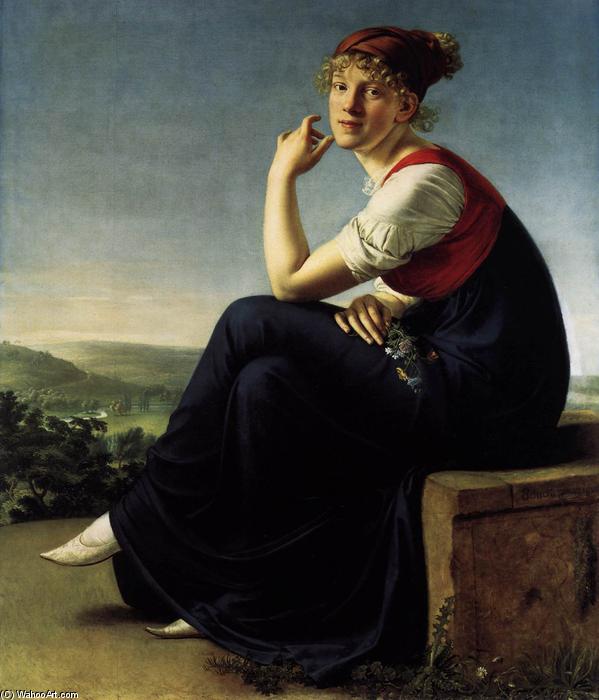
Heinrike Dannecker: A Portrait of Contemplation by Christian Gottlieb Schick
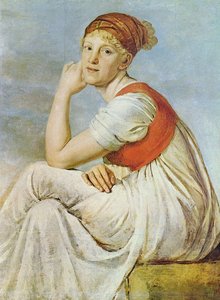
- Subject: The painting depicts Heinrike Dannecker, a young woman presented in a moment of profound introspection. Her pose – seated on a stone bench, hand gently touching her chin – immediately invites the viewer into her private world, fostering an immediate sense of connection and empathy.
- Artist: Created by Christian Gottlieb Schick (1776-1812), a significant figure in early 19th-century German art, this work exemplifies his mastery of portraiture within the neoclassical tradition, subtly infused with nascent romantic sensibilities.
- Date & Location: Executed in 1802, *Heinrike Dannecker* is currently housed at the Nationalgalerie in Berlin, Germany, a testament to its enduring artistic value and historical importance.
A Symphony of Light and Color – Technique and Style
Schick’s skill lies not merely in representation but in the masterful manipulation of light and shadow, a technique central to neoclassical art. The painting utilizes a muted color palette dominated by earthy tones—ochres, browns, and grays—creating a sense of solemnity and quietude. However, this restraint is dramatically punctuated by the vibrant red of Heinrike’s bodice, drawing immediate attention to her figure and injecting a note of elegance and perhaps even melancholy into the scene. The artist's meticulous attention to detail is evident in the rendering of fabric folds, the delicate texture of her hair, and the subtle nuances of her expression. The use of sfumato – a technique borrowed from Leonardo da Vinci – softens edges and creates an atmospheric depth that enhances the sense of realism and invites prolonged contemplation.Symbolism and Narrative Context
Beyond a simple portrait, *Heinrike Dannecker* speaks to broader themes of introspection and the human condition. The contemplative pose suggests a moment of private reflection, inviting viewers to consider the thoughts and emotions that lie beneath the surface. The setting – a serene landscape with rolling hills – further reinforces this sense of tranquility and solitude. The red bodice, a bold color against the muted background, could symbolize passion, vulnerability, or perhaps even a hidden strength within Heinrike’s character. Considering the era in which it was created (early 19th century), the painting reflects the growing interest in psychological realism within art, moving beyond purely idealized representations of beauty to explore the complexities of human emotion.Historical Significance and Reproduction
*Heinrike Dannecker* represents a crucial bridge between the classical ideals of Neoclassicism and the burgeoning Romantic movement in German art. Created by Christian Gottlieb Schick during a period of significant artistic innovation, it offers a valuable insight into the aesthetic sensibilities of the time. The painting’s enduring appeal lies not only in its technical brilliance but also in its ability to evoke a powerful emotional response. ArtsDot.com is proud to offer meticulously crafted oil painting reproductions of this masterpiece, allowing art lovers worldwide to experience the beauty and depth of Schick's vision within their own homes. These reproductions are created by skilled artisans who painstakingly replicate every detail, ensuring an authentic representation of this significant work of German art history.関連作品






作家の略歴
A Bridge Between Eras: The Life and Art of Christian Gottlieb Schick
In the grand tapestry of German art history, few threads are as delicately woven as those left by Christian Gottlieb Schick. Born in Stuttgart on August 15, 1776, Schick emerged during a period of profound cultural transformation, a time when the rigid, disciplined lines of Neoclassicism began to soften under the emotional tide of Romanticism. His life, though tragically short, serves as a vital bridge between these two monumental movements, capturing the precise moment when the clarity of reason met the mystery of the human soul.
Schick’s artistic foundation was built upon rigorous academic excellence. His journey began at the Hohe Karlsschule in Stuttgart, where he studied under the watchful eye of Philipp Friedrich von Hetsch. As a disciple of the legendary Jacques-Louis David, Hetsch instilled in Schick a reverence for precise draughtsmanship and idealized forms. This early training was further enriched by his time with Johann Heinrich von Dannecker, whose influence expanded Schick’s technical repertoire and sparked an enduring interest in the nuances of landscape and form. However, it was the period between 1799 and 1802, spent within the revolutionary atmosphere of David’s Parisian studio, that truly forged his identity. Immersed in the heart of French Neoclassicism, Schick mastered a monumental approach to composition and color that would remain a cornerstone of his technique.
The Roman Influence and the Romantic Shift
The years between 1802 and 1811 marked Schick’s most transformative era, as he sought inspiration in the eternal city of Rome. Immersed in the vibrant artistic and intellectual circles of the Vatican, Schick moved beyond the strictures of his Parisian training. In Rome, he found himself surrounded by a community of thinkers and creators, including close friendships with figures such as Wilhelm von Humboldt. This period of exposure to the classical grandeur of Italy catalyzed a profound evolution in his style; his work began to transition from a Raphaelesque classicism toward a more expressive, romantic orientation.
This stylistic metamorphosis was characterized by an increasing interest in tonal harmonies and psychological depth. While his compositions retained the structural integrity of his Neoclassical roots, they began to breathe with a new, emotive vitality. His landscapes and portraits started to capture not just the physical likeness or the idealized form, but the fleeting, atmospheric moments that define the Romantic spirit. This ability to infuse classical precision with a sense of longing and imagination allowed him to create works that felt both timeless and deeply personal.
Legacy and Artistic Contributions
Though Schick returned to Stuttgart in 1811, his time in Germany was brief, as he succumbed to heart disease only a few months later in May 1812. Despite the brevity of his career, his impact on the German artistic landscape was significant. He is most celebrated for his portraits, which stand as masterclasses in capturing character through elegant attire and rich, detailed textures. His ability to balance the formal requirements of portraiture with a burgeoning sense of intimacy makes his oeuvre particularly captivating to modern eyes.
The enduring significance of Christian Gottlieb Schick lies in his role as a transitional figure. His body of work provides a window into an era of shifting sensibilities, showcasing how an artist can honor the traditions of the past while fearlessly embracing the emotional complexities of the future. His contributions include:
- Masterful Portraiture: Renowned for works such as the Portrait of Wilhelmine Cotta and his depictions of Heinrike Dannecker, which showcase a refined elegance.
- Stylistic Synthesis: The successful integration of Davidian Neoclassical structure with Romantic emotionality.
- Historical Significance: Serving as a key link in the development of German art during the transition from the late 18th to the early 19th century.
Today, Schick’s paintings remain much more than mere historical artifacts; they are evocative windows into a world where the clarity of light and the depth of shadow tell stories of beauty, intellect, and the human condition.
Christian Gottlieb Schick
1776 - 1812 , Germany
プロフィール概要
- Artistic Movement Or Style: Neoclassical Romanticism
- Artists Or Movements Influenced By This Artist: ['Romantic Art']
- Artists Who Influenced This Artist:
- Jacques-Louis David
- Johann Heinrich von Dannecker
- Date Of Birth: 1776 Stuttgart Germany
- Date Of Death: 1812 Stuttgart Germany
- Full Name: Christian Gottlieb Schick
- Nationality: German
- Notable Artworks:
- Portrait of Wilhelmine Cotta
- Heinrike Dannecker
- The Vanity
- Place Of Birth: Stuttgart Germany