

 プレビュー
プレビュー
 シェアする
シェアする シェアする
シェアする
 詳細を見る
詳細を見る

 ダウンロード
 似ている作品
 X線調査
X線調査 スライドショー
 統計情報
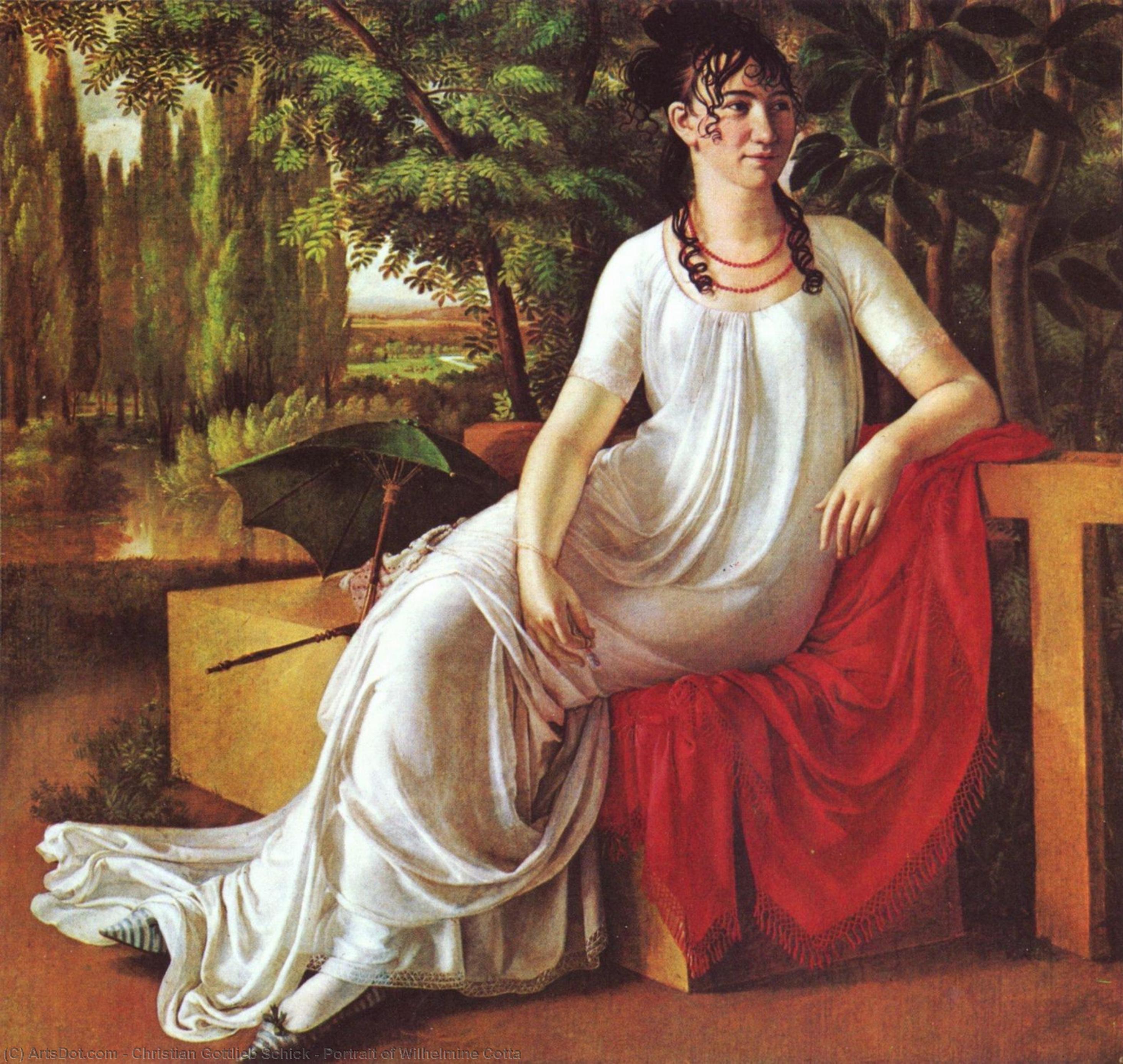
統計情報Portrait of Wilhelmine Cotta


 詳細を見る
詳細を見る
手描き油彩複製画
当社のアーティストが、お客様のご希望のサイズと額縁に合わせて、キャンバスに手描きで制作する油彩画です。 ( プリント版に切り替え デジタル画像販売へ切り替え)




P118B $10

P118H $10

P118W $10

P438Z $10

P508JH $12

P508YH $12

P805H $10

P805Z $10

P919BZ $10

P919G $10

P919XJ $10

P959ZH $10

P968JZ $12

W106C $8

W218G $10

W218JH $8

W218Y $10

W307PJ $10

W316G $10

W316PJ $8

W316Y $10

W398PJ $8

W4111J $10

W500HY $15

W500JH $15

W692G $12

W849H $8

W940BG $15

W953PJ $8




作品のオリジナル比率に合わせた、当店の規定サイズからお選びください。

特定のフレームやスペースに合わせて、ご希望のサイズをご入力いただけます。選択されたサイズが元の画像の比率と異なる場合、アートワークをトリミングするか、手描きで要素を追加して絵画を拡張いたします。デジタルモックアップ を制作し、制作開始前にご確認(承認)をいただきます。
画面上のプレビューは、実際のトリミングや拡張を正確に反映しているものではありません。最終的な構図は、モックアップによってのみ正確にご確認いただけます。
カスタムサイズもご利用いただけますが、元の比率を維持するためには、あらかじめ用意されたリストからサイズを選択することをお勧めいたします。
ご注文後、ArtsDot.com チームより詳細な指示をお送りするとともに、仕上がりイメージ(モックアップ)をご提供いたします。


 ガラスオプションは、110cm未満のサイズでのみご利用いただけます。

Portrait of Wilhelmine Cotta
複製技法
複製画のサイズ
-


合計金額
$ 263
Portrait of Wilhelmine Cotta: A Window into the Age of Elegance
- The Portrait of Wilhelmine Cotta, painted in 1802 by Christian Gottlieb Schick, is more than just a likeness; it’s a carefully constructed tableau of Regency-era refinement and quiet dignity. Executed in oil on canvas with meticulous attention to detail, the painting immediately draws the viewer into a world of understated luxury and intellectual curiosity. Schick's masterful handling of light and shadow – a hallmark of his style – doesn’t merely depict Wilhelmine Cotta; it sculpts her presence, imbuing her with an almost ethereal quality. The work’s enduring appeal lies in its ability to transport us back to a time when portraiture was not simply a representation of identity but a carefully considered statement of status and character.
- The painting's genesis is inextricably linked to the prominent figures surrounding it. Wilhelmine Cotta herself was the wife of Johann Friedrich von Cotta, a publisher whose connections with Schiller and Goethe placed him at the very heart of the burgeoning German intellectual movement. This context elevates the portrait beyond a simple depiction of a woman; it becomes a visual record of a pivotal moment in European cultural history.
A Study in Neoclassical Grace
Style and Technique: Schick’s approach firmly roots itself within the neoclassical tradition, yet with a distinctly Romantic sensibility. The composition is classically balanced, employing traditional techniques of pyramidal arrangement and careful use of perspective to create a sense of depth and realism. However, observe the subtle softness in the rendering of her features – a characteristic that hints at the burgeoning romantic interest in emotional expression. The artist’s deliberate brushstrokes contribute to the texture of the fabrics, particularly the flowing white dress, adding a tactile quality to the image. The use of color is restrained and harmonious, dominated by cool tones with the vibrant red accents of her necklace and headband drawing the eye and emphasizing key elements.Symbolism and Context
The Red Jewel: Wilhelmine Cotta’s striking red pendant – likely a ruby or garnet – is not merely decorative. In the early 19th century, such opulent jewelry signified wealth, status, and even political allegiance. The jewel's prominence in the composition underscores Wilhelmine’s position within her social circle and reflects the artistic tastes of the period.A Timeless Masterpiece
Historical Significance: Created in 1802, this portrait offers a valuable glimpse into the lives and aesthetics of the early 19th century. It’s a testament to Christian Gottlieb Schick's skill as a portraitist and his ability to capture not just physical likeness but also the essence of his subject – Wilhelmine Cotta’s intelligence, grace, and social standing. The painting remains a significant work within the Staatsgalerie in Stuttgart, representing a crucial moment in German art history. ArtsDot.com offers meticulously crafted oil painting reproductions that allow you to experience the beauty and artistry of this remarkable piece firsthand.関連作品




アーティストの略歴
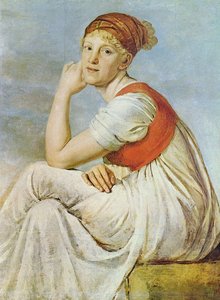
A Bridge Between Eras: The Life and Art of Christian Gottlieb Schick
In the grand tapestry of German art history, few threads are as delicately woven as those left by Christian Gottlieb Schick. Born in Stuttgart on August 15, 1776, Schick emerged during a period of profound cultural transformation, a time when the rigid, disciplined lines of Neoclassicism began to soften under the emotional tide of Romanticism. His life, though tragically short, serves as a vital bridge between these two monumental movements, capturing the precise moment when the clarity of reason met the mystery of the human soul.
Schick’s artistic foundation was built upon rigorous academic excellence. His journey began at the Hohe Karlsschule in Stuttgart, where he studied under the watchful eye of Philipp Friedrich von Hetsch. As a disciple of the legendary Jacques-Louis David, Hetsch instilled in Schick a reverence for precise draughtsmanship and idealized forms. This early training was further enriched by his time with Johann Heinrich von Dannecker, whose influence expanded Schick’s technical repertoire and sparked an enduring interest in the nuances of landscape and form. However, it was the period between 1799 and 1802, spent within the revolutionary atmosphere of David’s Parisian studio, that truly forged his identity. Immersed in the heart of French Neoclassicism, Schick mastered a monumental approach to composition and color that would remain a cornerstone of his technique.
The Roman Influence and the Romantic Shift
The years between 1802 and 1811 marked Schick’s most transformative era, as he sought inspiration in the eternal city of Rome. Immersed in the vibrant artistic and intellectual circles of the Vatican, Schick moved beyond the strictures of his Parisian training. In Rome, he found himself surrounded by a community of thinkers and creators, including close friendships with figures such as Wilhelm von Humboldt. This period of exposure to the classical grandeur of Italy catalyzed a profound evolution in his style; his work began to transition from a Raphaelesque classicism toward a more expressive, romantic orientation.
This stylistic metamorphosis was characterized by an increasing interest in tonal harmonies and psychological depth. While his compositions retained the structural integrity of his Neoclassical roots, they began to breathe with a new, emotive vitality. His landscapes and portraits started to capture not just the physical likeness or the idealized form, but the fleeting, atmospheric moments that define the Romantic spirit. This ability to infuse classical precision with a sense of longing and imagination allowed him to create works that felt both timeless and deeply personal.
Legacy and Artistic Contributions
Though Schick returned to Stuttgart in 1811, his time in Germany was brief, as he succumbed to heart disease only a few months later in May 1812. Despite the brevity of his career, his impact on the German artistic landscape was significant. He is most celebrated for his portraits, which stand as masterclasses in capturing character through elegant attire and rich, detailed textures. His ability to balance the formal requirements of portraiture with a burgeoning sense of intimacy makes his oeuvre particularly captivating to modern eyes.
The enduring significance of Christian Gottlieb Schick lies in his role as a transitional figure. His body of work provides a window into an era of shifting sensibilities, showcasing how an artist can honor the traditions of the past while fearlessly embracing the emotional complexities of the future. His contributions include:
- Masterful Portraiture: Renowned for works such as the Portrait of Wilhelmine Cotta and his depictions of Heinrike Dannecker, which showcase a refined elegance.
- Stylistic Synthesis: The successful integration of Davidian Neoclassical structure with Romantic emotionality.
- Historical Significance: Serving as a key link in the development of German art during the transition from the late 18th to the early 19th century.
Today, Schick’s paintings remain much more than mere historical artifacts; they are evocative windows into a world where the clarity of light and the depth of shadow tell stories of beauty, intellect, and the human condition.
Christian Gottlieb Schick
1776 - 1812 , Germany
基本情報
- Artistic Movement Or Style: Neoclassical Romanticism
- Artists Or Movements Influenced By This Artist: ['Romantic Art']
- Artists Who Influenced This Artist:
- Jacques-Louis David
- Johann Heinrich von Dannecker
- Date Of Birth: 1776 Stuttgart Germany
- Date Of Death: 1812 Stuttgart Germany
- Full Name: Christian Gottlieb Schick
- Nationality: German
- Notable Artworks:
- Portrait of Wilhelmine Cotta
- Heinrike Dannecker
- The Vanity
- Place Of Birth: Stuttgart Germany
関連記事

NFTコレクター向け:デジタル画像を手描きオイルレプリカに変換し、ミュージアム品質で収益と価値を最大化
ArtsDotは、デジタル画像をミュージアム品質の手描きオイルレプリカへ変換する専門家です。高い技術と厳格な品質管理で、NFTコレクターに信頼できる投資価値を提供します。

From Initial Sketch to Enduring Legacy: A Comprehensive Exploration of the Oil Painting Reproduction Process
Discover the art of museum-quality oil painting reproduction. Explore our expert process, skilled artists & authentic replicas. Elevate your home with timeless beauty – handcrafted and customized to your vision.
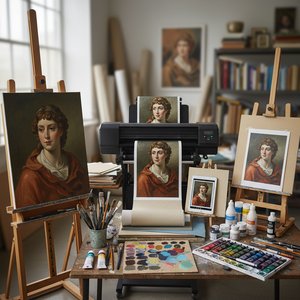
油彩、キャンバス、紙による芸術的再現:技法と鑑賞の深淵を探る
油彩、キャンバス、紙を用いた芸術的再現の技法を深く探求。古典絵画の材料研究からオールドマスターの視点まで、ArtsDotが美術史と実践的な知識を提供します。高品質な手描き複製やカスタムポートレートも承ります。

The Digital Portrait Renaissance: Transforming Personal Photography into Timeless Oil Paintings Through Artistic Reproduction
Transform your cherished photos into timeless oil paintings with ArtsDot's expert artists. Museum-quality reproductions & custom portraits, crafted to last a lifetime. Discover the art of personal legacy.

写真プリントによるカスタムデジタル絵画:オリジナル作品の情感と耐久性を超える表現力
オリジナル作品の情感を損なわずに、高解像度で耐久性に優れたカスタムデジタル絵画を制作します。プロのアーティストによる手作業仕上げ。ArtsDot.comで、特別なアート体験を。