

 プレビュー
プレビュー
 シェアする
シェアする シェアする
シェアする
 詳細を見る
詳細を見る

 ダウンロード
 似ている作品
 X線調査
X線調査 スライドショー
 統計情報
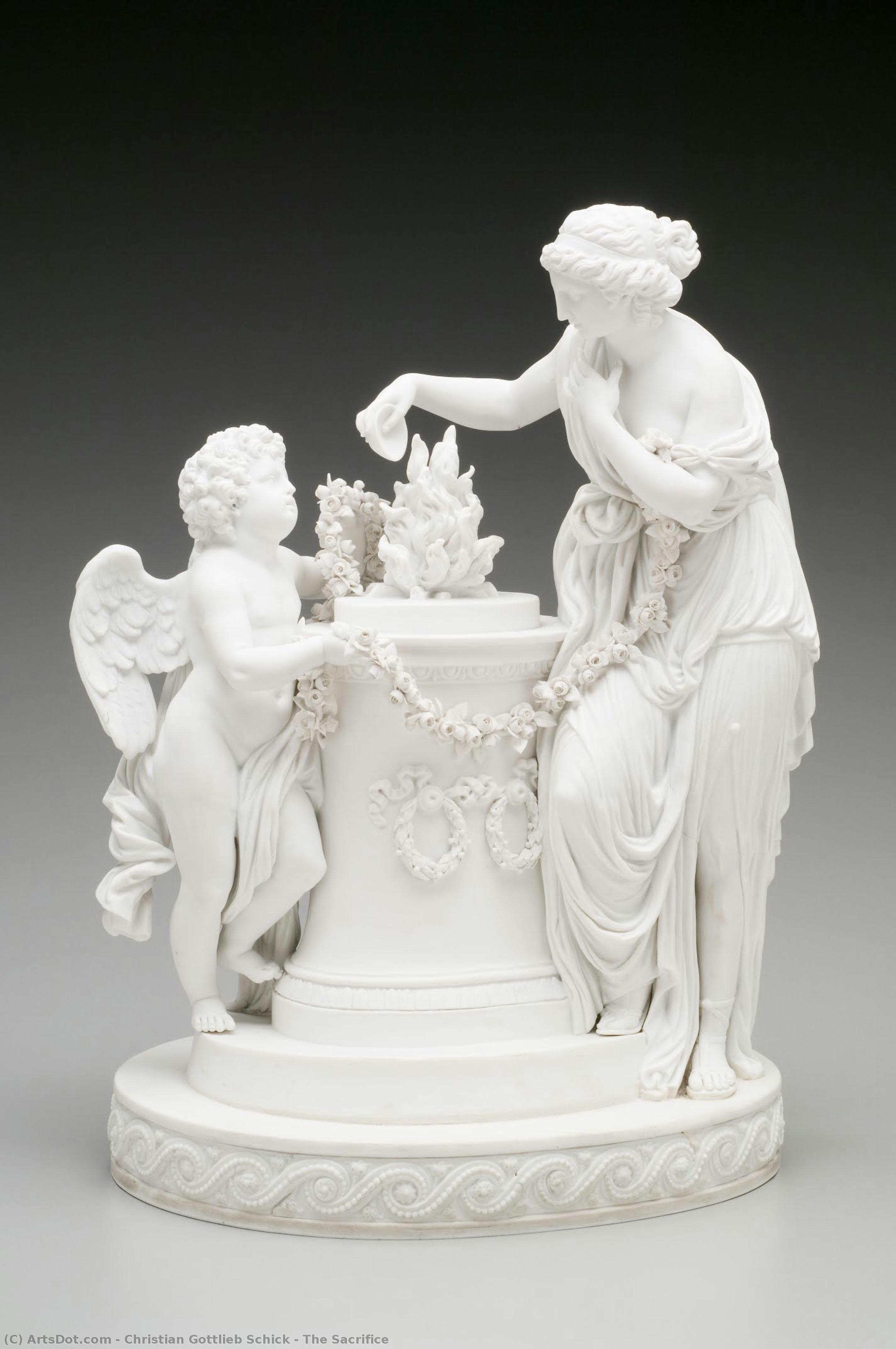
統計情報The Sacrifice

 詳細を見る
詳細を見る
ジークレー/アートプリント
迅速な制作と多彩な仕上げオプションを備えた、ミュージアムクオリティのジークレーまたはキャンバスプリント。 ( 手描きの絵画を購入 デジタル画像販売へ切り替え)




































作品のオリジナル比率に合わせた、当店の規定サイズからお選びください。

特定のフレームやスペースに合わせて、ご自身でサイズを指定することも可能です。選択されたサイズが元の画像の比率と一致しない場合、作品をトリミングするか、鏡面反射または単色での塗りつぶしによって画像を拡張いたします。制作を開始する前に、ご確認用のデジタルモックアップをお送りいたします。
画面上のプレビューには、実際のトリミングや拡張は反映されませんのでご注意ください。最終的な構図を正確に確認できるのは、モックアップのみとなります。
カスタムサイズも承っておりますが、元の比率を維持するためには、あらかじめ用意されたリストからサイズを選択することをお勧めいたします。


 ガラスオプションは、110cm未満のサイズでのみご利用いただけます。

The Sacrifice
ジークレー/アートプリント
複製画のサイズ
-


合計金額
$ 62
関連作品





アーティストの略歴
A Bridge Between Eras: The Life and Art of Christian Gottlieb Schick
In the grand tapestry of German art history, few threads are as delicately woven as those left by Christian Gottlieb Schick. Born in Stuttgart on August 15, 1776, Schick emerged during a period of profound cultural transformation, a time when the rigid, disciplined lines of Neoclassicism began to soften under the emotional tide of Romanticism. His life, though tragically short, serves as a vital bridge between these two monumental movements, capturing the precise moment when the clarity of reason met the mystery of the human soul.
Schick’s artistic foundation was built upon rigorous academic excellence. His journey began at the Hohe Karlsschule in Stuttgart, where he studied under the watchful eye of Philipp Friedrich von Hetsch. As a disciple of the legendary Jacques-Louis David, Hetsch instilled in Schick a reverence for precise draughtsmanship and idealized forms. This early training was further enriched by his time with Johann Heinrich von Dannecker, whose influence expanded Schick’s technical repertoire and sparked an enduring interest in the nuances of landscape and form. However, it was the period between 1799 and 1802, spent within the revolutionary atmosphere of David’s Parisian studio, that truly forged his identity. Immersed in the heart of French Neoclassicism, Schick mastered a monumental approach to composition and color that would remain a cornerstone of his technique.
The Roman Influence and the Romantic Shift
The years between 1802 and 1811 marked Schick’s most transformative era, as he sought inspiration in the eternal city of Rome. Immersed in the vibrant artistic and intellectual circles of the Vatican, Schick moved beyond the strictures of his Parisian training. In Rome, he found himself surrounded by a community of thinkers and creators, including close friendships with figures such as Wilhelm von Humboldt. This period of exposure to the classical grandeur of Italy catalyzed a profound evolution in his style; his work began to transition from a Raphaelesque classicism toward a more expressive, romantic orientation.
This stylistic metamorphosis was characterized by an increasing interest in tonal harmonies and psychological depth. While his compositions retained the structural integrity of his Neoclassical roots, they began to breathe with a new, emotive vitality. His landscapes and portraits started to capture not just the physical likeness or the idealized form, but the fleeting, atmospheric moments that define the Romantic spirit. This ability to infuse classical precision with a sense of longing and imagination allowed him to create works that felt both timeless and deeply personal.
Legacy and Artistic Contributions
Though Schick returned to Stuttgart in 1811, his time in Germany was brief, as he succumbed to heart disease only a few months later in May 1812. Despite the brevity of his career, his impact on the German artistic landscape was significant. He is most celebrated for his portraits, which stand as masterclasses in capturing character through elegant attire and rich, detailed textures. His ability to balance the formal requirements of portraiture with a burgeoning sense of intimacy makes his oeuvre particularly captivating to modern eyes.
The enduring significance of Christian Gottlieb Schick lies in his role as a transitional figure. His body of work provides a window into an era of shifting sensibilities, showcasing how an artist can honor the traditions of the past while fearlessly embracing the emotional complexities of the future. His contributions include:
- Masterful Portraiture: Renowned for works such as the Portrait of Wilhelmine Cotta and his depictions of Heinrike Dannecker, which showcase a refined elegance.
- Stylistic Synthesis: The successful integration of Davidian Neoclassical structure with Romantic emotionality.
- Historical Significance: Serving as a key link in the development of German art during the transition from the late 18th to the early 19th century.
Today, Schick’s paintings remain much more than mere historical artifacts; they are evocative windows into a world where the clarity of light and the depth of shadow tell stories of beauty, intellect, and the human condition.
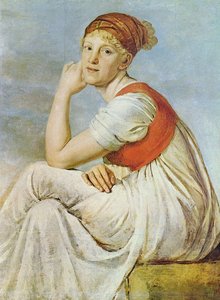
Christian Gottlieb Schick
1776 - 1812 , Germany
基本情報
- Artistic Movement Or Style: Neoclassical Romanticism
- Artists Or Movements Influenced By This Artist: ['Romantic Art']
- Artists Who Influenced This Artist:
- Jacques-Louis David
- Johann Heinrich von Dannecker
- Date Of Birth: 1776 Stuttgart Germany
- Date Of Death: 1812 Stuttgart Germany
- Full Name: Christian Gottlieb Schick
- Nationality: German
- Notable Artworks:
- Portrait of Wilhelmine Cotta
- Heinrike Dannecker
- The Vanity
- Place Of Birth: Stuttgart Germany