

 プリントを購入
 シェアする
シェアする シェアする
シェアする
 詳細を見る
詳細を見る

 ダウンロード
 似ている作品
 スライドショー
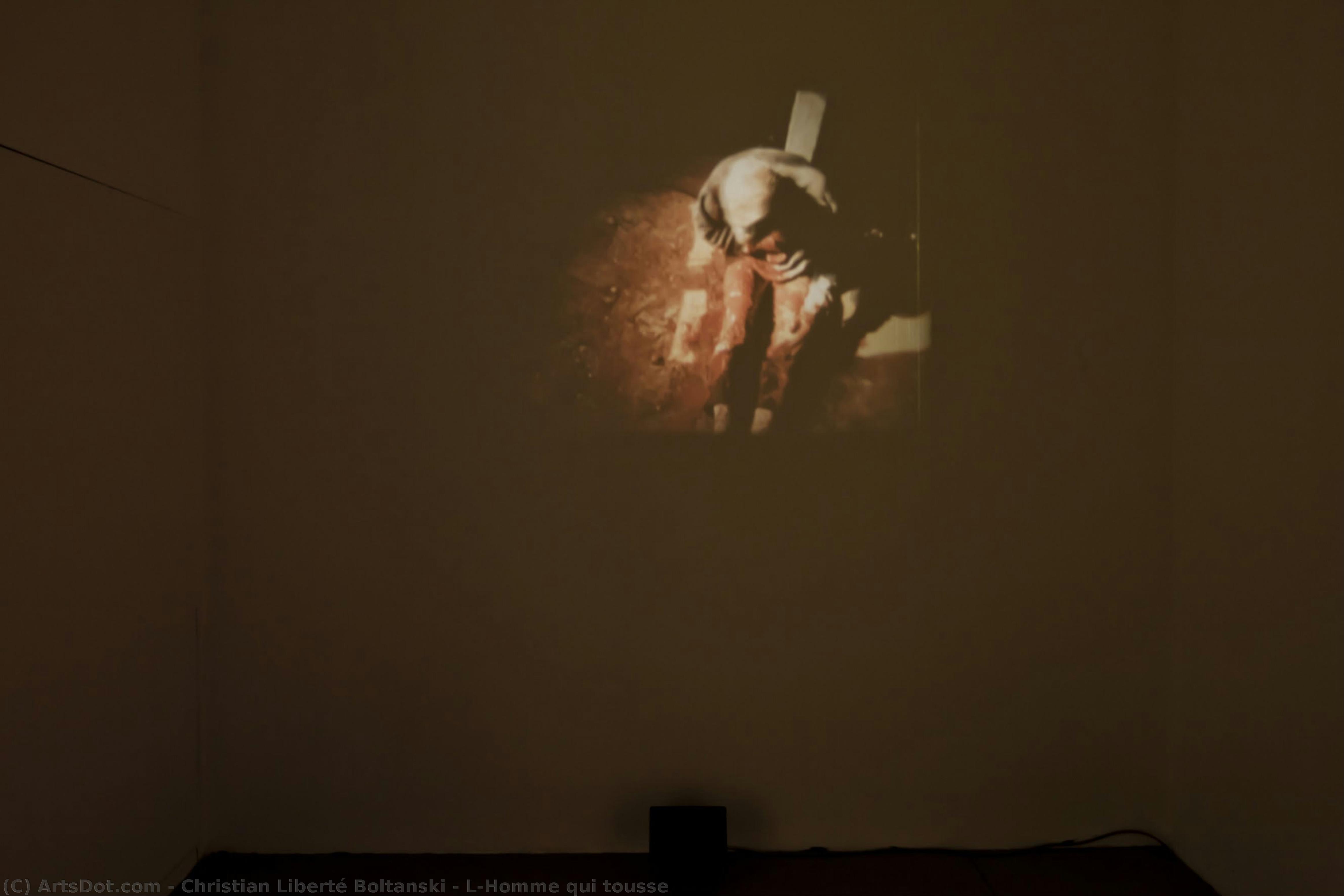
L’Homme qui tousse


 詳細を見る
詳細を見る




































作品のオリジナル比率に合わせた、当店の規定サイズからお選びください。

特定のフレームやスペースに合わせて、ご希望のサイズをご入力いただけます。選択されたサイズが元の画像の比率と異なる場合、アートワークをトリミングするか、手描きで要素を追加して絵画を拡張いたします。デジタルモックアップ を制作し、制作開始前にご確認(承認)をいただきます。
画面上のプレビューは、実際のトリミングや拡張を正確に反映しているものではありません。最終的な構図は、モックアップによってのみ正確にご確認いただけます。
カスタムサイズもご利用いただけますが、元の比率を維持するためには、あらかじめ用意されたリストからサイズを選択することをお勧めいたします。
ご注文後、ArtsDot.com チームより詳細な指示をお送りするとともに、仕上がりイメージ(モックアップ)をご提供いたします。


 ガラスオプションは、110cm未満のサイズでのみご利用いただけます。

L’Homme qui tousse
複製技法
複製画のサイズ
-


合計金額
$ 263
作品解説
The Weight of Unspoken Narratives
Christian Boltanski’s "L'Homme qui tousse" (The Man Who Coughs), dating from 1969, immediately draws the viewer into a space thick with unspoken history and palpable anxiety. This black and white depiction is not merely a portrait; it is an encounter with absence. The subject, seated on a simple chair with his back turned to us, becomes an enigmatic figure—a vessel for collective memory rather than an individual personality. Boltanski masterfully uses this compositional choice to deny us direct access, forcing our gaze into the space around him, compelling us to project our own histories and anxieties onto his silent posture. The very act of coughing, or the suggestion thereof, imbues the piece with a visceral sense of vulnerability, suggesting a body struggling against unseen pressures.
A Tapestry Woven from Memory and Trauma
To understand this work is to understand Boltanski’s lifelong preoccupation: the weight of what has been lost. Born in Odesa and shaped by the trauma of displacement during World War II, his art became a profound meditation on survival, identity, and the fragility of human existence. "L'Homme qui tousse" belongs to an early period where he was exploring cinematic narratives that grappled with oppression. The monochrome palette strips away the distractions of color, leaving only form, shadow, and the stark emotional resonance of the moment. It speaks in the universal language of endurance—a quiet testament to lives lived under duress.
Symbolism of Silence and Presence
The symbolism within this painting is deeply layered, inviting contemplation rather than offering easy answers. The back turned serves as a powerful metaphor for turning away from painful memories or perhaps for the collective anonymity that can accompany historical trauma. The chair itself suggests waiting—a suspended moment in time where action is deferred. For the collector or admirer of art, this piece offers an unparalleled opportunity to engage with existential themes. It resonates with those who find beauty not in grand pronouncements, but in the quiet dignity of simply enduring.
Integrating Art into Contemporary Spaces
For interior design and curated living spaces, "L'Homme qui tousse" acts as a profound focal point. Its stark, graphic quality lends itself beautifully to minimalist or historically rich settings, providing an intellectual anchor against polished surfaces. A high-quality reproduction allows one to bring this potent dialogue between the individual and history into a modern home. It suggests that true luxury lies not in opulence, but in depth—in the contemplation of shared human experience.
関連作品

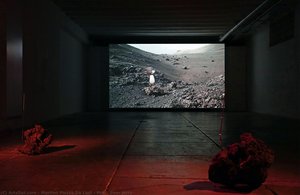
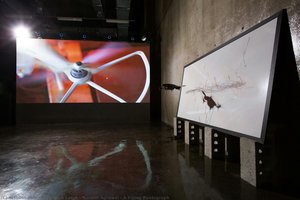
アーティストの略歴
Christian Boltanski: A Life Dedicated to Memory
Christian Liberté Boltanski (September 6, 1944 – July 14, 2021) was a profoundly influential French sculptor, photographer, painter, and filmmaker. His work consistently grappled with themes of memory, loss, identity, and the fragility of human existence.
Early Life and Influences
Born in Odesa, Ukrainian SSR (now Ukraine), Boltanski’s early life was marked by displacement and a sense of hidden history. His family fled persecution during World War II, concealing his Jewish heritage to survive. This experience deeply impacted his artistic vision, fostering a lifelong preoccupation with the past and the stories left untold.
He moved to France with his family in 1954. Boltanski initially studied photography but quickly expanded his practice to encompass a wide range of media. Early influences included filmmakers like Alain Resnais and artists exploring narrative and documentation, such as Marcel Duchamp.
Artistic Development & Style
Boltanski’s artistic journey began in the late 1960s with experimental films and photographic series documenting everyday life. He soon moved towards creating large-scale installations that incorporated found objects – photographs, clothing, letters, and personal belongings – to evoke a sense of collective memory and individual loss.
His style is characterized by:
- The use of archival materials and found objects
- A minimalist aesthetic often employing stark lighting and simple arrangements
- An emphasis on the ephemeral nature of time and remembrance
- Recurring motifs such as portraits, shadows, and anonymous figures
He frequently employed a deliberately fragmented and incomplete approach, suggesting the difficulty of fully reconstructing the past.
Major Works & Achievements
Boltanski created numerous impactful works throughout his career. Some notable examples include:
- Reserve of Dead Swiss (1980s): A powerful installation featuring hundreds of photographs of anonymous individuals, exploring themes of anonymity and mortality.
- L’Homme qui tousse (The Man Who Coughs) : An evocative work that uses sound and imagery to create a haunting atmosphere.
- His numerous installations utilizing old photographs, often presented in grid-like arrangements or illuminated boxes.
Boltanski exhibited extensively internationally, with his work featured at prestigious institutions such as the Museum of Modern Art (MoMA) and Centre Pompidou.
Historical Significance & Legacy
Christian Boltanski’s work holds significant importance in contemporary art. He challenged traditional notions of representation and memory, prompting viewers to confront uncomfortable truths about history, loss, and the human condition. His installations paved the way for a new generation of artists exploring similar themes.
His legacy lies in:
- Pioneering the use of archival materials in contemporary art
- Raising awareness about the importance of preserving collective memory
- Creating emotionally resonant works that continue to provoke reflection and dialogue.
Boltanski’s influence extends beyond the visual arts, impacting fields such as literature, film, and cultural studies. He remains a vital figure in understanding the complexities of modern identity and the enduring power of remembrance.
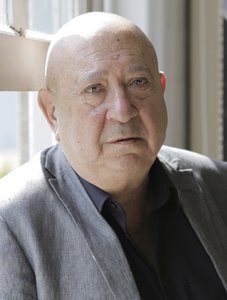
christian liberté boltanski
1944 - 2021 , Ukraine
基本情報
- Birth Date: September 6, 1944
- Birth Place: Odesa, Ukrainian SSR
- Death Date: July 14, 2021
- Movement: Conceptual art, Photography
- Name: Christian Boltanski
- Nationality: French
- Notable Works:
- Reserve of Dead Swiss
- L'Homme qui tousse
関連記事
ヴェネツィア・ビエンナーレ厳選25作品:芸術と歴史が織りなす至高のコレクション | ArtsDot
ヴェネツィア・ビエンナーレの至宝25選。印象派から現代アートまで、名画の背景にある物語と芸術家の情熱を紐解きます。ArtsDotで、キャンバスアートや油絵複製をお楽しみください。今すぐコレクションをご覧ください。

From Silver Screen to Living Room Walls: Cultivating Atmosphere and Narrative Through Movie-Inspired Art
Transform your home into a cinematic haven with expertly curated movie art! Discover high-quality reproductions, custom paintings & design tips to evoke film's magic. Shop ArtsDot today!
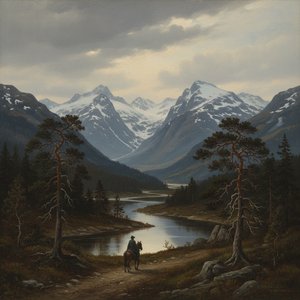
Johan Christian Dahl: Pioneering Norwegian Romantic Landscape Painting
Explore the life & art of Johan Christian Dahl, Norway's first great Romantic painter. Discover his iconic landscapes, cultural impact, and lasting legacy with ArtsDot.
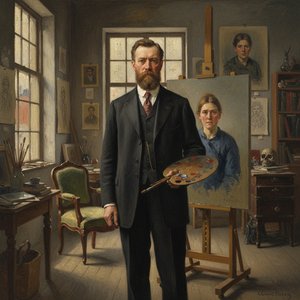
Christian Krohg: A Pioneer of Norwegian Realism & Psychological Portraiture
Explore the life & work of Christian Krohg, a pivotal figure in Norwegian realism. Discover his social commentary, Skagen influences, and lasting impact on Scandinavian art history. Learn more at ArtsDot.
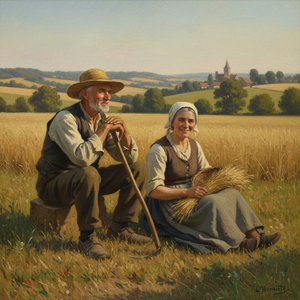
Léon Augustin L'Hermitte: Capturing the Soul of French Rural Life
Discover the captivating realist paintings of Léon Augustin L'Hermitte, masterfully depicting French rural life. Explore his technique, influences & legacy – a cornerstone of 19th-century art.

