

 プレビュー
プレビュー
 プリントを購入
 シェアする
シェアする シェアする
シェアする
 詳細を見る
詳細を見る

 ダウンロード
 似ている作品
 X線調査
X線調査 スライドショー
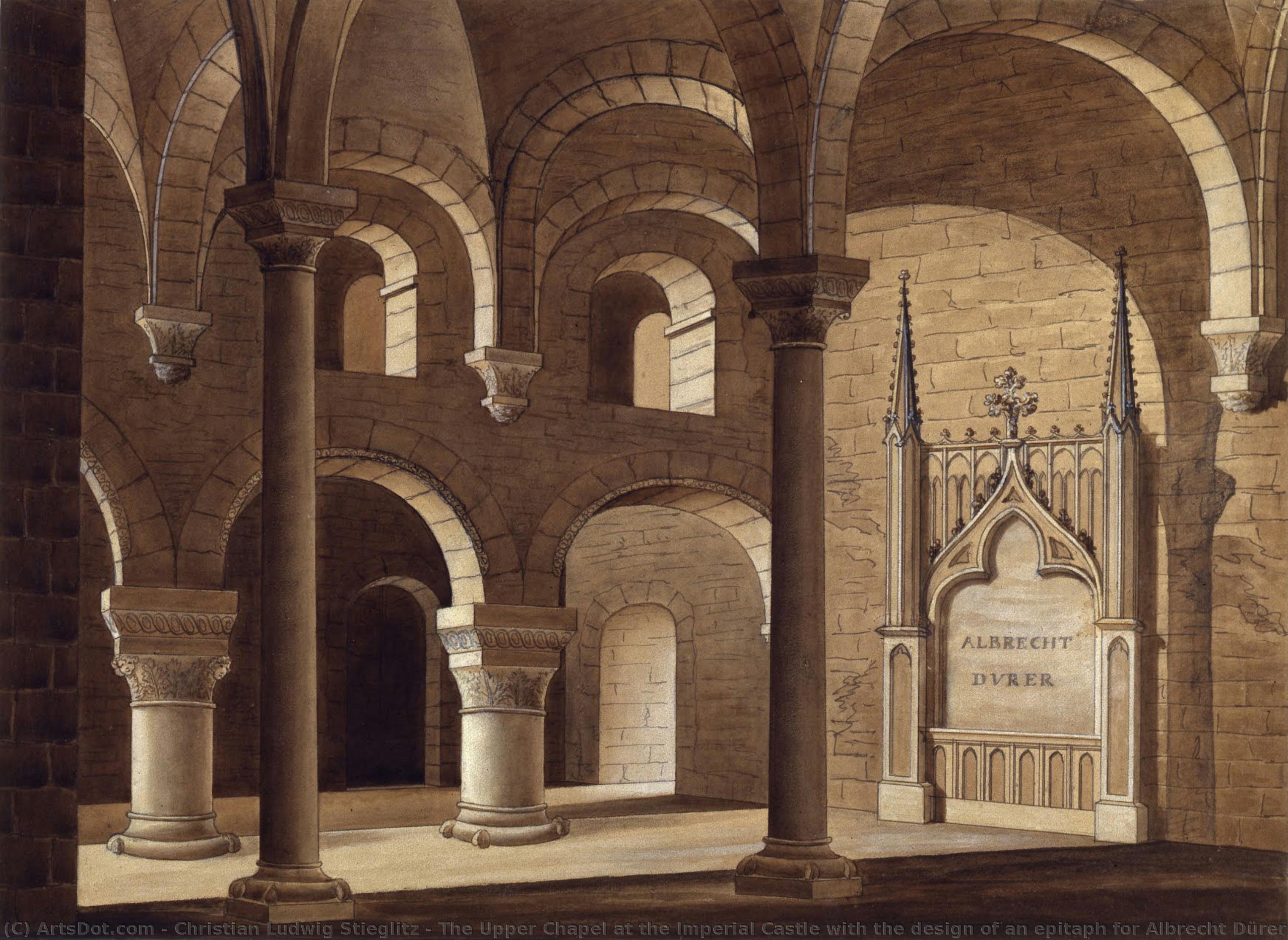
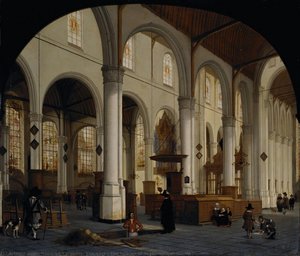
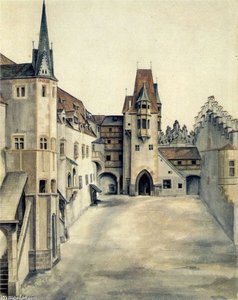
The Upper Chapel at the Imperial Castle with the design of an epitaph for Albrecht Dürer


 詳細を見る
詳細を見る
オンラインプレビューをはるかに凌ぐ、高解像度で鮮明なデジタル画像をご購入いただけます。
各ファイルは、社内の専門家が高度なツールと熟練した手作業によるレタッチを用いて、細心の注意を払って準備されています。すべての画像において、卓越した鮮明度、正確な色彩再現性、そして繊細なディテールを保証いたします。
最終ファイルは、プロフェッショナルな編集・印刷環境ですぐにご利用いただけるよう最適化された状態で、72時間以内にメールにてお届けいたします。これは、一流のデザインスタジオ、出版社、ギャラリーから信頼されているものと同等の品質です。
デジタル画像のご注文に付随する特典
高品質なデジタル画像配信を、確かな品質で。
ArtsDot.com を選ぶことは、単に画像を手に入れることではありません。それは、プロの手によって精密に仕上げられ、満足保証が付いた高品質なデジタルアートワークを受け取ることを意味します。ご注文いただいた際に自動的に付随する内容は、以下の通りです:

メールですぐにお届け
ご注文から72時間以内に、高解像度のデジタル画像ファイルがメールでお手元に届きます。すぐにそのままご利用いただけます。

AI技術で最適化されたデジタルファイル
お客様の作品は、高度なAIツールと専門家による手作業の編集を組み合わせてプロフェッショナルに最適化されており、細部のディテール、鮮明さ、そして正確な色再現性を最大限に引き出しています。

一生涯無料の再送サービス
ファイルを誤って削除したり、紛失してしまったりしましたか?ご安心ください。いつでも無料で再送いたします。

輸入手数料は一切かかりません
関税や手数料、配送料を気にすることなく、お気に入りのアートワークをすぐにお楽しみいただけます。デジタルダウンロードは常に免税です。

色彩再現の保証
プロ仕様のツールとカラーマネジメント技術を用いることで、デジタル画像が元の色を最大限に忠実に再現することを保証いたします。

60日間満足保証
ご購入いただいたデジタル画像にご満足いただけない場合は、60日以内であれば、修正または100%の返金(理由を問う必要はありません)をさせていただきます。

100% 返金保証
ご満足いただけない場合は、デジタルファイルを受け取ってから60日以内であれば、理由を問わず全額返金いたします。

まとめ買い割引
3枚購入で10%OFF - 5枚購入で15%OFF - 10枚以上購入で20%OFF。クリエイティブなプロジェクト、ギャラリー、エージェンシーに最適です。
関連作品
作家の略歴
A Life Dedicated to Sacred Space: The Art of Christian Ludwig Stieglitz
Christian Ludwig Stieglitz, born in Leipzig, Germany in 1756 and passing away in 1836, was a figure deeply immersed in the revival of historical styles, particularly those relating to medieval religious art. While not a household name like some of his contemporaries, Stieglitz’s contribution lies in his meticulous dedication to recreating and interpreting the artistic language of earlier eras, specifically within the context of imperial patronage and burgeoning museum culture. His life unfolded during a period of significant change – the Enlightenment giving way to Romanticism – and his work reflects both the rational study of historical forms and a growing appreciation for emotional and spiritual expression. He wasn’t merely copying past masters; he was actively engaging with their legacy, adapting it to suit contemporary needs and tastes.Early Training and Influences
Details regarding Stieglitz's early artistic training remain somewhat scarce, but his later work clearly demonstrates a profound understanding of drawing, composition, and the techniques employed by 14th-century German and Italian painters. It is likely he received formal instruction in Leipzig, a city with a strong tradition of art and scholarship. The influence of Albrecht Dürer is particularly evident in Stieglitz’s precise linework and attention to detail. However, his artistic journey wasn't limited to the German Renaissance; exposure to Byzantine art styles – through engravings or perhaps even travel – also played a crucial role in shaping his aesthetic sensibility. This fascination with Byzantium would become a defining characteristic of his mature work. The rediscovery of classical antiquity during this period undoubtedly impacted Stieglitz, though his focus remained firmly rooted in the medieval world and its spiritual concerns.Imperial Commissions and Chapel Designs
Stieglitz’s career gained significant momentum through commissions from the Habsburg imperial court. He became renowned for his designs of chapel interiors within the Imperial Castle in Vienna. These were not simply decorative projects; they represented a deliberate attempt to connect the present dynasty with the grandeur and legitimacy of the past. The chapels, meticulously planned and executed under Stieglitz’s direction, served as visual statements of imperial power and religious devotion. He skillfully blended various historical styles – Gothic, Romanesque, and Byzantine – creating spaces that evoked a sense of timeless sanctity. His work involved not only painting but also architectural design, stained glass selection, and the integration of sculpture and other decorative elements. The Dürer Epitaph Design stands as a testament to his ability to synthesize these influences into a cohesive artistic vision.The Hungarian Christian Museum: A Legacy Preserved
Perhaps Stieglitz’s most enduring legacy is his contribution to the founding of the Hungarian Christian Museum (Magyar Keresztény Múzeum) in Pest, Hungary. This institution, established during his later years, housed a remarkable collection of medieval religious art – many pieces acquired or commissioned by Stieglitz himself. The museum wasn't merely a repository for historical artifacts; it was intended as a center for scholarly research and artistic inspiration. It provided a platform for the study and appreciation of Christian art from various traditions, fostering a deeper understanding of its symbolism and cultural significance. His dedication to this project demonstrates his belief in the power of art to educate and uplift society. The museum’s collection, carefully curated by Stieglitz, offered a comprehensive overview of medieval religious painting, sculpture, and metalwork, with a particular emphasis on Byzantine influences.Historical Significance and Artistic Style
Christian Ludwig Stieglitz occupies a unique position in the history of 19th-century art. He wasn’t a revolutionary innovator but rather a skilled interpreter and revitalizer of historical styles. His work reflects the growing interest in medievalism during this period, fueled by Romanticism's fascination with the past and its spiritual values. His meticulous attention to detail, combined with his ability to synthesize diverse artistic influences, makes his chapel designs particularly noteworthy. He stands as a representative of an era where art was often seen as a vehicle for expressing religious faith and reinforcing social order. While largely overlooked today, Stieglitz’s contribution to the preservation and study of medieval Christian art – especially through the Hungarian Christian Museum – remains significant. His work offers valuable insights into the artistic tastes and cultural values of the Habsburg Empire during a period of profound transformation. He represents a bridge between the rationalism of the Enlightenment and the emotional intensity of Romanticism, creating sacred spaces that continue to inspire awe and contemplation.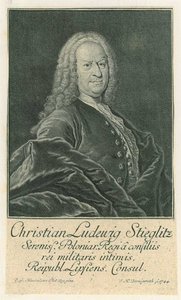
christian ludwig stieglitz
1756 - 1836 , Germany
プロフィール概要
- Artistic Movement Or Style: Romanticism
- Artists Or Movements Influenced By This Artist: ['Romanticism']
- Artists Who Influenced This Artist:
- Johann Wolfgang Goethe
- Caspar David Friedrich
- Date Of Birth: 1756 Leipzig Germany
- Date Of Death: 1836
- Full Name: Christian Ludwig Stieglitz
- Nationality: German
- Notable Artworks: ["Plans et Dessins Tirés de la Belle Architecture ou Representations D'Edifices executés ou projettés en 115 Planches avec les Explications nécessaires Le tout accompagné d’un Traié abrégé"]
- Place Of Birth: Leipzig Germany

