

 プレビュー
プレビュー
 プリントを購入
 シェアする
シェアする シェアする
シェアする
 詳細を見る
詳細を見る

 ダウンロード
 似ている作品
 X線調査
X線調査 スライドショー
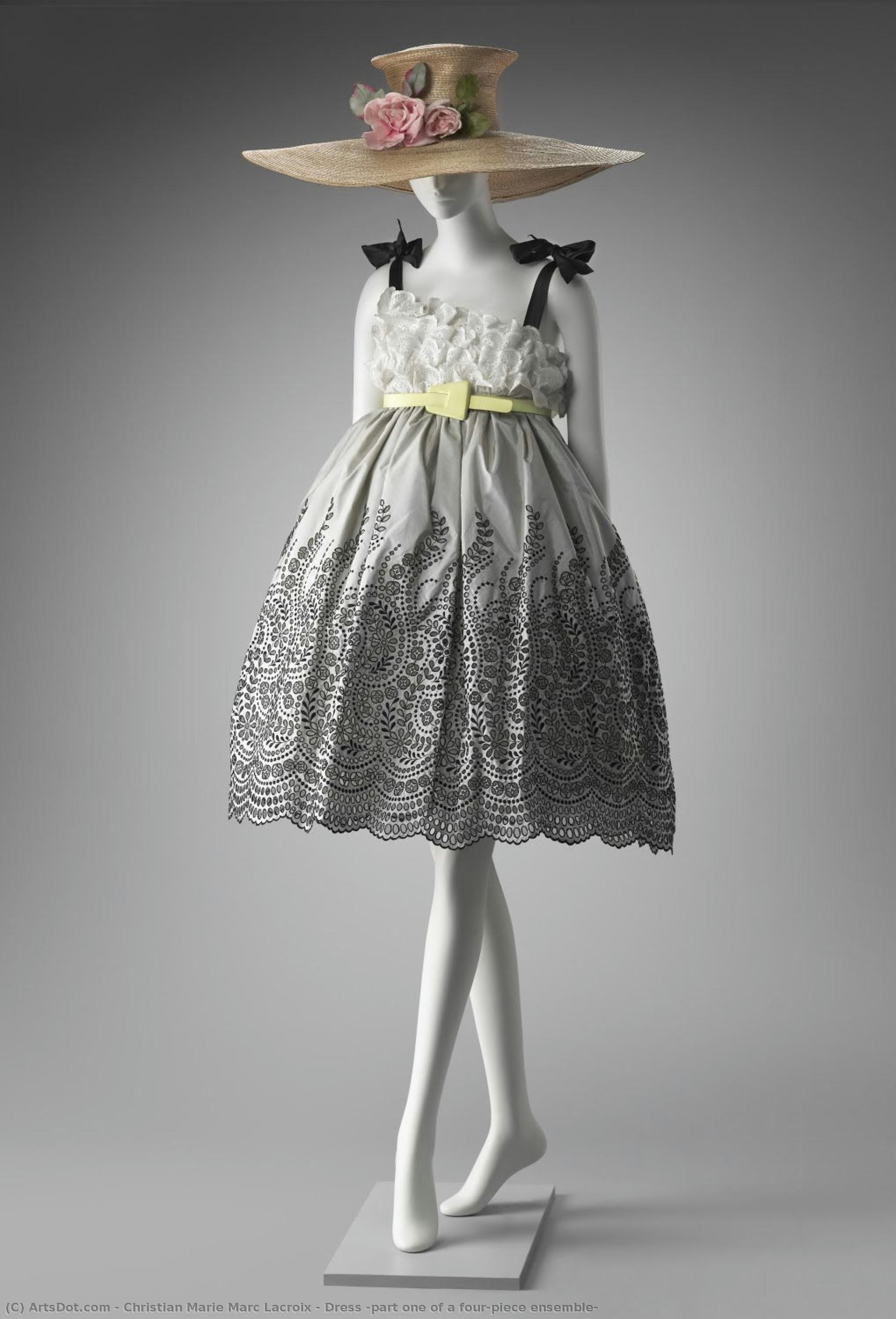
Dress (part one of a four-piece ensemble)


 詳細を見る
詳細を見る
オンラインプレビューをはるかに凌ぐ、高解像度で鮮明なデジタル画像をご購入いただけます。
各ファイルは、社内の専門家が高度なツールと熟練した手作業によるレタッチを用いて、細心の注意を払って準備されています。すべての画像において、卓越した鮮明度、正確な色彩再現性、そして繊細なディテールを保証いたします。
最終ファイルは、プロフェッショナルな編集・印刷環境ですぐにご利用いただけるよう最適化された状態で、72時間以内にメールにてお届けいたします。これは、一流のデザインスタジオ、出版社、ギャラリーから信頼されているものと同等の品質です。
デジタル画像のご注文に付随する特典
高品質なデジタル画像配信を、確かな品質で。
ArtsDot.com を選ぶことは、単に画像を手に入れることではありません。それは、プロの手によって精密に仕上げられ、満足保証が付いた高品質なデジタルアートワークを受け取ることを意味します。ご注文いただいた際に自動的に付随する内容は、以下の通りです:

メールですぐにお届け
ご注文から72時間以内に、高解像度のデジタル画像ファイルがメールでお手元に届きます。すぐにそのままご利用いただけます。

AI技術で最適化されたデジタルファイル
お客様の作品は、高度なAIツールと専門家による手作業の編集を組み合わせてプロフェッショナルに最適化されており、細部のディテール、鮮明さ、そして正確な色再現性を最大限に引き出しています。

一生涯無料の再送サービス
ファイルを誤って削除したり、紛失してしまったりしましたか?ご安心ください。いつでも無料で再送いたします。

輸入手数料は一切かかりません
関税や手数料、配送料を気にすることなく、お気に入りのアートワークをすぐにお楽しみいただけます。デジタルダウンロードは常に免税です。

色彩再現の保証
プロ仕様のツールとカラーマネジメント技術を用いることで、デジタル画像が元の色を最大限に忠実に再現することを保証いたします。

60日間満足保証
ご購入いただいたデジタル画像にご満足いただけない場合は、60日以内であれば、修正または100%の返金(理由を問う必要はありません)をさせていただきます。

100% 返金保証
ご満足いただけない場合は、デジタルファイルを受け取ってから60日以内であれば、理由を問わず全額返金いたします。

まとめ買い割引
3枚購入で10%OFF - 5枚購入で15%OFF - 10枚以上購入で20%OFF。クリエイティブなプロジェクト、ギャラリー、エージェンシーに最適です。
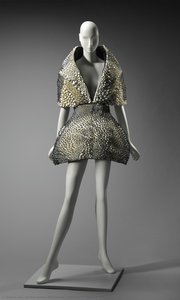
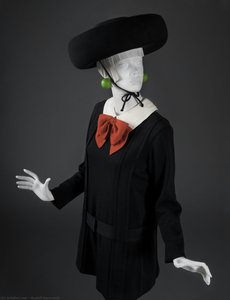
Dress (part one of a four-piece ensemble) – A Symphony of Texture and Nostalgia
The dress by Christian Marie Marc Lacroix stands as more than just a garment; it’s a meticulously crafted testament to the enduring allure of historical grandeur reimagined for the modern aesthetic. Created in 1987, this piece embodies Lacroix's signature style—a bold fusion of opulent embellishment and graceful simplicity that draws heavily upon influences from Victorian couture. It wasn’t merely about replicating past fashions; Lacroix sought to distill their spirit into a contemporary form, capturing the essence of aristocratic elegance while maintaining an undeniably wearable quality.Composition and Technique: Layers of Illusion
The photograph captures the dress against a subtly textured grey backdrop—a deliberate choice that serves to heighten the visual impact of its intricate details. Positioned slightly off-center on a white mannequin, the dress exudes movement, mirroring the fluidity of Lacroix’s design philosophy. The artist skillfully employs layering techniques, utilizing tulle and lace to create voluminous silhouettes reminiscent of Victorian ball gowns. These fabrics are expertly draped and pleated, resulting in graceful curves that emphasize femininity. Furthermore, the photographer's lighting—soft and diffused—illuminates the dress with a gentle glow, revealing the subtle nuances of texture and color. The meticulous attention to detail is palpable; every stitch of lace and petal of straw flower contributes to the overall impression of refined artistry.Historical Context: Echoes of Victorian Elegance
Lacroix’s inspiration stems from the elaborate costumes worn by royalty and aristocracy during the Victorian era (1837-1901). This period witnessed a dramatic shift in fashion sensibilities, moving away from restrictive corsets towards more flowing gowns adorned with lavish embellishments—pearls, lace, embroidery, and voluminous skirts. Lacroix consciously referenced these stylistic conventions, translating them into a contemporary design that speaks to the timeless beauty of Victorian grandeur. The choice of straw hat—a playful counterpoint to the dress’s formality—further underscores this connection to history, hinting at a spirit of carefree exuberance within a framework of aristocratic tradition.Symbolism and Emotional Resonance: Capturing Sentimentality
Beyond its aesthetic qualities, the dress carries symbolic weight. The flowing tulle skirt represents freedom and grace, mirroring the aspirations of women during the Victorian era who sought independence while upholding social decorum. Similarly, the delicate lace detailing symbolizes purity and refinement—values deeply ingrained in Victorian culture. Lacroix’s intention wasn't simply to create a beautiful garment; he aimed to evoke feelings of nostalgia for a bygone age, capturing the romantic spirit of Victorian society. The overall effect is one of understated elegance combined with a hint of whimsical charm, inviting contemplation on beauty and tradition alike.Material Considerations: Craftsmanship and Quality
The dress exemplifies exceptional craftsmanship utilizing materials chosen for their textural qualities and visual impact. Constructed primarily from tulle—a lightweight fabric known for its ethereal drape—and embellished with intricate lace—typically crafted from silk or cotton—the garment prioritizes tactile experience alongside visual splendor. The straw hat, adorned with pastel floral accents, adds another layer of sensory engagement. These materials are carefully selected to convey a sense of luxury and sophistication, reflecting Lacroix’s commitment to producing pieces that transcend mere fashion trends and become enduring symbols of artistic excellence.関連作品
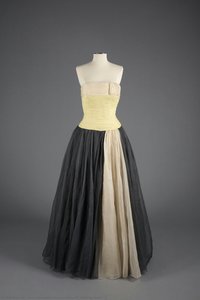
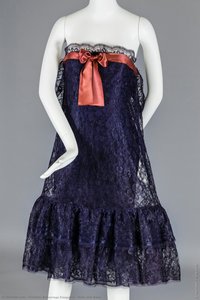
作家の略歴
A Life Woven in Color and History
Christian Marie Marc Lacroix, a name synonymous with opulent extravagance and theatrical flair, emerged from the sun-drenched landscapes of Arles, France, in 1951. More than simply a fashion designer, Lacroix is an architect of dreams, a storyteller who translates historical reverence into wearable art. His journey began not with sketches of modern silhouettes, but with a deep fascination for the costumes and fashions of bygone eras – a passion that would become the defining characteristic of his illustrious career.
From a young age, Lacroix’s imagination was captivated by the past. He wasn't merely interested in clothing; he sought to understand the narratives woven into each garment, the social contexts they represented, and the artistry involved in their creation. This early inclination led him to pursue Art History at the University of Montpellier, followed by studies at the Sorbonne in Paris, concurrently delving into museum studies at the École du Louvre. Initially aspiring to a life curating history within museum walls, fate – and a pivotal meeting with his future wife, Françoise Rosenthiel – steered him toward a different kind of preservation: breathing new life into the art of haute couture.
The Birth of a Maison and a Revolution in Style
By the mid-1980s, Parisian haute couture was perceived by many as fading, losing its vibrancy. It was against this backdrop that Christian Lacroix boldly founded his own fashion house in 1987, backed by substantial investment. This wasn’t merely a business venture; it was a declaration of intent – to revitalize luxury fashion with a spirit of playful exuberance and unapologetic opulence. His debut collection in July of the same year sent shockwaves through the industry. It wasn't about minimalism or restraint; it was an explosion of color, texture, and historical references.
Lacroix didn’t shy away from embellishment. Fringe danced with beadwork, embroidery bloomed across fabrics, and silhouettes echoed the grandeur of 18th-century court dress. The iconic ‘le pouf’ skirt – a voluminous, playfully exaggerated creation – became his signature, instantly recognizable and endlessly copied. He masterfully blended historical inspiration with modern sensibilities, creating designs that were both reverent and revolutionary. The following year saw the launch of his ready-to-wear line, quickly followed by an expansion into accessories—jewelry, handbags, shoes, scarves, and ties—establishing a comprehensive lifestyle brand.
Influences: A Tapestry of Inspiration
Lacroix’s aesthetic is not born from a single source but rather a rich tapestry of influences. Historical costumes, particularly those of the 18th century, provided a foundational vocabulary of silhouettes and details. His academic studies on dress in French 18th-century painting weren’t merely theoretical; they informed his understanding of how clothing could convey status, personality, and narrative. But Lacroix's vision extended beyond the confines of European history.
He drew inspiration from diverse cultures, folklore, fables, and theatrical traditions. His early work within theatre & opera instilled in him a dramatic flair that permeated his designs, transforming garments into performances. This eclectic mix wasn’t haphazard; it was a deliberate attempt to create a world of fantasy and escapism, where luxury and playfulness coexisted harmoniously. Throughout the 1990s, this exploration continued, with collections inspired by global traditions, ethnic arts, and historical narratives.
Expansion, Diversification, and Enduring Legacy
The expansion of Maison Lacroix throughout the 1990s was remarkable. Boutiques blossomed in key cities worldwide – Paris, Arles, London, Tokyo – solidifying its global presence. But Lacroix wasn’t content to remain solely within the realm of fashion. He embraced diversification, launching a towel line in 1995, an “art de la table” collection with Christofle in 1997, and even venturing into fragrances and childrenswear. These ventures weren't simply branding exercises; they were extensions of his artistic vision, demonstrating his belief that beauty could be found in all aspects of life.
Christian Lacroix’s impact on the fashion world is undeniable. He revitalized haute couture at a time when many believed it was dying, proving that luxury could be both opulent and playful. His theatrical style, masterful use of color and pattern, and unwavering commitment to artisanal craftsmanship have inspired generations of designers. He demonstrated that fashion wasn't just about clothing; it was about storytelling, emotion, and the celebration of individuality. Today, his legacy continues to resonate, reminding us that true luxury lies not in restraint but in the fearless embrace of creativity.
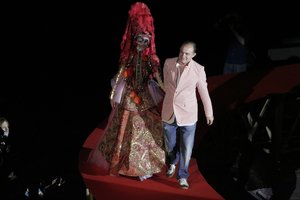
Christian Marie Marc Lacroix
1951 - , France
プロフィール概要
- Artistic Movement Or Style: Haute couture, Theatrical
- Artists Or Movements Influenced By This Artist: ['Contemporary designers']
- Artists Who Influenced This Artist: ['Historical dressmakers']
- Date Of Birth: 1951
- Full Name: Christian Marie Marc Lacroix
- Nationality: French
- Notable Artworks:
- Dress (part one…
- Costume pour les rôles…
- Place Of Birth: Arles, France

