

 プレビュー
プレビュー
 プリントを購入
 シェアする
シェアする シェアする
シェアする
 詳細を見る
詳細を見る

 ダウンロード
 似ている作品
 X線調査
X線調査 スライドショー
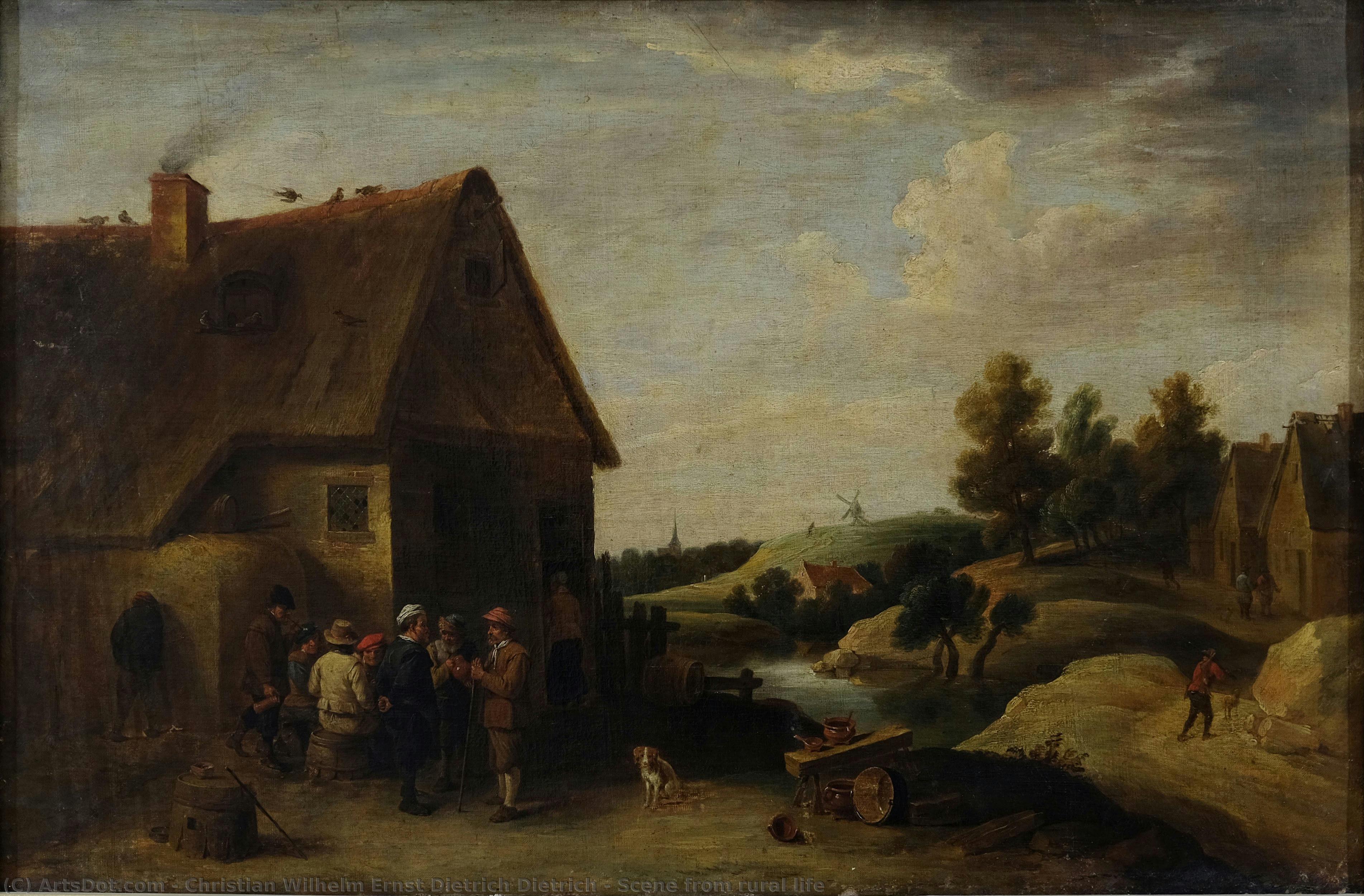
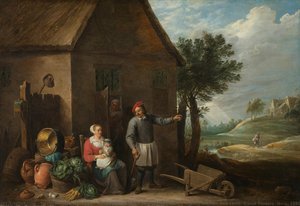
Scene from rural life


 詳細を見る
詳細を見る




































作品のオリジナル比率に合わせた、当店の規定サイズからお選びください。

特定のフレームやスペースに合わせて、ご希望のサイズをご入力いただけます。選択されたサイズが元の画像の比率と異なる場合、アートワークをトリミングするか、手描きで要素を追加して絵画を拡張いたします。デジタルモックアップ を制作し、制作開始前にご確認(承認)をいただきます。
画面上のプレビューは、実際のトリミングや拡張を正確に反映しているものではありません。最終的な構図は、モックアップによってのみ正確にご確認いただけます。
カスタムサイズもご利用いただけますが、元の比率を維持するためには、あらかじめ用意されたリストからサイズを選択することをお勧めいたします。
ご注文後、ArtsDot.com チームより詳細な指示をお送りするとともに、仕上がりイメージ(モックアップ)をご提供いたします。


 ガラスオプションは、110cm未満のサイズでのみご利用いただけます。

Scene from rural life
複製技法
複製画のサイズ
-


合計金額
$ 388
関連作品


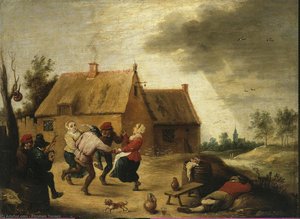
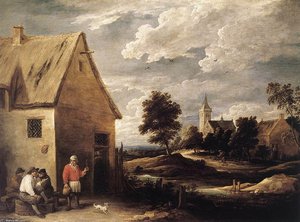
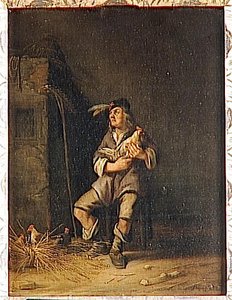
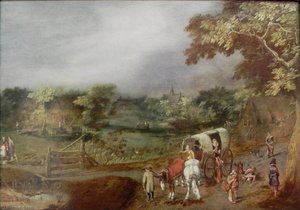
アーティストの略歴
The Virtuoso of Mimicry
In the grand tapestry of eighteenth-century art, few figures possess a legacy as enigmatic and technically profound as Christian Wilhelm Ernst Dietrich. Born in Weimar in 1712, Dietrich did not seek to shatter the existing artistic paradigms with a revolutionary new vision; instead, he sought to master the echoes of the past. Raised in an environment steeped in the traditions of German art patronage, his early life was shaped by the meticulous craftsmanship of his father, Johann Georg, a miniature painter to the court of Saxe-Weimar-Eisenach. This foundational exposure to fine detail and royal expectation prepared him for a career that would transcend mere painting, turning him into a living bridge between the Golden Age of the past and the Neoclassical era of his own time.His talent was so undeniable that by the age of eighteen, he had already captured the attention of King Augustus II. This royal recognition provided the essential means for Dietrich to embark on an expansive journey through the great artistic hubs of Europe, including Italy and the Netherlands. It was during these travels that his unique approach began to coalesce—not as a search for a personal style, but as a dedicated pursuit of the perfection found in the masters who preceded him.
A Chameleon of the Canvas
Dietrich’s greatness lay in his uncanny ability to inhabit the very souls of other artists. He was a master of transformation, capable of adopting the heavy, dramatic chiaroscuro of Rembrandt or the rustic, earthy textures of Ostade with astonishing fluidity. As he traversed the landscapes of Europe, he absorbed the stylistic nuances of Salvator Rosa and Allaert van van Everdingen, weaving their techniques into his own repertoire. To observe a Dietrich landscape is to witness a profound conversation between centuries; his brush could shift from the tempestuous, rocky vistas of the Italian style to the serene, light-dappled groves of the Dutch tradition.This remarkable versatility earned him the reverent title of “the Raphael of Landscape” from the influential art theorist Johann Joachim Winckelmann. While some might dismiss imitation as a lack of originality, Dietrich elevated the practice to a high form of technical mastery and historical preservation. His work was characterized by:
- Masterful Landscapes: Ranging from rugged, craggy formations to lush, tranquil greenery.
- Genre Scenes: Capturing the intimate and often humorous nuances of everyday life.
- Biblical Narratives: Utilizing classical compositions to breathe life into sacred history.
- Intricate Engravings: Meticulous prints that echoed the tonal depth of his oil paintings.
The Legacy of a Courtly Master
By 1741, Dietrich’s skill had secured him a prestigious appointment as the court painter to Augustus III in Dresden. This position was not merely an honor but a commitment to the continuous production of high-quality art that met the exacting standards of the era. His life and work were defined by a disciplined devotion to the art of reproduction, a practice that allowed him to serve as a custodian of artistic excellence. Even when he utilized fictitious dates or names to attribute works to masters like Rembrandt, his intention remained rooted in the celebration of those very legends.Though he never developed a singular, recognizable "Dietrich style" in the way a contemporary might, his historical significance remains undeniable. He was an artist who found his voice through the voices of others, ensuring that the brilliance of the Dutch and Italian masters continued to shine brightly within the German courts. Through his meticulous hand, the beauty of previous centuries was preserved, making him one of the most accomplished and fascinating imitators in the history of Western art.
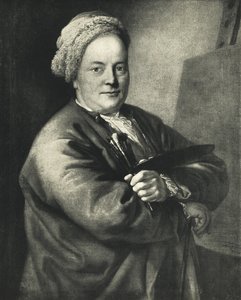
christian wilhelm ernst dietrich dietrich
1712 - 1774
基本情報
- Artistic Movement Or Style: Imitation of Dutch & Italian masters
- Artists Or Movements Influenced By This Artist:
- Rembrandt
- Salvator Rosa
- Allaert van Everdingen
- Artists Who Influenced This Artist:
- Johann Georg
- Johannes Alexander Thiele
- Giovanni Battista Piranesi
- Date Of Death: April 23, 1774
- Full Name: Christian Wilhelm Ernst Dietrich
- Nationality: German
- Notable Artworks:
- Baptism of the Chamberlain of Queen Candace of Ethiopia
- Surprised, or Infidelity Found Out
- Place Of Birth: Weimar, Germany
関連記事

黄金世紀の巨匠たち:バロック絵画が彩る10選|ArtsDot
オランダ黄金時代の10大傑作を紐解く!レンブラント、フェルメール…バロック絵画の魅力と時代背景を深く探求。ArtsDotで、至高のアートコレクションと空間演出のヒントを見つけよう。高品質なアートプリントで、お部屋を華やかに。

Golden Age Reflections: Dutch Baroque Painting & Cultural Innovation
Explore the Dutch Golden Age of painting! Discover key artists like Vermeer & ter Borch, their innovative techniques, and the rich cultural context behind these Baroque masterpieces. Learn about collecting & appreciating this iconic art period.
Genre Painting: A Window into Daily Life & Societal Values of the Dutch Golden Age
Explore the captivating world of Dutch Golden Age genre painting! Discover realistic depictions of daily life, masterful artists like Ostade & Metsu, and hidden symbolism. Learn about this influential art movement with ArtsDot.

Illuminating Innovation: Exploring the Dutch Golden Age of Painting
Explore the Dutch Golden Age of painting with ArtsDot. Discover Rembrandt, Vermeer & other Masters. Learn about key characteristics, iconic artworks, and lasting influence. Expert insights for collectors & enthusiasts.
Illuminating Realism: Exploring the Dutch Golden Age of Painting (1600-1700)
Explore the Dutch Golden Age of painting (1600-1700) with ArtsDot. Discover Rembrandt, Vermeer & other masters. Learn about techniques, history & find museum-quality reproductions.

