

 プレビュー
プレビュー
 プリントを購入
 シェアする
シェアする シェアする
シェアする
 詳細を見る
詳細を見る

 ダウンロード
 似ている作品
 X線調査
X線調査 スライドショー
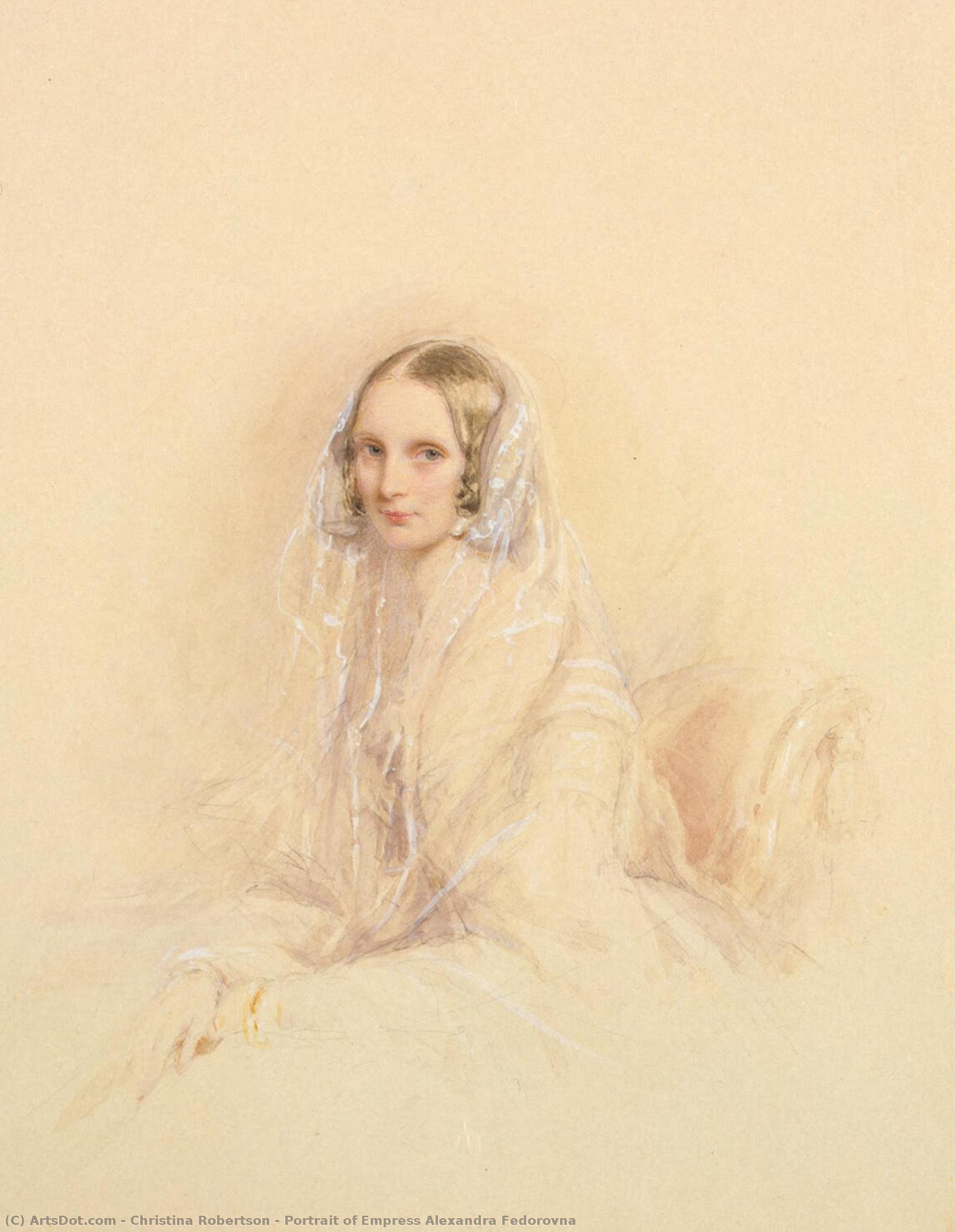
Portrait of Empress Alexandra Fedorovna
 Watercolor
- WallArt
- Academic Realism
 1845
1845- 19th Century
 25.0 x 20.0 cm
 エルミタージュ美術館
 詳細を見る
詳細を見る
オンラインプレビューをはるかに凌ぐ、高解像度で鮮明なデジタル画像をご購入いただけます。
各ファイルは、社内の専門家が高度なツールと熟練した手作業によるレタッチを用いて、細心の注意を払って準備されています。すべての画像において、卓越した鮮明度、正確な色彩再現性、そして繊細なディテールを保証いたします。
最終ファイルは、プロフェッショナルな編集・印刷環境ですぐにご利用いただけるよう最適化された状態で、72時間以内にメールにてお届けいたします。これは、一流のデザインスタジオ、出版社、ギャラリーから信頼されているものと同等の品質です。
デジタル画像のご注文に付随する特典
高品質なデジタル画像配信を、確かな品質で。
ArtsDot.com を選ぶことは、単に画像を手に入れることではありません。それは、プロの手によって精密に仕上げられ、満足保証が付いた高品質なデジタルアートワークを受け取ることを意味します。ご注文いただいた際に自動的に付随する内容は、以下の通りです:

メールですぐにお届け
ご注文から72時間以内に、高解像度のデジタル画像ファイルがメールでお手元に届きます。すぐにそのままご利用いただけます。

AI技術で最適化されたデジタルファイル
お客様の作品は、高度なAIツールと専門家による手作業の編集を組み合わせてプロフェッショナルに最適化されており、細部のディテール、鮮明さ、そして正確な色再現性を最大限に引き出しています。

一生涯無料の再送サービス
ファイルを誤って削除したり、紛失してしまったりしましたか?ご安心ください。いつでも無料で再送いたします。

輸入手数料は一切かかりません
関税や手数料、配送料を気にすることなく、お気に入りのアートワークをすぐにお楽しみいただけます。デジタルダウンロードは常に免税です。

色彩再現の保証
プロ仕様のツールとカラーマネジメント技術を用いることで、デジタル画像が元の色を最大限に忠実に再現することを保証いたします。

60日間満足保証
ご購入いただいたデジタル画像にご満足いただけない場合は、60日以内であれば、修正または100%の返金(理由を問う必要はありません)をさせていただきます。

100% 返金保証
ご満足いただけない場合は、デジタルファイルを受け取ってから60日以内であれば、理由を問わず全額返金いたします。

まとめ買い割引
3枚購入で10%OFF - 5枚購入で15%OFF - 10枚以上購入で20%OFF。クリエイティブなプロジェクト、ギャラリー、エージェンシーに最適です。
Portrait of Empress Alexandra Fedorovna – A Study in Quiet Dignity
Christina Robertson’s “Portrait of Empress Alexandra Fedorovna,” completed circa 1845, stands as a testament to the meticulous observation and refined artistic sensibilities characteristic of Academic painting during its golden age. Executed in watercolor on paper, this intimate depiction captures not merely likeness but also an essence of regal composure—a quality that continues to resonate with viewers today. The artwork resides within the esteemed Hermitage Museum in Saint Petersburg, Russia, offering a tangible connection to imperial Russia’s artistic heritage. ### Artistic Style and Technique – Precision Meets Pastel Elegance Robertson adhered rigorously to the tenets of Academicism, prioritizing anatomical accuracy and masterful rendering of light and shadow—elements meticulously crafted to convey depth and realism. Watercolor, favored for its luminosity and blending capabilities, allowed Robertson to achieve subtle tonal gradations that illuminate Alexandra Fedorovna’s face with a gentle radiance. The artist skillfully employed glazing techniques, layering translucent washes over initial sketches to build up color intensity gradually, resulting in an ethereal quality that distinguishes itself from more expressive styles prevalent at the time. Attention to detail extends beyond mere representation; the folds of Alexandra Fedorovna's dress are rendered with painstaking care, demonstrating a profound understanding of fabric texture and drapery—skills honed through extensive training and experience. ### Historical Context – The Reign of Nicholas I and Artistic Patronage The portrait emerged during the reign of Tsar Nicholas I (1825-1855), a period marked by conservative artistic ideals and fervent royal patronage. Academic painting flourished under his rule, championed as a vehicle for moral instruction and glorification of imperial grandeur. Christina Robertson’s success as a court painter reflects this broader cultural climate—a recognition of her talent within the elite circles of Russian society. Alexandra Fedorovna herself was a figure of considerable influence during Nicholas I's reign, embodying both piety and duty – qualities subtly conveyed through Robertson’s portrayal. The painting serves as a window into the visual culture of Victorian Russia, capturing not only a portrait but also an idealized representation of imperial femininity. ### Symbolism and Emotional Resonance – Contemplation and Graceful Presence Beyond its technical brilliance, “Portrait of Empress Alexandra Fedorovna” possesses a palpable emotional depth. Alexandra Fedorovna’s averted gaze—a deliberate compositional choice—suggests introspection and quiet contemplation—themes frequently explored in portraiture during the Romantic era. The muted pastel palette contributes to an atmosphere of serenity and grace, emphasizing the subject's dignity and inner peace. Robertson skillfully utilizes light to sculpt Alexandra Fedorovna’s face, highlighting her features with subtle shading that conveys both beauty and solemnity. The overall impression is one of dignified repose—a moment frozen in time, encapsulating the essence of imperial femininity and reflecting the artistic conventions of its era. ### Legacy – An Enduring Image of Regal Beauty Robertson's "Portrait of Empress Alexandra Fedorovna" remains a captivating example of Academic painting’s ability to convey both visual precision and psychological nuance. Its enduring appeal lies in its timeless elegance—a testament to Robertson’s mastery of technique and her profound understanding of the human spirit. Reproductions of this artwork continue to inspire admiration for its beauty and offer a glimpse into the artistic sensibilities of Victorian Russia, securing its place as an iconic image within art history.関連作品

作家の略歴
Christina Robertson: A Scottish Artist at the Russian Court
Early Life and Training
- Born: December 17, 1796, in Kinghorn, Fife, Scotland (though records indicate Edinburgh).
- Family Background: Robertson’s early life was shaped by her artistic family connections. Her mother was the sister of George Saunders, a miniature painter who became her initial mentor.
- Early Training: She received foundational training from her uncle, George Saunders, in London, mastering the art of miniature painting before expanding into oils and watercolors.
Artistic Development and Early Success
- Establishing a Career: Robertson quickly established herself as a successful portraitist, initially attracting Scottish patrons. Her skill allowed her to surpass her mentor financially.
- Royal Academy Exhibition: By 1823, she was exhibiting at the Royal Academy, gaining recognition within the British art world.
- Pioneering Studio Ownership: In 1828, Robertson opened her own studio in London – a remarkable achievement as one of the first women to do so.
- Royal Scottish Academy Honor: A significant milestone came in 1829 when she became the first woman honorary member of the Royal Scottish Academy.
Move to Russia and Imperial Patronage
- Parisian Connections: During the 1830s, Robertson traveled and worked in Paris, where she encountered members of the Russian court who may have already been familiar with her work through engravings.
- St. Petersburg Invitation: She was invited to St. Petersburg in 1839, partly due to increased demand for portraits following the fire that destroyed parts of the Winter Palace in 1837.
- Imperial Commissions: Robertson executed full-length paintings of Tsar Nicholas I and Empress Alexandra Feodorovna, along with their daughters Maria, Olga, and Alexandra.
- Academy Recognition: In 1841, she became the first (and only) woman to be made an honorary member of the Imperial Academy of Arts.
Life as a Court Painter & Later Years
- Ten Years in Russia: Robertson served as a royal artist for ten years, creating portraits of prominent figures within the Russian imperial family.
- Challenges and Commissions: While some portraits were initially rejected (like those of daughters-in-law), she continued to receive commissions, including one from Grand Duchess Maria Alexandrovna for a portrait of herself and her children, and an updated portrait of Empress Alexandra at the Empress’s request.
- Death and Burial: Christina Robertson died in St. Petersburg on April 30, 1854, and was buried in the Volkovo Cemetery.
Artistic Style and Historical Significance
- Portraiture Focus: Robertson’s work primarily focused on portraiture, characterized by academic precision and a keen ability to capture the likeness and personality of her sitters.
- Legacy & Rediscovery: Though largely forgotten after the Russian Revolution, recent exhibitions have helped revive interest in her life and art. Her portraits provide valuable historical documentation of the Russian Imperial family.
- Unique Position: Robertson’s success as a female artist in both Britain and Russia was exceptional for her time, breaking barriers and paving the way for future generations of women artists.
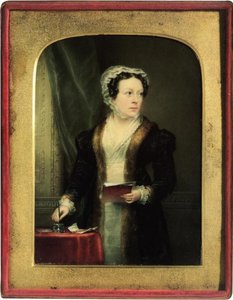
christina robertson
1796 - 1854 , United Kingdom
プロフィール概要
- Birth Date: 17 December 1796
- Birth Place: Kinghorn, United Kingdom
- Death Date: 30 April 1854
- Influenced By: George Saunders
- Movement: Academic Art
- Name: Christina Robertson
- Nationality: British
- Notable Works:
- Portrait of Empress Alexandra Fedorovna
- Portraits of the Russian Imperial Family

