

 プレビュー
プレビュー
 シェアする
シェアする シェアする
シェアする
 詳細を見る
詳細を見る

 ダウンロード
 似ている作品
 X線調査
X線調査 スライドショー
 統計情報
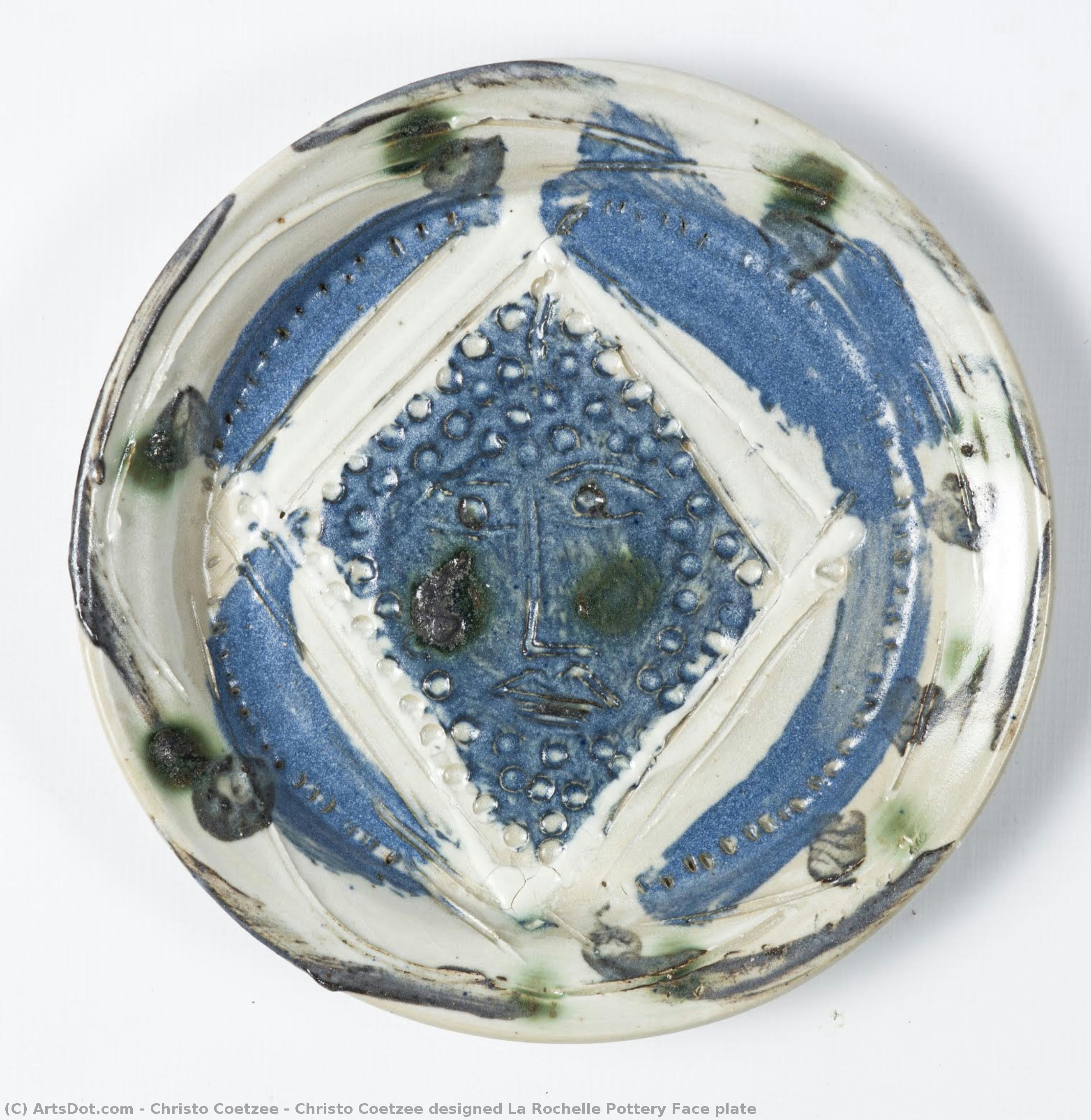
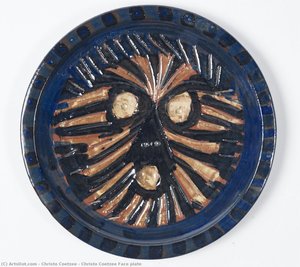
統計情報Christo Coetzee designed La Rochelle Pottery Face plate
 1986
1986 25.0 x 2.0 cm
 University of Pretoria Museums
 詳細を見る
詳細を見る
手描き油彩複製画
当社のアーティストが、お客様のご希望のサイズと額縁に合わせて、キャンバスに手描きで制作する油彩画です。 ( プリント版に切り替え デジタル画像販売へ切り替え)




































作品のオリジナル比率に合わせた、当店の規定サイズからお選びください。

特定のフレームやスペースに合わせて、ご希望のサイズをご入力いただけます。選択されたサイズが元の画像の比率と異なる場合、アートワークをトリミングするか、手描きで要素を追加して絵画を拡張いたします。デジタルモックアップ を制作し、制作開始前にご確認(承認)をいただきます。
画面上のプレビューは、実際のトリミングや拡張を正確に反映しているものではありません。最終的な構図は、モックアップによってのみ正確にご確認いただけます。
カスタムサイズもご利用いただけますが、元の比率を維持するためには、あらかじめ用意されたリストからサイズを選択することをお勧めいたします。
ご注文後、ArtsDot.com チームより詳細な指示をお送りするとともに、仕上がりイメージ(モックアップ)をご提供いたします。


 ガラスオプションは、110cm未満のサイズでのみご利用いただけます。

Christo Coetzee designed La Rochelle Pottery Face plate
複製技法
複製画のサイズ
-


合計金額
$ 263
関連作品




アーティストの略歴
The Visionary Assemblage: The Life and Legacy of Christo Coetzee
Born in the vibrant landscape of Pretoria, South Africa, in 1929, Christo Coetzee emerged as a profound force within the international avant-garde. His journey began far from the bustling art capitals of Europe, yet his spirit was inherently global. After honing his foundational skills at the University of the Witwatersrand, where he studied alongside a generation of notable South African talents, Coetzee sought the broader horizons of the London art scene. Enrolling at the prestigious Slade School of Art under the guidance of Professor William Coldstream, he began to refine a visual language that would eventually transcend traditional boundaries, moving away from mere representation toward the visceral textures of Neo-Baroque and assemblage.
Coetzee’s career was defined by a restless movement between continents and a deep immersion in the radical theories of his time. He became a vital figure in the movement known as un art autre, or "other art," a concept championed by the influential theorist Michel Tapié. This period of his life saw him weaving himself into the very fabric of the mid-century European avant-garde. His work resonated with the energy of the Gutai group from Japan and found common ground with masters such as Jean Dubuffet, Antoni Tàpies, and Lucio Fontana. Through these connections, Coetzee developed a style that was less about depicting the world and more about constructing new, tactile realities through the layering of materials and the spontaneous expression of form.
A Tapestry of Texture and Form
The essence of Coetzee’s artistry lies in his mastery of assemblage—a technique where the artist breathes life into disparate objects, creating a unified, emotive whole. His work often functions as a dialogue between chaos and order, utilizing thick impasto, found objects, and complex layering to evoke a sense of historical depth and psychological complexity. In masterpieces such as Ophelia and Harlequins Homage to Guernica, one can witness his ability to channel the raw, fragmented energy of modern conflict and myth through a lens of abstract expressionism.
His technical approach was characterized by several defining elements:
- Materiality: The use of unconventional surfaces and textures that invite a tactile engagement from the viewer.
- Neo-Baroque Sensibility: A dramatic use of light, shadow, and movement that creates a sense of theatrical intensity.
- Global Synthesis: The seamless blending of South African roots with the experimental techniques of European Art Informel and Japanese Gutai influences.
Historical Significance and Enduring Influence
Though his life was cut short in 2000, Christo Coetzee’s contribution to the evolution of modern art remains indelible. He acted as a bridge between the burgeoning art scenes of Southern Africa and the established experimental movements of Europe and Japan. By embracing the "otherness" of art, he helped push the boundaries of what could be considered a canvas, transforming it into a sculptural space where memory, texture, and emotion collide.
Today, his legacy is preserved in significant institutions, including the University of Pretoria museums and the Nuneaton Museum and Art Gallery. His works serve as a testament to a period of unparalleled artistic experimentation, reminding us that art is not merely a window into another world, but a physical construction of our shared human experience. To study Coetzee is to encounter the very pulse of the 20th-century avant-garde, a legacy of beautiful, textured rebellion.
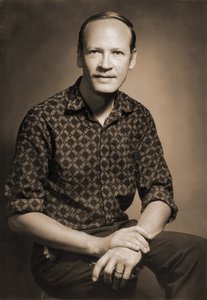
Christo Coetzee
1929 - 2000 , South Africa
基本情報
- Artistic Movement Or Style: Neo-Baroque & Assemblage
- Artists Or Movements Influenced By This Artist:
- Tapié
- Gutai
- Artists Who Influenced This Artist:
- Michel Tapié
- Gutai group
- Anthony Denney
- Date Of Birth: 24 March 1929
- Full Name: Christo Coetzee
- Nationality: South African
- Notable Artworks:
- Ophelia
- Harlequins homage to Guernica
- Face plate
- Place Of Birth: Pretoria, South Africa