

 プレビュー
プレビュー
 プリントを購入
 シェアする
シェアする シェアする
シェアする
 詳細を見る
詳細を見る

 ダウンロード
 似ている作品
 X線調査
X線調査 スライドショー
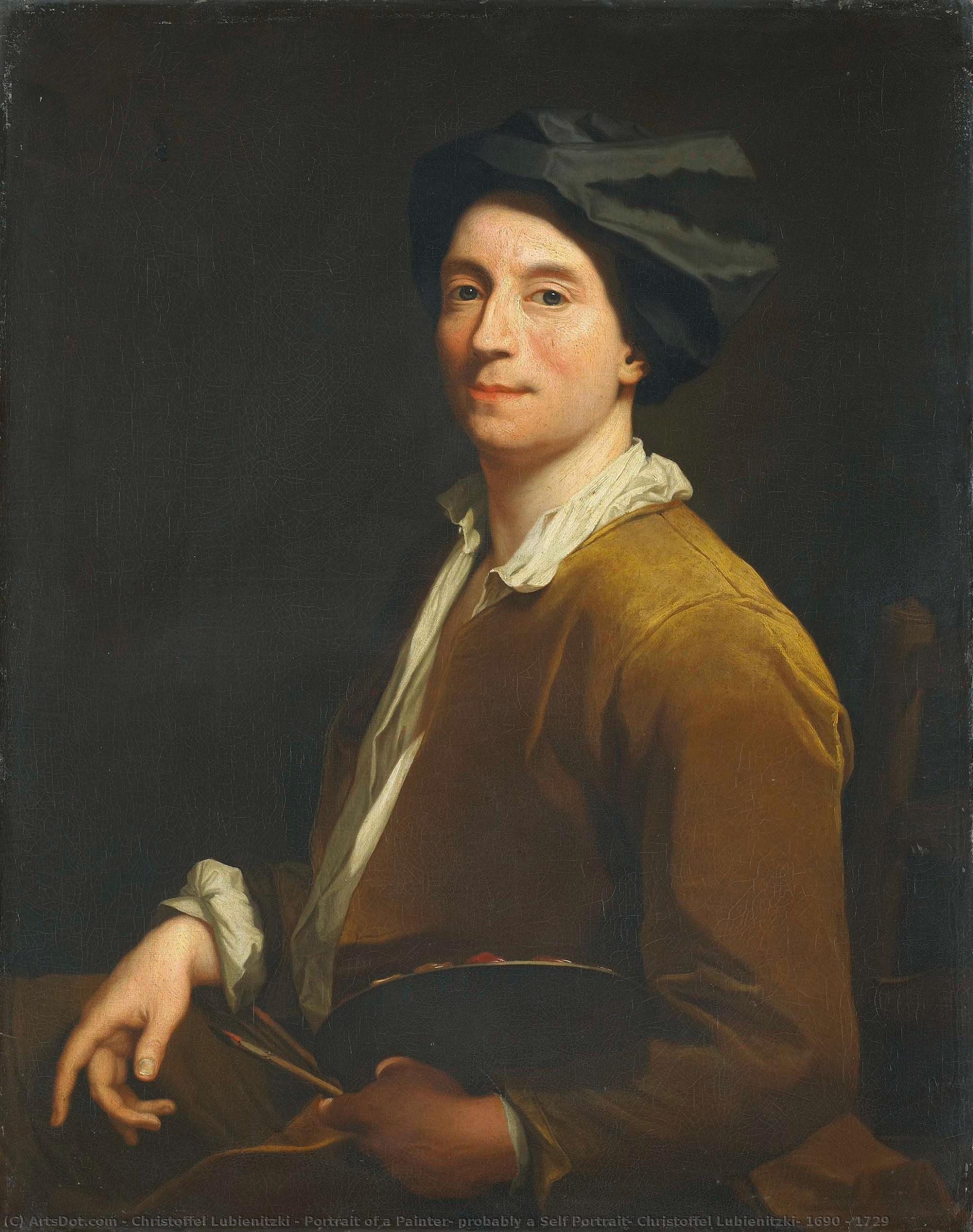
Portrait of a Painter, probably a Self Portrait, Christoffel Lubienitzki, 1690 - 1729
 1729
1729 92.0 x 73.0 cm
 詳細を見る
詳細を見る




































作品のオリジナル比率に合わせた、当店の規定サイズからお選びください。

特定のフレームやスペースに合わせて、ご希望のサイズをご入力いただけます。選択されたサイズが元の画像の比率と異なる場合、アートワークをトリミングするか、手描きで要素を追加して絵画を拡張いたします。デジタルモックアップ を制作し、制作開始前にご確認(承認)をいただきます。
画面上のプレビューは、実際のトリミングや拡張を正確に反映しているものではありません。最終的な構図は、モックアップによってのみ正確にご確認いただけます。
カスタムサイズもご利用いただけますが、元の比率を維持するためには、あらかじめ用意されたリストからサイズを選択することをお勧めいたします。
ご注文後、ArtsDot.com チームより詳細な指示をお送りするとともに、仕上がりイメージ(モックアップ)をご提供いたします。


 ガラスオプションは、110cm未満のサイズでのみご利用いただけます。

Portrait of a Painter, probably a Self Portrait, Christoffel Lubienitzki, 1690 - 1729
複製技法
複製画のサイズ
-


合計金額
$ 263
関連作品

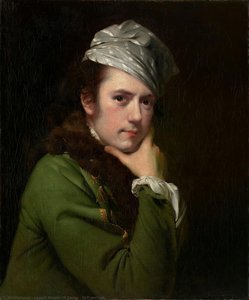
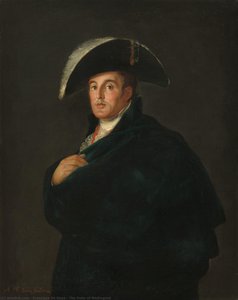

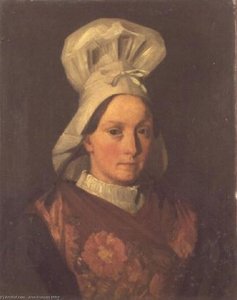
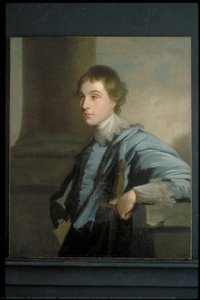
アーティストの略歴
A Polish Exile’s Golden Hue: The Life and Art of Christoffel Lubienitzki
Christoffel Lubienitzki, a name that resonates softly through the annals of Baroque painting, embodies a fascinating intersection of cultural displacement and artistic flourishing. Born in 1659 in Szczecin, then part of Swedish Pomerania, his life was shaped by the turbulent religious landscape of Poland-Lithuania and found its mature expression amidst the vibrant artistic milieu of Amsterdam’s Golden Age. He wasn't merely a painter; he was a conduit between worlds, carrying with him the intellectual heritage of a persecuted Polish Protestant sect – the Polish Brethren – into the heart of Dutch artistry. His story is one of resilience, adaptation, and the enduring power of artistic vision. Lubienitzki’s family, steeped in nobility and scholarly pursuits, were forced to seek refuge from religious intolerance, a circumstance that would irrevocably alter their trajectory and ultimately contribute to the unique character of his work.From Hamburg Training to Amsterdam Apprenticeship
The early seeds of Lubienitzki’s artistic talent were sown in Hamburg, where he and his brother Teodor received instruction from Juriaan Stur, a landscape and seascape painter. This foundational training instilled within them an appreciation for natural observation and the subtleties of light – qualities that would later become hallmarks of their individual styles. However, it was the move to Amsterdam around 1667 that proved pivotal. Krzysztof entered the workshop of Adriaen Backer, a prominent portraitist known for his dramatic use of chiaroscuro and psychological depth. Simultaneously, Teodor apprenticed with Gerard de Lairesse, a leading figure in Dutch Classicism. This dual apprenticeship exposed the brothers to contrasting aesthetic approaches, shaping their artistic sensibilities and providing them with a broad technical foundation. While Backer’s influence is discernible in Lubienitzki's early portraits – particularly his mastery of texture and form – he ultimately forged his own path, blending Baroque grandeur with a distinctly Dutch sensibility for genre scenes and intimate portraiture.A Portraitist of Amsterdam Society
Lubienitzki quickly established himself as a sought-after portraitist in Amsterdam’s burgeoning art market. His patrons were diverse, reflecting the cosmopolitan nature of the city – merchants, poets, collectors, and members of the Remonstrant congregation, among whom he served as a deacon in 1681. His portraits are not merely likenesses; they are insightful studies of character, capturing the inner lives of his subjects with remarkable sensitivity. He possessed an exceptional ability to convey social status and personality through subtle details – the fall of light on a lace collar, the expression in the eyes, the carefully chosen props that hint at profession or intellectual pursuits. Works like *Portrait of Arnoud van Halen (1673-1732)* exemplify this skill, presenting a dignified yet approachable figure imbued with intelligence and refinement. Beyond portraiture, Lubienitzki demonstrated a keen interest in genre scenes, depicting everyday life with a meticulous attention to detail and a gentle humor. These paintings offer glimpses into the domestic interiors and social customs of 17th-century Amsterdam, revealing a world both familiar and subtly exotic.Collaboration and Legacy
Lubienitzki’s artistic endeavors extended beyond independent painting. He actively collaborated with leading printmakers of his time – Jacobus Houbraken, Daniël Willink, and Johannes Brandt (son of Gerard Brandt) – contributing designs for engravings that further disseminated his style and imagery. This collaborative spirit was characteristic of the Dutch art world, where artists often worked in partnership to meet the demands of a growing market. His brother Teodor’s eventual relocation to Hannover and then Poland did not diminish their artistic connection; they remained influential figures within their respective spheres. While Lubienitzki never returned to his homeland permanently, his Polish heritage continued to inform his work, subtly influencing his choice of subjects and his approach to composition. He died in Amsterdam in 1729, leaving behind a legacy of refined portraiture, engaging genre scenes, and a testament to the enduring power of art to transcend cultural boundaries. His *Portrait of a Young Man*, looted during World War II but later repatriated to Poland, stands as a poignant symbol of his life – a work that embodies both artistic excellence and the resilience of Polish identity in the face of adversity. His paintings continue to captivate viewers with their quiet dignity, technical mastery, and evocative portrayal of a bygone era. Lubienitzki’s contribution lies not only in his individual achievements but also in his ability to synthesize diverse artistic influences into a unique and compelling vision.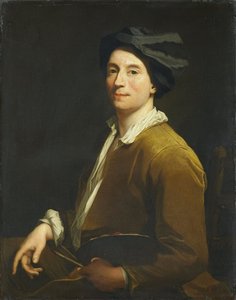
christoffel lubienitzki
1659 - 1729 , Poland
基本情報
- Artistic Movement Or Style: Baroque
- Artists Or Movements Influenced By This Artist: ['Jan Maurits Quinkhard']
- Artists Who Influenced This Artist:
- Juriaan Stur
- Adriaen Backer
- Gerard de Lairesse
- Date Of Birth: 1659
- Date Of Death: 1729
- Full Name: Christoffel Lubienitzki
- Nationality: Polish
- Notable Artworks:
- Portrait of Arnoud van Halen
- Self Portrait
- Sabina Agneta d'Acquet portrait
- Place Of Birth: Szczecin, Poland