

 プレビュー
プレビュー
 シェアする
シェアする シェアする
シェアする
 詳細を見る
詳細を見る

 ダウンロード
 似ている作品
 X線調査
X線調査 スライドショー
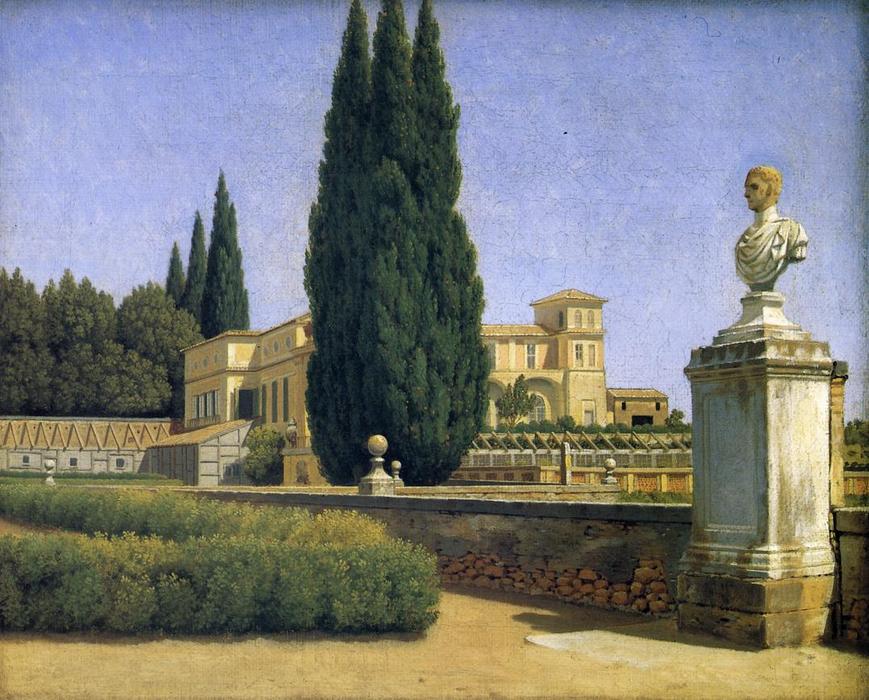
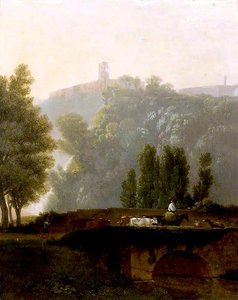
In the Gardens of the Villa Albani


 詳細を見る
詳細を見る
ジークレー/アートプリント
迅速な制作と多彩な仕上げオプションを備えた、ミュージアムクオリティのジークレーまたはキャンバスプリント。 ( 手描きの絵画を購入 画像を購入)




P118B $10

P118H $10

P118W $10

P438Z $10

P508JH $12

P508YH $12

P805H $10

P805Z $10

P919BZ $10

P919G $10

P919XJ $10

P959ZH $10

P968JZ $12

W106C $8

W218G $10

W218JH $8

W218Y $10

W307PJ $10

W316G $10

W316PJ $8

W316Y $10

W398PJ $8

W4111J $10

W500HY $15

W500JH $15

W692G $12

W849H $8

W940BG $15

W953PJ $8




作品のオリジナル比率に合わせた、当店の規定サイズからお選びください。

特定のフレームやスペースに合わせて、ご自身でサイズを指定することも可能です。選択されたサイズが元の画像の比率と一致しない場合、作品をトリミングするか、鏡面反射または単色での塗りつぶしによって画像を拡張いたします。制作を開始する前に、ご確認用のデジタルモックアップをお送りいたします。
画面上のプレビューには、実際のトリミングや拡張は反映されませんのでご注意ください。最終的な構図を正確に確認できるのは、モックアップのみとなります。
カスタムサイズも承っておりますが、元の比率を維持するためには、あらかじめ用意されたリストからサイズを選択することをお勧めいたします。


 ガラスオプションは、110cm未満のサイズでのみご利用いただけます。

In the Gardens of the Villa Albani
ジークレー/アートプリント
複製画のサイズ
-


合計金額
$ 62
A Serene Vision of Roman Grandeur: Christoffer Wilhelm Eckersberg’s “In the Gardens of the Villa Albani”
Christoffer Wilhelm Eckersberg's 1813 painting, "In the Gardens of the Villa Albani," offers a captivating glimpse into the refined aesthetic sensibilities of early 19th-century Denmark and its engagement with classical ideals. More than simply a landscape depiction, it’s a carefully constructed tableau that speaks to notions of order, leisure, and the harmonious relationship between humanity and nature – themes deeply rooted in Roman civilization and meticulously rendered through Eckersberg's masterful command of light, composition, and detail.
The scene unfolds within the expansive gardens of the Villa Albani in Rome, a residence commissioned by Cardinal Alessandro Albani. The villa itself, a testament to architectural grandeur, anchors the view with its imposing façade – a clear reference to the classical Roman villas that inspired generations of European artists and architects. Eckersberg doesn’t merely portray the building; he imbues it with an aura of dignified permanence, suggesting a connection to the enduring legacy of antiquity. The carefully arranged pathways, geometric patterns, and symmetrical elements within the garden reflect a deliberate pursuit of order and balance, mirroring the principles espoused by Renaissance humanists and artists.
Neoclassical Precision: Technique and Style
Eckersberg’s style firmly aligns with the Neoclassicism that dominated European art during this period. He eschews the dramatic flourishes and emotional intensity of the preceding Romantic movement, opting instead for a restrained elegance and an emphasis on clarity and precision. The brushwork is notably controlled – visible yet not overly assertive, creating a sense of polished refinement. Eckersberg skillfully employs atmospheric perspective, subtly diminishing the details and colors in the background to create a convincing illusion of depth. This technique draws the viewer’s eye towards the central elements of the composition: the villa itself and the figures engaged in leisurely pursuits within the garden.
The painting is executed primarily in oil on canvas, utilizing layering and glazing techniques to build up color and texture with remarkable subtlety. Notice how light gently caresses the foliage, casting soft shadows that define form and volume. The palette is predominantly muted – a harmonious blend of greens, browns, and blues – contributing to the overall sense of tranquility and serenity. The use of cool tones in the background contrasts effectively with the warmer hues employed for the foreground elements, further enhancing the depth and spatial relationships within the scene.
Symbolism and Context: Echoes of Rome
“In the Gardens of the Villa Albani” is deeply intertwined with the historical context of its creation. The Villa Albani itself was a deliberate homage to Roman antiquity, reflecting Cardinal Albani’s passion for classical art and architecture. Eckersberg's painting serves as a visual embodiment of this fascination, capturing the idealized vision of Roman life – a world of refined leisure, intellectual pursuits, and harmonious relationships with nature.
The inclusion of figures engaged in conversation and contemplation within the garden subtly alludes to the philosophical and social ideals associated with classical Rome. These individuals represent a cultivated elite, enjoying the fruits of their intellect and wealth amidst the beauty of the natural world. The bust, prominently positioned within the composition, further reinforces this connection to antiquity, suggesting a dialogue between the present and the past.
A Legacy of Serenity: Reproductions and Inspiration
Eckersberg’s “In the Gardens of the Villa Albani” remains a powerfully evocative work of art, offering a timeless vision of beauty, order, and harmony. Reproductions of this painting capture not only its visual splendor but also the underlying sense of tranquility and intellectual engagement that defines it. Whether adorning a formal living room or a contemplative study, a high-quality reproduction can transport viewers to the serene gardens of the Villa Albani – a testament to Eckersberg’s artistic genius and the enduring appeal of classical ideals.
関連作品


アーティストの略歴
デンマーク近代の黎明:クリストファー・ヴィルヘルム・エッカースベルグの芸術的ヴィジョン
1783年、シュレースヴィヒ公国の小さな地で生まれたクリストファー・ヴィルヘルム・エッカースベルグ。その風景は、彼の芸術的な感性に永遠に刻み込まれることとなりました。デンマーク美術史において記念碑的な存在である彼は、しばしば「デンマーク絵画の父」と称えられます。しかし、エッカースベルグは単なる熟練した画家ではありませんでした。彼は革命家であり、デンマークの黄金時代において国家の芸術的アイデンティティを根本から再構築した教育者でもあったのです。父の木工所とアルスンド近郊の風吹き抜ける海岸の間で過ごした幼少期は、彼に細部への緻密な注意力と、自然界への深い畏敬の念を植え付けました。これらの資質こそが、彼の全作品を定義づけるものとなったのです。この形成期は、単なる牧歌的な観察に留まりませんでした。彼は精力的にスケッチを行い、帆船に乗り、後に光、形態、そして空気遠近法における卓越した技術へとつながる基礎を築いていきました。アーベンラーでのイェス・イェッセンによる初等教育から始まり、フローニンゲンのヨシア・ジェイコブ・イェッセンへと続く学びの道は、彼がヨーロッパの芸術の中心地であるコペンハーゲンへと踏み出すための、揺るぎない土台となったのです。パリとローマ、そして新古典主義的理想の形成
1803年、エッカースベルグが王立デンマーク美術アカデミーに到着したことは、彼の人生における決定的な瞬間となりました。しかし、当時の権威であったニコライ・アブラハム・アビルガードとの関係は、緊張に満ちたものでした。皮肉なことに、この摩擦こそが、エッカースベルグをさらなる研鑽を求めて国外へと駆り立てる原動力となったのかもしれません。1811年から1812年にかけて、彼はパリに身を置き、巨匠ジャック=ルイ・ダヴィッドに師事しました。明晰さ、精密な素描、そして古典的形式への回帰を重視するダヴィッドの新古典主義的な原則は、秩序と写実を重んじるエッカースレグの本質的な志向と深く共鳴したのです。この時期は単に様式を吸収しただけではなく、芸術的な厳格さという哲学を内面化するためのプロセスでした。続くローマ滞在(1813-1816年)もまた、彼を劇的に変容させました。イタリアの光と風景に没入することで、エッカースベルグは空気感や色彩の微妙なニュアンスに対する比類なき感受性を養いました。さらに重要なことに、彼は著名な彫刻家ベルテル・トーヴァルセンと永続的な友情を築きました。トーヴァルセンの影響は彫刻の領域を超え、エッカースベルグの構図思考や形態への理解にも及んだのです。また、この時期には個人的な苦難もありました。クリスティーネ・レベッカ・ヒッシングとの離婚は、彼の内面的な深みを増し、芸術に対するより内省的なアプローチを形作る一因となったのかもしれません。教授による革命:次世代の育成
1818年にデンマークへ帰国したエッカースベルグは、王立デンマーク美術アカデミーの教授職に就きました。彼はこの地位を数十年にわたって保持し、抜本的な教育改革を実行するために活用しました。彼は既存のカリキュラムに挑戦し、生体写生を優先させ、最も急進的な試みとして「プレネール(戸外写生)」を導入したのです。光と大気が存在するがままの姿を捉えようとする、この直接的な観察へのこだわりは、当時の伝統を打ち破る革命的なものであり、画家たちが周囲の世界と直接向き合うことを促しました。エッカーなベルの影響は、単なる講義の枠を遥かに超えていました。彼は学生たちの間に、緻密な研究精神と独立した思考を育んだのです。その深い影響を受けた者たちの中には、クリステン・キュブケ、ヴィルヘルム・マールストランド、マルティヌス・ルービィといった、デンマーク絵画の黄金時代を牽引する主要な芸術家たちが含まれていました。彼の芸術様式そのものは、揺るぎない写実主義への献身、細部への執拗なまでのこだわり、そして光の巧みな扱いによって特徴づけられます。生涯で500点を超える作品を残した彼の手には、王室の肖像画から、『エルシノア海峡に停泊するロシア艦隊「アゾフ」とフリゲート船』のような劇的な海洋風景、そしてコペンハーゲンの日常を切り取った親密な描写まで、多岐にわたる主題が描き出されています。遺産:父が残した不朽の影響
クリストファー・ヴィルヘルム・エッカースベルグの歴史的な重要性は、彼自身の芸術的達成のみならず、デンマーク絵画全体に与えた変革的な影響にあります。彼は、壮大な歴史物語から、より地に足のついた現代的なヴィジョンへと、芸術の焦点を移しました。それは、日常の美しさや自然界の繊細さを讃える視点でした。彼は、写実性、明晰さ、そして静かな内省を特徴とする、独自のデンマーク的芸術アイデンティティの基礎を築いたのです。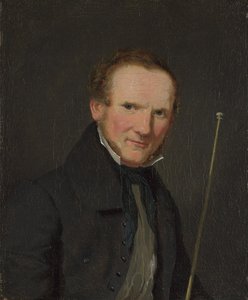
クリストファー・ヴィルヘルム・エッカースベルグ
1783 - 1853
基本情報
- Artistic Movement Or Style: 新古典主義、写実主義
- Artists Or Movements Influenced By This Artist:
- クリステン・ケブケ
- ヴィルヘルム・マーストラン
- マルティヌス・ルービ
- Artists Who Influenced This Artist:
- ジャック=ルイ・ダヴィッド
- ベルテル・トルバルセン
- Date Of Birth: 1783年
- Date Of Death: 1853年
- Full Name: クリストファー・ヴィルヘルム・エッカースベルグ
- Nationality: デンマーク
- Notable Artworks:
- 座る裸婦モデル
- 庭園の風景...
- ローマの中庭
- アソウとフリゲート艦
- Place Of Birth: デンマーク、コリング
関連記事

ロマン派ランドスケープ:時代を彩る巨匠の10選|アートとインテリアの世界
ロマン派絵画の時代を彩る10選。巨匠たちの風景が織りなす感動の世界へ。ターナー、ルーベンスなど、名作の裏話と高精細複製でアートをお部屋に。ArtsDot.comで至福のアート体験を。

Evocations of Place: A Historical Journey Through Landscape Art
Explore the rich history of landscape art with ArtsDot. Discover renowned artists, movements like Impressionism & Romanticism, and expert guidance for collecting timeless pieces. Find your perfect serene escape today!

ジョン・コンスタブルの傑作25選:英国風景画の巨匠が描く自然と光の詩 | ArtsDot
ジョン・コンスタブルの傑作25選。英国風景画の巨匠が描く自然と光の詩の世界へ。ロマン主義を代表する絵画、デダム・ヴェールやヘイ・ウェインなど、ArtsDotで高品質なアートプリントをお楽しみください。インテリアに深みと感動を。コレクションはこちら。

Evocations of Place: A Historical Journey Through Landscape Art
Explore the rich history of landscape art with ArtsDot. Discover renowned artists, movements like Impressionism & tonalism, and expert guidance for collecting timeless pieces. Find your perfect serene escape today!

Evoking Atmosphere & Identity: A Journey Through Landscape Painting's History
Explore the rich history of landscape painting! Discover renowned artists, movements like Romanticism, & techniques such as atmospheric perspective. Find inspiration and quality reproductions at ArtsDot.

