

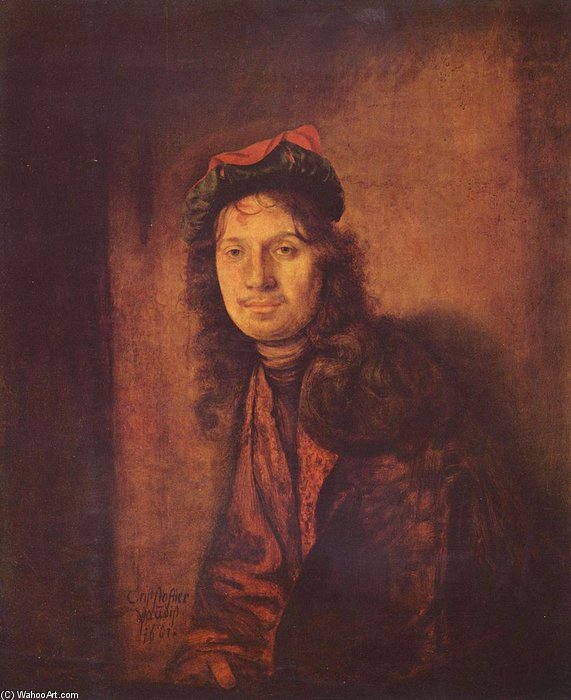
 プレビュー
プレビュー
 シェアする
シェアする シェアする
シェアする
 詳細を見る
詳細を見る

 ダウンロード
 似ている作品
 X線調査
X線調査 スライドショー
Porträt Eines Mannes
 詳細を見る
詳細を見る
ジークレー/アートプリント
迅速な制作と多彩な仕上げオプションを備えた、ミュージアムクオリティのジークレーまたはキャンバスプリント。 ( 手描きの絵画を購入 画像を購入)




































作品のオリジナル比率に合わせた、当店の規定サイズからお選びください。

特定のフレームやスペースに合わせて、ご自身でサイズを指定することも可能です。選択されたサイズが元の画像の比率と一致しない場合、作品をトリミングするか、鏡面反射または単色での塗りつぶしによって画像を拡張いたします。制作を開始する前に、ご確認用のデジタルモックアップをお送りいたします。
画面上のプレビューには、実際のトリミングや拡張は反映されませんのでご注意ください。最終的な構図を正確に確認できるのは、モックアップのみとなります。
カスタムサイズも承っておりますが、元の比率を維持するためには、あらかじめ用意されたリストからサイズを選択することをお勧めいたします。


 ガラスオプションは、110cm未満のサイズでのみご利用いただけます。

Porträt Eines Mannes
ジークレー/アートプリント
複製画のサイズ
-


合計金額
$ 62
関連作品




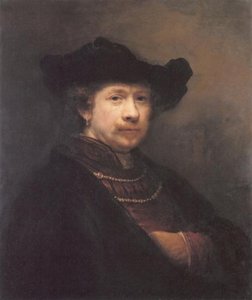

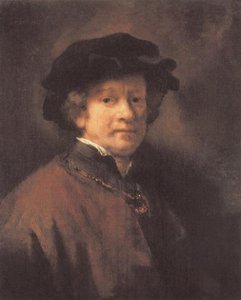
アーティストの略歴
Christoph Paudiss: A Shadowed Master of the Bavarian Baroque
Christoph Paudiss, a name perhaps less familiar than his contemporaries Rembrandt or Rubens, nevertheless stands as a significant figure within the vibrant tapestry of 17th-century German art. Born in Lower Saxony around 1625 (though records suggest a birth year closer to 1630), and tragically dying in Freising in 1666, Paudiss’s life was marked by constant movement – a reflection perhaps of the turbulent political landscape of his era. His artistic journey began under the tutelage of Rembrandt van Rijn in Leiden, an experience that profoundly shaped his approach to light, shadow, and psychological depth. This early influence is immediately apparent in his later works, where he masterfully employs chiaroscuro—the dramatic interplay of light and dark—to create a sense of realism and emotional intensity rarely seen in contemporary German painting.Early Life and Artistic Training
Paudiss’s formative years were spent largely outside the established artistic centers of Germany, initially in Leiden under Rembrandt's guidance. This period was crucial for developing his technical skills and understanding of composition. However, it wasn’t simply imitation; Paudiss quickly developed a distinct style, characterized by a darker palette and a focus on portraying everyday life with unflinching honesty. Following his time in the Netherlands, he embarked on a peripatetic career, working in Stuttgart, Prague, Dresden, Vienna, and Salzburg – each location leaving its subtle imprint upon his artistic vision. These travels exposed him to diverse cultural influences and provided him with a broad range of subject matter, from religious scenes to intimate portraits and still lifes.A Palette of Realism: Subjects and Techniques
Paudiss’s oeuvre is remarkably varied, encompassing portraits, genre scenes depicting the lives of ordinary people, and meticulously rendered still lifes. His portraits are particularly noteworthy for their psychological insight; he doesn't merely capture a likeness but strives to reveal the character and inner life of his subjects. Consider “Portrait of a Young Man in a Fur Hat,” a prime example of his ability to convey both physical appearance and emotional state through subtle gestures and expressions. Similarly, works like "Einen Brief Lesender Alter Mann Mit Seiner Katze" (A Man Reading a Letter with His Cat) demonstrate a keen eye for detail and an appreciation for the quiet beauty of domestic life. His still lifes are equally compelling, often featuring humble subjects—a loaf of bread, a pipe, a bowl of fruit—presented with remarkable realism and attention to texture. Key Techniques:- Chiaroscuro: Masterful use of light and shadow to create dramatic effects.
- Realism: A commitment to portraying subjects as they are, without idealization.
- Psychological Depth: Capturing the inner lives and emotions of his subjects.
The Freisinger Legacy and Historical Significance
Paudiss spent his final years in Freising, Bavaria, where he served as a court painter for Fürstbischof Albrecht Sigismund von Bayern. It was here that he produced some of his most enduring works, including numerous frescoes and paintings now housed primarily at the Dombergmuseum in Freising. His work during this period reflects a shift towards darker, more somber tones, possibly influenced by the prevailing anxieties of the time. Despite his relatively short career, Paudiss’s contribution to German Baroque art is considerable. He stands as a bridge between the idealized styles of earlier generations and the emerging realism that would characterize later artists like Lucas Cranach the Younger. His unflinching portrayal of everyday life, combined with his technical skill and psychological insight, secures his place as a significant, though often overlooked, master of the Bavarian Baroque.Further Exploration
For deeper insights into Christoph Paudiss’s life and work, consider visiting the Web Gallery of Art (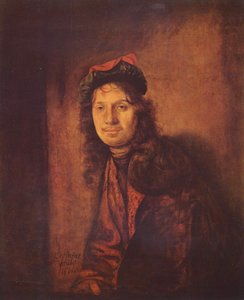
christoph paudiss
1618 - 1666 , Germany
基本情報
- Artistic Movement Or Style: Baroque painting
- Artists Or Movements Influenced By This Artist: ['Baroque']
- Artists Who Influenced This Artist: ['Rembrandt van Rijn']
- Date Of Birth: 1618, Lower Saxony
- Date Of Death: 1666, Freising
- Full Name: Christoph Paudiss
- Nationality: German
- Notable Artworks:
- Portrait of a Young Man
- Einen Brief Lesender Alter Mann
- Self-portrait
- Place Of Birth: Lower Saxony, Germany