

 プレビュー
プレビュー
 プリントを購入
 シェアする
シェアする シェアする
シェアする
 詳細を見る
詳細を見る

 ダウンロード
 似ている作品
 X線調査
X線調査 スライドショー
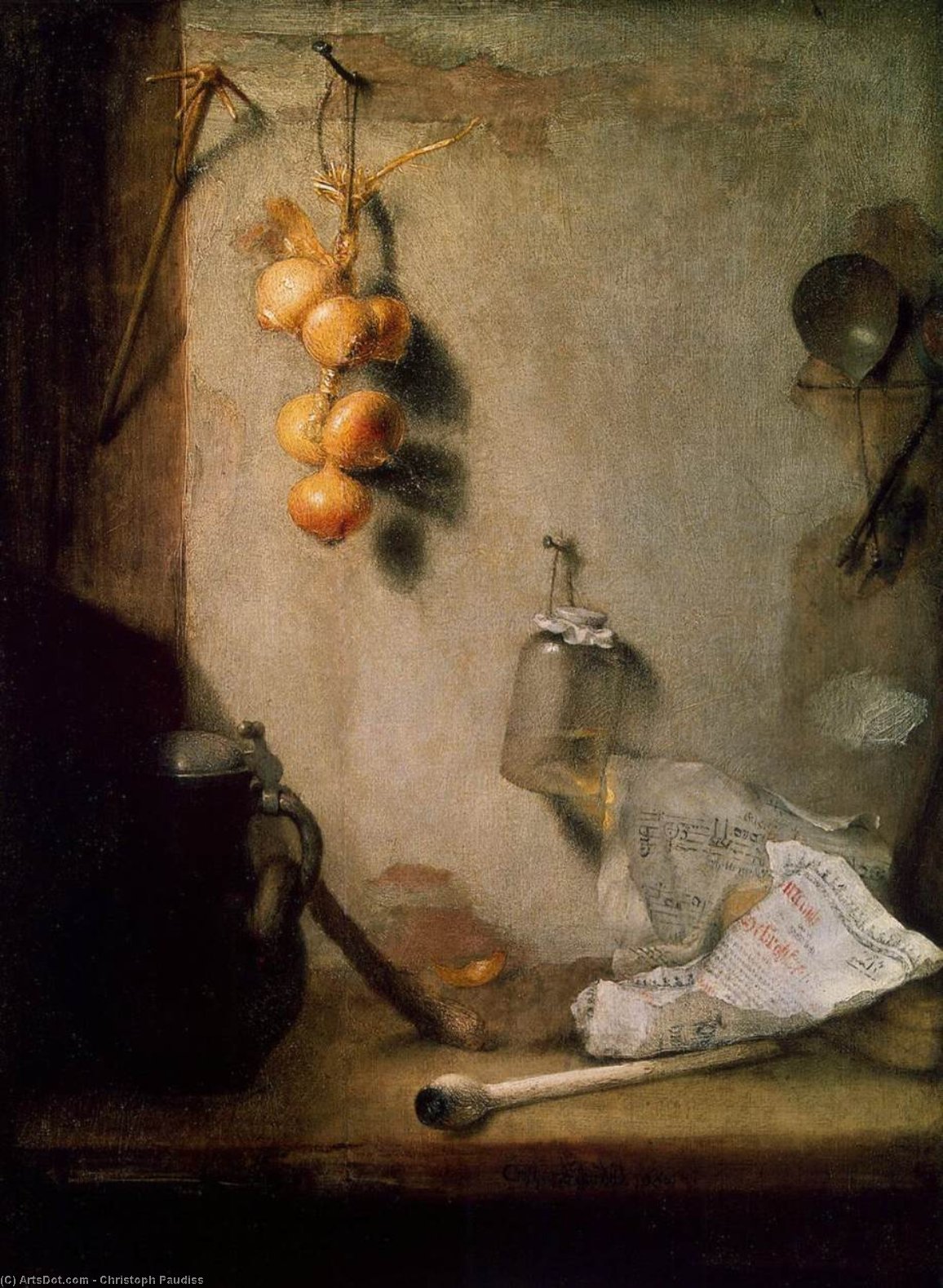
Still-Life
 Oil On Canvas
- WallArt
- Baroque Painting
 1660
1660- Early Modern
 62.0 x 47.0 cm
 エルミタージュ美術館
 詳細を見る
詳細を見る
オンラインプレビューをはるかに凌ぐ、高解像度で鮮明なデジタル画像をご購入いただけます。
各ファイルは、社内の専門家が高度なツールと熟練した手作業によるレタッチを用いて、細心の注意を払って準備されています。すべての画像において、卓越した鮮明度、正確な色彩再現性、そして繊細なディテールを保証いたします。
最終ファイルは、プロフェッショナルな編集・印刷環境ですぐにご利用いただけるよう最適化された状態で、72時間以内にメールにてお届けいたします。これは、一流のデザインスタジオ、出版社、ギャラリーから信頼されているものと同等の品質です。
デジタル画像のご注文に付随する特典
高品質なデジタル画像配信を、確かな品質で。
ArtsDot.com を選ぶことは、単に画像を手に入れることではありません。それは、プロの手によって精密に仕上げられ、満足保証が付いた高品質なデジタルアートワークを受け取ることを意味します。ご注文いただいた際に自動的に付随する内容は、以下の通りです:

メールですぐにお届け
ご注文から72時間以内に、高解像度のデジタル画像ファイルがメールでお手元に届きます。すぐにそのままご利用いただけます。

AI技術で最適化されたデジタルファイル
お客様の作品は、高度なAIツールと専門家による手作業の編集を組み合わせてプロフェッショナルに最適化されており、細部のディテール、鮮明さ、そして正確な色再現性を最大限に引き出しています。

一生涯無料の再送サービス
ファイルを誤って削除したり、紛失してしまったりしましたか?ご安心ください。いつでも無料で再送いたします。

輸入手数料は一切かかりません
関税や手数料、配送料を気にすることなく、お気に入りのアートワークをすぐにお楽しみいただけます。デジタルダウンロードは常に免税です。

色彩再現の保証
プロ仕様のツールとカラーマネジメント技術を用いることで、デジタル画像が元の色を最大限に忠実に再現することを保証いたします。

100日間満足保証
ご購入いただいたデジタル画像にご満足いただけない場合は、100日以内であれば、理由を問わず修正または100%の返金対応をさせていただきます。

100% 返金保証
ご満足いただけない場合は、デジタルファイルを受け取ってから100日以内であれば、理由を問わず全額返金いたします。

まとめ買い割引
3枚購入で10%OFF - 5枚購入で15%OFF - 10枚以上購入で20%OFF。クリエイティブなプロジェクト、ギャラリー、エージェンシーに最適です。
A Baroque Meditation on Ephemerality
To gaze upon Christoph Paudiss's Still-Life is to step directly into the richly shadowed, meticulously observed world of the Dutch and German Baroque period. This painting, executed in 1660, transcends a mere arrangement of objects; it is a profound meditation on the passage of time itself. The composition, featuring an assortment of everyday items laid out upon a table against a textured wall, invites the viewer into an intimate moment suspended between light and shadow. Paudiss masterfully employs the technique of chiaroscuro—that dramatic interplay between deep umbra and brilliant highlight—to give every teapot, every fold of cloth, and every hanging piece of fruit a tangible weight and volume.
The Language of Still Life: Symbolism in the Mundane
In the tradition of Baroque still life painting, nothing is accidental. The objects gathered here—the dark, substantial teapot resting near the crisp white cloth bearing faint script, the vibrant clusters of citrus fruit suspended from above, and the empty, open birdcage to the side—are imbued with symbolic resonance. These commonplace items served as visual memento mori, gentle reminders of life's fleeting nature and the necessity of appreciating beauty in the immediate moment. The hanging fruit, ripe and ready, speaks of abundance, yet its very ripeness hints at decay to come. It is a quiet dialogue between earthly pleasure and inevitable transience, a theme that resonated deeply with the intellectual currents of the 17th century.
Mastery of Light and Texture
Technically, Paudiss’s skill is breathtaking. The oil on canvas allows for an almost hyper-realistic rendering of textures; one can almost feel the cool ceramic glaze of the teapot or the rough grain of the background wall. The light source, unseen but powerfully implied, rakes across the scene, sculpting the forms and deepening the shadows in a manner that speaks directly to his early tutelage under masters like Rembrandt. This luminous drama is not merely decorative; it is structural, guiding the eye from the foreground objects back into the depth suggested by the architectural details on the wall.
Bringing History Home: Owning a Masterpiece
For those who wish to capture the soulful gravity and exquisite detail of this period masterwork for their own space, reproductions of Paudiss's Still-Life offer an unparalleled connection to art history. Imagine this scene gracing your mantle or gallery wall—a focal point that speaks volumes about sophisticated taste and an appreciation for Old World craftsmanship. Owning a piece inspired by this 1660 masterpiece is not just decorating; it is curating a narrative of enduring beauty, allowing the quiet drama of Baroque art to enrich your modern life.
関連作品
作家の略歴
Christoph Paudiss: A Shadowed Master of the Bavarian Baroque
Christoph Paudiss, a name perhaps less familiar than his contemporaries Rembrandt or Rubens, nevertheless stands as a significant figure within the vibrant tapestry of 17th-century German art. Born in Lower Saxony around 1625 (though records suggest a birth year closer to 1630), and tragically dying in Freising in 1666, Paudiss’s life was marked by constant movement – a reflection perhaps of the turbulent political landscape of his era. His artistic journey began under the tutelage of Rembrandt van Rijn in Leiden, an experience that profoundly shaped his approach to light, shadow, and psychological depth. This early influence is immediately apparent in his later works, where he masterfully employs chiaroscuro—the dramatic interplay of light and dark—to create a sense of realism and emotional intensity rarely seen in contemporary German painting.Early Life and Artistic Training
Paudiss’s formative years were spent largely outside the established artistic centers of Germany, initially in Leiden under Rembrandt's guidance. This period was crucial for developing his technical skills and understanding of composition. However, it wasn’t simply imitation; Paudiss quickly developed a distinct style, characterized by a darker palette and a focus on portraying everyday life with unflinching honesty. Following his time in the Netherlands, he embarked on a peripatetic career, working in Stuttgart, Prague, Dresden, Vienna, and Salzburg – each location leaving its subtle imprint upon his artistic vision. These travels exposed him to diverse cultural influences and provided him with a broad range of subject matter, from religious scenes to intimate portraits and still lifes.A Palette of Realism: Subjects and Techniques
Paudiss’s oeuvre is remarkably varied, encompassing portraits, genre scenes depicting the lives of ordinary people, and meticulously rendered still lifes. His portraits are particularly noteworthy for their psychological insight; he doesn't merely capture a likeness but strives to reveal the character and inner life of his subjects. Consider “Portrait of a Young Man in a Fur Hat,” a prime example of his ability to convey both physical appearance and emotional state through subtle gestures and expressions. Similarly, works like "Einen Brief Lesender Alter Mann Mit Seiner Katze" (A Man Reading a Letter with His Cat) demonstrate a keen eye for detail and an appreciation for the quiet beauty of domestic life. His still lifes are equally compelling, often featuring humble subjects—a loaf of bread, a pipe, a bowl of fruit—presented with remarkable realism and attention to texture. Key Techniques:- Chiaroscuro: Masterful use of light and shadow to create dramatic effects.
- Realism: A commitment to portraying subjects as they are, without idealization.
- Psychological Depth: Capturing the inner lives and emotions of his subjects.
The Freisinger Legacy and Historical Significance
Paudiss spent his final years in Freising, Bavaria, where he served as a court painter for Fürstbischof Albrecht Sigismund von Bayern. It was here that he produced some of his most enduring works, including numerous frescoes and paintings now housed primarily at the Dombergmuseum in Freising. His work during this period reflects a shift towards darker, more somber tones, possibly influenced by the prevailing anxieties of the time. Despite his relatively short career, Paudiss’s contribution to German Baroque art is considerable. He stands as a bridge between the idealized styles of earlier generations and the emerging realism that would characterize later artists like Lucas Cranach the Younger. His unflinching portrayal of everyday life, combined with his technical skill and psychological insight, secures his place as a significant, though often overlooked, master of the Bavarian Baroque.Further Exploration
For deeper insights into Christoph Paudiss’s life and work, consider visiting the Web Gallery of Art (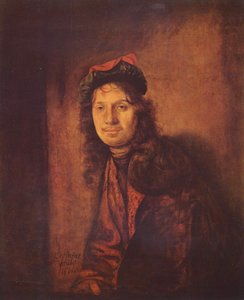
christoph paudiss
1618 - 1666 , Germany
プロフィール概要
- Artistic Movement Or Style: Baroque painting
- Artists Or Movements Influenced By This Artist: ['Baroque']
- Artists Who Influenced This Artist: ['Rembrandt van Rijn']
- Date Of Birth: 1618, Lower Saxony
- Date Of Death: 1666, Freising
- Full Name: Christoph Paudiss
- Nationality: German
- Notable Artworks:
- Portrait of a Young Man
- Einen Brief Lesender Alter Mann
- Self-portrait
- Place Of Birth: Lower Saxony, Germany