 プレビュー
プレビュー
 プリントを購入
 シェアする
シェアする シェアする
シェアする
 詳細を見る
詳細を見る

 ダウンロード
 似ている作品
 X線調査
X線調査 スライドショー
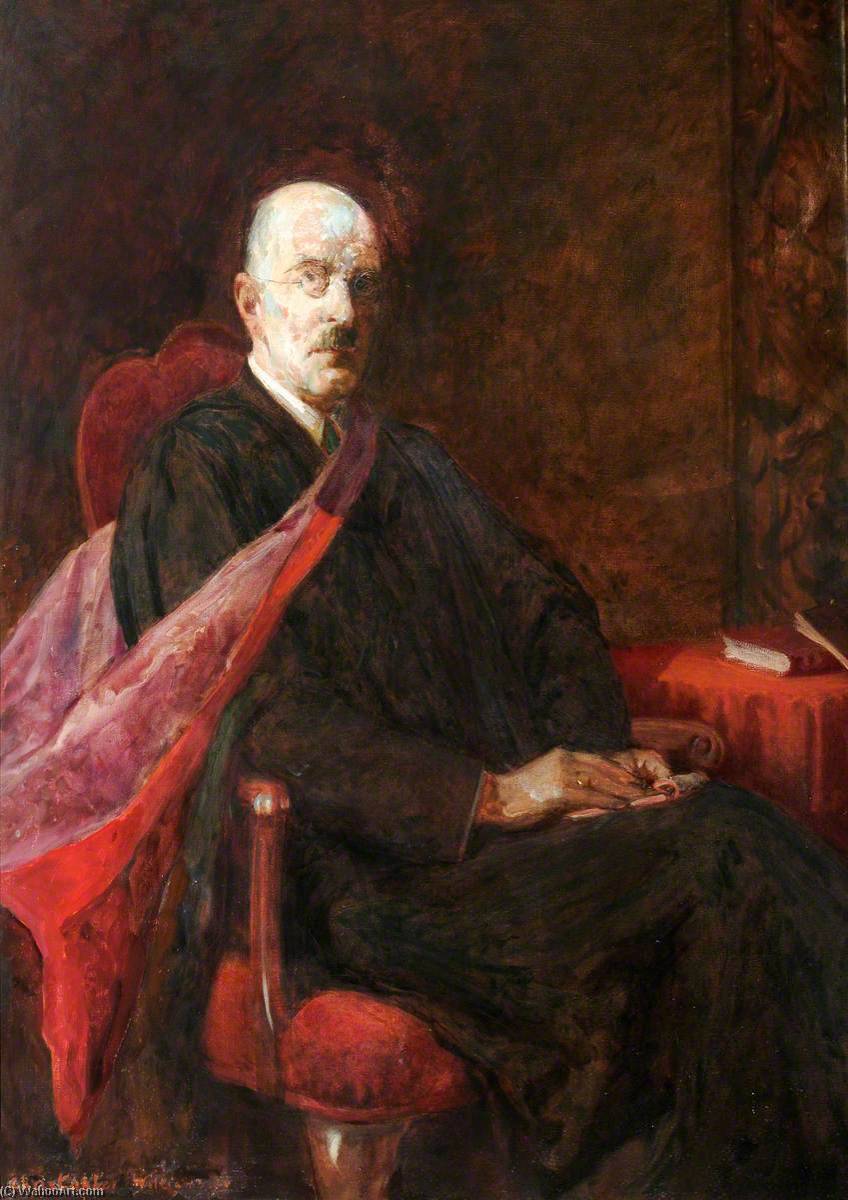
Sir Henry Rudolf Reichel (1856–1931), First Principal (1884–1927)
 Acrylic On Canvas
- WallArt
- Celtic Revival
 1926
1926 127.0 x 106.0 cm
 バンガー大学
 詳細を見る
詳細を見る




P118B $10

P118H $10

P118W $10

P438Z $10

P508JH $12

P508YH $12

P805H $10

P805Z $10

P919BZ $10

P919G $10

P919XJ $10

P959ZH $10

P968JZ $12

W106C $8

W218G $10

W218JH $8

W218Y $10

W307PJ $10

W316G $10

W316PJ $8

W316Y $10

W398PJ $8

W4111J $10

W500HY $15

W500JH $15

W692G $12

W849H $8

W940BG $15

W953PJ $8




作品のオリジナル比率に合わせた、当店の規定サイズからお選びください。

特定のフレームやスペースに合わせて、ご希望のサイズをご入力いただけます。選択されたサイズが元の画像の比率と異なる場合、アートワークをトリミングするか、手描きで要素を追加して絵画を拡張いたします。デジタルモックアップ を制作し、制作開始前にご確認(承認)をいただきます。
画面上のプレビューは、実際のトリミングや拡張を正確に反映しているものではありません。最終的な構図は、モックアップによってのみ正確にご確認いただけます。
カスタムサイズもご利用いただけますが、元の比率を維持するためには、あらかじめ用意されたリストからサイズを選択することをお勧めいたします。
ご注文後、ArtsDot.com チームより詳細な指示をお送りするとともに、仕上がりイメージ(モックアップ)をご提供いたします。


 ガラスオプションは、110cm未満のサイズでのみご利用いただけます。

Sir Henry Rudolf Reichel (1856–1931), First Principal (1884–1927)
複製技法
複製画のサイズ
-


合計金額
$ 263
作品解説
Sir Henry Rudolf Reichel (1856–1931), First Principal (1884–1927): A Portrait of Visionary Leadership
Christopher Williams’s *Sir Henry Rudolf Reichel* is more than just a depiction of a man; it's an encapsulation of ambition, intellect, and the quiet dignity of service—qualities that define both the subject and Williams’s artistic vision. Executed in 1926, during Reichel’s tenure as Principal of Bangor University, the painting transcends mere likeness, immersing viewers in a carefully constructed tableau of scholarly contemplation and understated authority. Williams employed a masterful blend of realism and Impressionistic brushstrokes to capture Reichel's presence. The artist skillfully rendered the man’s facial features with meticulous detail—the furrowed brow conveying deep thought, the gaze focused intently on an unseen horizon—yet softened these contours with subtle hues that suggest warmth and compassion. This delicate balance reflects Williams’s belief in portraying subjects not merely as they appear but as they embody inner character. The muted palette—dominated by earthy reds, browns, and creams—creates a sense of serenity and reinforces the painting's contemplative mood. Notably, the inclusion of a second chair and a book serves as symbolic anchors, representing Reichel’s dedication to his role as educator and intellectual pursuits. The painting’s stylistic influences are discernible in Leighton’s influence on Williams’s early artistic development—a commitment to academic precision combined with an appreciation for emotive color. Furthermore, the Celtic Revival movement permeated Welsh art during this period, inspiring Williams's exploration of mythological themes and fostering a desire to convey cultural heritage through visual storytelling. The painting’s composition directs the viewer’s eye upwards, mirroring Reichel’s gaze and symbolizing aspiration toward knowledge and enlightenment. Beyond its aesthetic qualities, *Sir Henry Rudolf Reichel* speaks powerfully to the enduring values of leadership and intellectual curiosity. It serves as a reminder that true greatness lies not only in achieving outward success but also in cultivating inner reflection and pursuing lifelong learning—principles embodied by Williams himself and eloquently conveyed through this remarkable artwork. Its quiet grandeur continues to resonate with collectors and interior designers alike, offering an opportunity to adorn spaces with a piece of Welsh artistic history imbued with profound symbolic meaning.Technical Details & Artistic Approach
Williams’s technique demonstrates considerable skill in capturing texture and light—essential elements for conveying depth and atmosphere. He achieved this through layering thin glazes of pigment onto the canvas, allowing each subsequent layer to subtly modify the color and luminosity of its predecessor. This painstaking process resulted in a surface that possesses remarkable richness and subtlety, reflecting Williams’s dedication to achieving artistic excellence. The artist utilized a palette knife to apply textured brushstrokes—particularly evident in the chair upholstery—adding visual interest and enhancing the painting's tactile quality. Careful attention was paid to capturing the nuances of light emanating from the window, illuminating Reichel’s face and casting soft shadows across his attire. The meticulous rendering of detail—evident in the folds of Reichel’s shirt collar and the texture of his tweed jacket—underscores Williams’s commitment to realism. However, he skillfully tempered this precision with Impressionistic brushstrokes that soften edges and diffuse colors, creating a harmonious blend of observation and artistic interpretation. This approach aligns perfectly with the broader stylistic currents of the Celtic Revival, which championed expressive color and evocative imagery as vehicles for conveying cultural identity. Williams’s masterful technique elevates *Sir Henry Rudolf Reichel* beyond mere portraiture—transforming it into an immersive experience that invites contemplation and appreciation for both artistic skill and visual beauty. The painting's enduring appeal stems from its ability to capture not only the likeness of a man but also the essence of his character—a testament to Williams’s profound understanding of art as a means of communicating emotion and conveying cultural heritage.Historical Context & Symbolism
The painting emerged during a pivotal moment in Welsh intellectual history—the Celtic Revival, which sought to revive interest in Celtic mythology and folklore and to celebrate Wales's unique cultural traditions. Christopher Williams was deeply influenced by this movement, as evidenced by his exploration of mythological themes in other works—particularly *Ceridwen* and *Branwen*. The depiction of Reichel’s contemplative posture reflects the broader ethos of the Revival, which championed introspection and spiritual contemplation as pathways to understanding oneself and one's place within the natural world. Furthermore, Williams’s artistic endeavors coincided with a period of significant social reform—characterized by growing calls for greater educational opportunity and social justice. His commitment to fostering intellectual curiosity aligns seamlessly with these aspirations, mirroring Reichel’s dedication to Bangor University as a beacon of learning and scholarship. The inclusion of the book symbolizes Reichel's pursuit of knowledge—a cornerstone of Welsh cultural identity during this era—and underscores Williams’s belief in art as a catalyst for personal growth and societal progress. The painting’s formal composition—with its upward gaze and balanced arrangement—communicates a sense of aspiration toward enlightenment—a central theme within the Celtic Revival. It serves as a reminder that true greatness lies not only in achieving outward success but also in cultivating inner reflection and embracing lifelong learning—principles embodied by Williams himself and eloquently conveyed through this timeless masterpiece.Emotional Impact & Artistic Legacy
Ultimately, *Sir Henry Rudolf Reichel* transcends its formal conventions to evoke profound emotional resonance—capturing the quiet dignity of leadership and the contemplative serenity of scholarly contemplation. Williams’s masterful technique imbues the painting with palpable warmth and luminosity—creating an immersive experience that invites viewers to engage in a dialogue with both artistic skill and visual beauty. The subtle palette—dominated by earthy reds, browns, and creams—contributes to this emotive effect—generating a sense of tranquility and reinforcing the painting's contemplative mood. The portrait’s psychological depth—evident in Reichel’s gaze and posture—reveals Williams’s profound understanding of human character—a testament to his artistic vision as a conduit for conveying emotion and fostering empathy. Like many Welsh artists of his time, Williams sought to celebrate Wales’s cultural heritage through visual storytelling—imbuing *Sir Henry Rudolf Reichel* with symbolic meaning that transcends its immediate aesthetic qualities. Christopher Williams's enduring legacy rests on his ability to transform observation into art—capturing not merely the likeness of a man but also the essence of his character—a feat accomplished with remarkable skill and sensitivity in *Sir Henry Rudolf Reichel*. Its timeless beauty continues to inspire collectors and interior designers alike, offering an opportunity to adorn spaces with a piece of Welsh artistic history imbued with profound symbolic meaning.関連作品
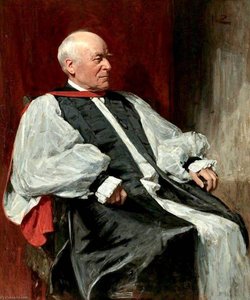
アーティストの略歴
クリストファー・ウィリアムズ:ウェールズの魂を画布に
1873年にウェールズのマースグワースで生まれたクリストファー・デヴィッド・ウィリアムズは、ヴィクトリア時代後期から20世紀初頭にかけて活躍した傑出した画家です。彼の作品は、鮮やかな肖像画、象徴的な寓意画、そしてウェールズのアイデンティティとケルト復興精神を強く反映した風景画で知られています。ウィリアムズの芸術的キャリアは、単なる絵画技術の習得を超え、ウェールズ文化への深い愛情と献身によって彩られています。
幼少期と教育:芸術への目覚め
父エヴァン・ウィリアムズは息子の医学者としての将来を望んでいましたが、1892年にリバプールのウォーカー美術館を訪れたことが、クリストファーの人生を大きく変えるきっかけとなりました。フレデリック・レイトンの『ペルセウスとアンドロメダ』に深く感動した彼は、芸術家としての道を歩む決意を固めます。この経験は、彼の情熱的な探求心を刺激し、ウェールズの風景や歴史、そしてケルトの神話の世界へと導いていきました。ネース技術研究所でミスター・カーの下での初期の訓練を経て、ロイヤル・カレッジ・オブ・アートで3年間学び、さらに1896年から1901年までロイヤル・アカデミー・スクールで研鑽を積みました。
芸術的発展と影響:古典とケルトの融合
ウィリアムズの芸術的成長は、様々な影響を受けて形成されました。初期の訓練では、ミスター・カーから基礎的な技術を学びましたが、ロイヤル・カレッジ・オブ・アートでの学習を通じて、より洗練された表現技法を習得しました。フレデリック・レイトンは、彼の学術的なアプローチと細部へのこだわりにおいて重要な影響を与え、プレラファエライトの美学やケルト復興運動の流れも取り入れました。特に、ウェールズの神話や伝説に触れることで、彼は独自の芸術的ビジョンを確立し始めます。彼の作品には、古典的な形式美とケルトの神秘的な要素が融合し、独特の世界観が表現されています。
主要な功績と評価:王室からの依頼と肖像画の隆盛
ウィリアムズは1902年に『パオロとフランチェスカ』をロイヤル・アカデミーに初出品し、その後も18点の作品を発表しました。1910年にはロイヤル・ブリティッシュ・アーティスト協会への招待を受け、翌十年間にわたり37点の作品を出品しています。彼の芸術的キャリアにおける転換点は、1911年にジョージ5世からウェールズ公エドワードの投資式を記念する絵画を依頼されたことです。彼はこの重要な仕事のために2つのバージョンを完成させました。また、ウィリアムズは肖像画家としても高い評価を受け、デヴィッド・ロイド・ジョージやサー・ジョン・ウィリアムズ、サー・ヘンリー・ジョーンズなど、著名な人物の肖像画を手がけました。
テーマとスタイル:ウェールズのアイデンティティを求めて
ウィリアムズの作品は、以下の特徴によって際立っています。彼の肖像画は、被写体の心理的な深みと写実的な表現で知られており、ケルト復興運動の影響を受けた絵画では、ウェールズ神話や民話を頻繁に題材として取り上げています。『セリドウィン』や『ブランウェン』などの作品は、マビノギオンからインスピレーションを得て描かれました。また、彼はウェールズ各地の風景を精力的に描き、スイス、イタリア、フランス、スペイン、モロッコ、オランダなどへの旅行も彼の創作意欲を刺激しました。さらに、ウィリアムズは寓意的な要素を作品に組み込むことで、象徴的な意味合いを与え、観る者に深い感動と考察をもたらします。
歴史的意義と遺産:ウェールズ文化の振興への貢献
クリストファー・ウィリアムズは、その生涯を通じてウェールズのアートと文化を促進する上で重要な役割を果たしました。彼はナショナル・エイステッドフォドで審査員を務め、国立ウェールズ博物館や名誉シムロドロン協会などの委員会にも参加しました。彼の作品は、強い国民的アイデンティティを反映しており、20世紀初頭のウェールズのアートの隆盛に貢献しました。彼の絵画は、国立ウェールズ博物館、王室コレクション、グリン・ヴィヴィアン美術館など、多くの公共機関に所蔵されており、今日でも観客を魅了し続けています。彼はまた、天文学者のエヴァン・グウィン・ウィリアムズと画家イヴォー・ウィリアムズの兄弟でした。

クリストファー・ウィリアムズ
1873 - 1934 , アメリカ合衆国
基本情報
- Artistic Movement Or Style: ケルト復興、ヴィクトリア様式
- Artists Who Influenced This Artist: ['フレデリック・レイトン']
- Date Of Birth: 1873年
- Date Of Death: 1934年
- Full Name: クリストファー・デイビッド・ウィリアムズ
- Nationality: ウェールズ人
- Notable Artworks (List Of Titles):
- パオロとフランチェスカ
- ウェールズの覚醒
- Place Of Birth (City And Country): ウェールズ、マースグワース
関連記事
Sir Joshua Reynolds' Masterpieces: 25 Portraits of Power & Refinement | ArtsDot
Explore 25 captivating portraits by Sir Joshua Reynolds, a master of British art. Discover stories behind his iconic paintings, elegant style & historical influence. Find museum-quality reproductions and elevate your home decor on ArtsDot.com.

アンリ・マティスの傑作25選:色彩と情熱の軌跡|ArtsDot
アンリ・マティスの傑作25選🎨 色彩と情熱が織りなす世界を旅する。フォーヴィスム代表の巨匠、マティスの絵画の魅力と歴史を紐解きます。ArtsDotで高品質なアートプリントや複製画を見つけ、インテリアに芸術的な輝きを✨ Explore the full collection online

Sir Alfred Munnings' Masterpieces: 25 Paintings That Define Equine Art | ArtsDot
Explore 25 iconic Sir Alfred Munnings paintings! Discover the beauty of British Impressionism, equine art & rural England. Find museum-quality reproductions and elevate your home decor with ArtsDot. Explore the full collection online.
Academic Realism's Finest: 10 Masterpieces for Art Lovers & Home Decor
Explore 10 defining Academic Realism masterpieces by Bouguereau, Gérôme & Cabanel. Discover the stories behind these iconic paintings and bring timeless art into your home with museum-quality reproductions from ArtsDot.com. Explore the full collection online!
Fauvism's Boldest Visions: 10 Masterpieces That Revolutionized Modern Art | ArtsDot
Explore 10 Fauvist masterpieces by Matisse, Derain & Vlaminck that ignited Modern Art! Discover bold colors, expressionist landscapes & the history of this revolutionary movement. Find museum-quality prints at ArtsDot.com.