

 プレビュー
プレビュー
 プリントを購入
 シェアする
シェアする シェアする
シェアする
 詳細を見る
詳細を見る

 ダウンロード
 似ている作品
 X線調査
X線調査 スライドショー
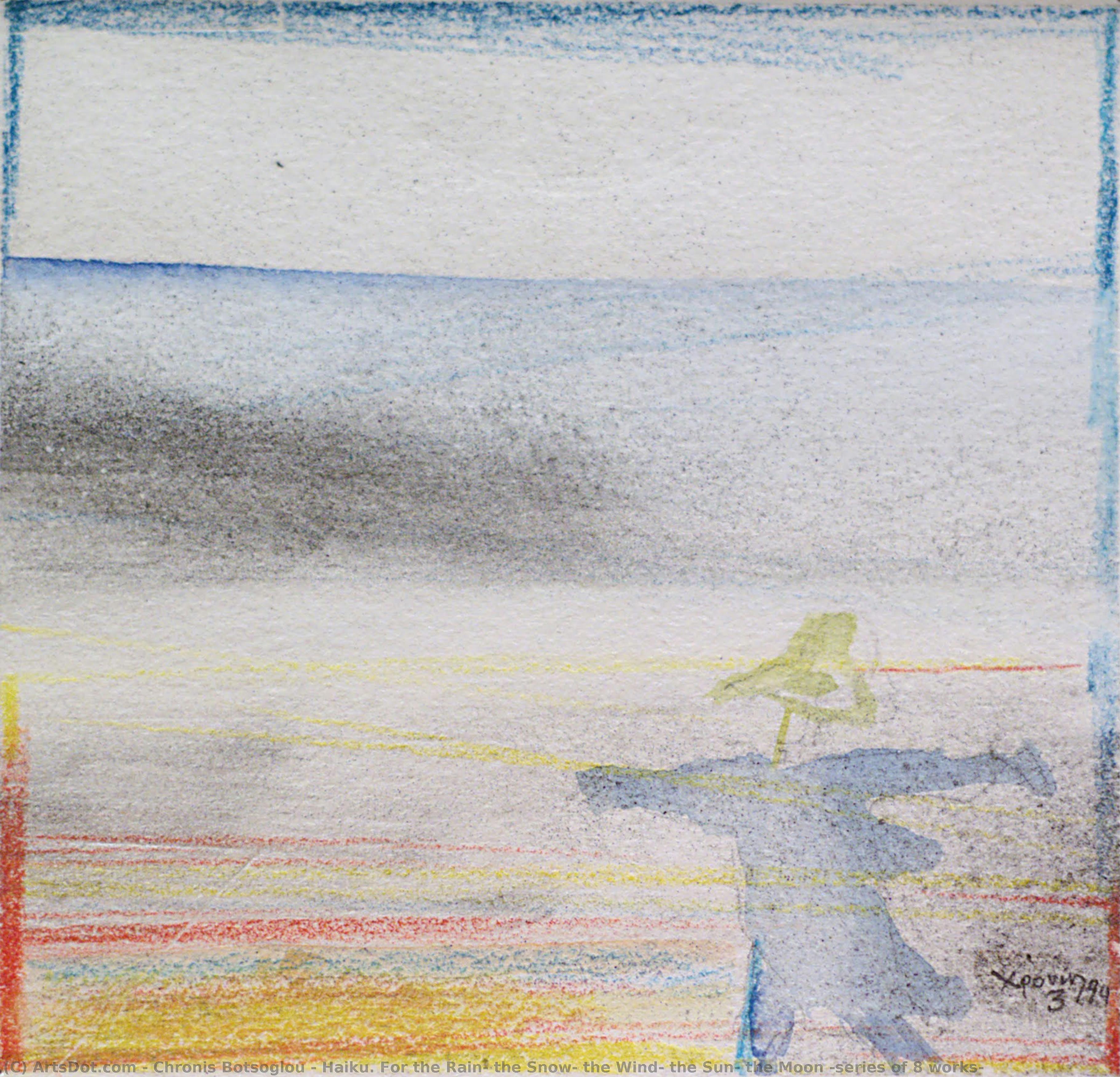
Haiku. For the Rain, the Snow, the Wind, the Sun, the Moon (series of 8 works)


 詳細を見る
詳細を見る




































作品のオリジナル比率に合わせた、当店の規定サイズからお選びください。

特定のフレームやスペースに合わせて、ご希望のサイズをご入力いただけます。選択されたサイズが元の画像の比率と異なる場合、アートワークをトリミングするか、手描きで要素を追加して絵画を拡張いたします。デジタルモックアップ を制作し、制作開始前にご確認(承認)をいただきます。
画面上のプレビューは、実際のトリミングや拡張を正確に反映しているものではありません。最終的な構図は、モックアップによってのみ正確にご確認いただけます。
カスタムサイズもご利用いただけますが、元の比率を維持するためには、あらかじめ用意されたリストからサイズを選択することをお勧めいたします。
ご注文後、ArtsDot.com チームより詳細な指示をお送りするとともに、仕上がりイメージ(モックアップ)をご提供いたします。


 ガラスオプションは、110cm未満のサイズでのみご利用いただけます。

Haiku. For the Rain, the Snow, the Wind, the Sun, the Moon (series of 8 works)
複製技法
複製画のサイズ
-


合計金額
$ 263
関連作品
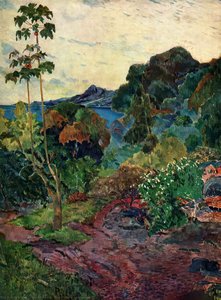
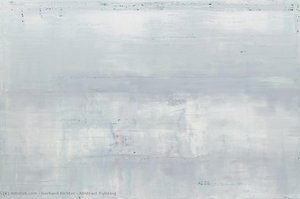
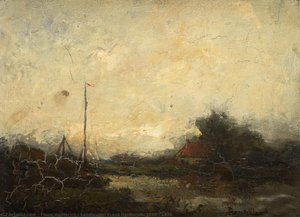
アーティストの略歴
Robert Delaunay: A Pioneer of Color and Rhythm
Robert Delaunay, born Robert-Victor-Felix Delaunay in Paris on April 12th, 1885, was a pivotal figure in the early development of modern art. His life, marked by both artistic innovation and personal transformation alongside his wife Sonia Delaunay, ultimately shaped the trajectory of Orphism and significantly influenced movements like Cubism and Abstract Art. From humble beginnings as an apprentice to a theatrical designer, Delaunay’s journey was one of relentless experimentation with color, light, and form—a pursuit that redefined the possibilities of painting itself. His career spanned several decades, culminating in a legacy of vibrant abstraction and a profound impact on generations of artists.Early Influences and the Rise of Neo-Impressionism
Delaunay’s early artistic development was deeply rooted in the principles of Neo-Impressionism. Following his apprenticeship, he began to paint, initially exploring decorative arts before gravitating towards a more expressive style. Inspired by figures like Paul Signac and Georges Seurat, Delaunay embraced the Neo-Impressionist technique of dividing colors into small strokes of pure hues, believing that this method would create a shimmering effect when viewed from a distance. This approach, however, proved only a stepping stone for his later explorations. He moved beyond mere replication of natural appearances, seeking to capture the essence of light and color itself—a core tenet of his evolving artistic philosophy. His early works, such as “Saint-Séverin” (1906-7), demonstrate this shift, showcasing an increasing interest in capturing atmospheric effects through carefully orchestrated color combinations.The Birth of Orphism: Color and Rhythm
A turning point arrived in 1912 when Delaunay, along with Sonia and other artists including František Kupka and Chaïm Soutine, began to develop what would become known as Orphism. This movement, named after the Greek word for “rainbow,” was characterized by an intense focus on color—not as a representation of reality, but as an independent entity capable of evoking emotion and creating visual rhythms. Delaunay’s paintings from this period, such as "Disc" (1912) and "Circular Forms" (1912), exemplify this radical departure. He abandoned traditional perspective and form, instead employing geometric shapes—circles, squares, and lines—arranged in dynamic compositions that pulsed with color and energy. Influenced by theories of light and color developed by scientists like Michel Eugène Chevreul, Delaunay believed that colors could be combined to create a sense of movement and vibration. This exploration was further fueled by his interest in the work of Paul Klee and other artists experimenting with abstraction.Collaboration with Sonia Delaunay and the Expansion of Artistic Practice
The partnership with Sonia Delaunay proved crucial to Robert’s artistic development, and their collaboration extended beyond painting. Sonia, a talented textile designer, began creating vibrant fabrics incorporating geometric patterns inspired by her husband's paintings. This led to a fascinating exchange—Robert translating his visual rhythms onto fabric, while Sonia applied them to textiles, effectively expanding the reach of Orphism into new mediums. Furthermore, they established the “Atelier du Rectangle,” a collaborative studio where they produced furniture, wallpaper, and other decorative objects, solidifying their commitment to exploring the expressive potential of geometric abstraction. This period also saw Robert Delaunay experimenting with relief painting, culminating in his monumental panels for the Aeronautics pavilion at the 1937 Paris International Exhibition—large-scale works that showcased his mastery of color and composition.Later Years and Abstract Legacy
Following World War I, Delaunay’s style evolved further, moving towards a more purely abstract approach. He continued to work with vibrant colors and geometric forms, but increasingly focused on creating dynamic compositions that emphasized rhythm and movement. Despite facing challenges during the Nazi occupation of France, he persevered in his artistic practice, producing significant works until his death in Montpellier on October 25th, 1941. Robert Delaunay’s legacy extends far beyond his own paintings. His pioneering work with color, his exploration of abstraction, and his influence on subsequent generations of artists—including Stanton Macdonald-Wright, Morgan Russell, and Paul Klee—cemented his place as a foundational figure in the development of modern art. His emphasis on color as an independent expressive force continues to resonate within abstract painting today, reminding us of the transformative power of visual experimentation.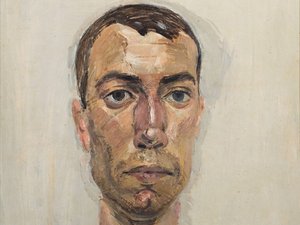
chronis botsoglou
1941 - 2022 , Greece
基本情報
- Artistic Movement Or Style:
- Divisionism
- Cubism
- Orphism
- Abstract art
- Artists Or Movements Influenced By This Artist:
- Stanton-Wright
- Morgan Russell
- Klee
- Marc
- Apollinaire
- Artists Who Influenced This Artist:
- Neoimpressionism
- Cézanne
- Date Of Birth: April 12, 1885
- Date Of Death: October 25, 1941
- Full Name: Robert Delaunay
- Nationality: French
- Notable Artworks:
- Endless Rhythm
- Cubism
- Orphic Cubism
- Simultanism
- Place Of Birth: Paris, France
関連記事
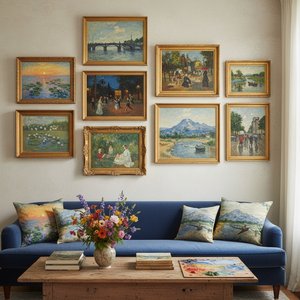
Impressionistic Landscapes: 10 Masterpieces That Changed Art & Decor
Journey into the heart of Impressionism! Explore 10 masterpieces by Monet, Renoir & Degas that revolutionized landscape art. Discover their stories, techniques & find museum-quality reproductions to elevate your home decor on ArtsDot.com.
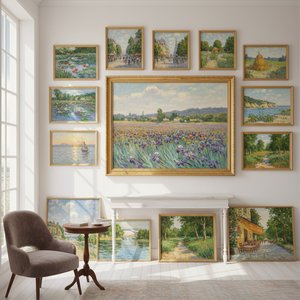
印象派風景を彩った至宝:アート史に名を刻む10選
印象派風景の革新を彩った10選。モネ、ルノワールら巨匠の名作を紐解き、色彩と光が生み出す感動の世界へ。アートの歴史とインテリアのインスピレーションをArtsDot.comで。高品質な複製画で、あなただけの空間を創造しましょう。
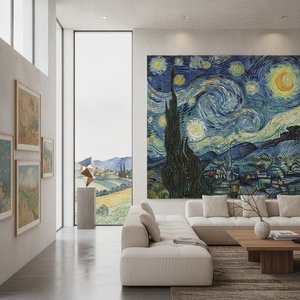
Beyond the Horizon: A Curated Guide to Integrating Post-Impressionist Landscapes into Modern Interiors
Transform your home with the emotive power of Post-Impressionist landscapes. Discover expert tips on selecting hand-painted oil reproductions to create a soulful, vibrant interior that reflects your unique style and connection to nature.

Evocations of Place: A Historical Journey Through Landscape Art
Explore the rich history of landscape art with ArtsDot. Discover renowned artists, movements like Impressionism & Romanticism, and expert guidance for collecting timeless pieces. Find your perfect serene escape today!

ロマン派ランドスケープ:時代を彩る巨匠の10選|アートとインテリアの世界
ロマン派絵画の時代を彩る10選。巨匠たちの風景が織りなす感動の世界へ。ターナー、ルーベンスなど、名作の裏話と高精細複製でアートをお部屋に。ArtsDot.comで至福のアート体験を。