 プレビュー
プレビュー
 シェアする
シェアする シェアする
シェアする
 詳細を見る
詳細を見る

 ダウンロード
 似ている作品
 X線調査
X線調査 スライドショー
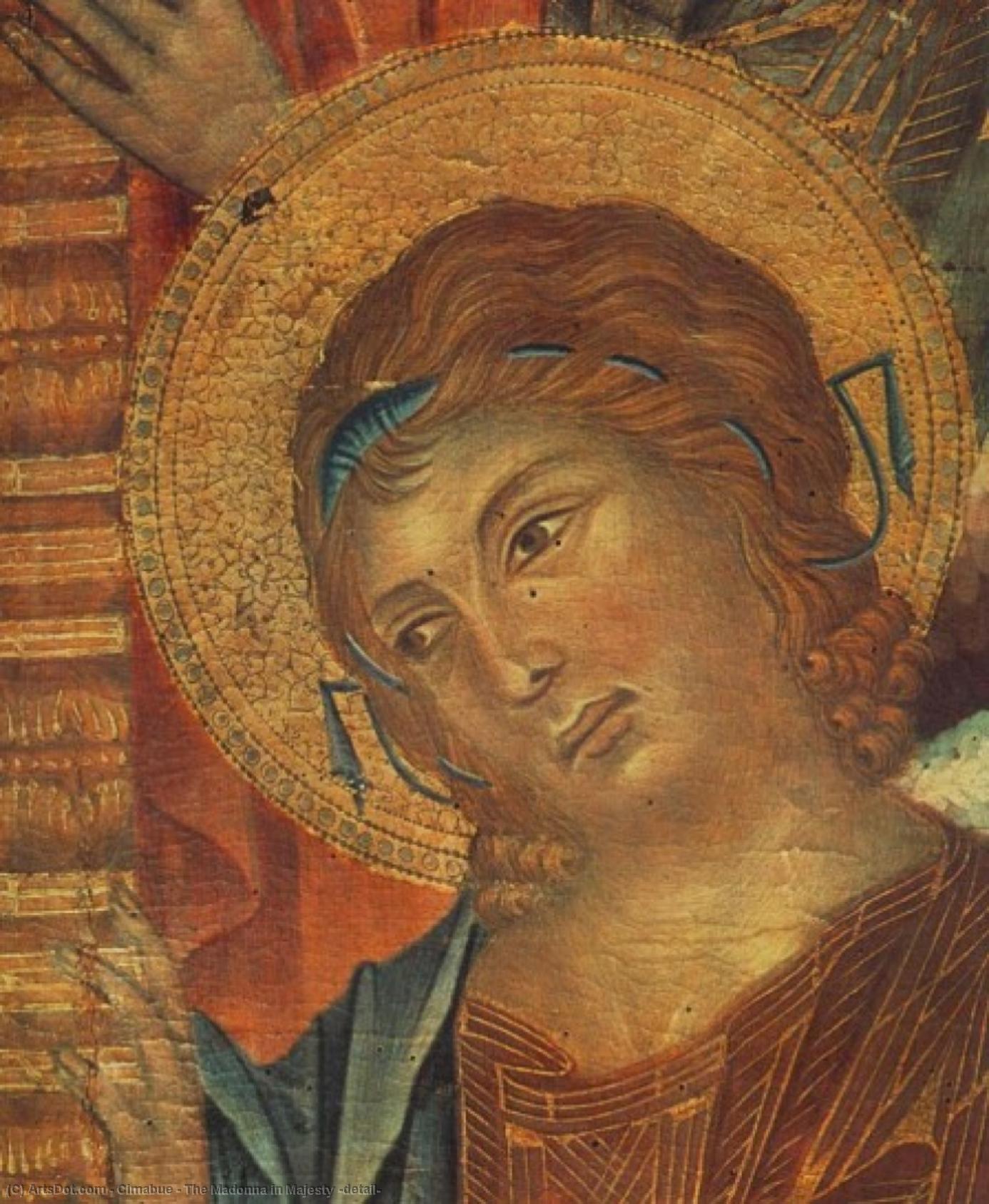
荘厳なる聖母(細部)
 木パネルにテンペラ画
- プロト・ルネサンス
 1285
1285- 中世後期
 48.0 x 39.0 cm
 ウフィツィ美術館
 詳細を見る
詳細を見る
ジークレー/アートプリント
迅速な制作と多彩な仕上げオプションを備えた、ミュージアムクオリティのジークレーまたはキャンバスプリント。 ( 手描きの絵画を購入 画像を購入)




P118B $10

P118H $10

P118W $10

P438Z $10

P508JH $12

P508YH $12

P805H $10

P805Z $10

P919BZ $10

P919G $10

P919XJ $10

P959ZH $10

P968JZ $12

W106C $8

W218G $10

W218JH $8

W218Y $10

W307PJ $10

W316G $10

W316PJ $8

W316Y $10

W398PJ $8

W4111J $10

W500HY $15

W500JH $15

W692G $12

W849H $8

W940BG $15

W953PJ $8




作品のオリジナル比率に合わせた、当店の規定サイズからお選びください。

特定のフレームやスペースに合わせて、ご自身でサイズを指定することも可能です。選択されたサイズが元の画像の比率と一致しない場合、作品をトリミングするか、鏡面反射または単色での塗りつぶしによって画像を拡張いたします。制作を開始する前に、ご確認用のデジタルモックアップをお送りいたします。
画面上のプレビューには、実際のトリミングや拡張は反映されませんのでご注意ください。最終的な構図を正確に確認できるのは、モックアップのみとなります。
カスタムサイズも承っておりますが、元の比率を維持するためには、あらかじめ用意されたリストからサイズを選択することをお勧めいたします。


 ガラスオプションは、110cm未満のサイズでのみご利用いただけます。

荘厳なる聖母(細部)
ジークレー/アートプリント
複製画のサイズ
-


合計金額
$ 62
作品詳細説明
神聖なる威厳への眼差し:チマブエ『荘厳の聖母』細部図
1285年に描かれたチマブエの傑作『荘厳の聖母』。その精緻な細部を描き出したこの作品は、ビザンティン様式の伝統から、胎動し始めたルネサンスへと移り変わる時代の、魅惑的な窓を開いてくれます。わずか48 x 39 cmという小規模なパネルでありながら、現在フィレンツェの至宝、ウフィツィ美術館に収蔵されているこの作品は、その小ささを裏切るほどの圧倒的な芸術的力と歴史的重要性を湛えています。
この断片的な描写は、天の女王として玉座に座り、幼子キリストを抱く聖母マリアを描いた壮大な構図の一部に焦なく焦点を当てています。細部ではありますが、ここには作品全体の核心、すなわち、聖母の静謐な尊厳と、その描写の中に芽生え始めた人間性が凝縮されています。クローズアップされた視点は、チマブエの繊細な筆致や、当時のイトロ・ビザンティン様式では一般的ではなかった、より高い写実性を人物に吹き込もうとする彼の試みを、親密な距離感で鑑賞させてくれます。当時の主流であった平面的で様式化された表現から脱却し、微妙な陰影を通じて描き出される立体感の兆しに注目してください。背景の赤色は豊かなコントラストを生み出し、人物たちの輝きをいっそう引き立てています。
チマブエは、パネルにテンペラを用いる技法を巧みに操りました。それは極めて高い精度と忍耐を要求される技法でした。乾燥の早いテンペラという特性上、画家は迅速かつ慎重に作業を進め、顔料を幾層にも塗り重ねることで、深みと細部を作り上げなければなりませんでした。その様式は、金色の背景、引き伸ばされた人物像、形式化された衣の襞といった、イトロ・ビザンティンの伝統に深く根ざしています。しかし、チマブエはそこに、ルネサンスを予兆させる要素を密かに忍ばせています。それは、より自然な比率への重点化と、人物の表情に見られる感情豊かな質感です。
文化・芸術が劇的な変革期にあった時代に生み出されたこの作品は、13世紀後半に高まりつつあったヒューマニズム(人文主義)への関心を反映しています。チェンニ・ディ・ペポとして生まれたチマブエは、ビザンティン美術の硬直した慣習を打ち破る上で決定的な役割を果たしました。彼は、後に「ルネサンス絵画の父」と称されるジョットのような芸術家たちが歩む道を切り拓いたのです。形態と表現に対する彼の実験的な姿勢は、西洋美術史における極めて重要な転換点となりました。 彼は単に確立された様式を模倣したのではなく、それらを能動的に進化させたのです。
<察な宗教的象徴性と感情への響きこの画像には、豊かな宗教的象徴が込められています。天の女王としての聖母は、神の恩寵と母性を象徴しています。その威厳あるポーズと幼子キリストは、救済と贖いを意味しています。金色の使用は、神性と永遠を象徴しています。 神学的な意味を超えて、この細部図は畏敬の念と精神的な瞑想へと鑑賞者を誘います。聖母の眼差しは、真っ直ぐでありながら優しく、見る者を静かな祈りの瞬間へと引き込みます。
コレクターやインテリアデザイナーの方へ
この『荘厳の聖母』細部図の複製画は、あらゆる空間に時代を超えたエレガンスをもたらします。その豊かな色彩と洗練された構図は、伝統的な内装にも現代的なインテリアにも見事に調和します。作品が持つ歴史的意義は知的な深みを与え、会話のきっかけとなるだけでなく、審美眼の証ともなるでしょう。オリジナルの壮麗さを再現するために華やかな金色の額縁を選ぶのも、あるいはその本質的な美しさを際立たせるためにミニマルなアプローチをとるのも、素晴らしい選択となるはずです。
さらなる探求
- 関連作品: チマブエによるより大きな規模の『荘厳の聖母(マエスタ)』や、その他の細部図もご覧いただけます。
- アーティストの洞察: チマブエの生涯と影響力、そして黎明期のルネサンス様式との関わりについて詳しく学びましょう。
- 高品質な複製画: ArtsDotで提供されている、熟練した技術による油彩複製画を通じて、美術史の一片をご自宅にお迎えください。
関連作品
アーティストの略歴
Cimabue: Grandfather of the Italian Renaissance
Giovanni Cimabue, born Cenni di Pepo around 1240 in Florence, stands as a monumental figure—a bridge between the established artistic traditions of the Byzantine world and the burgeoning innovations that would define the Italian Renaissance. His life, though partially obscured by time and romanticized accounts – most notably those penned by Giorgio Vasari centuries later – marks an undeniable turning point in Western art history. Cimabue wasn’t simply a painter; he was a courageous innovator who dared to subtly challenge artistic conventions, laying the groundwork for the revolutionary changes that would soon sweep across Italy. Even his nickname, believed to mean “bull-headed,” hints at a strong will and perhaps a rebellious spirit—qualities demonstrably present in his willingness to experiment with form and expression. He represents a crucial moment where art began to shift from being solely devotional imagery towards something more humanistic and emotionally resonant.Early Influences and Artistic Development
Initially immersed in the Italo-Byzantine style prevalent throughout Florence, Cimabue’s early work adhered closely to established aesthetic principles: flattened figures adorned with shimmering gold leaf, symbolic rather than realistic depictions of space, and a profound focus on religious iconography. However, even within these constraints, a nascent desire for naturalism began to emerge. He wasn't content merely replicating existing forms; he sought to imbue his paintings with a greater sense of life and emotional depth. While the precise nature of his early training remains debated, it’s likely he honed his skills within Florentine workshops, absorbing the techniques and influences of the time while simultaneously developing his own unique artistic voice. The Byzantine style, characterized by its formality and spiritual focus, provided him with a solid foundation, but Cimabue began to subtly introduce elements that would foreshadow the coming Renaissance—a greater attention to volume, more expressive facial features, and a nascent understanding of spatial relationships. This wasn’t a sudden break from tradition, but rather a gradual evolution, a delicate balancing act between honoring the past and embracing new possibilities.Masterpieces and Artistic Innovations
Cimabue's legacy is cemented through a series of breathtaking works that showcase his evolving style. The *Maestà* (Louvre), originally created for the Church of San Francesco in Pisa, stands as one of his most celebrated masterpieces. This monumental altarpiece exemplifies his mastery of composition and use of color, while simultaneously hinting at the shift away from rigid Byzantine conventions. The figures, though still possessing a degree of formality, exhibit a newfound sense of volume and presence. The *Crucifixion* (San Domenico, Arezzo), dating around 1270, is particularly significant as an early demonstration of his departure from strict Byzantine norms. Here, the proportions are more realistic, and the emotional weight of the scene is palpable—a stark contrast to the often-distant depictions found in earlier religious art. Further evidence of Cimabue’s innovative spirit can be seen in works like the *Flagellation of Christ* (Frick Collection), generally attributed to his workshop. This complex composition reveals an evolving understanding of perspective and spatial relationships, showcasing a growing interest in creating more immersive and believable scenes. His contributions weren't limited to panel paintings; Cimabue also excelled as a mosaicist, contributing significantly to the decoration of the Baptistery of Florence—though these mosaics have unfortunately suffered from deterioration over time.A Pivotal Teacher: Giotto and Beyond
Perhaps Cimabue’s most enduring legacy lies in his role as the teacher of Giotto di Bondone. While historical accounts vary regarding the exact nature of their relationship, it is widely accepted that Giotto received crucial training under Cimabue's guidance. However, Giotto would ultimately surpass his master, revolutionizing Italian painting with an even more radical embrace of naturalism and emotional realism. It’s a testament to Cimabue’s skill as a teacher that he fostered such talent, even knowing it might eclipse his own achievements. The story, often recounted by Vasari, of Giotto playfully painting a fly on Cimabue's face speaks volumes about the dynamic between master and pupil—a playful rivalry that ultimately pushed both artists to greater heights. Cimabue’s influence extended beyond Giotto, impacting numerous other artists of the period. He challenged the artistic norms of his time, demonstrating that art could be more than just religious symbolism; it could also reflect human emotion and experience. His willingness to experiment with form, proportion, and expression paved the way for the innovations of the Renaissance, establishing him as a crucial transitional figure in the history of Western art.Enduring Significance
Cimabue passed away in 1302 in Pisa, leaving behind a body of work that continues to captivate and inspire. Despite his significant contributions, details surrounding his later life remain scarce. However, Cimabue’s artistic legacy resonates powerfully through the works of his students and the evolution of Italian art. He represents a crucial step in the development of Western painting, moving away from the stylized conventions of the Byzantine era towards a more humanistic and naturalistic approach. His paintings are not merely historical artifacts; they are windows into a pivotal moment in artistic history—a time when artists began to question established norms and explore new possibilities. He was a pioneer, a visionary who dared to challenge the status quo and lay the foundations for the artistic brilliance that would define the Renaissance. Cimabue’s work reminds us that even within tradition, there is always room for innovation, and that true artistry lies in the courage to push boundaries and explore new horizons.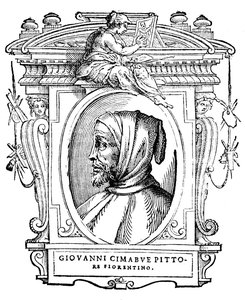
シマブエ
1240 - 1302 , イタリア
基本情報
- Artistic Movement Or Style: ビザンチン様式とルネサンス様式
- Artists Or Movements Influenced By This Artist: ['ジョットト・ディ・ボンドネ']
- Artists Who Influenced This Artist: ['ギウント・ピサノ」「コッポ・ディ・マルコバルド']
- Date Of Death: 1302年
- Full Name: Giovanni Cimabue
- Nationality: イタリア人
- Notable Artworks: ['マエストラ」「十字架」「イエス・キリストの鞭打ち']
- Place Of Birth: フィレンツェ、イタリア
関連記事
Proto-Renaissance Masters: 10 Artworks That Changed History | ArtsDot
Journey back to the dawn of Renaissance art! Explore 10 iconic Proto-Renaissance masterpieces by Giotto, Cimabue & Duccio. Discover their stories, techniques & lasting impact. Find museum-quality reproductions for your home at ArtsDot.com

ラファエロ傑作25選:ルネサンス巨匠の物語と芸術の世界 | ArtsDot
ラファエロの傑作25選🎨 ルネサンス巨匠の物語と芸術の世界を紐解きます。美しい絵画複製や壁掛けアートで、お部屋に名画の彩りを。ArtsDot.comで、美術史に残る作品群をご覧ください✨

ウフィツィ美術館の至宝25選:ルネサンス巨匠たちの傑作とアートデコレーション
ウフィツィ美術館の至宝25選:ボッティチェリ、レオナルド・ダ・ヴィンチ…ルネサンス巨匠たちの傑作と感動的な物語を紐解きます。高品質な絵画複製やアートプリントで、お部屋に名画の輝きを。ArtsDot.comで芸術の世界へ。
Mario Sironi: A Poetic of Modern Italian Identity Through Symbolism & Social Commentary
Explore the profound works of Mario Sironi, a key figure in Italian Modernism. Discover his evolution from Futurism to Metaphysical painting and his powerful social commentary. Learn about his legacy at ArtsDot.
The Dawn of a New Vision: Proto-Renaissance Art & the Seeds of Artistic Revolution
Explore the Proto-Renaissance – the pivotal era bridging medieval and Renaissance art. Discover Giotto's revolutionary frescoes & the artistic innovations that shaped a new vision. Expert insights from ArtsDot.