

 プレビュー
プレビュー
 プリントを購入
 シェアする
シェアする シェアする
シェアする
 詳細を見る
詳細を見る

 ダウンロード
 似ている作品
 X線調査
X線調査 スライドショー
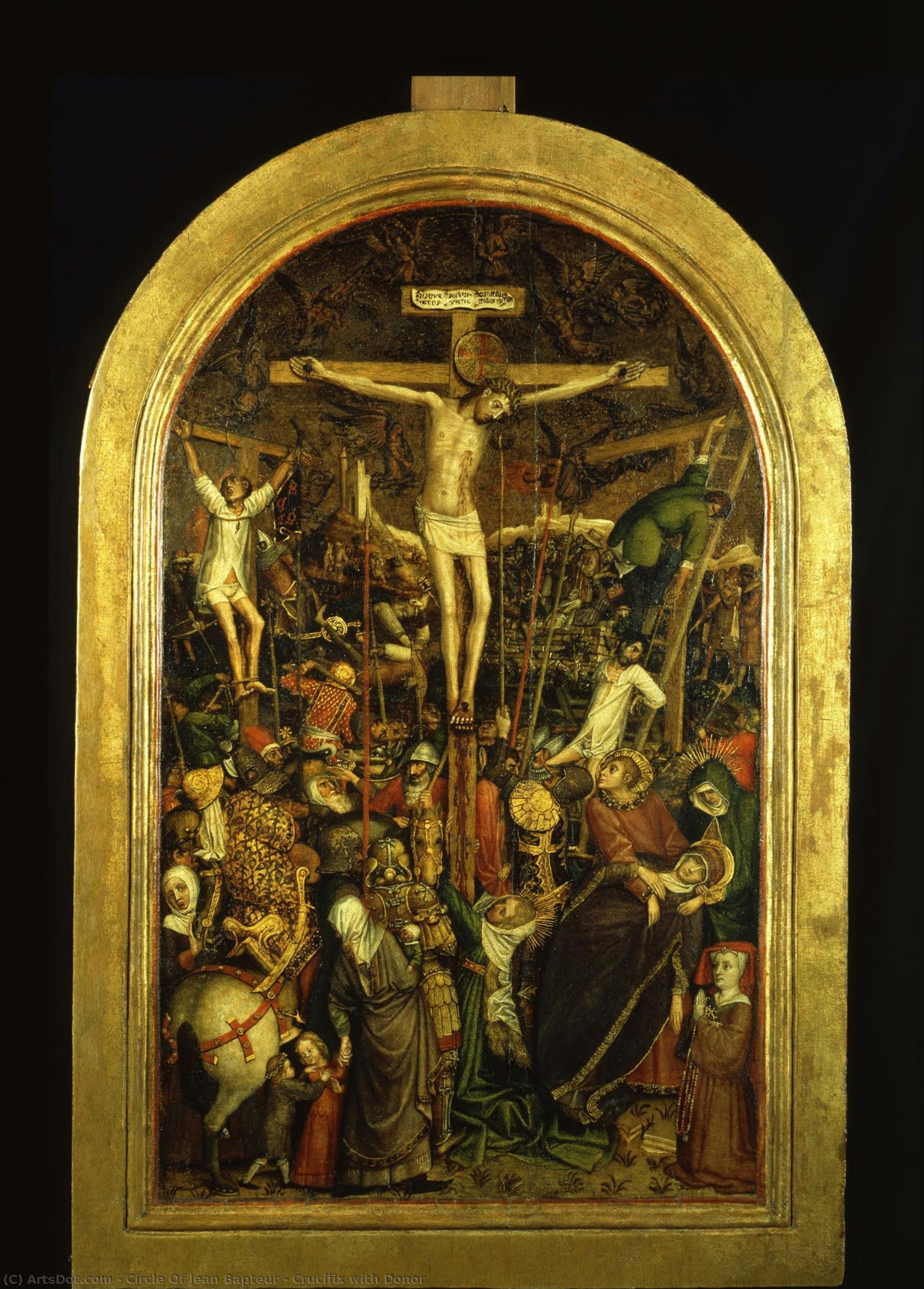
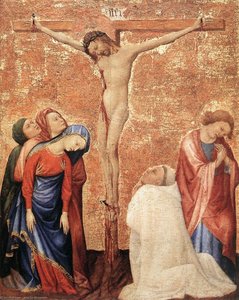
Crucifix with Donor
 Late Gothic
 Late Medieval
 48.0 x 79.0 cm
 Palazzo Madama
 詳細を見る
詳細を見る
オンラインプレビューをはるかに凌ぐ、高解像度で鮮明なデジタル画像をご購入いただけます。
各ファイルは、社内の専門家が高度なツールと熟練した手作業によるレタッチを用いて、細心の注意を払って準備されています。すべての画像において、卓越した鮮明度、正確な色彩再現性、そして繊細なディテールを保証いたします。
最終ファイルは、プロフェッショナルな編集・印刷環境ですぐにご利用いただけるよう最適化された状態で、72時間以内にメールにてお届けいたします。これは、一流のデザインスタジオ、出版社、ギャラリーから信頼されているものと同等の品質です。
デジタル画像のご注文に付随する特典
高品質なデジタル画像配信を、確かな品質で。
ArtsDot.com を選ぶことは、単に画像を手に入れることではありません。それは、プロの手によって精密に仕上げられ、満足保証が付いた高品質なデジタルアートワークを受け取ることを意味します。ご注文いただいた際に自動的に付随する内容は、以下の通りです:

メールですぐにお届け
ご注文から72時間以内に、高解像度のデジタル画像ファイルがメールでお手元に届きます。すぐにそのままご利用いただけます。

AI技術で最適化されたデジタルファイル
お客様の作品は、高度なAIツールと専門家による手作業の編集を組み合わせてプロフェッショナルに最適化されており、細部のディテール、鮮明さ、そして正確な色再現性を最大限に引き出しています。

一生涯無料の再送サービス
ファイルを誤って削除したり、紛失してしまったりしましたか?ご安心ください。いつでも無料で再送いたします。

輸入手数料は一切かかりません
関税や手数料、配送料を気にすることなく、お気に入りのアートワークをすぐにお楽しみいただけます。デジタルダウンロードは常に免税です。

色彩再現の保証
プロ仕様のツールとカラーマネジメント技術を用いることで、デジタル画像が元の色を最大限に忠実に再現することを保証いたします。

60日間満足保証
ご購入いただいたデジタル画像にご満足いただけない場合は、60日以内であれば、修正または100%の返金(理由を問う必要はありません)をさせていただきます。

100% 返金保証
ご満足いただけない場合は、デジタルファイルを受け取ってから60日以内であれば、理由を問わず全額返金いたします。

まとめ買い割引
3枚購入で10%OFF - 5枚購入で15%OFF - 10枚以上購入で20%OFF。クリエイティブなプロジェクト、ギャラリー、エージェンシーに最適です。
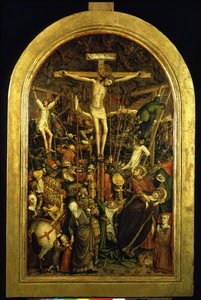
A Vision of Devotion: The Drama of the Crucifix with Donor
In the quiet intensity of this Late Gothic masterpiece, the viewer is thrust into the heart of a profound theological moment. Crucifix with Donor serves as more than just a religious icon; it is a window into the turbulent soul of the 15th century. At its center, the crucified Christ hangs suspended, a focal point of divine suffering that anchors an otherwise chaotic and swirling composition. Surrounding this central tragedy is a crowd that feels startlingly alive—a sea of humanity captured in various states of grief, awe, and devotion. The presence of Mary Magdalene and Saint John provides a familiar emotional anchor, yet the inclusion of a donor, dressed in the exquisite fashions of 1435-1445, bridges the gap between the celestial event and the earthly realm of the viewer, inviting us to participate in this eternal act of worship.
The artistry of this work, attributed to the circle of Jean Bapteur, reveals a fascinating intersection between the delicate world of manuscript illumination and the grander scale of panel painting. One can sense the influence of the master illuminator in the meticulous attention paid to the minute details: the intricate embroidery of the garments, the subtle textures of the fabrics, and the breathtakingly precise landscape that recedes into the distance. This technique creates a sensory richness that is both intimate and expansive. The painter’s ability to render precious details against a backdrop of atmospheric depth suggests a hand trained in the prestigious courts of Savoy, where every stitch of cloth and every leaf in the background was an opportunity for spiritual storytelling.
Beyond its technical brilliance, the painting possesses a visceral emotional power that remains undiminished by the passage of centuries. There is a palpable sense of horror and tension derived from the crowded, restless movement of the figures, which contrasts sharply with the stillness of the cross. This duality—the frantic energy of the world versus the sacrificial silence of Christ—creates a psychological depth that captivates the modern eye. For the collector or the interior designer, this piece offers a profound sense of history and gravity. It is an artwork that does not merely decorate a space but transforms it, providing a centerpiece of contemplative beauty and historical weight that speaks to the enduring human search for meaning amidst the chaos of existence.
関連作品
作家の略歴
Jean Bapteur: The Shadowed Master of Savoy
Jean Bapteur, a name often whispered in the halls of medieval art history, remains an enigmatic figure despite his significant contributions to the visual world of 15th-century Savoy. Born around 1427 in Fribourg, Switzerland – though his early life is shrouded in some mystery – he emerged as a pivotal illuminator and painter for the powerful dukes of Savoie, leaving behind a legacy primarily embodied by the breathtaking Apocalypse manuscript now housed in the Bibliothèque Nationale de France. His work isn’t characterized by flamboyant self-promotion; rather, it speaks volumes through its exquisite detail, subtle symbolism, and a quiet mastery that belies his relative obscurity. Bapteur's artistic journey began with a period of residence in Geneva, where he likely honed his skills before being summoned to Morges around 1428. It was here, within the walls of the ducal court, that he truly flourished, becoming the principal illuminator for decades and fundamentally shaping the visual language of Savoyard heraldry and religious iconography. His early training is believed to have been influenced by a confluence of artistic currents – the meticulous craftsmanship of Flemish miniature painting, the vibrant color palettes of Italian Renaissance frescoes (particularly those of Giotto), and the sophisticated decorative traditions of Burgundy. This synthesis resulted in a style that’s both deeply rooted in established practices and uniquely his own: a delicate balance between formal precision and expressive detail. The cornerstone of Bapteur's fame rests upon the Apocalypse manuscript, an extraordinary work commissioned by Duke Amédée VIII and completed under his son, Louis Ier. This illuminated manuscript, a monumental testament to the Book of Revelation, is not merely a collection of beautifully rendered images; it’s a complex narrative tapestry woven with theological symbolism, dynastic claims, and subtle political messaging. Bapteur's role extended far beyond simple illumination; he was deeply involved in the design and execution of the entire manuscript, overseeing the creation of its borders, heraldic devices, and numerous decorative elements. The sheer scale of the project – spanning over 300 pages – speaks to the immense importance placed on visual representation within the ducal court. The meticulous detail evident in each miniature, from the intricate folds of drapery to the expressive faces of biblical figures, reveals a painter deeply attuned to both technical skill and artistic nuance. Beyond the Apocalypse manuscript, Bapteur’s oeuvre encompasses a remarkable range of decorative commissions. He served as a valued designer for the court, creating tapestries, tent cloths, banners, and even theatrical costumes – demonstrating a versatility rarely found in artists of his time. His work frequently incorporated heraldic symbols—the lions of Savoy, the fleur-de-lis—and elaborate arabesques, reflecting the prevailing aesthetic trends of the period while simultaneously asserting the ducal family’s authority and prestige. Furthermore, Bapteur's involvement extended to ecclesiastical projects, including the decoration of church portals in Fribourg, showcasing his ability to adapt his style to diverse contexts and audiences. The influence of Jean Bapteur on subsequent generations of artists is surprisingly subtle yet profound. While he didn’t actively seek recognition during his lifetime, his meticulous technique and innovative approach to illumination set a standard for future illuminators working in the Savoyard court. His work served as a model for those who followed, shaping the visual vocabulary of medieval art in the region. His legacy is not one of grand pronouncements or revolutionary innovations, but rather one of quiet dedication, technical mastery, and an unwavering commitment to his craft – a testament to the enduring power of artistic skill and the subtle yet significant contributions of artists often overlooked by the broader historical narrative.A Legacy in Detail
- Key Works: Apocalypse manuscript of the Dukes of Savoy (Bibliothèque Nationale de France), decorations for church portals in Fribourg, heraldic designs for the ducal court.
- Influences: Flemish miniature painting, Italian Renaissance fresco traditions (Giotto), Burgundian decorative arts.
- Technique: Meticulous attention to detail, masterful use of color and perspective, integration of heraldic symbolism and religious iconography.
- Historical Context: Active during a period of political and artistic transition in Savoy, serving as a key visual communicator for the ducal court. His work reflects both the established traditions of medieval art and the emerging influences of the Renaissance.
circle of jean bapteur
Switzerland
プロフィール概要
- Artistic Movement Or Style: Manuscript illumination
- Artists Or Movements Influenced By This Artist: ['Franco-Flemish style']
- Artists Who Influenced This Artist: ['Limbourg brothers']
- Full Name: Jean Bapteur
- Nationality: Swiss
- Notable Artworks: ['Apocalypse of the Dukes of Savoy']
- Place Of Birth: Fribourg, Switzerland

