

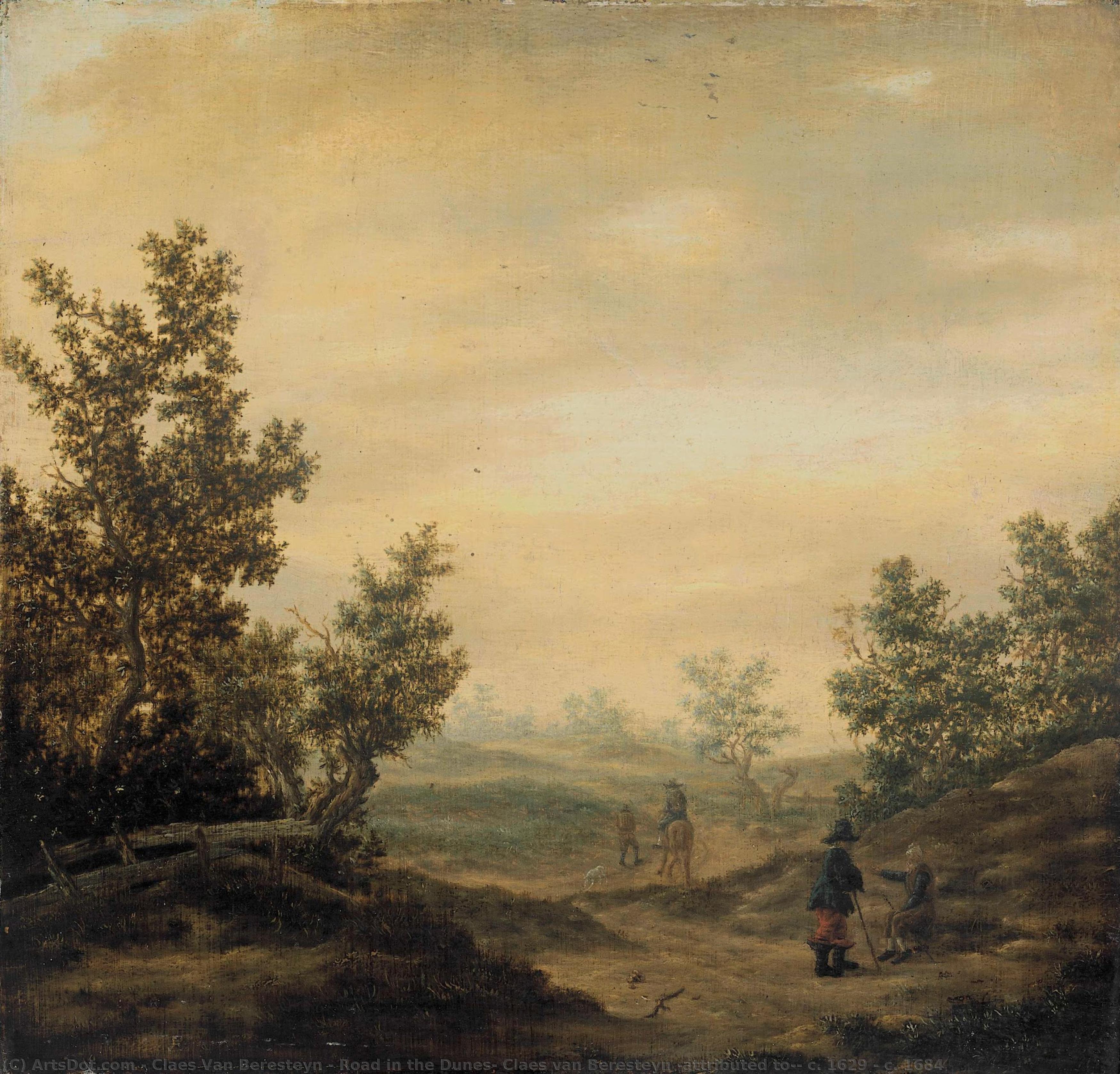
 プレビュー
プレビュー
 シェアする
シェアする シェアする
シェアする
 詳細を見る
詳細を見る

 ダウンロード
 似ている作品
 X線調査
X線調査 スライドショー
 Stats
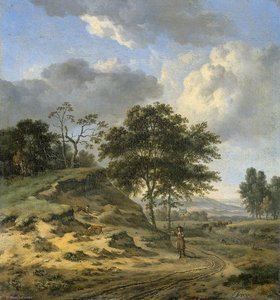
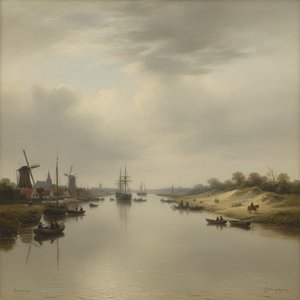
StatsRoad in the Dunes, Claes van Beresteyn (attributed to), c. 1629 - c. 1684
 Dutch Golden Age
 1684
1684 33.0 x 35.0 cm
 詳細を見る
詳細を見る
手描き油彩複製画
当社のアーティストが、お客様のご希望のサイズと額縁に合わせて、キャンバスに手描きで制作する油彩画です。 ( Switch to Print Switch to Digital Image)




































作品のオリジナル比率に合わせた、当店の規定サイズからお選びください。

特定のフレームやスペースに合わせて、ご希望のサイズをご入力いただけます。選択されたサイズが元の画像の比率と異なる場合、アートワークをトリミングするか、手描きで要素を追加して絵画を拡張いたします。デジタルモックアップ を制作し、制作開始前にご確認(承認)をいただきます。
画面上のプレビューは、実際のトリミングや拡張を正確に反映しているものではありません。最終的な構図は、モックアップによってのみ正確にご確認いただけます。
カスタムサイズもご利用いただけますが、元の比率を維持するためには、あらかじめ用意されたリストからサイズを選択することをお勧めいたします。
ご注文後、ArtsDot.com チームより詳細な指示をお送りするとともに、仕上がりイメージ(モックアップ)をご提供いたします。


 ガラスオプションは、110cm未満のサイズでのみご利用いただけます。

Road in the Dunes, Claes van Beresteyn (attributed to), c. 1629 - c. 1684
複製技法
複製画のサイズ
-


合計金額
$ 288
関連作品

アーティストの略歴
The Golden Lineage of Haarlem
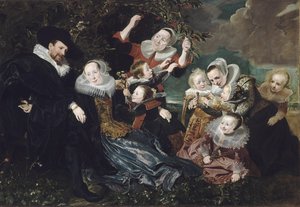
In the heart of the Dutch Golden Age, where the light of Haarlem danced upon the canals and the prosperity of merchant families fueled a renaissance of creativity, Claes van Beresteyn was born into a world of profound artistic significance. As the youngest of six children to the esteemed lawyer Paulus van Beresteyn and Catharina van der Eem, his very existence was woven into the social and cultural fabric of a city at its zenith. His early years were not merely spent in quiet observation but were immortalized through the brush; a monumental family portrait, which once graced the halls of prestige and later found its way to the Louvre, captured his childhood innocence. This early exposure to the grandeur of large-scale portraiture, even as historians debated attributions between masters like Frans Hals and Pieter Soutman, instilled in him a lifelong reverence for meticulous detail and the dramatic power of composition.Mastery of the Etched Horizon
The evolution of Van Beresteyn’s artistry was a journey from the precise, biting lines of printmaking to the sweeping, atmospheric realms of the landscape. Upon joining the Haarlem Guild of St. Luke in 1644 as a pupil of Salomon de Bray, he began to refine a technique that would become his hallmark. Influenced by the dramatic light and shadow of Jacob van Ruisdael and the maritime elegance of Cornelis Vroom, Claes sought to capture the fleeting soul of the Dutch countryside. His mastery of etching allowed him to disseminate his vision far beyond the borders of Haarlem, creating prints that resonated with the rhythmic movement of horsemen traversing sun-drenched dunes and verdant plains. Through sophisticated hatching and tonal gradation, he transformed simple paper into windows onto a world of rural tranquility and equestrian grace, where every shadow told a story of the earth's enduring beauty.A Legacy Written in Landscape and Stone
Beyond the ephemeral beauty of his landscapes and the permanence of his prints, Claes van Beresteyn left an indelible mark on the physical and social landscape of his beloved Haarlem. His life was characterized by a commitment to the community that shaped him, most notably through his founding of a hofje—a sanctuary for the elderly and the vulnerable. This act of benevolence ensured that his name would be whispered not just in the halls of art history, but in the quiet courtyards and peaceful gardens of the city he called home. His artistic journey remains a testament to the Dutch Golden Age:- A mastery of printmaking that brought the beauty of the Haarlem landscape to a wider audience through intricate etching.
- An enduring influence drawn from the great masters of his era, blending realism with atmospheric depth and light.
- A philanthropic spirit that manifested in the creation of lasting architectural legacies within his hometown.
claes van beresteyn
1629 - 1684 , Netherlands
基本情報
- Artistic Movement Or Style: Dutch Golden Age Landscape Painter
- Artists Or Movements Influenced By This Artist: ['']
- Artists Who Influenced This Artist: ['Jacob van Ruisdael']
- Date Of Birth: 1627
- Date Of Death: 1684
- Full Name: Claes van Beresteyn
- Nationality: Dutch
- Notable Artworks:
- Road in the Dunes
- The Lawyer
- Place Of Birth: Haarlem, Netherlands
関連記事
Nicolaes Berchem: Dutch Golden Age Pastoralism & the Evolution of Landscape Painting
Explore the captivating world of Nicolaes Berchem, a leading Dutch Golden Age painter. Discover his idyllic landscapes, masterful technique & lasting influence on art history. Learn more at ArtsDot.

黄金世紀の巨匠たち:バロック絵画が彩る10選|ArtsDot
オランダ黄金時代の10大傑作を紐解く!レンブラント、フェルメール…バロック絵画の魅力と時代背景を深く探求。ArtsDotで、至高のアートコレクションと空間演出のヒントを見つけよう。高品質なアートプリントで、お部屋を華やかに。
Jan van Goyen: Master of Dutch Landscape & Atmospheric Perspective
Discover Jan van Goyen, the master of Dutch landscape painting. Explore his subtle technique, atmospheric realism & lasting influence on art history. Learn about this 17th-century pioneer at ArtsDot.
Golden Light & Dutch Skies: Bringing the Magic of Dutch Golden Age Landscapes into Your Home
Transform your home with the breathtaking light of Dutch Golden Age landscapes. Discover how hand-painted oil reproductions of masterworks like Ruisdael and Vermeer bring timeless elegance, atmosphere, and soulful texture to modern interiors. Elevate your space with museum-quality art.

レンブラント傑作25選:光と影の巨匠、魂を揺さぶる名画の世界 | ArtsDot
レンブラントの傑作25選。光と影の魔術師が描いた魂を揺さぶる名画の世界へ。美術史に残る自画像、夜警、宗教画…ArtsDotで高品質なアートプリントやインテリアアートをお楽しみください。コレクションはこちら→