

 プレビュー
プレビュー
 プリントを購入
 シェアする
シェアする シェアする
シェアする
 詳細を見る
詳細を見る

 ダウンロード
 似ている作品
 X線調査
X線調査 スライドショー
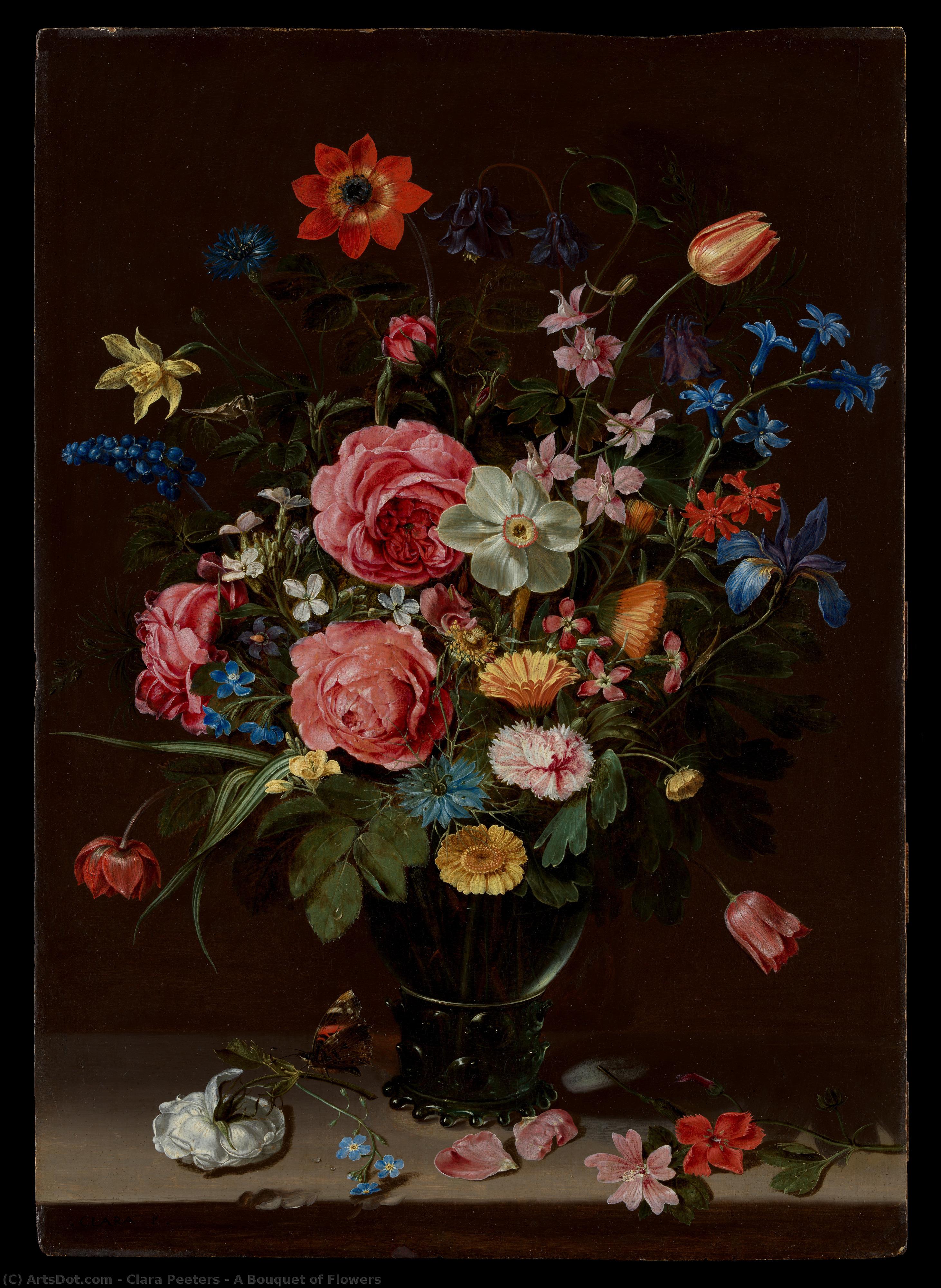
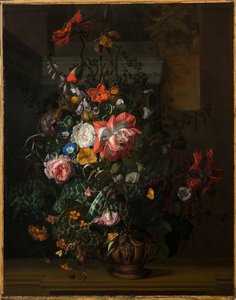
A Bouquet of Flowers
 Acrylic On Canvas
- WallArt
- Northern Renaissance
 1612
1612 46.0 x 32.0 cm
 メトロポリタン美術館
 詳細を見る
詳細を見る




P118B $10

P118H $10

P118W $10

P438Z $10

P508JH $12

P508YH $12

P805H $10

P805Z $10

P919BZ $10

P919G $10

P919XJ $10

P959ZH $10

P968JZ $12

W106C $8

W218G $10

W218JH $8

W218Y $10

W307PJ $10

W316G $10

W316PJ $8

W316Y $10

W398PJ $8

W4111J $10

W500HY $15

W500JH $15

W692G $12

W849H $8

W940BG $15

W953PJ $8




作品のオリジナル比率に合わせた、当店の規定サイズからお選びください。

特定のフレームやスペースに合わせて、ご希望のサイズをご入力いただけます。選択されたサイズが元の画像の比率と異なる場合、アートワークをトリミングするか、手描きで要素を追加して絵画を拡張いたします。デジタルモックアップ を制作し、制作開始前にご確認(承認)をいただきます。
画面上のプレビューは、実際のトリミングや拡張を正確に反映しているものではありません。最終的な構図は、モックアップによってのみ正確にご確認いただけます。
カスタムサイズもご利用いただけますが、元の比率を維持するためには、あらかじめ用意されたリストからサイズを選択することをお勧めいたします。
ご注文後、ArtsDot.com チームより詳細な指示をお送りするとともに、仕上がりイメージ(モックアップ)をご提供いたします。


 ガラスオプションは、110cm未満のサイズでのみご利用いただけます。

A Bouquet of Flowers
複製技法
複製画のサイズ
-


合計金額
$ 263
作品解説
The Quiet Opulence of a Dutch Still Life
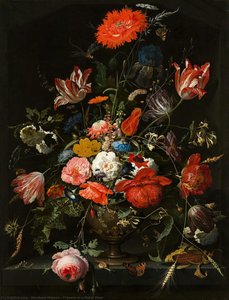
Clara Peeters’s “A Bouquet of Flowers,” painted in 1612, isn't merely a depiction of floral arrangement; it’s a carefully constructed meditation on transience, abundance, and the burgeoning spirit of scientific observation within early seventeenth-century Flanders. This painting, now housed at The Metropolitan Museum of Art, offers a rare glimpse into the world of a pioneering female artist who defied societal constraints to establish herself as one of the era's most accomplished still life painters. Peeters’s work transcends simple botanical illustration; it possesses a profound emotional resonance, inviting viewers to contemplate the fleeting beauty of nature and the subtle artistry embedded within its details.
The composition itself is remarkably sophisticated for its time. Peeters masterfully employs a shallow space, drawing the eye into the heart of the arrangement – a vibrant vase overflowing with an astonishing variety of blossoms. Roses in shades of crimson and blush pink vie for attention alongside delicate daisies, regal purple orchids, and the luminous yellow of buttercups. Each flower is rendered with meticulous precision; observe the subtle variations in petal texture, the delicate dewdrop clinging to a rosebud, or the slight curve of a tulip’s stem – these are not merely painted details but carefully observed realities. The inclusion of insects—a bee diligently gathering pollen and a ladybug perched on a leaf—adds a layer of dynamism and reinforces the painting's connection to the natural world.
A Window into the Scientific Revolution
Peeters’s work is inextricably linked to the broader context of the Scientific Revolution. During this period, artists were increasingly drawn to the study of nature, seeking to understand its underlying principles through observation and documentation. Peeters' meticulous attention to detail—the precise rendering of flower anatomy, the careful depiction of textures—reflects this growing interest in scientific inquiry. The painting can be viewed as a visual record of botanical knowledge, anticipating the rise of systematic botany and the development of detailed floral illustrations. Furthermore, the inclusion of elements like dewdrops and insect bites subtly hints at the passage of time and the inevitable decay inherent in all natural forms – a poignant reminder of mortality within an otherwise celebratory scene.
The Signature as a Statement
A key element that elevates “A Bouquet of Flowers” beyond a simple still life is Peeters’s deliberate inscription of her signature within the stone ledge at the base of the vase. This act, unusual for artists of the period, served not only as an assertion of authorship but also as a subtle challenge to the established artistic hierarchy. It signified her recognition as a skilled and independent artist, capable of commanding attention and establishing her own unique voice. The juxtaposition of her signature with the fallen sprig of forget-me-nots—a symbol of remembrance and lost love—adds another layer of complexity to the painting’s meaning, suggesting a reflection on both beauty and loss.
A Legacy of Quiet Mastery
Clara Peeters remains a remarkably enigmatic figure in art history. Despite her undeniable talent and significant output, biographical details about her life are scarce, shrouded in mystery and speculation. Her work has been the subject of ongoing scholarly debate regarding attribution and authenticity, highlighting the challenges faced by female artists throughout the early modern period. Nevertheless, “A Bouquet of Flowers” stands as a testament to Peeters’s extraordinary skill and artistic vision—a captivating example of Dutch still life painting that continues to resonate with viewers today. Reproductions offer an accessible way to appreciate this remarkable work, bringing its quiet opulence and subtle complexities into any space.
関連作品
アーティストの略歴
クララ・ペータース:オランダ静物画の先駆者
クララ・ペータース(1594年頃 - 1657年以降)は、17世紀フランドム美術における比類なき存在です。黄金時代へと向かうオランダの胎動の中で、初期にその名を認められた女性画家の一人として、彼女は歴史にその足跡を刻みました。当時の社会的な制約により、女性が芸術教育を受け、ギルドへの加入を果たすことは極めて困難なことでした。しかし、ペータースはその壁を乗り越え、驚くべきキャリアを切り拓いたのです。緻密なディテール、革新的な構図、そして日々の生活――とりわけ食卓の質感や細かなニュアンスを捉えようとする情熱に満ちた彼女の作品群は、今なお見る者を魅了して止みません。彼女のアイデンティティや修行の過程、そしてその真作の所在をめぐる謎は、現代の研究者や芸術家たちに絶え間ないインスピレーションを与え続けています。- 生い立ちと家族
- 修養と画風
- 代表作と作品数
- 影響と遺産
- 現在進行形の議論:真贋と帰属
生い立ちと家族
アントワープにて1587年頃に生まれたペータース(正確な生年は歴史家の間で議論が続いています)は、芸術的伝統が深く根付いた家庭に育ちました。記録によれば、彼女の父ジャン・ペータース自身も画家であり、創造的な才能を育むのに理想的な環境であったことが伺えます。アントワレルギーの聖ヴァルブルガ教会における洗礼記録は、彼女が活気あふれる都市の芸術コミュニティの一員として誕生したことを裏付けています。また、1639年には同じく聖ヴァルブルガ教会にてヘンリクス・ヨースセンと結婚しており、夫と共に家庭を築きながら、ペータース家という芸術的な血統を繋いでいったことが分かっています。修養と画風
ペータースがどのような教育を受けたのか、その詳細な経緯は今なお謎に包まれています。これは、当時の女性に対して課せられていた厳しい制約に起因しています。フランドムの芸術発展の礎であったギルドの徒弟制度という正規の道を通った男性画家たちとは異なり、ギルドの記録に彼女の名は見当たりません。そのため、彼女は私的な教育を受けたか、あるいは家族内の師から学んだのではないかという推測がなされています。しかし、その卓越した技術的洗練と高度な構図の巧みさは、細部への執着と丁寧な仕上げを重んじるアントワープの伝統に裏打ちされたものであることを強く示唆しています。研究者たちは、彼女が徒弟修行時代に静物画の技法を確立したアントワープの画家、オシアス・ベールトの影響を強く受けていたと考えています。代表作と作品数
ペータースの芸術活動は、1607年から1621年の期間に驚くほど集中しています。彼女はなんと18歳の誕生日を迎える前に、すでに18点もの作品を完成させていました。これらの初期作品には、彼女の技術的な習熟と視覚的表現への深い理解が凝縮されており、チーズをはじめとする食の情景を、比類なうることのないリアリズムで描き出しています。これら記念碑的な作品に加え、彼女の全作品数は約76点に及ぶと推定されています。しかし、彼女の署名が入った模写が様々な手によって数多く存在するため、決定的な帰属を特定することは極めて困難な課題となっています。豪華な宴席や、裸体像が施された装飾的なナイフといった細部まで描き込まれた品々を描く彼女の傾向は、オランダの「朝食画(ontbijtjes)」や「宴会画(banketje)」の伝統を形作る上で、極めて重要な役割を果たしました。影響と遺産
クララ・ペータースが美術史に果たした貢献は、個々の絵画作品の枠を遥かに超えるものです。彼女は、オランダ黄金時代における女性の芸術的能力を証明した決定的な指標であり、この時代における最も重要な女性画家の一人です。彼女の作品は当時の社会規範に挑戦し、後世の女性芸術家たちが歩む道を切り拓きました。さらに、質感や繊細な変化を捉えることに注力した彼女の様式的な革新は、後続の画家たちに多大な影響を与え、静物画というジャンルにおける先駆者としての地位を不動のものとしました。現在進行形の議論:真贋と帰属
1607年から1621年にかけて制作されたとされるペータースの現存作品は、疑いようのない高い質を誇っていますが、その作者をめぐる学術的な論争は今も続いています。「CP」という署名が残された二つの作品については、RKD(オランダ絵画研究所)によって匿名とみなされており、それらが真にペータースの手によるものかどうかが厳格な調査の対象となっています。さらに、1657年にペータースのものとされていた作品が失われたことも、彼女の作品群をめぐる議論にさらなる複雑さをもたらしています。正体不明の画家たちによる模写が広く存在している事実は、ペータースの全作品数を確定させ、美術史における彼女の地位を決定づけることの難しさを物語っています。
クララ・ペータース
1594 - 1657 , ベルギー
基本情報
- Artistic Movement Or Style: オランダ黄金時代
- Artists Or Movements Influenced By This Artist: ['ユディト・レイステル']
- Artists Who Influenced This Artist: ['オシアス・ベールト']
- Date Of Birth: ベルギー、アントワープ (1594年)
- Date Of Death: 1657年以降
- Full Name: クララ・ペータース
- Nationality: フランドル
- Notable Artworks:
- 魚、シーフード、花のある静物画
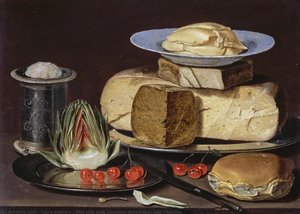
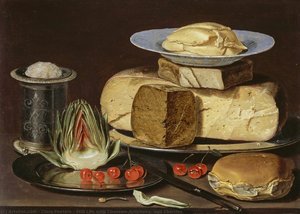
- チーズ、アーティチョーク、チェリーのある静物画
- Place Of Birth: アントワープ
関連記事
Jan Jansz Wijnants: A Study in Dutch Golden Age Still Life & Floral Transience
Explore the captivating world of Jan Wijnants and Dutch Golden Age still life painting. Discover symbolism, masterful techniques & lasting influence on floral art history. Learn more!

黄金世紀の巨匠たち:バロック絵画が彩る10選|ArtsDot
オランダ黄金時代の10大傑作を紐解く!レンブラント、フェルメール…バロック絵画の魅力と時代背景を深く探求。ArtsDotで、至高のアートコレクションと空間演出のヒントを見つけよう。高品質なアートプリントで、お部屋を華やかに。
Abraham Hendricksz van Beyeren: Pioneering Dutch Still Life & the Banquet Tradition
Explore the captivating world of Dutch Golden Age still life with Abraham van Beyeren. Discover his innovative techniques, symbolic banquet scenes & lasting influence on art history. Learn about collecting these masterpieces.

Golden Age Reflections: Dutch Baroque Painting & Cultural Innovation
Explore the Dutch Golden Age of painting! Discover key artists like Vermeer & ter Borch, their innovative techniques, and the rich cultural context behind these Baroque masterpieces. Learn about collecting & appreciating this iconic art period.

Illuminating Innovation: Exploring the Dutch Golden Age of Painting
Explore the Dutch Golden Age of painting with ArtsDot. Discover Rembrandt, Vermeer & other Masters. Learn about key characteristics, iconic artworks, and lasting influence. Expert insights for collectors & enthusiasts.

