

 プレビュー
プレビュー
 プリントを購入
 シェアする
シェアする シェアする
シェアする
 詳細を見る
詳細を見る

 ダウンロード
 似ている作品
 X線調査
X線調査 スライドショー
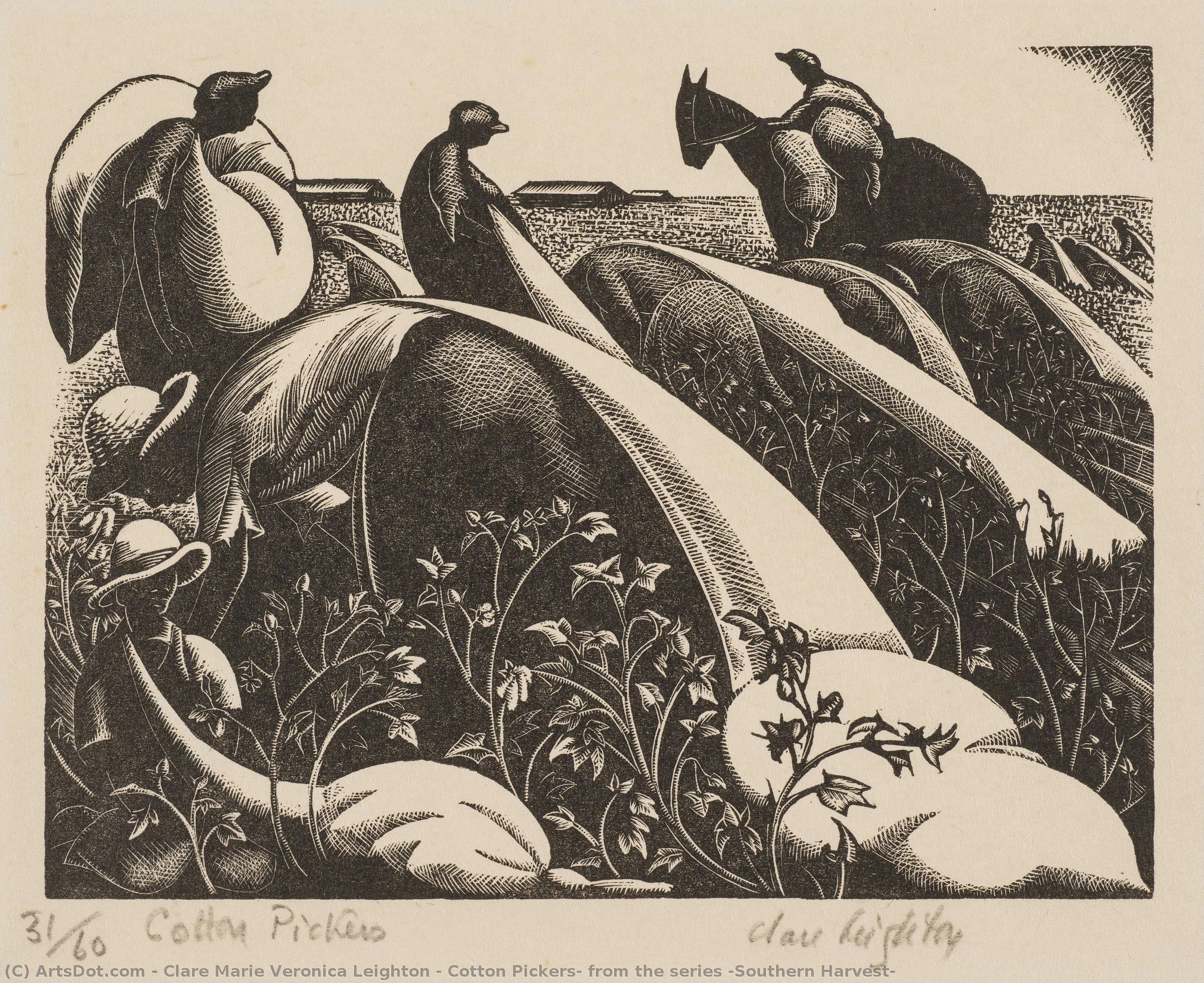
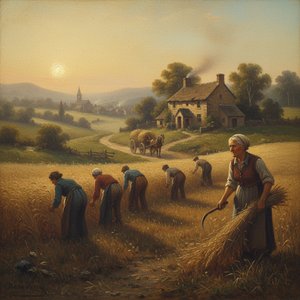
Cotton Pickers, from the series “Southern Harvest”


 詳細を見る
詳細を見る




P118B $10

P118H $10

P118W $10

P438Z $10

P508JH $12

P508YH $12

P805H $10

P805Z $10

P919BZ $10

P919G $10

P919XJ $10

P959ZH $10

P968JZ $12

W106C $8

W218G $10

W218JH $8

W218Y $10

W307PJ $10

W316G $10

W316PJ $8

W316Y $10

W398PJ $8

W4111J $10

W500HY $15

W500JH $15

W692G $12

W849H $8

W940BG $15

W953PJ $8




作品のオリジナル比率に合わせた、当店の規定サイズからお選びください。

特定のフレームやスペースに合わせて、ご希望のサイズをご入力いただけます。選択されたサイズが元の画像の比率と異なる場合、アートワークをトリミングするか、手描きで要素を追加して絵画を拡張いたします。デジタルモックアップ を制作し、制作開始前にご確認(承認)をいただきます。
画面上のプレビューは、実際のトリミングや拡張を正確に反映しているものではありません。最終的な構図は、モックアップによってのみ正確にご確認いただけます。
カスタムサイズもご利用いただけますが、元の比率を維持するためには、あらかじめ用意されたリストからサイズを選択することをお勧めいたします。
ご注文後、ArtsDot.com チームより詳細な指示をお送りするとともに、仕上がりイメージ(モックアップ)をご提供いたします。


 ガラスオプションは、110cm未満のサイズでのみご利用いただけます。

Cotton Pickers, from the series “Southern Harvest”
複製技法
複製画のサイズ
-


合計金額
$ 313
The Poignant Rhythm of the Harvest
In the evocative woodcut print Cotton Pickers, from the series “Southern Harvest,” Clare Leighton invites us into a world defined by the rhythmic, grueling, and deeply human cadence of agricultural toil. The scene unfolds across a landscape of rolling hills, where figures are etched into the earth with a profound sense of permanence. This is not merely a depiction of labor; it is a visual poem dedicated to the resilience of those who work the land. Through her masterful use of monochrome tones, Leighton strips away the distractions of color to focus our attention on the raw, structural essence of the scene. The interplay of deep blacks and stark greys creates a dramatic atmosphere, casting the workers in a light that feels both somber and heroic, capturing a moment in time where the weight of the harvest meets the quiet dignity of the human spirit.
The technique employed here is nothing short of extraordinary, showcasing the unique strengths of woodcut printing. Leighton utilizes bold, decisive lines and intricate cross-hatching to build volume and texture within the composition. Every stroke of the engraver’s tool contributes to a sense of tactile reality; one can almost feel the rough grain of the earth and the coarse fabric of the workers' clothing. The depth of the piece is achieved not through traditional linear perspective, but through the strategic layering of forms and varying line densities. This creates a shallow, compressed space that pushes the figures toward the viewer, making their struggle and their presence unavoidable. The starkness of the medium mirrors the starkness of the subject matter, lending an organic, unadorned beauty to the entire composition.
Historically and symbolically, this work serves as a powerful window into the early 20th-century experience of rural life. As part of her "Southern Harvest" series, Leighton captures the social realism prevalent in an era of profound agricultural transition. The figures within the print act as symbols of endurance; they are inextricably linked to the landscape they cultivate. There is a subtle narrative of collective effort woven into the way the bodies are positioned—each person a vital part of a larger, communal machine of survival. For the collector or the interior designer, this piece offers more than just aesthetic value; it provides a soulful focal point that commands attention through its gravity and historical depth. It is an ideal acquisition for those looking to introduce a sense of timeless strength, quiet contemplation, and artistic integrity into a curated space.
関連作品

アーティストの略歴
The Soul of the Earth: The Life and Legacy of Clare Leighton
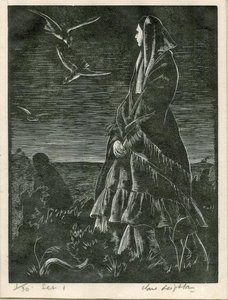
Clare Leighton (1898–1989) was a singular figure in twentieth-century art, recognized primarily for her masterful wood engravings that captured the essence of rural life and the quiet dignity of manual labor. Born in London on April 12, 1898, she possessed an uncommon blend of artistic talent and intellectual curiosity—qualities that propelled her across continents and cemented her legacy as a pivotal voice in British illustration and social realism. Her journey began with the gentle encouragement of her father and uncle, both artists themselves, which fostered early inclinations toward visual expression and a deep-seated respect for the craft of printmaking.
Her formal artistic education commenced at Brighton College of Art, where she honed foundational skills in drawing and painting before progressing to the prestigious Slade School of Fine Art. It was here that she encountered the transformative influence of Noel Rooke, a celebrated wood engraver who profoundly shaped her artistic vision. Under his tutelage, Leighton learned to master the nuances of the medium, gaining an appreciation for precision, tonal subtlety, and the ability to convey profound emotion through the interplay of texture and line. This technical foundation would become the bedrock of her career, allowing her to translate the rugged textures of the natural world into striking black-and-white compositions.
A Vision of Labor and Landscape
As Leighton’s style matured during the 1920s and 1930s, wood engraving emerged as her favored medium. This technique offered unparalleled control over tonal range, making it perfectly suited to her desire to depict the grit and grace of agricultural existence. Her work transcended mere illustration; she utilized the stark contrasts of the woodcut to create a visual language of social commentary. Through her eyes, the rhythmic motions of farming became epic narratives of human endurance. She skillfully captured the faces of farmers, laborers, and their families with remarkable sensitivity, imbuing each figure with a sense of monumental importance.
Her thematic reach was vast, spanning from the intimate details of English pastoral life to the expansive, rugged landscapes of North America. Some of her most enduring contributions include:
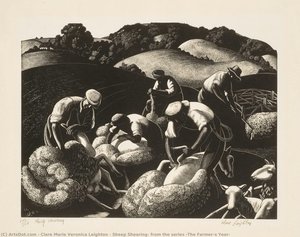
- The Farmer’s Year: A celebrated series that documents the seasonal cycles of agricultural life, showcasing her ability to blend botanical accuracy with emotional depth in works such as Sheep Shearing.
- Canadian Lumber Camp: A powerful exploration of frontier life, seen in pieces like Breaking Camp, where she captures the raw energy and physical toll of the timber industry.
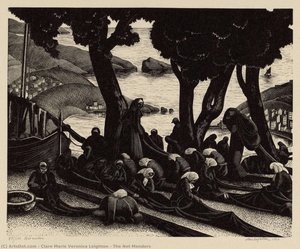
- The Net Menders: A poignant depiction of coastal community resilience, illustrating the interconnectedness of human labor and the sea.
Historical Significance and Artistic Endurance
Leighton’s artistry was enriched by her extensive travels throughout Europe—including Italy, France, and the Balkans—which exposed her to diverse cultural landscapes and deepened her fascination with portraying everyday life. This global perspective allowed her to weave a tapestry of human experience that felt both deeply local and universally resonant. Her work stands as a testament to the beauty found in the mundane and the strength found in communal struggle.
In an era of rapid industrialization, Leighton’s focus on the traditional rhythms of the land provided a vital counter-narrative. She did not merely document a disappearing way of life; she elevated it to the realm of high art. Today, her wood engravings remain highly regarded for their technical brilliance and their ability to evoke a sense of nostalgia and reverence for the earth. Her legacy continues to inspire artists who seek to find the extraordinary within the ordinary, ensuring that the dignity of labor she so lovingly depicted remains etched in the annals of art history.
clare marie veronica leighton
1898 - 1989 , United Kingdom
基本情報
- Artistic Movement Or Style: Wood engraving
- Artists Or Movements Influenced By This Artist: ['Social Realism']
- Artists Who Influenced This Artist: ['Noel Rooke']
- Date Of Birth: April 12, 1898
- Date Of Death: November 4, 1989
- Full Name: Clare Marie Veronica Leighton
- Nationality: British-American
- Notable Artworks:
- Loading
- Cotton Pickers
- Sheep Shearing
- Place Of Birth: London, United Kingdom
関連記事

Giclée Prints: Archival Quality & Aesthetic Nuances for the Discerning Collector
Explore the world of giclée prints with ArtsDot. Learn about archival quality, aesthetic nuances & investment potential. Expert guidance for discerning art collectors seeking museum-quality reproductions and lasting value.

The Enduring Legacy of Fine Art Prints: Technique, History & Aesthetic Impact
Explore the rich history & techniques of fine art prints. Discover investment potential, assess authenticity, and learn how to preserve your collection with expert guidance. Trusted insights for discerning collectors.
The Enduring Legacy of Printmaking: Techniques, Themes & Artistic Innovation Across Centuries
Explore the rich history of printmaking with ArtsDot. Discover techniques from intaglio to lithography, learn about collecting valuable prints & find museum-quality reproductions. Expert insights for art enthusiasts and collectors.

Echoes of Time: Exploring the Enduring Appeal & Historical Context of Vintage Art Prints
Explore the captivating world of vintage art prints! Discover their history, collecting tips & enduring appeal. Expert insights on chromolithography and building a legacy collection with ArtsDot.
Echoes of Rural Life: Nostalgia, Labor & Identity in Art History
Explore the rich history of rural life in art! Discover how Realism captured labor & identity through masterpieces by Van Gogh, Millet & more. Expert analysis for collectors and enthusiasts.

