

 プレビュー
プレビュー
 プリントを購入
 シェアする
シェアする シェアする
シェアする
 詳細を見る
詳細を見る

 ダウンロード
 似ている作品
 X線調査
X線調査 スライドショー
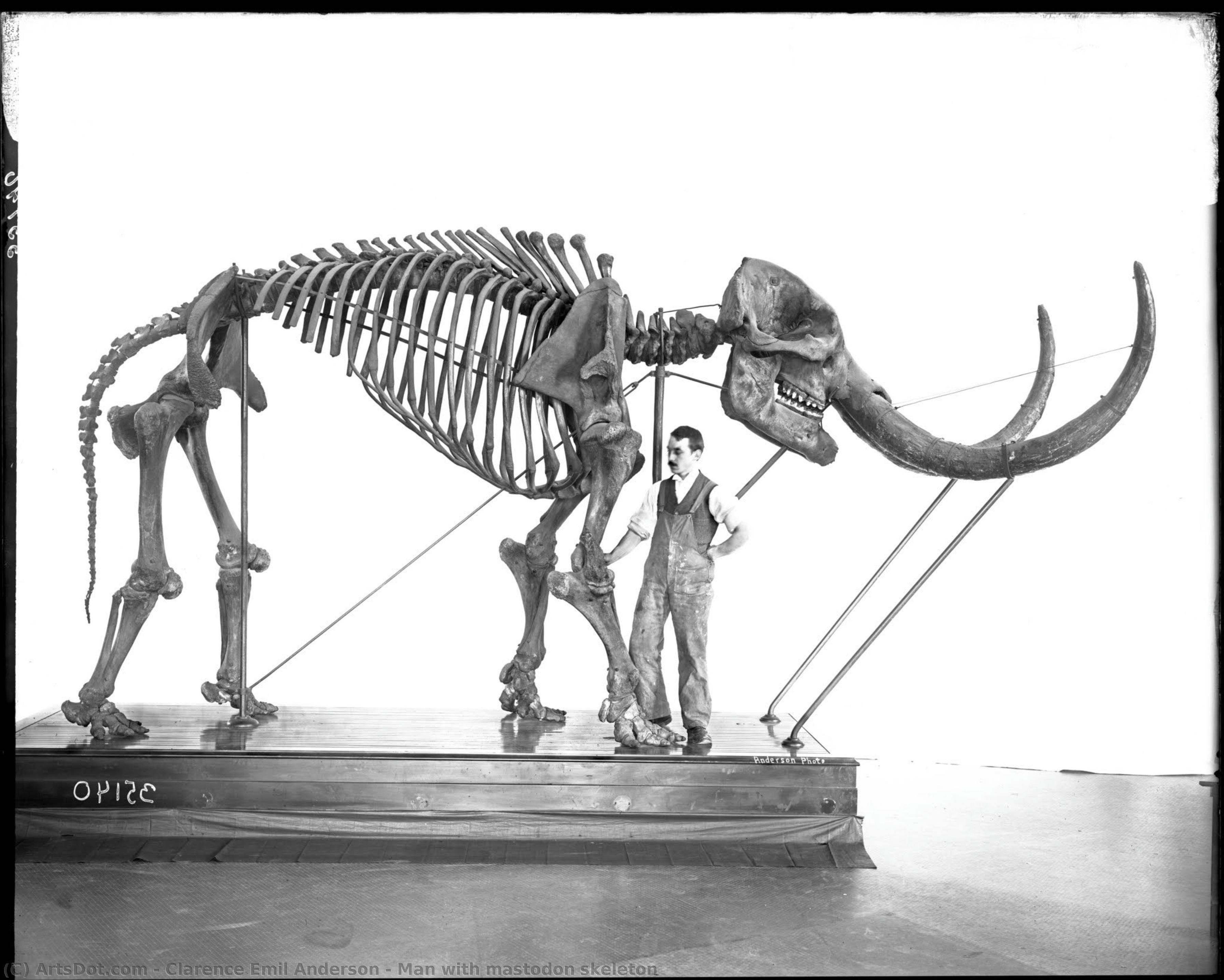
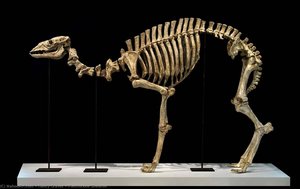
Man with mastodon skeleton


 詳細を見る
詳細を見る
オンラインプレビューをはるかに凌ぐ、高解像度で鮮明なデジタル画像をご購入いただけます。
各ファイルは、社内の専門家が高度なツールと熟練した手作業によるレタッチを用いて、細心の注意を払って準備されています。すべての画像において、卓越した鮮明度、正確な色彩再現性、そして繊細なディテールを保証いたします。
最終ファイルは、プロフェッショナルな編集・印刷環境ですぐにご利用いただけるよう最適化された状態で、72時間以内にメールにてお届けいたします。これは、一流のデザインスタジオ、出版社、ギャラリーから信頼されているものと同等の品質です。
デジタル画像のご注文に付随する特典
高品質なデジタル画像配信を、確かな品質で。
ArtsDot.com を選ぶことは、単に画像を手に入れることではありません。それは、プロの手によって精密に仕上げられ、満足保証が付いた高品質なデジタルアートワークを受け取ることを意味します。ご注文いただいた際に自動的に付随する内容は、以下の通りです:

メールですぐにお届け
ご注文から72時間以内に、高解像度のデジタル画像ファイルがメールでお手元に届きます。すぐにそのままご利用いただけます。

AI技術で最適化されたデジタルファイル
お客様の作品は、高度なAIツールと専門家による手作業の編集を組み合わせてプロフェッショナルに最適化されており、細部のディテール、鮮明さ、そして正確な色再現性を最大限に引き出しています。

一生涯無料の再送サービス
ファイルを誤って削除したり、紛失してしまったりしましたか?ご安心ください。いつでも無料で再送いたします。

輸入手数料は一切かかりません
関税や手数料、配送料を気にすることなく、お気に入りのアートワークをすぐにお楽しみいただけます。デジタルダウンロードは常に免税です。

色彩再現の保証
プロ仕様のツールとカラーマネジメント技術を用いることで、デジタル画像が元の色を最大限に忠実に再現することを保証いたします。

100日間満足保証
ご購入いただいたデジタル画像にご満足いただけない場合は、100日以内であれば、理由を問わず修正または100%の返金対応をさせていただきます。

100% 返金保証
ご満足いただけない場合は、デジタルファイルを受け取ってから100日以内であれば、理由を問わず全額返金いたします。

まとめ買い割引
3枚購入で10%OFF - 5枚購入で15%OFF - 10枚以上購入で20%OFF。クリエイティブなプロジェクト、ギャラリー、エージェンシーに最適です。
Man with Mastodon Skeleton - A Testament to Time and Wonder
The photograph captures a moment frozen in history—a stark juxtaposition of human presence against the colossal skeleton of a mastodon, rendered in monochrome shades of gray. Taken by Clarence Emil Anderson, renowned for his wartime exploits as a fighter ace and later as a test pilot, this archival image speaks volumes about our relationship with prehistoric landscapes and the enduring fascination with scientific discovery. Its quiet grandeur resides not merely in its subject matter but also in the masterful execution of photographic technique—a testament to Anderson’s skill and vision.- Composition: The photograph employs a symmetrical arrangement, centering on both the man and the mastodon skeleton. A wooden platform serves as grounding element, subtly enhancing depth perception. Thin wires connecting parts of the skeleton underscore its assembled nature, hinting at the meticulous process of recreating this monumental specimen.
- Lighting: Diffused natural light illuminates the scene evenly, devoid of dramatic highlights or shadows—suggesting a museum setting bathed in ambient illumination. This understated lighting contributes to the photograph’s contemplative mood and emphasizes the textures of bone and fabric.
- Texture: The image conveys a rich tapestry of textures: the rough surface of the mastodon bones, contrasted with the supple drape of the man's vest over shirt—creating visual interest and conveying tactile sensations. A slight graininess inherent in the photographic process adds to the photograph’s authenticity and evokes the atmosphere of early 20th-century photography.
- Symbolism: The juxtaposition of man and mastodon symbolizes our ongoing engagement with the natural world and our desire to comprehend its formative processes. It evokes contemplation on the scale of geological epochs and prompts reflection on human insignificance against the backdrop of millennia past.
- Style: Anderson’s photograph adheres to the conventions of documentary photography—prioritizing accuracy and capturing a scene as it appeared without embellishment or artistic intervention. This stylistic choice underscores the importance of preserving historical records and conveying information with clarity and integrity.
関連作品
作家の略歴
A Legacy Etched in the Sky: The Life and Art of Clarence Emil “Bud” Anderson
Clarence Emil “Bud” Anderson, born January 13, 1922, in Oakland, California, wasn’t destined for a life solely grounded on earth. Though raised on a farm near Newcastle, his gaze was perpetually drawn upwards, captivated by the burgeoning world of aviation. This early fascination, nurtured at Oakland Municipal Airport and solidified while working at the Sacramento Air Depot during the tumultuous days following Pearl Harbor, would ultimately propel him to become one of America’s most celebrated fighter pilots – and a man whose experiences found expression in compelling artwork long after his final flight. Anderson wasn't merely a pilot; he was a triple ace of World War II, holding the distinction of being the highest-scoring living American fighter ace at the time of his passing on May 17, 2024. His story is one woven with courage, skill, and an enduring passion for flight that transcended duty and became a lifelong pursuit.From Cadet to Ace: The Crucible of Combat
Anderson’s journey into military service began in January 1942 when he enlisted as an aviation cadet. He swiftly progressed through rigorous training programs – Primary Flight Training at Lindbergh Field, San Diego, followed by Advanced Training at Luke Field, Arizona – earning his wings and a commission as a second lieutenant in September 1942. Initial assignments saw him flying Bell P-39 Airacobras before being assigned to the esteemed 363rd Fighter Squadron of the 357th Fighter Group. It was with this unit that he would find his true calling, deploying to England in November 1943 and entering the heart of the European conflict. The arrival of the North American P-51 Mustang marked a turning point. This iconic aircraft, coupled with Anderson’s exceptional piloting ability, transformed him into a formidable force against the Luftwaffe. His first aerial victory came on February 5th, 1944, defending a straggling B-17 Flying Fortress. From that moment forward, his skill and bravery became legendary. He quickly amassed an impressive record of confirmed victories, culminating in becoming a triple ace – a distinction reserved for pilots who have downed at least fifteen enemy aircraft. His P-51 Mustang, affectionately nicknamed “Old Crow,” became synonymous with his name, a symbol of resilience and unwavering determination amidst the chaos of war. Remarkably, Anderson completed 116 combat missions without ever being hit by enemy fire or forced to turn back – a testament to his exceptional skill and tactical awareness.Beyond the Battlefield: A Life Dedicated to Flight
The end of World War II didn’t signal an end to Anderson's dedication to aviation; rather, it marked a new chapter. He transitioned into the role of a highly respected fighter test pilot, logging over 7,500 hours in more than 130 different aircraft types. This period saw him push the boundaries of flight, evaluating and refining the capabilities of cutting-edge technology. His leadership qualities were also recognized, leading to command positions within fighter squadrons and wings – including a combat tour during the Vietnam War. He retired as a full colonel in 1972, but his connection to the skies remained unbroken. He then embarked on a career in flight test management with McDonnell Douglas, continuing to contribute to advancements in aerospace engineering. However, it was perhaps after retirement that Anderson’s artistic side truly flourished.Capturing History: The Art of Clarence Emil Anderson
While renowned for his aerial prowess, Anderson also possessed a talent for capturing the essence of flight through artwork. His paintings aren't simply depictions of aircraft; they are evocative representations of experience – imbued with the emotion and intensity of combat, the beauty of soaring through the clouds, and the camaraderie forged in the crucible of war. He often focused on scenes from his own wartime experiences, meticulously recreating the details of P-51 Mustangs engaged in aerial battles over Europe. His work provides a unique perspective, offering viewers not just a visual record of historical events but also an intimate glimpse into the mind of a pilot who lived them. The paintings are characterized by their realism and attention to detail, reflecting his deep understanding of aircraft mechanics and atmospheric conditions. They serve as powerful tributes to the men he flew with, the sacrifices made during wartime, and the enduring spirit of aviation.A Lasting Impact: Legacy and Recognition
Clarence Emil “Bud” Anderson’s contributions extended far beyond his impressive combat record. He became a sought-after speaker at aviation and military events well into his 90s, sharing his stories with generations to come. His insights offered invaluable lessons in leadership, courage, and the importance of dedication. In December 2022, as a testament to his extraordinary service, he was promoted to the honorary rank of Brigadier General by Gen. CQ Brown Jr., the Air Force Chief of Staff – a fitting recognition for a true American hero. His membership in the National Aviation Hall of Fame further solidifies his place among aviation’s most influential figures. Bud Anderson's legacy is not merely one of aerial victories; it's a testament to a life lived with passion, courage, and an unwavering commitment to excellence – a story etched not only in the annals of military history but also in the captivating artwork that continues to inspire awe and admiration. His paintings stand as enduring reminders of a generation’s sacrifice and the timeless allure of flight, ensuring his spirit soars on long after his final departure from this earth. He was more than just a pilot; he was an artist who painted with courage and flew with honor.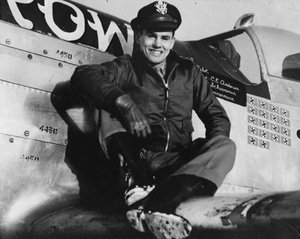
clarence emil anderson
1922 -