

 プレビュー
プレビュー
 プリントを購入
 シェアする
シェアする シェアする
シェアする
 詳細を見る
詳細を見る

 ダウンロード
 似ている作品
 X線調査
X線調査 スライドショー
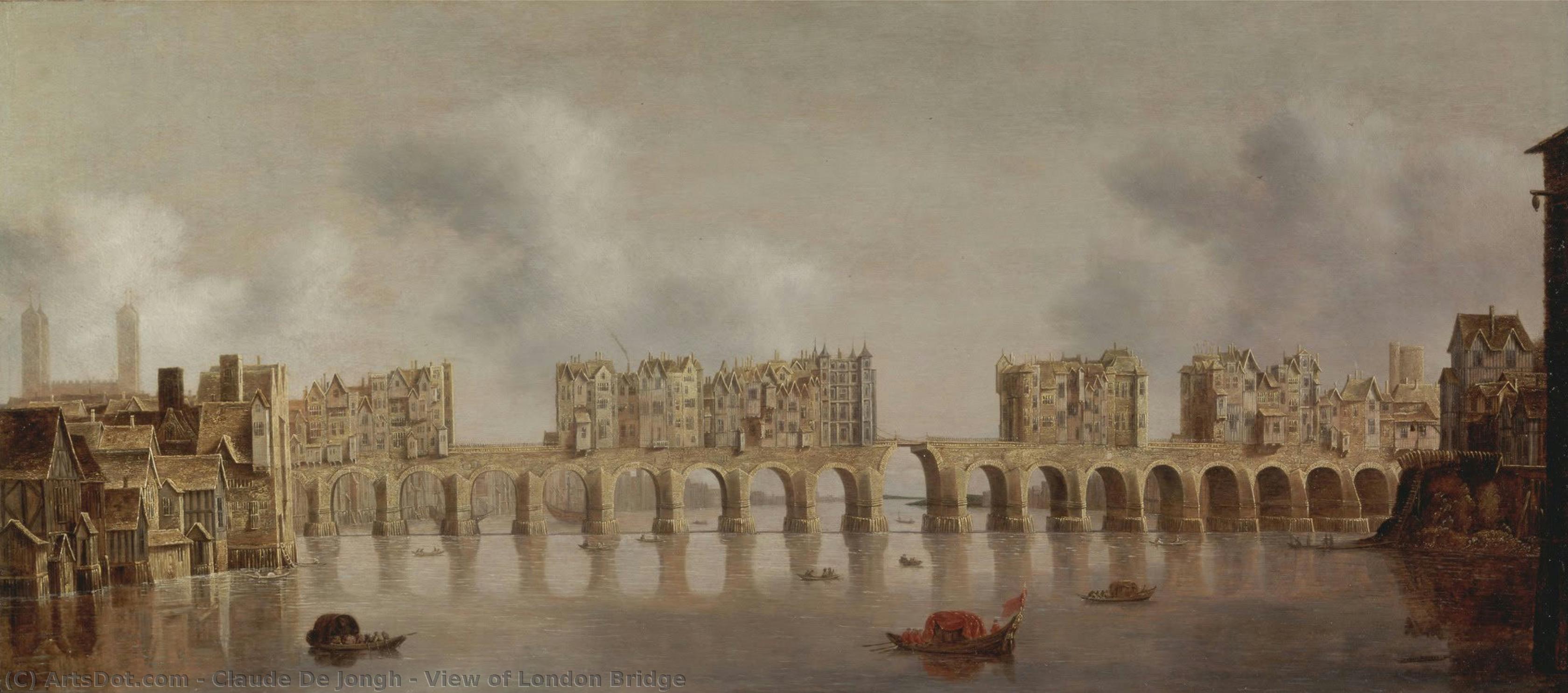
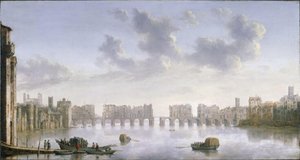
View of London Bridge
 Oil
Oil- WallArt
- Dutch Golden Age
 1632
1632- Early Modern
 48.0 x 109.0 cm
 イェール英国美術館
 詳細を見る
詳細を見る




































作品のオリジナル比率に合わせた、当店の規定サイズからお選びください。

特定のフレームやスペースに合わせて、ご希望のサイズをご入力いただけます。選択されたサイズが元の画像の比率と異なる場合、アートワークをトリミングするか、手描きで要素を追加して絵画を拡張いたします。デジタルモックアップ を制作し、制作開始前にご確認(承認)をいただきます。
画面上のプレビューは、実際のトリミングや拡張を正確に反映しているものではありません。最終的な構図は、モックアップによってのみ正確にご確認いただけます。
カスタムサイズもご利用いただけますが、元の比率を維持するためには、あらかじめ用意されたリストからサイズを選択することをお勧めいたします。
ご注文後、ArtsDot.com チームより詳細な指示をお送りするとともに、仕上がりイメージ(モックアップ)をご提供いたします。


 ガラスオプションは、110cm未満のサイズでのみご利用いただけます。

View of London Bridge
複製技法
複製画のサイズ
-


合計金額
$ 263
作品解説
A Window into the Seventeenth Century
Stepping into the presence of Claude de Jongh’s View of London Bridge is akin to traversing a temporal threshold, leaving the modern world behind to wander through the bustling, atmospheric waterways of 1632. This exquisite landscape serves as more than just a depiction of a landmark; it is a vibrant, living chronicle of an era defined by maritime commerce and urban expansion. The composition captures the Thames not merely as a river, but as a stage where the pulse of London life unfolds. Through de Jongh’s masterful eye, we witness a delicate choreography of numerous vessels—some heavy with cargo, others light and nimble—drifting across the shimmering expanse of water. The presence of scattered figures along the banks adds a poignant human element, suggesting a moment of quiet observation amidst the industrious spirit of the Dutch Golden Age influence.
The artistry of de Jong and his contemporaries often relied on the ability to marry topographical accuracy with an evocative, almost poetic, atmosphere. In this piece, the artist utilizes a sophisticated palette to render the interplay of light and shadow upon the river's surface, creating a sense of depth that draws the viewer inward. The cityscape, characterized by a dense arrangement of historic buildings, provides a structural rhythm to the work, framing the water and anchoring the scene in a tangible reality. For the discerning collector or interior designer, this painting offers a profound sense of historical continuity, acting as a sophisticated focal point that brings a layer of intellectual and aesthetic richness to any curated space.
Mastery of Light and Dutch Tradition
Technically, the work reflects the profound influence of the Dutch landscape tradition, where the mastery of atmospheric perspective is paramount. De Jongh employs subtle gradations of tone to suggest the hazy, moisture-laden air typical of the Thames estuary, allowing the distant architecture to recede softly into the horizon. This technique creates an immense sense of scale, making the 48 x 109 cm canvas feel far more expansive than its physical dimensions. The brushwork, while precise enough to define the silhouettes of boats and the textures of stone, retains a fluid grace that captures the movement of the tides and the fleeting nature of light.
Beyond its visual splendor, the painting carries a symbolic weight, representing the intersection of human ambition and the enduring power of nature. The bridge itself stands as a symbol of connection—linking disparate parts of a growing metropolis—while the flowing river represents the inexorable passage of time. For those seeking to adorn a home or gallery with a high-quality reproduction, this artwork provides an unparalleled opportunity to possess a piece of history. It is a work that does not merely decorate a wall; it invites conversation, evokes nostalgia for a lost era, and provides a serene, contemplative energy that complements both classical and contemporary interior aesthetics.
関連作品

アーティストの略歴
Claude de Jongh: A Dutch Master of the English Landscape
Born in Utrecht, Netherlands, in 1605, Claude de Jongh emerged as a significant figure within the vibrant landscape painting tradition of the Dutch Golden Age. While his early life remains somewhat shrouded in historical detail – information is scarce beyond his birth and death dates – what’s known paints a picture of an artist deeply influenced by both the classical ideals of Italianate landscapes and the burgeoning interest in depicting the natural world with increasing scientific accuracy. De Jongh's career was notably marked by extensive travels, particularly to England during the mid-17th century (1625-1650), a period that profoundly shaped his artistic vision and subject matter.
The Netherlands Institute for Art History highlights de Jongh’s journey as a pivotal element in understanding his work. His presence in England wasn't merely a fleeting visit; he was registered there multiple times, suggesting a sustained engagement with the English countryside. This immersion undoubtedly exposed him to new artistic approaches and perspectives, influencing his style and broadening his repertoire beyond purely Dutch motifs. The English landscapes – characterized by rolling hills, dramatic skies, and often incorporating elements of Roman ruins or medieval structures – became a central focus of his oeuvre.
A Painter of Light and Atmosphere
De Jongh’s artistic technique is immediately recognizable for its masterful handling of light and atmosphere. He possessed an exceptional ability to capture the subtle shifts in illumination across a scene, creating a sense of depth and realism rarely seen in contemporary landscape painting. His compositions are often characterized by a balanced arrangement of elements – trees, water, buildings – all rendered with meticulous detail and a keen eye for color. He frequently employed atmospheric perspective, utilizing lighter tones and softer edges to suggest distance, further enhancing the illusion of space.
His use of oil paint was particularly noteworthy. De Jongh layered thin glazes upon each other, building up complex textures and luminous effects. This technique allowed him to achieve a remarkable level of detail while maintaining a sense of fluidity and spontaneity. The influence of Italianate landscape painters like Leonardo da Vinci and Andrea Palladio is evident in his careful observation of nature and his commitment to portraying it with intellectual rigor.
Key Works and Themes
Among de Jongh’s most celebrated works are paintings such as “Landscape” (1633), a dramatic depiction of a medieval castle nestled beside a winding river. This piece exemplifies his ability to combine topographical accuracy with an expressive use of color and light, creating a scene that is both visually stunning and emotionally evocative. Other notable works include scenes featuring English ruins – a testament to his time spent in the country – alongside depictions of pastoral landscapes teeming with wildlife.
Recurring themes in de Jongh’s work often explore the relationship between humanity and nature. He frequently depicted figures within the landscape, suggesting a sense of harmony and connection between people and their surroundings. However, he also conveyed a subtle awareness of the power and unpredictability of the natural world, reminding viewers of its inherent beauty and potential for both wonder and danger.
Legacy and Historical Significance
Claude de Jongh’s contribution to Dutch landscape painting is significant, though perhaps less widely recognized than some of his contemporaries. His travels to England proved transformative, expanding his artistic horizons and influencing the development of a distinctly English style within the broader context of Dutch art. His meticulous observation of nature, combined with his masterful technique, cemented his place as a skilled and insightful artist.
While biographical details remain limited, de Jongh’s work continues to resonate today, offering viewers a glimpse into a bygone era and a profound appreciation for the beauty and complexity of the natural world. His paintings serve as a valuable record of 17th-century England and a testament to the enduring power of landscape art.
claude de jongh
1605 - 1663 , Netherlands
基本情報
- Artistic Movement Or Style: Landscape painter
- Date Of Birth: 1605, Utrecht
- Date Of Death: 1663, Utrecht
- Full Name: Claude de Jongh
- Nationality: Dutch
- Notable Artworks:
- Saint Lawrence crowned
- Landscape
- Place Of Birth: Utrecht, Netherlands
関連記事

黄金世紀の巨匠たち:バロック絵画が彩る10選|ArtsDot
オランダ黄金時代の10大傑作を紐解く!レンブラント、フェルメール…バロック絵画の魅力と時代背景を深く探求。ArtsDotで、至高のアートコレクションと空間演出のヒントを見つけよう。高品質なアートプリントで、お部屋を華やかに。

Golden Age Reflections: Dutch Baroque Painting & Cultural Innovation
Explore the Dutch Golden Age of painting! Discover key artists like Vermeer & ter Borch, their innovative techniques, and the rich cultural context behind these Baroque masterpieces. Learn about collecting & appreciating this iconic art period.

Illuminating Innovation: Exploring the Dutch Golden Age of Painting
Explore the Dutch Golden Age of painting with ArtsDot. Discover Rembrandt, Vermeer & other Masters. Learn about key characteristics, iconic artworks, and lasting influence. Expert insights for collectors & enthusiasts.
Illuminating Realism: Exploring the Dutch Golden Age of Painting (1600-1700)
Explore the Dutch Golden Age of painting (1600-1700) with ArtsDot. Discover Rembrandt, Vermeer & other masters. Learn about techniques, history & find museum-quality reproductions.
Illuminating a Century of Change: Artistic Expression & Societal Shifts in 17th-Century Europe
Explore the artistic brilliance of the 17th-century Dutch Golden Age & Baroque period. Discover Rembrandt, genre painting, and chiaroscuro techniques. Expert insights for art lovers & collectors.

