

 プレビュー
プレビュー
 プリントを購入
 シェアする
シェアする シェアする
シェアする
 詳細を見る
詳細を見る

 ダウンロード
 似ている作品
 X線調査
X線調査 スライドショー
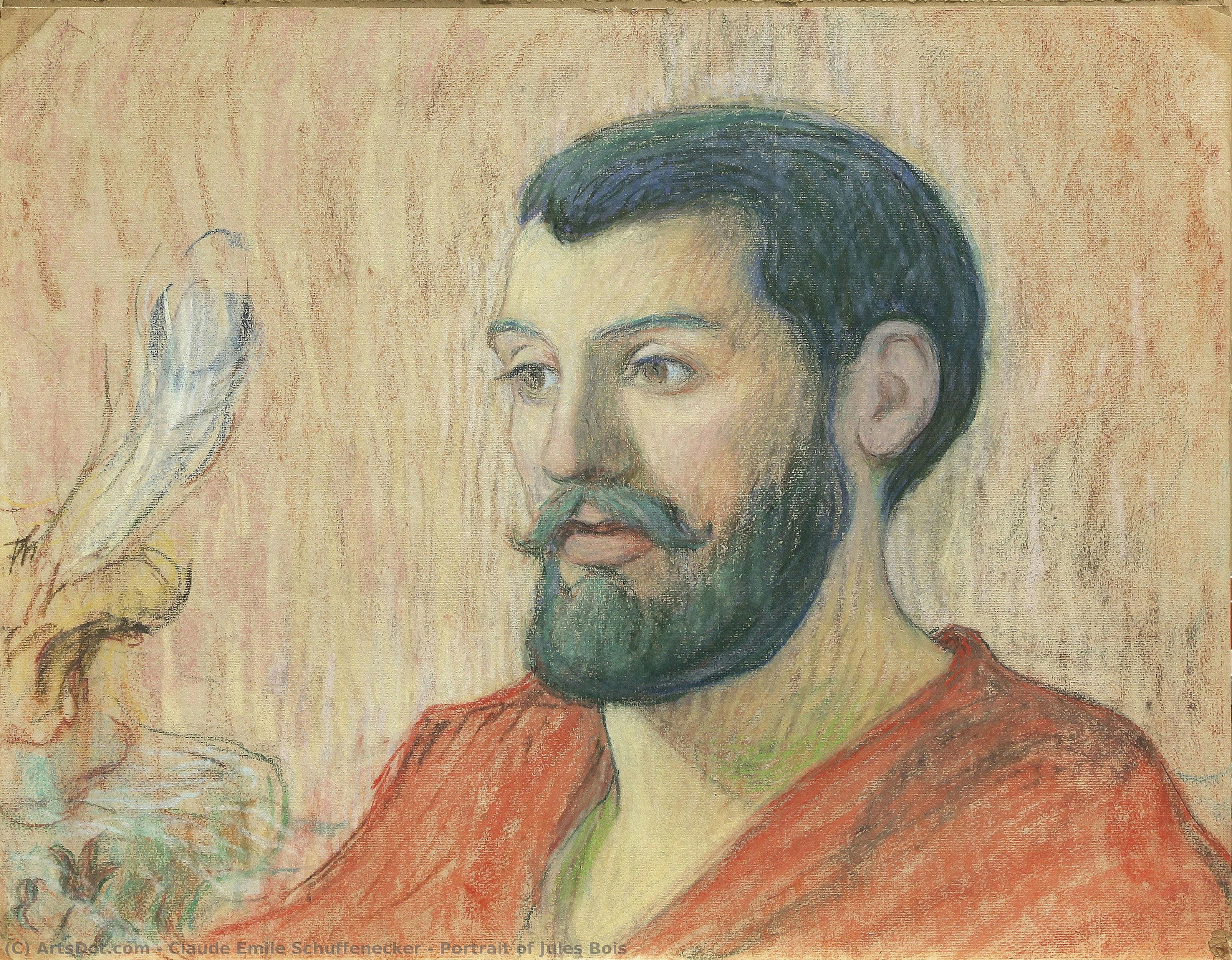
Portrait of Jules Bois
 Acrylic On Canvas
- WallArt
- Post-Impressionism
 1895
1895- 19th Century
 44.0 x 56.0 cm
 Musée de Pont-Aven
 詳細を見る
詳細を見る
オンラインプレビューをはるかに凌ぐ、高解像度で鮮明なデジタル画像をご購入いただけます。
各ファイルは、社内の専門家が高度なツールと熟練した手作業によるレタッチを用いて、細心の注意を払って準備されています。すべての画像において、卓越した鮮明度、正確な色彩再現性、そして繊細なディテールを保証いたします。
最終ファイルは、プロフェッショナルな編集・印刷環境ですぐにご利用いただけるよう最適化された状態で、72時間以内にメールにてお届けいたします。これは、一流のデザインスタジオ、出版社、ギャラリーから信頼されているものと同等の品質です。
デジタル画像のご注文に付随する特典
高品質なデジタル画像配信を、確かな品質で。
ArtsDot.com を選ぶことは、単に画像を手に入れることではありません。それは、プロの手によって精密に仕上げられ、満足保証が付いた高品質なデジタルアートワークを受け取ることを意味します。ご注文いただいた際に自動的に付随する内容は、以下の通りです:

メールですぐにお届け
ご注文から72時間以内に、高解像度のデジタル画像ファイルがメールでお手元に届きます。すぐにそのままご利用いただけます。

AI技術で最適化されたデジタルファイル
お客様の作品は、高度なAIツールと専門家による手作業の編集を組み合わせてプロフェッショナルに最適化されており、細部のディテール、鮮明さ、そして正確な色再現性を最大限に引き出しています。

一生涯無料の再送サービス
ファイルを誤って削除したり、紛失してしまったりしましたか?ご安心ください。いつでも無料で再送いたします。

輸入手数料は一切かかりません
関税や手数料、配送料を気にすることなく、お気に入りのアートワークをすぐにお楽しみいただけます。デジタルダウンロードは常に免税です。

色彩再現の保証
プロ仕様のツールとカラーマネジメント技術を用いることで、デジタル画像が元の色を最大限に忠実に再現することを保証いたします。

60日間満足保証
ご購入いただいたデジタル画像にご満足いただけない場合は、60日以内であれば、修正または100%の返金(理由を問う必要はありません)をさせていただきます。

100% 返金保証
ご満足いただけない場合は、デジタルファイルを受け取ってから60日以内であれば、理由を問わず全額返金いたします。

まとめ買い割引
3枚購入で10%OFF - 5枚購入で15%OFF - 10枚以上購入で20%OFF。クリエイティブなプロジェクト、ギャラリー、エージェンシーに最適です。
作品の詳細
Portrait of Jules Bois – A Window into Symbolist Paris
Claude Emile Schuffenecker’s “Portrait of Jules Bois,” painted in 1895, is more than just a likeness; it's a meticulously crafted glimpse into the intellectual and spiritual currents swirling through late nineteenth-century Paris. This pastel portrait, measuring 44 x 56 cm, captures Jules Bois, a fascinating figure – a journalist, poet, Symbolist playwright, and member of the enigmatic Paris Rosicrucians. The work’s significance extends far beyond a simple representation; it serves as a visual record of a pivotal moment in Schuffenecker's own artistic and philosophical development, inextricably linked to the burgeoning influence of theosophy.
- The Subject: Jules Bois, depicted with thoughtful intensity, embodies the Symbolist movement’s fascination with inner experience and esoteric knowledge. His gaze, directed towards an unseen object in his hand – perhaps a bird or a fragment of text – invites us to contemplate the mysteries he sought within his pursuits.
- Schuffenecker's Context: The portrait was created during a period of intense correspondence between Schuffenecker and Bois, a relationship profoundly shaped by their shared intellectual interests. It’s revealed that Bois witnessed Schuffenecker’s ethical and spiritual struggles, ultimately leading the artist to embrace theosophical ideas.
- A Parallel Project: Remarkably, while working on Bois' portrait, Schuffenecker was simultaneously engaged in an ambitious essay dedicated to Paul Gauguin – a testament to his keen observation of artistic trends and his willingness to engage with the most significant figures of the era.
Technique and Style – Impressionistic Depth
Schuffenecker’s masterful use of pastel is immediately apparent, creating a remarkably luminous and textured surface. The artist employs broken color techniques characteristic of Impressionism, layering delicate strokes to build up form and capture the subtle nuances of light and shadow. Notice how he renders Bois' clothing – the vibrant red shirt – not as a flat plane but as a collection of shimmering hues, reflecting the ambient light with remarkable fidelity. This technique, combined with his careful attention to detail in capturing Bois’ facial features, particularly the thoughtful expression and the delicate lines of his beard, demonstrates Schuffenecker’s technical skill.
- Pastel Medium: The pastel medium itself contributes significantly to the work's evocative quality. Its soft, velvety texture allows for a remarkable degree of subtlety and nuance in color rendering.
- Broken Color: Schuffenecker’s signature technique of applying broken color – layering small strokes of pure pigment – creates a vibrant, shimmering effect that is characteristic of Impressionism.
- Psychological Portraiture: Beyond mere representation, the portrait aims to capture Bois' inner state, reflecting his intellectual intensity and perhaps even a hint of melancholy.
Symbolic Elements and Historical Resonance
The inclusion of symbolic elements elevates “Portrait of Jules Bois” beyond a simple likeness. The quill and inkwell in the lower left corner are potent reminders of Bois’ profession as a writer, representing creativity and intellectual pursuit. The two birds – one on the left and another towards the top right – add an element of mystery and perhaps allude to spiritual or mythological themes favored by the Symbolist movement. Painted during a time of significant philosophical and artistic upheaval, this portrait reflects the anxieties and aspirations of a generation grappling with questions of faith, morality, and the nature of reality.
- The Quill & Inkwell: A direct reference to Bois’ role as a writer and intellectual.
- Symbolic Birds: The presence of birds is open to interpretation, potentially representing freedom, spirituality, or mythological figures.
- Rosicrucian Influence: The portrait reflects Schuffenecker's involvement with the Paris Rosicrucians, a group dedicated to esoteric knowledge and spiritual exploration.
Emotional Impact and Artistic Legacy
"Portrait of Jules Bois" offers a poignant glimpse into a pivotal moment in the life of Claude Emile Schuffenecker and the intellectual landscape of late 19th-century Paris. It’s a testament to Schuffenecker's ability to capture not just physical likeness but also the psychological depth and spiritual intensity of his subject. This work stands as an important, though often overlooked, contribution to Impressionism and a valuable window into the Symbolist movement’s exploration of inner experience and esoteric themes. A hand-painted reproduction allows you to bring this captivating portrait into your own space, inviting contemplation and sparking conversation.
関連作品
作家の略歴
The Quiet Pioneer: The Life and Legacy of Claude Émile Schuffenecker
In the vibrant, often tumultuous tapestry of the late nineteenth-century Parisian art scene, certain names shine with an almost blinding brilliance, while others linger in the soft, atmospheric shadows. Claude Émile Schuffenecker (1851–1934) belongs to that evocative second group—a figure whose brushstrokes helped define the edges of Post-Impressionism even as he remained somewhat obscured by the monumental shadows of his contemporaries. Born in Haute-Saône, France, Schuffenecker’s journey was one of profound resilience and artistic devotion. Following the early loss of his father, a tailor from Alsace, his path was shaped by economic necessity and a disciplined upbringing. Before fully committing to the easel, he worked within the practical world of commerce, assisting in his uncle’s coffee and chocolate roasting business. This grounded, industrious spirit would later manifest in his meticulous approach to color and composition, providing a stable foundation for his experimental explorations in light and form.
Schuffenecker’s artistic soul was forged in the crucible of Parisian bohemianism, where he found kindred spirits in the likes of Paul Gauguin and Odilon Redon. His education at the Académie Colarossi allowed him to refine his technical prowess, but it was his deep, intellectual connection with Gauguin that truly catalyzed his creative evolution. The two men shared more than just a studio space; they shared a reverence for the Old Masters and a mutual desire to push beyond the fleeting impressions of Monet toward something more structural and symbolic. This period of intense camaraderie saw Schuffenecker participating in pivotal moments of art history, most notably the Volpini Exhibition, an event that served as a crucial platform for the avant-garde. Through these connections, he also became an early supporter of Vincent van Gogh, positioning himself at the very heart of a movement that would forever alter the course of modern art.
A Vision of Light and Atmosphere
The work of Schuffenecker is characterized by a delicate balance between the observational accuracy of Impressionism and the emotive, flattened planes of Post-Impressionism. His landscapes often serve as windows into a serene, almost dreamlike reality. In pieces such as In the Woods, one can observe his mastery of pastel and oil to create a sense of depth through soft, rhythmic brushwork. He possessed a unique ability to capture the way light filters through foliage or rests upon the surface of water, as seen in his evocative depictions of the Meudon region. His compositions often invite the viewer into a quiet, contemplative space, where the boundaries between the physical world and psychological mood begin to blur.
Beyond the landscape, Schuffenecker’s oeuvre includes portraits that delve into the interiority of his subjects, reflecting a profound interest in human emotion. His technique often utilized:
- Atmospheric Subtlety: A focus on the weight and texture of air and light to create mood.
- Color Harmony: An intentional use of palette to evoke specific emotional responses, influenced by his studies with Gauguin.
- Structural Composition: A move away from purely spontaneous strokes toward more deliberate, organized forms that suggest a lasting permanence.
Historical Significance and the Collector's Eye
While Schuffenecker may not have achieved the global celebrity of the masters he befriended, his historical significance is multifaceted. He was not merely a painter but an active participant in the ecosystem of art through his roles as an art teacher and a dedicated collector. His eye for talent and his commitment to fostering new movements helped sustain the momentum of the Post-Impressionist era. By documenting and supporting the works of his peers, he contributed to the very fabric of the Parisian avant-garde.
Today, Schuffenecker’s legacy is being rediscovered by scholars and enthusiasts alike who recognize the quiet strength in his vision. His ability to navigate the transition from the naturalism of the mid-century to the expressive freedom of the new century marks him as a vital link in the chain of modern art history. To study Schuffenecker is to witness the evolution of a movement, seeing through his eyes the shifting light of a world on the brink of profound change.
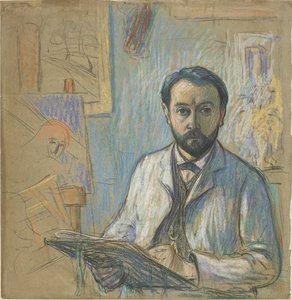
claude emile schuffenecker
1851 - 1934 , France
プロフィール概要
- Artistic Movement Or Style: Post-Impressionism
- Artists Or Movements Influenced By This Artist: ['Vincent van Gogh']
- Artists Who Influenced This Artist:
- Paul Gauguin
- Odilon Redon
- Date Of Birth: December 8, 1851
- Date Of Death: July 31, 1934
- Full Name: Claude Emile Schuffenecker
- Nationality: French
- Notable Artworks:
- The Luxembourg Parc
- Paysage Landscape
- Place Of Birth: Haute-Saône, France

