

 プレビュー
プレビュー
 シェアする
シェアする シェアする
シェアする
 詳細を見る
詳細を見る

 ダウンロード
 似ている作品
 X線調査
X線調査 スライドショー
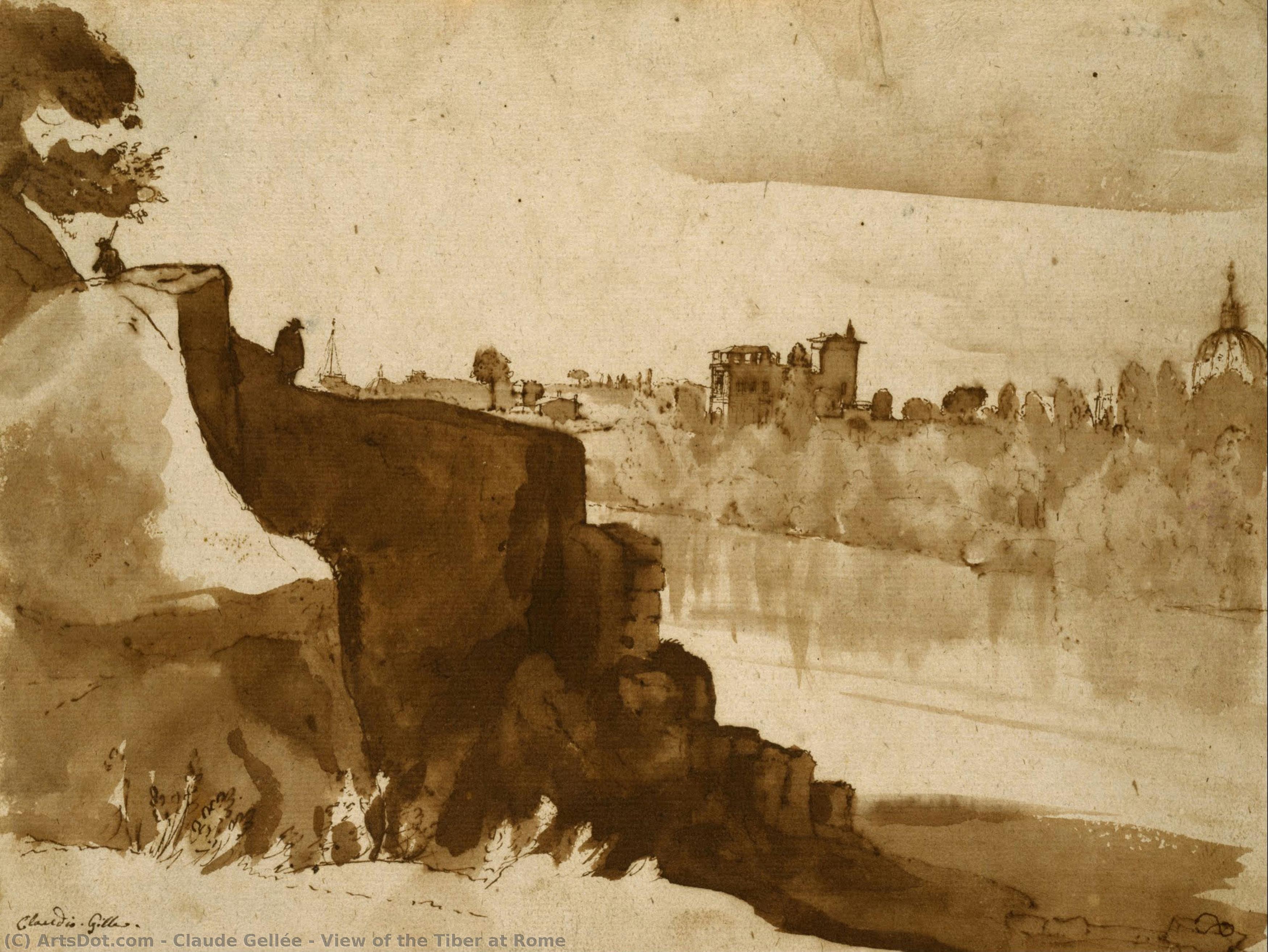
View of the Tiber at Rome


 詳細を見る
詳細を見る
ジークレー/アートプリント
迅速な制作と多彩な仕上げオプションを備えた、ミュージアムクオリティのジークレーまたはキャンバスプリント。 ( 手描きの絵画を購入 画像を購入)




P118B $10

P118H $10

P118W $10

P438Z $10

P508JH $12

P508YH $12

P805H $10

P805Z $10

P919BZ $10

P919G $10

P919XJ $10

P959ZH $10

P968JZ $12

W106C $8

W218G $10

W218JH $8

W218Y $10

W307PJ $10

W316G $10

W316PJ $8

W316Y $10

W398PJ $8

W4111J $10

W500HY $15

W500JH $15

W692G $12

W849H $8

W940BG $15

W953PJ $8




作品のオリジナル比率に合わせた、当店の規定サイズからお選びください。

特定のフレームやスペースに合わせて、ご自身でサイズを指定することも可能です。選択されたサイズが元の画像の比率と一致しない場合、作品をトリミングするか、鏡面反射または単色での塗りつぶしによって画像を拡張いたします。制作を開始する前に、ご確認用のデジタルモックアップをお送りいたします。
画面上のプレビューには、実際のトリミングや拡張は反映されませんのでご注意ください。最終的な構図を正確に確認できるのは、モックアップのみとなります。
カスタムサイズも承っておりますが、元の比率を維持するためには、あらかじめ用意されたリストからサイズを選択することをお勧めいたします。


 ガラスオプションは、110cm未満のサイズでのみご利用いただけます。

View of the Tiber at Rome
ジークレー/アートプリント
複製画のサイズ
-


合計金額
$ 62
作品詳細説明
A Roman Dream Captured in Light
To gaze upon Claude Gellée’s "View of the Tiber at Rome" is to step directly into an idealized moment of 17th-century Roman leisure. This painting transcends a mere depiction of a river; it is an orchestrated vision of life unfolding against the enduring backdrop of antiquity. The viewer is immediately drawn across the shimmering expanse of the Tiber, where the water acts not just as a geographical feature, but as a mirror reflecting both the grand architecture and the ephemeral passage of human joy. Gellée masterfully captures that quintessential Roman atmosphere—a blend of monumental history meeting the gentle rhythm of daily life.
Mastery of Light and Landscape
Gellée, known for his breathtaking landscapes, imbues this scene with a luminous quality that seems almost palpable. His technique is characterized by an exquisite handling of light, particularly the way sunlight interacts with the water and illuminates the distant skyline. Notice how the buildings—the castle-like structure anchoring the left side, and the more varied edifices to the right—are bathed in a warm glow. This attention to atmospheric perspective gives depth to the composition, making the foreground figures feel intimately present while allowing the background to recede into a hazy, beautiful distance. It is a testament to his skill as a landscapist that he could make stone and water sing with such gentle radiance.
The Human Element in an Eternal City
Scattered throughout this picturesque tableau are small figures—people enjoying the view, strolling along the banks, or simply pausing to observe. These scattered human elements are crucial; they provide scale and narrative without ever dominating the grandeur of the setting. They suggest a timeless continuity, implying that while empires rise and fall, the pleasure found in a beautiful vista remains constant. The painting whispers tales of leisurely afternoons, suggesting an escape from the hustle into a moment of profound, shared tranquility.
A Touch of Italian Grandeur for Your Space
For those who appreciate the romance of classical art or seek to infuse a room with the sophisticated patina of history, this reproduction offers unparalleled depth. Whether placed in a formal drawing-room echoing Renaissance taste or in an airy space desiring Mediterranean charm, "View of the Tiber at Rome" acts as a focal point of cultured serenity. It speaks to a collector's appreciation for masterful composition and Gellée’s signature ability to blend natural beauty with man-made splendor. Owning this piece is not merely decorating; it is curating an atmosphere—a perpetual, sun-drenched afternoon in the heart of Rome.
関連作品

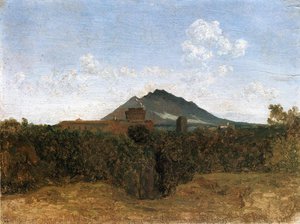
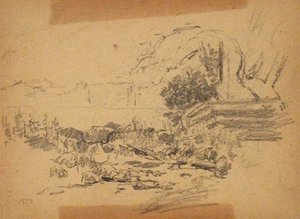
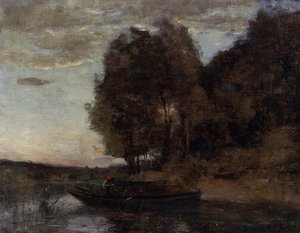
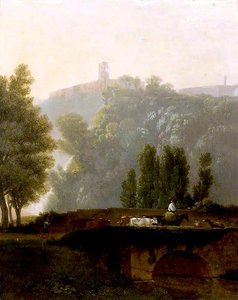
アーティストの略歴
early life and training
claude gellée, also known as claude lorrain, was a french artist born in 1600 in the small village of chamagne, vosges, then part of the duchy of lorraine. his early life is shrouded in mystery, with two different accounts provided by joachim von sandrart and filippo baldinucci. according to sandrart, claude's parents died when he was twelve years old, and he lived with an elder brother in freiburg.artistic career
claude traveled to italy, where he worked for goffredo wals in naples and later joined the workshop of agostino tassi in rome. by the end of the 1630s, he established himself as a leading landscapist in italy, enjoying high fees for his work.notable works and innovations
key features of his work:- introduction of sunlight and streaming light into his paintings
- transitioning from landscape to history paintings with the addition of small figures
- producing numerous drawings in pen, monochrome watercolour "wash", and chalk under-drawing
legacy and collections
claude's work can be found in various museums, including the musée des beaux-arts de carcassonne, which is a must-visit destination for art enthusiasts. to learn more about claude gellée and his collections, visit [https://ArtsDot.com/@/claude-gellee](https://ArtsDot.com/@/claude-gellee). important dates:- 1600: born in chamagne, vosges
- 1630s: established as a leading landscapist in italy
- 1682: passed away on november 23rd

claude gellée
1600 - 1682 , France
基本情報
- Artistic Movement Or Style: Baroque landscapes
- Artists Or Movements Influenced By This Artist: ['Landscape art']
- Artists Who Influenced This Artist:
- Nicolas Poussin
- Goeffredo Wals
- Date Of Birth: 1600
- Date Of Death: 1682
- Full Name: Claude Gellée (Claude Lorrain)
- Nationality: French
- Notable Artworks:
- Jacob with Laban
- Coast Scene with the Rape of Europa
- Place Of Birth: Champagne, France
関連記事
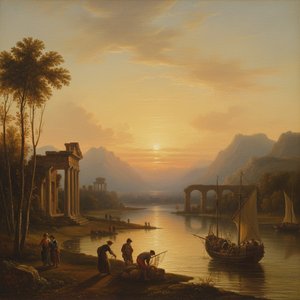
Claude Lorrain: Master of Light & Landscape in the Golden Age
Explore the luminous landscapes of Claude Lorrain, a Baroque master renowned for his masterful use of light & atmosphere. Discover his life, techniques, key works & enduring influence on art history.

クロード・モネ傑作25選:光と色彩の印象派を彩る名画の世界 | ArtsDot
クロード・モネの傑作25選。印象派を代表する光の画家、モネの世界を旅しませんか?睡蓮や風景画など、名画の背景にある物語と芸術技法をご紹介。ArtsDotで高品質な複製画とインテリアアートを見つけましょう。全コレクションはこちら。

ジョン・コンスタブルの傑作25選:英国風景画の巨匠が描く自然と光の詩 | ArtsDot
ジョン・コンスタブルの傑作25選。英国風景画の巨匠が描く自然と光の詩の世界へ。ロマン主義を代表する絵画、デダム・ヴェールやヘイ・ウェインなど、ArtsDotで高品質なアートプリントをお楽しみください。インテリアに深みと感動を。コレクションはこちら。

ロマン派ランドスケープ:時代を彩る巨匠の10選|アートとインテリアの世界
ロマン派絵画の時代を彩る10選。巨匠たちの風景が織りなす感動の世界へ。ターナー、ルーベンスなど、名作の裏話と高精細複製でアートをお部屋に。ArtsDot.comで至福のアート体験を。
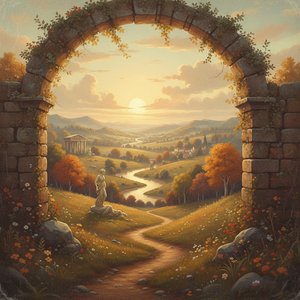
Echoes of Arcadia: Nostalgia & Transformation in Vintage Landscape Art
Explore the evocative world of vintage landscape art! Discover the history, artists & emotional power behind masterpieces from the Hudson River School & beyond. Expert insights for collectors & enthusiasts.

