

 プレビュー
プレビュー
 プリントを購入
 シェアする
シェアする シェアする
シェアする
 詳細を見る
詳細を見る

 ダウンロード
 似ている作品
 X線調査
X線調査 スライドショー
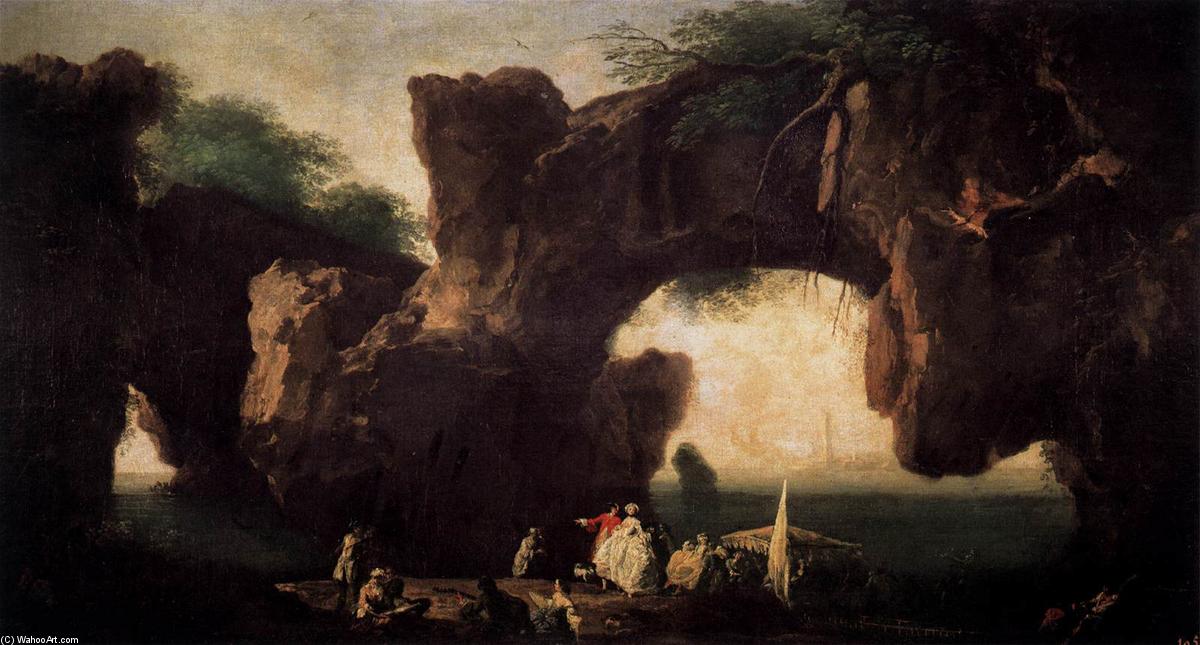
Seascape, View of Sorrento
 Acrylic On Canvas
- WallArt
- Neoclassicism
 19th Century
 59.0 x 109.0 cm
 プラド美術館
 詳細を見る
詳細を見る




P118B $10

P118H $10

P118W $10

P438Z $10

P508JH $12

P508YH $12

P805H $10

P805Z $10

P919BZ $10

P919G $10

P919XJ $10

P959ZH $10

P968JZ $12

W106C $8

W218G $10

W218JH $8

W218Y $10

W307PJ $10

W316G $10

W316PJ $8

W316Y $10

W398PJ $8

W4111J $10

W500HY $15

W500JH $15

W692G $12

W849H $8

W940BG $15

W953PJ $8




作品のオリジナル比率に合わせた、当店の規定サイズからお選びください。

特定のフレームやスペースに合わせて、ご希望のサイズをご入力いただけます。選択されたサイズが元の画像の比率と異なる場合、アートワークをトリミングするか、手描きで要素を追加して絵画を拡張いたします。デジタルモックアップ を制作し、制作開始前にご確認(承認)をいただきます。
画面上のプレビューは、実際のトリミングや拡張を正確に反映しているものではありません。最終的な構図は、モックアップによってのみ正確にご確認いただけます。
カスタムサイズもご利用いただけますが、元の比率を維持するためには、あらかじめ用意されたリストからサイズを選択することをお勧めいたします。
ご注文後、ArtsDot.com チームより詳細な指示をお送りするとともに、仕上がりイメージ(モックアップ)をご提供いたします。


 ガラスオプションは、110cm未満のサイズでのみご利用いただけます。

Seascape, View of Sorrento
複製技法
複製画のサイズ
-


合計金額
$ 263
Claude-Joseph Vernet’s “Seascape, View of Sorrento”: A Window into the Soul of the Sea
“Seascape, View of Sorrento,” painted by Claude-Joseph Vernet in the late 18th century, is more than just a depiction of a coastal vista; it's an immersive experience, a carefully constructed meditation on light, atmosphere, and the sublime power of the sea. Vernet, a master of capturing the ephemeral qualities of nature, particularly excelled at rendering the drama of maritime scenes – a skill honed during his formative years in Rome, where he was captivated by the works of classical landscape painters and the raw beauty of the Mediterranean coastline.
The painting immediately draws the eye with its masterful use of light. Vernet doesn’t simply paint a seascape; he sculpts it with illumination. The sun, positioned low on the horizon, casts long, dramatic shadows across the rocky shoreline, imbuing the scene with a sense of both tranquility and impending storm. The sky is not a uniform blue but a complex tapestry of greys, blues, and hints of violet – an atmospheric perspective that suggests vastness and depth. This technique, rooted in the principles of chiaroscuro, was highly prized by Vernet, allowing him to convey the dynamic interplay between light and shadow with remarkable realism.
A Glimpse into Vernet’s World: Context and Technique
Understanding Vernet's artistic journey is crucial to appreciating this work. Initially drawn to animal subjects – a passion ignited in his childhood – he transitioned seamlessly to landscape painting, influenced by the Italian masters who had instilled in him an appreciation for capturing fleeting moments of natural beauty. His time in Rome exposed him to the techniques of marine painters like Bernardino Fergioni and Adrien Manglard, shaping his approach to depicting the sea. Vernet’s style is characterized by a delicate balance between observation and artistic license; he meticulously rendered details – the texture of the rocks, the ripples on the water – while simultaneously employing atmospheric effects to create an emotional resonance.
The painting's composition is carefully orchestrated. The foreground features several figures, likely representing travelers or locals enjoying the seaside, dressed in attire suggestive of the 18th century. Their presence anchors the scene and invites the viewer to contemplate their relationship with the vastness of the ocean. These figures are not merely decorative elements; they serve as a scale for understanding the immense size and power of the seascape. The use of small human forms against such a monumental backdrop emphasizes both our vulnerability and our connection to nature.
Symbolism and Emotional Resonance
Beyond its technical brilliance, “Seascape, View of Sorrento” is rich in symbolism. The sea itself represents an enduring force – a source of life, mystery, and potential danger. The dramatic lighting evokes feelings of awe, wonder, and perhaps even a touch of melancholy. The painting’s mood is not one of simple pleasure but rather a contemplation of the sublime—that feeling of being overwhelmed by something larger than oneself. It speaks to the human desire for connection with nature, and the recognition of our own insignificance within its grand design.
The choice of Sorrento as the subject adds another layer of meaning. Sorrento, a picturesque town on the Bay of Naples, was a popular destination for artists and travelers during the 18th century. Vernet’s depiction captures not only the physical beauty of the location but also its romantic allure – a place where one could escape the confines of urban life and immerse oneself in the splendor of nature.
A Timeless Masterpiece: Reproduction and Beyond
Reproductions of “Seascape, View of Sorrento” offer a remarkable opportunity to bring this evocative artwork into your home or office. The meticulous detail and atmospheric effects are faithfully captured in high-quality prints, allowing you to experience the painting’s beauty and emotional depth firsthand. Whether displayed as a statement piece in a grand room or as a subtle accent in a coastal-inspired space, Vernet's masterpiece continues to captivate viewers with its timeless appeal.
Consider commissioning a hand-painted reproduction – a truly unique way to own a piece of art history. A skilled artisan can replicate the painting’s nuances and textures, creating a stunning tribute to Vernet’s legacy.
関連作品
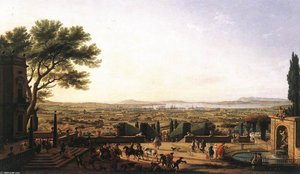

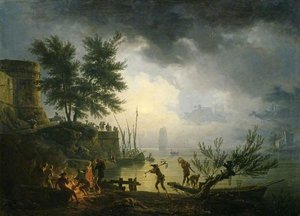
アーティストの略歴
海景の巨匠:クロード=ジョゼフ・ヴェルネの生涯と芸術
1714年にボルドーに生まれたクロード=ジョゼフ・ヴェルネは、その後の風景画、そして劇的な海洋画の世界を築き上げる運命にはありませんでした。幼少の頃から馬への強い憧れを示し、わずか5歳にしてこれらの高貴な生き物をスケッチしていました。この初期の動物解剖学への献身は、彼の後年の作品に微妙に影響を与え、より広範な構図の中で躍動感とリアリズムをもたらしました。ヴェルネの正式な訓練は、装飾画家であった父、アントワーヌ・ヴェルネのもと、そしてニコラ=ベルナール・ルピシエの下で始まりました。これにより、彼はヨーロッパの中心地であるローマへ進む前に、堅固なアカデミックな基礎を築きました。イタリアにおいて、ヴェルネは真に彼の天職を発見しました。古典的な風景画だけでなく、海の生々しい力強さと美しさにも魅了されたのです。マルセイユ沖で目撃した鯨の光景は決定的な瞬間となり、生涯にわたる海洋テーマへの執着を燃え上がらせました。ローマでの研鑽から王室の依頼へ
ヴェルネがローマで過ごした時間は、既存の様式を模倣するだけの時間ではありませんでした。光、大気、そして人間と自然の相互作用の研究に没頭したのです。クロード・ロランやサルヴァトール・ローザといった巨匠の影響を受け、彼らのアプローチを独自の視点へと融合させました。ロランが理想化された静けさをもたらす一方で、ローザは劇的な緊張感を提供しました。ヴェルネはこれらの要素を巧みに合成し、視覚的に驚くべきだけでなく、感情的にも共鳴する作品を生み出しました。1753年にフランスに帰国したヴェルネの才能はすぐに認められました。転機となったのは、ルイ15世からフランスの港町の風景画を描くという依頼を受けたことです。この野心的なプロジェクト—最終的には15枚の絵画を包含する—により、ヴェルネは当時の最高の海洋画家としての地位を確立しました。これらは単なる地形図ではありませんでした。それは国民的誇りの描写であり、フランスの海上力と海とのつながりを示していました。例えば、マルセイユ港の内観 (1754) は、賑やかな港町の単なる描写ではなく、商業、産業、そして都市の活気に満ちた生命力を称賛する頌歌なのです。光と嵐の中で築かれた遺産
ヴェルネの芸術的才能は、船や港を正確に描く能力だけでなく、光と大気を巧みに操ることにありました。彼は太陽光が水面でどのように輝き、雲が嵐の前にどのように集まり、そしてこれらの要素がシーンの雰囲気を劇的に変化させるかを理解していました。彼の絵画にはしばしば劇的な空、荒れ狂う海、そして危険と回復力の瞬間に捕らえられた人物が登場します。ナポリ港の眺めと背景にヴェスヴィオ山 (1774) は、この才能を如実に示しています—そびえ立つヴェスヴィオ山の存在は、自然の力を思い起こさせながらも、同時に人間の活動を強調しています。この壮大さと親密さのバランスが彼の作品の特徴です。海洋シーンに加えて、ヴェルネは風景画や狩猟テーマも探求し、常に細部への鋭い観察眼と動物解剖学への理解—幼少期に培われたスキル—を維持しました。家族、影響、そして永続的な意義
芸術の血統は、ヴェルネの息子、アントワーヌ・シャルル・オルス・ヴェルネ(別名:カレ・ヴェルネ)にも受け継がれました。彼は父の足跡をたどり、自身のダイナミックな戦闘シーンと狩猟アートで名を馳せました。この家族のつながりは、18世紀フランスの芸術コミュニティにおける伝統と指導の重要性を強調しています。クロード=ジョゼフ・ヴェルネの影響は、彼の直系の子孫を超えて広がりました。彼は風景画をフランス美術において重要な地位へと高めました。彼の作品は後世のアーティストにインスピレーションを与え、自然界の美しさと力を探求するように促しました。1789年に革命的な変化の瀬戸際に逝去したヴェルネですが、その遺産は今もなお続いています。彼の絵画は、大気的な深み、技術的な卓越性、そして感情的なストーリーテリングで観客を魅了し続けており、光、海、そして人間の精神に捧げられた人生の証となっています。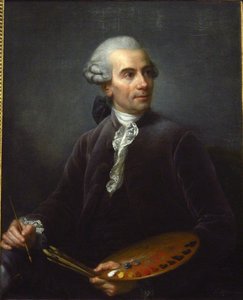
クロード=ジョゼフ・ヴェルネ
1714 - 1789 , フランス
基本情報
- Artistic Movement Or Style: 風景画、海洋画
- Artists Or Movements Influenced By This Artist: ['アントワーヌ・シャルル・オラス・ヴェルネ']
- Artists Who Influenced This Artist:
- クロード・ロラン
- ベルナルディーノ・フェルジョーニ
- Date Of Birth: 1714年8月14日
- Date Of Death: 1789年
- Full Name: クロード=ジョゼフ・ヴェルネ
- Nationality: フランス人
- Notable Artworks:
- マルセイユ港内
- ナポリ港の眺め
- Place Of Birth (City And Country): フランス、ボルドー
関連記事

ロマン派ランドスケープ:時代を彩る巨匠の10選|アートとインテリアの世界
ロマン派絵画の時代を彩る10選。巨匠たちの風景が織りなす感動の世界へ。ターナー、ルーベンスなど、名作の裏話と高精細複製でアートをお部屋に。ArtsDot.comで至福のアート体験を。

Evocations of Place: A Historical Journey Through Landscape Art
Explore the rich history of landscape art with ArtsDot. Discover renowned artists, movements like Impressionism & Romanticism, and expert guidance for collecting timeless pieces. Find your perfect serene escape today!
The Allure of the Horizon: A Comprehensive Exploration of Seascape Art Through History & Emotion
Explore the captivating world of seascape art! Discover its history, key artists & movements – from Dutch Masters to Impressionism. Expert insights for collectors and enthusiasts at ArtsDot.

ジョン・コンスタブルの傑作25選:英国風景画の巨匠が描く自然と光の詩 | ArtsDot
ジョン・コンスタブルの傑作25選。英国風景画の巨匠が描く自然と光の詩の世界へ。ロマン主義を代表する絵画、デダム・ヴェールやヘイ・ウェインなど、ArtsDotで高品質なアートプリントをお楽しみください。インテリアに深みと感動を。コレクションはこちら。

Evoking Atmosphere & Identity: A Journey Through Landscape Painting's History
Explore the rich history of landscape painting! Discover renowned artists, movements like Romanticism, & techniques such as atmospheric perspective. Find inspiration and quality reproductions at ArtsDot.

