

 プレビュー
プレビュー
 プリントを購入
 シェアする
シェアする シェアする
シェアする
 詳細を見る
詳細を見る

 ダウンロード
 似ている作品
 X線調査
X線調査 スライドショー
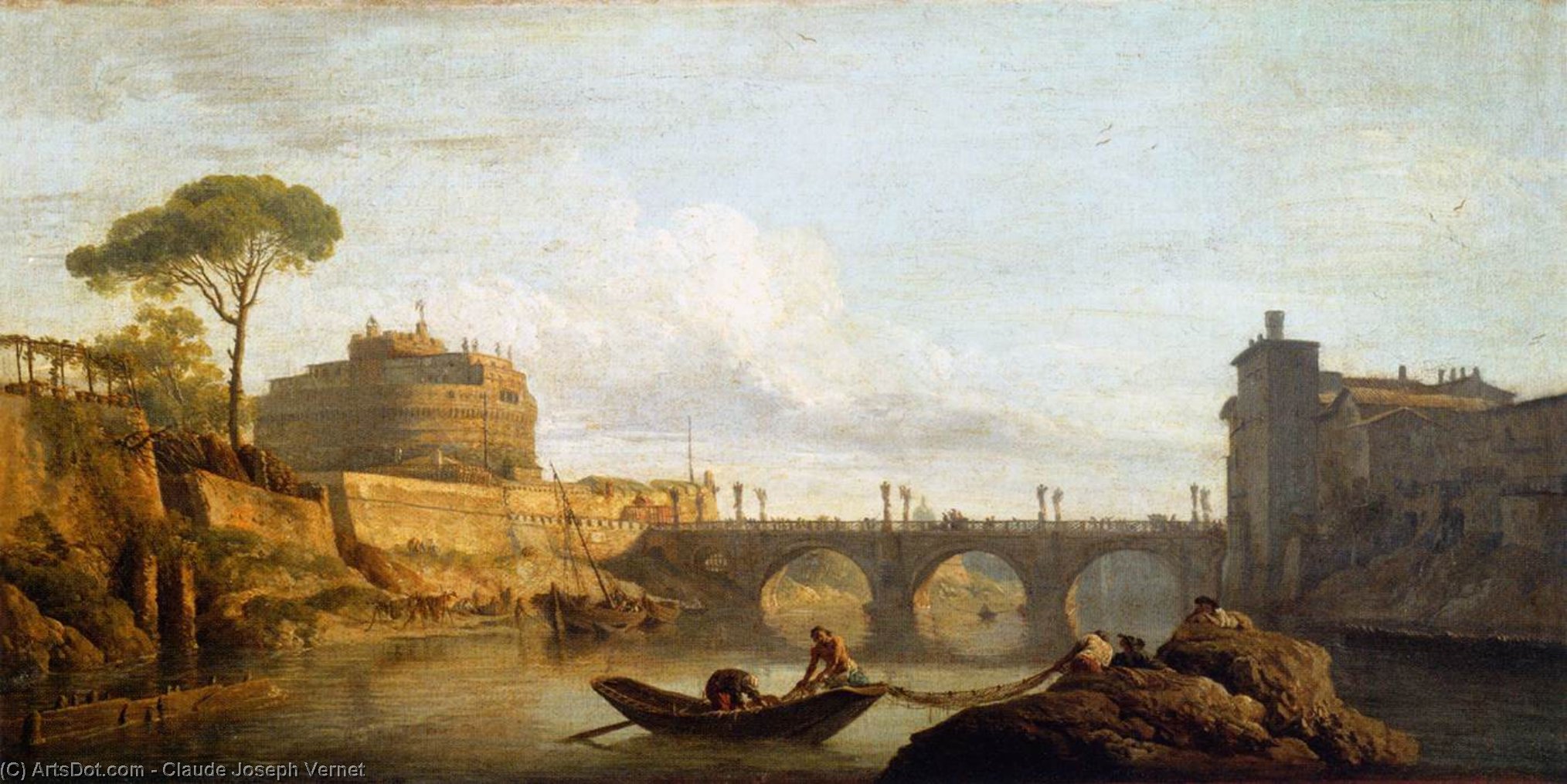
The Bridge and the Castel Sant'Angelo in Rome
 Acrylic On Canvas
- WallArt
- Rococo/Neoclassical
 1745
1745 40.0 x 77.0 cm
 ルーブル美術館
 詳細を見る
詳細を見る
オンラインプレビューをはるかに凌ぐ、高解像度で鮮明なデジタル画像をご購入いただけます。
各ファイルは、社内の専門家が高度なツールと熟練した手作業によるレタッチを用いて、細心の注意を払って準備されています。すべての画像において、卓越した鮮明度、正確な色彩再現性、そして繊細なディテールを保証いたします。
最終ファイルは、プロフェッショナルな編集・印刷環境ですぐにご利用いただけるよう最適化された状態で、72時間以内にメールにてお届けいたします。これは、一流のデザインスタジオ、出版社、ギャラリーから信頼されているものと同等の品質です。
デジタル画像のご注文に付随する特典
高品質なデジタル画像配信を、確かな品質で。
ArtsDot.com を選ぶことは、単に画像を手に入れることではありません。それは、プロの手によって精密に仕上げられ、満足保証が付いた高品質なデジタルアートワークを受け取ることを意味します。ご注文いただいた際に自動的に付随する内容は、以下の通りです:

メールですぐにお届け
ご注文から72時間以内に、高解像度のデジタル画像ファイルがメールでお手元に届きます。すぐにそのままご利用いただけます。

AI技術で最適化されたデジタルファイル
お客様の作品は、高度なAIツールと専門家による手作業の編集を組み合わせてプロフェッショナルに最適化されており、細部のディテール、鮮明さ、そして正確な色再現性を最大限に引き出しています。

一生涯無料の再送サービス
ファイルを誤って削除したり、紛失してしまったりしましたか?ご安心ください。いつでも無料で再送いたします。

輸入手数料は一切かかりません
関税や手数料、配送料を気にすることなく、お気に入りのアートワークをすぐにお楽しみいただけます。デジタルダウンロードは常に免税です。

色彩再現の保証
プロ仕様のツールとカラーマネジメント技術を用いることで、デジタル画像が元の色を最大限に忠実に再現することを保証いたします。

60日間満足保証
ご購入いただいたデジタル画像にご満足いただけない場合は、60日以内であれば、修正または100%の返金(理由を問う必要はありません)をさせていただきます。

100% 返金保証
ご満足いただけない場合は、デジタルファイルを受け取ってから60日以内であれば、理由を問わず全額返金いたします。

まとめ買い割引
3枚購入で10%OFF - 5枚購入で15%OFF - 10枚以上購入で20%OFF。クリエイティブなプロジェクト、ギャラリー、エージェンシーに最適です。
作品の詳細
A Roman Reverie: Vernet’s Evocative Capture of Eternal City
Claude-Joseph Vernet’s “The Bridge and the Castel Sant’Angelo in Rome” isn’t merely a depiction of a cityscape; it's a carefully constructed tableau brimming with atmosphere, light, and a profound sense of Roman grandeur. Painted in 1745, this work transcends simple representation, offering instead a distilled essence of the Eternal City – its bustling life, architectural majesty, and the subtle poetry of twilight. Vernet, a master of maritime scenes and dramatic landscapes, here demonstrates his remarkable ability to capture not just form but also the very *feeling* of Rome, imbuing the canvas with an almost palpable sense of history and romance.
The scene unfolds along the Tiber River, dominated by the imposing Castel Sant’Angelo – originally Hadrian's mausoleum, later transformed into a fortress and papal residence. The bridge itself, known as Ponte dell’Anguilla (Bridge of Angels), arches gracefully across the water, its elegant structure reflecting in the shimmering surface below. Vernet skillfully employs atmospheric perspective; distant elements are rendered in softer hues and with less detail, creating an illusion of depth that draws the eye into the heart of the composition. The warm glow of the late afternoon sun bathes the scene, casting long shadows and highlighting the textures of the buildings – the rough stonework of the castle, the weathered surfaces of the bridge, and the vibrant colors of the boats drifting along the river.
The Painter’s Palette: Technique and Style
Vernet's style is characterized by a remarkable blend of realism and romanticism. He meticulously observed the details of Roman architecture and daily life, yet he infused his work with an emotional intensity that elevates it beyond mere documentation. The brushstrokes are loose and expressive, particularly in the rendering of the sky – a swirling vortex of blues, purples, and golds that evokes both serenity and drama. He masterfully utilized chiaroscuro—the dramatic contrast between light and shadow—to create a sense of volume and depth, emphasizing the monumental scale of the Castel Sant’Angelo while simultaneously suggesting the intimate details of the riverbank scene. The use of oil paint allows for rich colors and subtle gradations, contributing to the overall luminous quality of the painting.
- Technique: Oil on canvas – a medium that allowed Vernet to achieve nuanced color variations and atmospheric effects.
- Composition: Balanced arrangement of architectural elements and natural forms, creating a harmonious and visually engaging scene.
- Color Palette: Dominated by warm earth tones (ochres, browns) contrasted with cool blues and purples of the twilight sky.
A Historical Echo: Vernet’s Roman Roots
Vernet's fascination with Rome stemmed from his early training in the city as a pupil of landscape masters like Claude Lorrain. This immersion in classical art profoundly influenced his style, shaping his understanding of composition, perspective, and the depiction of light and atmosphere. His time in Rome also exposed him to the rich history and mythology of the Eternal City, which he frequently incorporated into his work. “The Bridge and the Castel Sant’Angelo” is a testament to this influence – it's not simply a view of Rome; it’s a meditation on its enduring beauty and historical significance. Notably, Vernet was part of a generation that sought to capture the spirit of the Enlightenment, blending classical ideals with contemporary observations of the world.
The Soul of Rome: Symbolism and Emotional Resonance
Beyond its technical brilliance, “The Bridge and the Castel Sant’Angelo” resonates deeply on an emotional level. The painting evokes a sense of timelessness – a feeling that one is witnessing a scene that has played out countless times throughout history. The gentle movement of the boats, the quiet activity along the riverbank, and the majestic presence of the castle all contribute to this atmosphere of serenity and contemplation. The Castel Sant’Angelo itself holds layers of symbolism: representing both Roman imperial power and papal authority, it stands as a potent reminder of Rome's complex and layered past. The painting invites viewers to lose themselves in the beauty of the city and reflect on its enduring legacy – a captivating blend of history, art, and human experience.
関連作品

作家の略歴
海景の巨匠:クロード=ジョゼフ・ヴェルネの生涯と芸術
1714年にボルドーに生まれたクロード=ジョゼフ・ヴェルネは、その後の風景画、そして劇的な海洋画の世界を築き上げる運命にはありませんでした。幼少の頃から馬への強い憧れを示し、わずか5歳にしてこれらの高貴な生き物をスケッチしていました。この初期の動物解剖学への献身は、彼の後年の作品に微妙に影響を与え、より広範な構図の中で躍動感とリアリズムをもたらしました。ヴェルネの正式な訓練は、装飾画家であった父、アントワーヌ・ヴェルネのもと、そしてニコラ=ベルナール・ルピシエの下で始まりました。これにより、彼はヨーロッパの中心地であるローマへ進む前に、堅固なアカデミックな基礎を築きました。イタリアにおいて、ヴェルネは真に彼の天職を発見しました。古典的な風景画だけでなく、海の生々しい力強さと美しさにも魅了されたのです。マルセイユ沖で目撃した鯨の光景は決定的な瞬間となり、生涯にわたる海洋テーマへの執着を燃え上がらせました。ローマでの研鑽から王室の依頼へ
ヴェルネがローマで過ごした時間は、既存の様式を模倣するだけの時間ではありませんでした。光、大気、そして人間と自然の相互作用の研究に没頭したのです。クロード・ロランやサルヴァトール・ローザといった巨匠の影響を受け、彼らのアプローチを独自の視点へと融合させました。ロランが理想化された静けさをもたらす一方で、ローザは劇的な緊張感を提供しました。ヴェルネはこれらの要素を巧みに合成し、視覚的に驚くべきだけでなく、感情的にも共鳴する作品を生み出しました。1753年にフランスに帰国したヴェルネの才能はすぐに認められました。転機となったのは、ルイ15世からフランスの港町の風景画を描くという依頼を受けたことです。この野心的なプロジェクト—最終的には15枚の絵画を包含する—により、ヴェルネは当時の最高の海洋画家としての地位を確立しました。これらは単なる地形図ではありませんでした。それは国民的誇りの描写であり、フランスの海上力と海とのつながりを示していました。例えば、マルセイユ港の内観 (1754) は、賑やかな港町の単なる描写ではなく、商業、産業、そして都市の活気に満ちた生命力を称賛する頌歌なのです。光と嵐の中で築かれた遺産
ヴェルネの芸術的才能は、船や港を正確に描く能力だけでなく、光と大気を巧みに操ることにありました。彼は太陽光が水面でどのように輝き、雲が嵐の前にどのように集まり、そしてこれらの要素がシーンの雰囲気を劇的に変化させるかを理解していました。彼の絵画にはしばしば劇的な空、荒れ狂う海、そして危険と回復力の瞬間に捕らえられた人物が登場します。ナポリ港の眺めと背景にヴェスヴィオ山 (1774) は、この才能を如実に示しています—そびえ立つヴェスヴィオ山の存在は、自然の力を思い起こさせながらも、同時に人間の活動を強調しています。この壮大さと親密さのバランスが彼の作品の特徴です。海洋シーンに加えて、ヴェルネは風景画や狩猟テーマも探求し、常に細部への鋭い観察眼と動物解剖学への理解—幼少期に培われたスキル—を維持しました。家族、影響、そして永続的な意義
芸術の血統は、ヴェルネの息子、アントワーヌ・シャルル・オルス・ヴェルネ(別名:カレ・ヴェルネ)にも受け継がれました。彼は父の足跡をたどり、自身のダイナミックな戦闘シーンと狩猟アートで名を馳せました。この家族のつながりは、18世紀フランスの芸術コミュニティにおける伝統と指導の重要性を強調しています。クロード=ジョゼフ・ヴェルネの影響は、彼の直系の子孫を超えて広がりました。彼は風景画をフランス美術において重要な地位へと高めました。彼の作品は後世のアーティストにインスピレーションを与え、自然界の美しさと力を探求するように促しました。1789年に革命的な変化の瀬戸際に逝去したヴェルネですが、その遺産は今もなお続いています。彼の絵画は、大気的な深み、技術的な卓越性、そして感情的なストーリーテリングで観客を魅了し続けており、光、海、そして人間の精神に捧げられた人生の証となっています。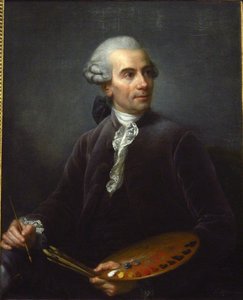
クロード=ジョゼフ・ヴェルネ
1714 - 1789 , フランス
プロフィール概要
- Artistic Movement Or Style: 風景画、海洋画
- Artists Or Movements Influenced By This Artist: ['アントワーヌ・シャルル・オラス・ヴェルネ']
- Artists Who Influenced This Artist:
- クロード・ロラン
- ベルナルディーノ・フェルジョーニ
- Date Of Birth: 1714年8月14日
- Date Of Death: 1789年
- Full Name: クロード=ジョゼフ・ヴェルネ
- Nationality: フランス人
- Notable Artworks:
- マルセイユ港内
- ナポリ港の眺め
- Place Of Birth (City And Country): フランス、ボルドー

