

 プレビュー
プレビュー
 プリントを購入
 シェアする
シェアする シェアする
シェアする
 詳細を見る
詳細を見る

 ダウンロード
 似ている作品
 X線調査
X線調査 スライドショー
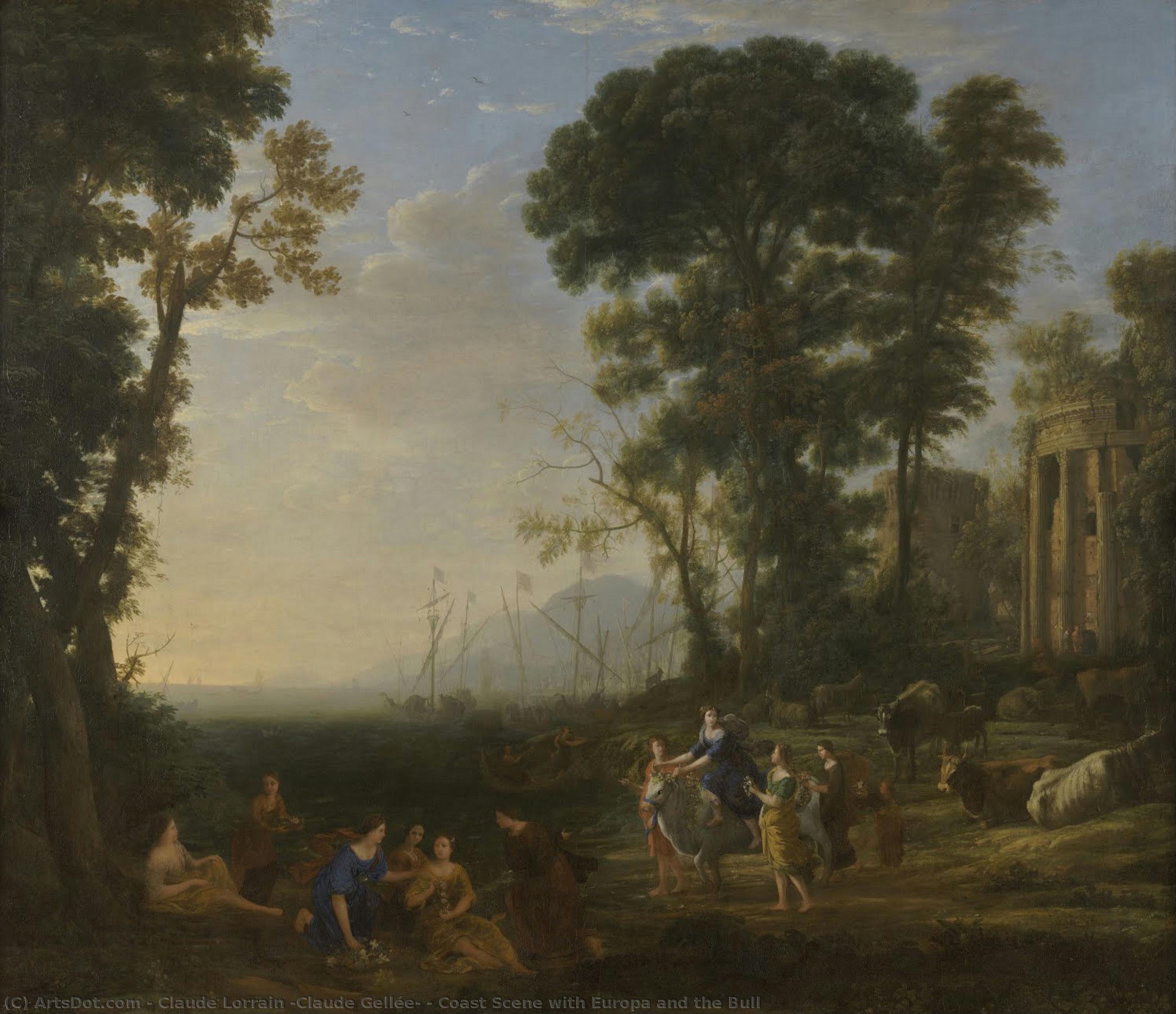
Coast Scene with Europa and the Bull
 Acrylic On Canvas
- WallArt
- Baroque Landscape
 1634
1634 170.0 x 199.0 cm
 Kimbell Art Museum
 詳細を見る
詳細を見る
オンラインプレビューをはるかに凌ぐ、高解像度で鮮明なデジタル画像をご購入いただけます。
各ファイルは、社内の専門家が高度なツールと熟練した手作業によるレタッチを用いて、細心の注意を払って準備されています。すべての画像において、卓越した鮮明度、正確な色彩再現性、そして繊細なディテールを保証いたします。
最終ファイルは、プロフェッショナルな編集・印刷環境ですぐにご利用いただけるよう最適化された状態で、72時間以内にメールにてお届けいたします。これは、一流のデザインスタジオ、出版社、ギャラリーから信頼されているものと同等の品質です。
デジタル画像のご注文に付随する特典
高品質なデジタル画像配信を、確かな品質で。
ArtsDot.com を選ぶことは、単に画像を手に入れることではありません。それは、プロの手によって精密に仕上げられ、満足保証が付いた高品質なデジタルアートワークを受け取ることを意味します。ご注文いただいた際に自動的に付随する内容は、以下の通りです:

メールですぐにお届け
ご注文から72時間以内に、高解像度のデジタル画像ファイルがメールでお手元に届きます。すぐにそのままご利用いただけます。

AI技術で最適化されたデジタルファイル
お客様の作品は、高度なAIツールと専門家による手作業の編集を組み合わせてプロフェッショナルに最適化されており、細部のディテール、鮮明さ、そして正確な色再現性を最大限に引き出しています。

一生涯無料の再送サービス
ファイルを誤って削除したり、紛失してしまったりしましたか?ご安心ください。いつでも無料で再送いたします。

輸入手数料は一切かかりません
関税や手数料、配送料を気にすることなく、お気に入りのアートワークをすぐにお楽しみいただけます。デジタルダウンロードは常に免税です。

色彩再現の保証
プロ仕様のツールとカラーマネジメント技術を用いることで、デジタル画像が元の色を最大限に忠実に再現することを保証いたします。

60日間満足保証
ご購入いただいたデジタル画像にご満足いただけない場合は、60日以内であれば、修正または100%の返金(理由を問う必要はありません)をさせていただきます。

100% 返金保証
ご満足いただけない場合は、デジタルファイルを受け取ってから60日以内であれば、理由を問わず全額返金いたします。

まとめ買い割引
3枚購入で10%OFF - 5枚購入で15%OFF - 10枚以上購入で20%OFF。クリエイティブなプロジェクト、ギャラリー、エージェンシーに最適です。
Claude Lorrain’s “Coast Scene with Europa and the Bull”: A Symphony of Light and Myth
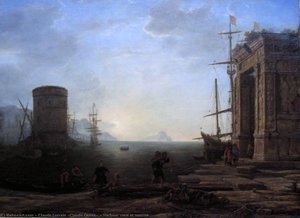
Claude Lorrain's "Coast Scene with Europa and the Bull," painted around 1634, isn’t merely a landscape; it’s an immersive experience—a carefully constructed tableau where classical mythology intertwines with the serene beauty of the Italian countryside. This masterpiece, now residing in the Kimbell Art Museum in Fort Worth, exemplifies Lorrain's mastery of atmospheric perspective and his ability to elevate the humble genre of landscape painting into a realm of poetic grandeur. The scene unfolds along a gently curving coastline, dominated by a shimmering expanse of turquoise water and framed by rolling hills bathed in the golden light of late afternoon. A dramatic, snow-white bull, rendered with an almost ethereal quality, emerges from the waves, carrying the terrified Princess Europa upon his back – a direct reference to Ovid’s *Metamorphoses*, where Zeus assumes this form to abduct her and bring her to Crete. Yet, it's not simply a retelling of a myth; Lorrain transforms the narrative into an exploration of beauty, power, and the sublime.A Masterclass in Atmospheric Perspective and Light
Lorrain’s genius lies not just in his subject matter but in his technical execution. He meticulously employed techniques honed during his extensive studies of Roman ruins and the landscapes surrounding Rome. The painting is a testament to his understanding of *chiaroscuro* – the dramatic interplay of light and shadow – which he masterfully utilizes to create depth and volume. Distant hills are rendered in hazy blues and purples, gradually softening as they recede into the background, while the foreground elements—the rocks, the bull, and Europa—are sharply defined with vibrant colors and meticulous detail. The light itself seems to emanate from an unseen source, bathing the scene in a warm, diffused glow that evokes a sense of tranquility and timelessness. Lorrain’s use of color is particularly noteworthy; he avoids harsh contrasts, opting instead for subtle gradations and harmonious blends that create a visually stunning and emotionally resonant effect.Symbolism and Classical Allusion
Beyond the immediate depiction of Europa's abduction, the painting is rich in symbolic meaning. The bull itself represents power, both divine and primal – a direct allusion to Zeus’s godlike authority. Europa, on the other hand, embodies innocence and beauty, her terror juxtaposed against the majestic strength of the animal. The inclusion of ruins—a classical temple subtly integrated into the landscape—serves as a reminder of the enduring legacy of antiquity and the connection between nature and human civilization. Lorrain frequently employed such elements in his work, elevating the pastoral to a realm of historical significance. The composition also echoes earlier works by Flemish masters like Paul and Matthew Bril, who similarly depicted idyllic landscapes with figures placed strategically within the scene—a deliberate nod to established artistic conventions.Evoking Emotion: Beauty, Terror, and the Sublime
“Coast Scene with Europa and the Bull” is more than just a visually pleasing composition; it’s designed to evoke a profound emotional response. The juxtaposition of beauty and terror—the serene landscape contrasted with Europa's fear—creates a sense of unease and wonder. The painting captures the essence of the sublime, that feeling of awe and astonishment experienced when confronted with something vast and overwhelming – in this case, the power of nature and the mysteries of mythology. Lorrain’s skillful manipulation of light and color contributes significantly to this emotional impact, drawing the viewer into the scene and inviting them to contemplate the timeless themes of love, loss, and the eternal struggle between order and chaos. It's a painting that lingers in the memory long after it has been viewed, prompting reflection on its complex layers of meaning and artistic brilliance.A Legacy of Pastoral Idealism
Claude Lorrain’s “Coast Scene with Europa and the Bull” stands as a pivotal work in the history of landscape painting. It solidified his reputation as the foremost landscapist of his time, influencing generations of artists who followed. His ability to seamlessly blend classical mythology with idealized landscapes established a new standard for genre painting, elevating it from mere decoration to a vehicle for profound artistic expression. Today, this remarkable artwork continues to captivate audiences with its breathtaking beauty, intricate detail, and enduring symbolic power—a testament to the genius of Claude Lorrain and his mastery of light, color, and composition.関連作品

作家の略歴
クロード・ロラン(クロード・ジェレ):光と風景の中の生涯
初期の生活と修行
紀元1600年頃、現在のフランスに位置するロレーヌ公国の小さな村、シャマニュで生まれたクロード・ロラン――本名はクロード・ジェレ――は、バロック期を代表する最も称賛される風景画家の一人であり続けています。彼の初期の生活はいくつかの謎に包まれており、修行に関する伝記には矛盾が見られます。ヨアヒム・フォン・ザンドラルトによる記録によれば、彼は菓子職人の徒弟としてささやかな日々を送り、その後ローマで芸術家たちと仕事を得たという説があります。一方、フィリッポ・バルディヌッチの記述は、彼がナポリでゴフレド・ワルスから学び、後にアゴスティーノ・タッシのもとローマで学んだ初期の訓練について詳述しています。
名声の確立
1630年代までには、クロード・ロランはイタリアにおける第一人者としての地位を確固たるものにしていました。彼の絵画は、その大気的な質によってすぐに注目を集め、高値で取引されるようになりました。彼は、イタリア風の風景と古典的、そして聖書のテーマを見事に融合させ、視覚的に息をのむほど美しく、知的好奇心を刺激する光景を創り出しました。
芸術様式と主要な特徴
- 輝く太陽の光: クロードの作品を定義づける要素は、光の巧みな描写にあります。彼は、風景を通り抜ける太陽の光を一貫して描いた初期の画家の一人であり、それまで見られなかった雰囲気とリアリズムの感覚を生み出しました。
- 古典的な影響: 彼の構図はしばしば古代の遺跡からインスピレーションを得ており、ローマの廃墟、神話上の人物、建築的要素が取り入れられています。
- 理想化された風景: クロードは厳密な地形的な正確さを目指したわけではありませんでした。むしろ、調和と静けさの感覚を呼び起こすような理想化された風景を描いたのです。
- 緻密な素描: 彼は多作な製図家であり、ペン、水彩、チョークを用いて数多くのスケッチや研究を残しました。その多くは彼の『真実の書』に保存されています。
影響と発展
クロードの初期の影響には、北ヨーロッパの風景の伝統、特にフランドル派の画家たちのものが含まれていました。彼はまた、ティツィアーノやラファエロといったイタリア・ルネサンスの巨匠たちの作品も研究しました。時が経つにつれ、彼の様式は、より暗く劇的な構図から、黄金色の輝きを特徴とする、より明るく空気感のある光景へと進化していきました。
代表作
- 羊飼いたちと群れを連れて帰る風景
- 洗練された女王の出航港の情景
- 日の出
- 牧歌的な風景:ローマのカンパニア地方
- タルサスにおけるクレオパトラの上陸
歴史的重要性とその遺産
クロード・ロランが風景画にもたらした影響は計り知れません。彼はこのジャンルを、それまで歴史的または宗教的な主題にのみ許されていた威信の高い領域へと引き上げました。彼の作品は、光と大気の儚い効果を捉えようとしたJ.M.W.ターナーや印象派の画家たちを含む何世代もの芸術家に影響を与えました。今日、彼の絵画は非常に高く評価されており、特にロンドンのナショナル・ギャラリーや南オーストラリア州美術館など、世界中の主要な美術館で見ることができます。
晩年と死
クロード・ロランは1682年11月23日にローマで亡くなりました。サン・ルイージ・デイ・フランチェージ教会にある彼の墓石には、「Claude / peintre de / rome / mort / le 23 novembre 1682」というシンプルな銘文が刻まれています。彼は、西洋美術史において最も重要で影響力のある風景画家の一人としての遺産を残しました。
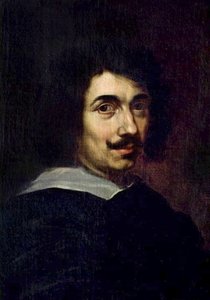
クロード・ロラン
1600 - 1682

