

 プレビュー
プレビュー
 シェアする
シェアする シェアする
シェアする
 詳細を見る
詳細を見る

 ダウンロード
 似ている作品
 X線調査
X線調査 スライドショー
 統計情報
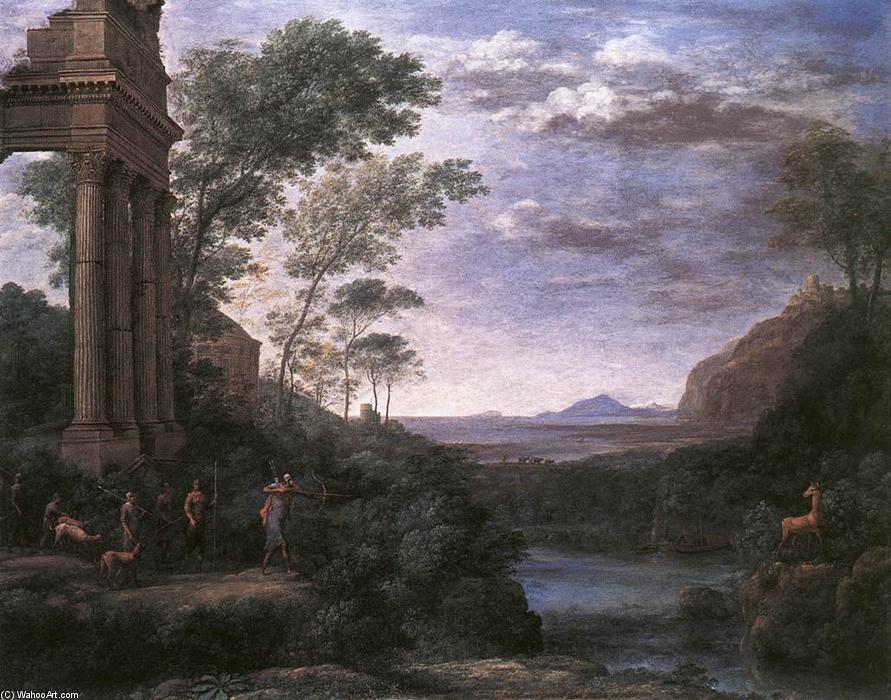
統計情報Landscape with Ascanius Shooting the Stag of Sylvia
 Oil On Canvas
- WallArt
- Baroque Landscape
 1682
1682 120.0 x 150.0 cm
 アシュモリアン美術館
 詳細を見る
詳細を見る
オンラインプレビューをはるかに凌ぐ、高解像度で鮮明なデジタル画像をご購入いただけます。
各ファイルは、社内の専門家が高度なツールと熟練した手作業によるレタッチを用いて、細心の注意を払って準備されています。すべての画像において、卓越した鮮明度、正確な色彩再現性、そして繊細なディテールを保証いたします。
最終ファイルは、プロフェッショナルな編集・印刷環境ですぐにご利用いただけるよう最適化された状態で、72時間以内にメールにてお届けいたします。これは、一流のデザインスタジオ、出版社、ギャラリーから信頼されているものと同等の品質です。
デジタルアート
個人での鑑賞、印刷、クリエイティブなプロジェクト用に、高解像度ファイルをダウンロードできます。 ( プリント版に切り替え 手描きの絵画を購入)
デジタル画像のご注文に付随する特典
高品質なデジタル画像配信を、確かな品質で。
ArtsDot.com を選ぶことは、単に画像を手に入れることではありません。それは、プロの手によって精密に仕上げられ、満足保証が付いた高品質なデジタルアートワークを受け取ることを意味します。ご注文いただいた際に自動的に付随する内容は、以下の通りです:

メールですぐにお届け
ご注文から72時間以内に、高解像度のデジタル画像ファイルがメールでお手元に届きます。すぐにそのままご利用いただけます。

AI技術で最適化されたデジタルファイル
お客様の作品は、高度なAIツールと専門家による手作業の編集を組み合わせてプロフェッショナルに最適化されており、細部のディテール、鮮明さ、そして正確な色再現性を最大限に引き出しています。

一生涯無料の再送サービス
ファイルを誤って削除したり、紛失してしまったりしましたか?ご安心ください。いつでも無料で再送いたします。

輸入手数料は一切かかりません
関税や手数料、配送料を気にすることなく、お気に入りのアートワークをすぐにお楽しみいただけます。デジタルダウンロードは常に免税です。

色彩再現の保証
プロ仕様のツールとカラーマネジメント技術を用いることで、デジタル画像が元の色を最大限に忠実に再現することを保証いたします。

100日間満足保証
ご購入いただいたデジタル画像にご満足いただけない場合は、100日以内であれば、理由を問わず修正または100%の返金対応をさせていただきます。

100% 返金保証
ご満足いただけない場合は、デジタルファイルを受け取ってから100日以内であれば、理由を問わず全額返金いたします。

まとめ買い割引
3枚購入で10%OFF - 5枚購入で15%OFF - 10枚以上購入で20%OFF。クリエイティブなプロジェクト、ギャラリー、エージェンシーに最適です。
The Echoes of Myth: Claude Lorrain’s ‘Landscape with Ascanius Shooting the Stag of Sylvia’
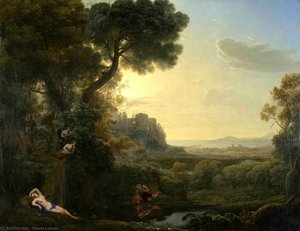
Claude Lorrain's “Landscape with Ascanius Shooting the Stag of Sylvia,” completed in 1682, is more than just a picturesque vista; it’s a carefully orchestrated meditation on Roman mythology, classical ideals, and the fleeting nature of human ambition. Painted during the twilight years of his illustrious career, this monumental canvas residing within the Ashmolean Museum in Oxford offers a profound glimpse into the artist's evolving style and philosophical concerns. It represents a pivotal moment in Lorrain’s artistic journey, marking a shift towards greater emotional depth and a more nuanced engagement with narrative themes.
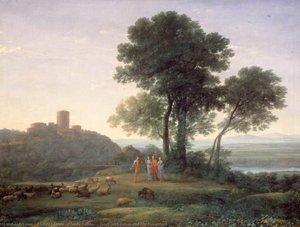
The scene unfolds against a dramatic backdrop of rolling hills, a meandering river reflecting the overcast sky, and a distant temple—a structure reminiscent of those found in ancient Rome. At the heart of the composition stands Ascanius, son of Aeneas and Creusa, poised to unleash his arrow upon a magnificent stag, its antlers adorned with a garland. The stag, seemingly oblivious to the impending danger, embodies an almost idyllic innocence, a symbol of untamed nature caught in the trajectory of human conflict. The figures surrounding him—a small group of men, including Ascanius’s father Aeneas – are rendered with a subtle grace and restraint, their postures conveying both anticipation and a quiet melancholy. The painting isn't merely depicting an event; it’s capturing a pregnant pause before the storm, a moment of poised action that foreshadows the ensuing war.
A Masterclass in Atmospheric Perspective
Lorrain’s mastery of atmospheric perspective is immediately apparent. He employs a delicate gradation of tones and colors to create a sense of depth and distance, drawing the viewer's eye into the receding landscape. The distant hills are rendered in muted blues and purples, while the foreground elements—the figures, the stag, and the temple—are imbued with warmer hues. This skillful manipulation of light and shadow not only enhances the realism of the scene but also evokes a profound sense of tranquility and timelessness. Lorrain’s technique is particularly notable for its subtle use of color; he avoids bold contrasts, instead favoring delicate washes and muted tones that create an ethereal quality.
The artist's meticulous attention to detail extends beyond the landscape itself. The figures are rendered with a remarkable degree of realism, their clothing, expressions, and gestures conveying a sense of human dignity and vulnerability. Lorrain’s use of brushwork is equally impressive—loose, expressive strokes that capture the texture of the foliage and the movement of the water. He demonstrates an understanding of how to create a sense of immediacy and dynamism within a static image.
Myth, Mortality, and the Roman Ideal
“Landscape with Ascanius Shooting the Stag of Sylvia” is deeply rooted in classical mythology, specifically Virgil’s *Aeneid*. The scene depicts a pivotal moment from the epic poem—the accidental shooting of the stag by Ascanius, an event that triggers a devastating war between the Trojans and the Latins. However, Lorrain transcends mere illustration; he imbues the narrative with profound philosophical implications. The painting serves as a poignant meditation on mortality, ambition, and the inevitable clash between human desires and the natural order.
The overcast sky, the somber colors, and the sense of impending conflict all contribute to this atmosphere of melancholy. The stag, representing innocence and tranquility, is ultimately sacrificed in the pursuit of power and glory. Lorrain subtly critiques the Roman ideal of conquest and domination, suggesting that such pursuits are inherently destructive and ultimately futile. The temple, a symbol of classical order and authority, stands in ruins, hinting at the decline of Rome’s once-great empire.
A Lasting Legacy
“Landscape with Ascanius Shooting the Stag of Sylvia” represents the culmination of Claude Lorrain's artistic vision. Completed just months before his death in 1682, it stands as a testament to his extraordinary skill and profound understanding of art history and mythology. The painting’s enduring appeal lies not only in its technical brilliance but also in its ability to evoke powerful emotions and stimulate intellectual reflection. It remains a captivating work of art that continues to resonate with viewers centuries after its creation.
関連作品

作家の略歴
クロード・ロラン(クロード・ジェレ):光と風景の中の生涯
初期の生活と修行
紀元1600年頃、現在のフランスに位置するロレーヌ公国の小さな村、シャマニュで生まれたクロード・ロラン――本名はクロード・ジェレ――は、バロック期を代表する最も称賛される風景画家の一人であり続けています。彼の初期の生活はいくつかの謎に包まれており、修行に関する伝記には矛盾が見られます。ヨアヒム・フォン・ザンドラルトによる記録によれば、彼は菓子職人の徒弟としてささやかな日々を送り、その後ローマで芸術家たちと仕事を得たという説があります。一方、フィリッポ・バルディヌッチの記述は、彼がナポリでゴフレド・ワルスから学び、後にアゴスティーノ・タッシのもとローマで学んだ初期の訓練について詳述しています。
名声の確立
1630年代までには、クロード・ロランはイタリアにおける第一人者としての地位を確固たるものにしていました。彼の絵画は、その大気的な質によってすぐに注目を集め、高値で取引されるようになりました。彼は、イタリア風の風景と古典的、そして聖書のテーマを見事に融合させ、視覚的に息をのむほど美しく、知的好奇心を刺激する光景を創り出しました。
芸術様式と主要な特徴
- 輝く太陽の光: クロードの作品を定義づける要素は、光の巧みな描写にあります。彼は、風景を通り抜ける太陽の光を一貫して描いた初期の画家の一人であり、それまで見られなかった雰囲気とリアリズムの感覚を生み出しました。
- 古典的な影響: 彼の構図はしばしば古代の遺跡からインスピレーションを得ており、ローマの廃墟、神話上の人物、建築的要素が取り入れられています。
- 理想化された風景: クロードは厳密な地形的な正確さを目指したわけではありませんでした。むしろ、調和と静けさの感覚を呼び起こすような理想化された風景を描いたのです。
- 緻密な素描: 彼は多作な製図家であり、ペン、水彩、チョークを用いて数多くのスケッチや研究を残しました。その多くは彼の『真実の書』に保存されています。
影響と発展
クロードの初期の影響には、北ヨーロッパの風景の伝統、特にフランドル派の画家たちのものが含まれていました。彼はまた、ティツィアーノやラファエロといったイタリア・ルネサンスの巨匠たちの作品も研究しました。時が経つにつれ、彼の様式は、より暗く劇的な構図から、黄金色の輝きを特徴とする、より明るく空気感のある光景へと進化していきました。
代表作
- 羊飼いたちと群れを連れて帰る風景
- 洗練された女王の出航港の情景
- 日の出
- 牧歌的な風景:ローマのカンパニア地方
- タルサスにおけるクレオパトラの上陸
歴史的重要性とその遺産
クロード・ロランが風景画にもたらした影響は計り知れません。彼はこのジャンルを、それまで歴史的または宗教的な主題にのみ許されていた威信の高い領域へと引き上げました。彼の作品は、光と大気の儚い効果を捉えようとしたJ.M.W.ターナーや印象派の画家たちを含む何世代もの芸術家に影響を与えました。今日、彼の絵画は非常に高く評価されており、特にロンドンのナショナル・ギャラリーや南オーストラリア州美術館など、世界中の主要な美術館で見ることができます。
晩年と死
クロード・ロランは1682年11月23日にローマで亡くなりました。サン・ルイージ・デイ・フランチェージ教会にある彼の墓石には、「Claude / peintre de / rome / mort / le 23 novembre 1682」というシンプルな銘文が刻まれています。彼は、西洋美術史において最も重要で影響力のある風景画家の一人としての遺産を残しました。
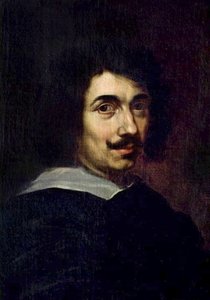
クロード・ロラン
1600 - 1682